Plot Explained Spoilers guaranteed!
Plot Explained

Browse by genre

Kilroy Was Here (1983) movie poster

Plot Summary

Kilroy Was Here (1983) Plot Summary Explained

Release, runtime and language
1983 · 10 mins · English
Directed by
Brian Gibson, Jerry Kramer
Starring
Michael Winslow, Dennis DeYoung, Robert Romanus, John Panozzo, Tommy Shaw, James "J.Y." Young

The introduction to the concept album and rock opera follows a rebellious fan determined to free a rock star who has been framed for murder. Set in an Orwellian future America ruled by a fundamentalist dictator, all rock music is banned, and the fan’s actions drive a desperate struggle against the oppressive regime.

On this page (4)
  1. 1 What happens: full plot
  2. 2 Plot questions answered
  3. 3 Movie threads
  4. 4 Every angle

Full plot summary · contains spoilers

What Happens in Kilroy Was Here: Full Plot Summary

The whole story of Kilroy Was Here (1983) explained, from the opening scene to the final frame: every key event, every twist and what it all adds up to. Read it as a quick recap before the sequel, to check a scene you missed, or to finally understand what really happened.

Set in a near-future world where rock music is outlawed by a fascist theocracy called the MMM (Majority for Musical Morality), the story follows Robert Orin Charles Kilroy, a former rock star framed for murder and imprisoned by the regime’s iron-fisted leader Dr. Everett Righteous. The regime keeps order with robots, and Kilroy’s prison is patrolled by Roboto humanoid guards that enforce the crackdown from behind gleaming metal walls. This stark setting establishes a climate where a single spark of song can threaten the power structure, and where the cost of defiance is steep.

Meanwhile, a young musician and activist named Jonathan Chance is determined to bring rock back to the people. Chance signals his rebellion with a shibboleth graffiti tag and soon catches Kilroy’s attention after hijacking an MMM broadcast with a Kilroy message. The Kilroy moment is unusual: the broadcast features Kilroy’s video, which is described as the Styx clip for Borrowed Time that has been cleverly dubbed to hide DeYoung’s clean-shaven look, turning corporate propaganda into underground resistance propaganda.

Inspired by this unexpected push, Kilroy crafts a daring escape: he disables a Roboto unit, steals its mask as a disguise, and slips away from the prison. The act links Kilroy’s enduring star power with Chance’s rising movement, suggesting that the regime’s grip can be challenged from within its own machinery and myth.

That night, Chance sneaks into the Paradise Theatre, once Kilroy’s arena and now a museum-like stronghold for the MMM’s anti-rock message. The venue is filled with animatronic replicas of legendary icons—Jimi Hendrix, Elvis Presley, and Kilroy—standing as relics of a culture the regime seeks to erase. In a tense moment, the real Kilroy, still wearing the Roboto disguise, steps from the shadows and reveals himself to Chance, forging a fragile alliance and signaling a new phase in their struggle.

The film closes on a charged, open-ended note. In concert versions, this moment would lead directly into the opening number, Mr. Roboto, signaling that the fight to reclaim music’s place is just beginning and that rebellion can fuse with performance to challenge oppression.

Last updated: February 18, 2026 at 23:45

Was this helpful?

Plot questions answered

Kilroy Was Here Plot Explained: Your Questions Answered

The questions people ask most about Kilroy Was Here (1983): what happens in the confusing scenes, why the characters do what they do, the twists, hidden details and what the ending means. Each answer contains spoilers.

Q1

Why was Kilroy framed for murder by the MMM regime?

Kilroy was framed for murder by Dr. Everett Righteous, the leader of the MMM (Majority for Musical Morality), as a way to silence his influence and remove rock music's most powerful symbol. The regime needed to eliminate Kilroy legally to prevent him from inspiring rebellion through his music and star power.

Foreshadowing: Earlier scenes establish that the regime views rock music as a dangerous tool that can unite people against authority.

  • kilroy
  • mmm regime
  • dr everett righteous
  • framed murder
  • rock ban
Q2

What is the MMM regime and why do they ban rock music?

The MMM (Majority for Musical Morality) is a fascist theocracy that controls America in the film's future. They believe rock music threatens their power because it inspires rebellion and unites people through emotion. By outlawing rock, they maintain strict control over the population and suppress any potential uprising.

Foreshadowing: The opening establishes a world where even a single spark of song can threaten the power structure.

  • mmm
  • majority for musical morality
  • fascist theocracy
  • rock ban
  • oppressive regime
Q3

How did Jonathan Chance know about Kilroy and decide to rescue him?

Chance is a young musician and activist who grew up in the regime's America, knowing rock only as a forbidden history. He uses Kilroy as a symbol of resistance, tagging walls with 'Kilroy' as a shibboleth to identify other rebels. When he hijacks the MMM broadcast and sees Kilroy's video, he realizes Kilroy is still alive and imprisoned, making him the perfect figure to lead the resistance.

Foreshadowing: Chance's graffiti tags appear throughout the city early in the film, showing his long-standing devotion to Kilroy's legacy.

  • jonathan chance
  • kilroy symbol
  • resistance
  • rebel
  • rock legend
Q4

How did Kilroy manage to escape from the MMM prison?

Kilroy escaped by disabling a Roboto guard unit and stealing its mask. The humanoid robots serve as the regime's enforcers, and Kilroy used the Roboto's own technology against them, wearing the mask allowed him to disguise himself and slip past security. This clever use of the regime's tools exemplifies how he fights oppression with their own machinery.

Foreshadowing: The film establishes early on that Roboto units patrol every corner of the prison, making escape seem impossible until Kilroy finds their weakness.

  • kilroy escape
  • Roboto mask
  • prison break
  • robot disguise
  • mmm prison
Q5

What is the Paradise Theatre and why is it important to the story?

The Paradise Theatre was once Kilroy's iconic concert venue, where his music drew massive crowds. After the regime took power, they converted it into a museum filled with animatronic figures of legendary musicians, including Kilroy himself, displaying them as dead relics of a forbidden era. When Chance infiltrates the theater, he's essentially invading the regime's shrine to erased history, and it's here that Kilroy reveals himself, making the theater the symbolic heart of the rebellion.

Foreshadowing: The theater is mentioned early as the site of Kilroy's legendary performances, setting up its later significance.

  • paradise theatre
  • kilroy concert venue
  • animatronic museum
  • rock history
  • rebel meeting point
Q6

Why does the MMM regime use robots to enforce its rule?

The regime deploys Roboto humanoid robots throughout the city and prison system to maintain absolute control without risking human lives or loyalty. Robots are impartial enforcers that follow programming without question, making them perfect for a totalitarian system that trusts no one. Their gleaming metal presence creates an atmosphere of impersonal, mechanical oppression that makes rebellion even more dangerous.

Foreshadowing: The opening establishes that the regime rules with 'iron-fisted' control through robots, creating a world where defiance means facing soulless machines.

  • roboto robots
  • mmm enforcement
  • machine oppression
  • totalitarian control
  • robot guards
Q7

What was the significance of Chance hijacking the MMM broadcast?

When Chance hijacked the MMM broadcast, he aired a Styx performance clip featuring Kilroy, cleverly dubbed to hide DeYoung's clean-shaven look, transforming corporate propaganda into underground resistance material. This act sent a powerful message: even the regime's own airwaves could be used against them. The broadcast reached Kilroy in prison, inspiring him to plan his escape, and showed the public that the regime's control wasn't absolute.

Foreshadowing: The broadcast interruption occurs right after Chance commits his graffiti act, showing his progression from tagging to full rebellion.

  • broadcast hijack
  • pirate broadcast
  • borrowed time clip
  • resistance message
  • sty x performance
Q8

What do the animatronic figures in the Paradise Theatre represent?

The animatronic replicas of Jimi Hendrix, Elvis Presley, and Kilroy represent the regime's attempt to neutralize rock history by museumifying it. By displaying these iconic rebels as static, harmless figures in glass cases, the MMM tries to rewrite rock as a dead cultural artifact rather than a living threat. The figures serve as both a warning and a perversion of the rebellion these musicians inspired.

Foreshadowing: The theater's transformation from concert venue to museum mirrors the regime's broader goal of erasing rock's revolutionary spirit.

  • animatronic figures
  • jimi hendrix
  • elvis presley
  • kilroy replica
  • erased history
  • rock museum
Q9

What does the ending suggest about rock music's future?

The film ends with Kilroy revealing himself to Chance at the Paradise Theatre, forming an alliance against the MMM. The open-ended conclusion hints at a larger rebellion to come, with the mention that concert versions would lead directly into 'Mr. Roboto.' The ending suggests rock's return is imminent, the regime's grip can be challenged, and Kilroy's survival means the fight for music's freedom has only just begun.

Foreshadowing: The opening establishes the film's structure as a rock opera, implying this is merely the first act of a larger narrative.

  • ending cliffhanger
  • mr roboto
  • rock return
  • rebellion continues
  • concert version
Q10

Who is Dr. Everett Righteous and what is his role in the regime?

Dr. Everett Righteous is the leader of the MMM regime and the film's primary antagonist. He embodies the fusion of religious fundamentalism and totalitarian control that defines the dystopia. As the architect of the rock ban and the one who framed Kilroy for murder, he represents the personal villain behind the systematic oppression. His regime uses fear, surveillance, and robotic enforcement to maintain power.

Foreshadowing: The regime's name, Majority for Musical Morality, reflects Righteous's blending of religious morality with political control.

  • dr everett right eous
  • mmm leader
  • antagonist
  • rock ban architect
  • villain
Q11

What is the significance of Chance's 'Kilroy' graffiti tag?

Chance uses 'Kilroy' as a shibboleth, a secret symbol that identifies fellow resisters in a surveilled society. The graffiti serves as underground communication, signaling to others that rock's legacy lives on and that a rebellion is forming. By adopting Kilroy as both symbol and rallying cry, Chance transforms a single musician into a movement, using the regime's fear of him against them.

Foreshadowing: The graffiti appears on walls throughout the city, showing the underground network exists before Chance meets Kilroy.

  • kilroy graffiti
  • shibboleth
  • rebel symbol
  • underground signal
  • resistance marker

Movie threads

More Movies Like Kilroy Was Here, by Mood & Story

Curated lists built around what makes Kilroy Was Here tick: the same mood, the same kind of story or the same emotional payoff. Each list explains why these movies belong together.

Rebellious Dystopian Thrillers like Kilroy Was Here

Defiant heroes fight for freedom against oppressive, futuristic regimes. If you enjoyed the defiant spirit and tense struggle against oppression in Kilroy Was Here, you'll find similar thrills in these movies. This list features stories of rebellion in futuristic societies, where characters fight for freedom against overwhelming odds, perfect for fans of dystopian action and sci-fi.

  • rebellious
  • tense
  • dystopian
  • defiant
  • urgent
  • oppressive
  • Tone: tense, defiant
  • Pacing: fast, urgent
Why these movies?

The story pattern: Stories in this thread typically follow a clear hero-versus-villain structure, where a protagonist or small group challenges a powerful, unjust system. The plot is propelled by acts of defiance, escapes, and covert operations, building towards a climactic confrontation with the fate of the rebellion hanging in the balance.

Why they belong together: These movies are grouped by their shared core of political rebellion within a dystopian setting. They create a cohesive experience through their tense tone, fast pacing, and focus on the visceral thrill of fighting back against social control and censorship.
Movies about Music Censorship and Rebellion like Kilroy Was Here

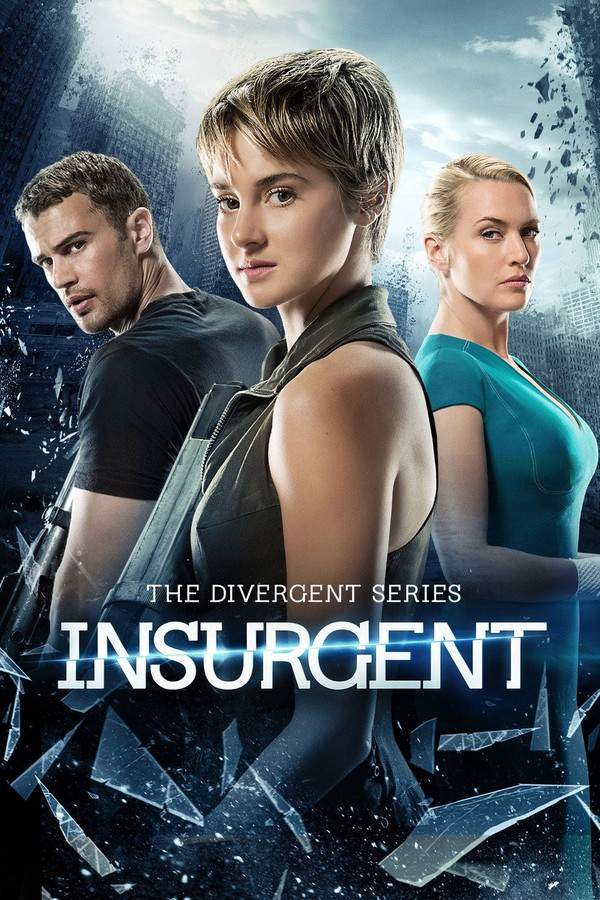
Where the power of music becomes a weapon against tyranny. For viewers who loved the central theme of banned rock music in Kilroy Was Here, this list highlights films where music is a catalyst for rebellion. Discover similar stories where songs and artists challenge oppressive systems, blending sci-fi, drama, and the defiant energy of rock and roll.

  • rebellious
  • dystopian
  • music
  • defiant
  • tense
  • youth activism
  • Tone: tense, rebellious, hopeful
  • Pacing: fast, energetic
Why these movies?

The story pattern: The narrative pattern centers on a cultural crackdown where music is outlawed. A musician or fan becomes a symbol of resistance, using performances and the spirit of rock to inspire a movement. The conflict is as much about ideological control as it is about physical rebellion, often featuring themes of youth activism and framed protagonists.

Why they belong together: These films are united by the unique fusion of dystopian sci-fi with the rebellious energy of music. They share a specific thematic focus on censorship, the power of art as protest, and a tone that blends tense oppression with the hopeful, defiant spirit of rock.

Every angle

Kilroy Was Here (1983) Explained: Plot, Timeline & Characters

Everything about Kilroy Was Here in one place: what happens in the plot summary, the timeline in chronological order, the characters and meaning and a spoiler-free summary. What's After the Movie adds the cast, box office and post-credit scenes.

Coming soon on iOS and Android

The Plot Explained Movie Summary App

Plot summaries, endings explained and timelines on your phone. Catch up on any movie in minutes, save your favorites and never miss a twist again.

Be the first to know when we launch. Your email stays private, always.

Learn more about the app