Plot Explained Spoilers guaranteed!
Plot Explained

Browse by genre

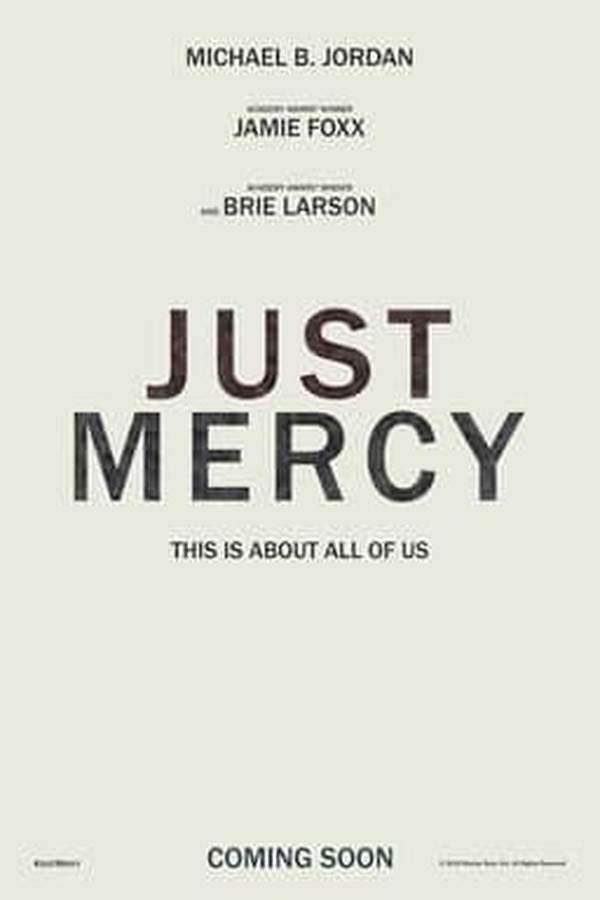
Just Mercy (2019) movie poster

Ending Explained

Just Mercy (2019) Ending Explained – Final Scene & Meaning

Release, runtime and language
2019 · 137 min · English
Echo score 75
Loading streaming availability…
Directed by
Destin Cretton
Starring
Brie Larson, Jamie Foxx, Michael B. Jordan, Andrene Ward-Hammond, O'Shea Jackson Jr., Rob Morgan
Budget
$25M

A gifted lawyer, Bryan Stevenson, forsakes a promising career to champion the rights of those wrongly accused or denied justice in Alabama. Partnering with local advocate Eva Ansley, he takes on the case of Walter McMillian, a man sentenced to death despite compelling evidence proving his innocence. Stevenson and Ansley face significant challenges as they fight to overturn the conviction and expose the flaws in the justice system, determined to secure Walter’s freedom and reveal the truth.

On this page (8)
  1. 1 Where to watch
  2. 2 What happens at the end
  3. 3 Final events in order
  4. 4 Ending questions answered
  5. 5 The book behind the movie
  6. 6 Movie threads
  7. 7 Movies like Just Mercy
  8. 8 Every angle
Loading streaming availability…

Ending explained · contains spoilers

What Happens at the End of Just Mercy?

How Just Mercy (2019) ends, what the final scene means, which earlier moments set it up and how to read the ending if the film leaves it open. The full ending explained, with every spoiler.

At the end of Just Mercy, Bryan Stevenson’s relentless efforts lead to the exoneration of Walter McMillan, who has been wrongly imprisoned for nearly five years due to a deeply flawed and racially biased justice system. The film concludes with a sense of hope, suggesting that despite systemic injustices, there are mechanisms—like dedicated advocates and legal checks—that can eventually correct wrongful convictions. McMillan’s case is a powerful reminder of these possibilities, and his eventual freedom symbolizes the potential for justice to triumph over prejudice when someone fights tirelessly on behalf of the innocent.

However, the film also subtly underscores a darker reality: the death penalty remains a cruel and unjust practice, especially considering that wrongful convictions can and do lead to executions. The only person executed in the film, Herbert Richardson, is depicted as a tragic figure whose mental health issues, exacerbated by his wartime trauma, contributed to his crime. His execution, portrayed with emotional weight, emphasizes the inhumanity of capital punishment and the systemic errors it facilitates. The film’s final message about the death penalty is complex—while it condemns the practice as cruel and flawed, it also shows that the only actual execution shown was of a guilty man, raising questions about justice and morality. This duality leaves viewers contemplating whether the legal system truly delivers justice or perpetuates brutality.

Ultimately, Just Mercy invites audiences to reflect on the ongoing racial and procedural injustices within the American legal system. It highlights how systemic biases and failures have wrongfully condemned innocent people like McMillan, demonstrating that reform is necessary. Yet, it also subtly conveys that progress is possible through perseverance and advocacy, even if the broader system remains deeply flawed. The closing statistic—that one person is exonerated for every nine executions—reminds viewers of the grave risks of capital punishment and the many innocent lives that are vulnerable within this unjust system. The film’s hopeful yet sobering ending urges us to remain vigilant and committed to meaningful change, acknowledging that while justice can sometimes be achieved, many stories of wrongful conviction and systemic failure continue to unfold behind the scenes.

Last updated: June 25, 2025 at 08:58

Was this helpful?

The last 4 events

How Just Mercy Ends: The Final Events in Order

The last events of Just Mercy (2019) in chronological order, the run-up to the ending explained above. The complete timeline has all 15 events, scene by scene.

Open the full timeline
  1. Overturning McMillian's conviction

    A triumphant courtroom scene unfolds as Walter McMillian's conviction is overturned, a moment of justice long overdue. His emotional reunion with family highlights the toll of wrongful incarceration and the fight for justice.

    Where
    Courtroom in Alabama
  2. Continuing the fight for justice

    The story concludes with Stevenson and Ansley continuing their efforts to seek justice for wrongfully convicted individuals. Their relentless dedication emphasizes the ongoing battle against systemic injustices in the legal system.

    Where
    Alabama
  3. Stevenson's success in freeing Anthony Ray Hinton

    Further showcasing his dedication, Stevenson successfully helps Anthony Ray Hinton secure his freedom after years on death row. This achievement reinforces the ongoing mission to address flaws in the justice system.

    Where
    Alabama
  4. The legacy of Walter McMillian

    Walter McMillian remains a significant part of Bryan Stevenson's life until his passing in 2013. Subsequent investigations unveil more evidence of McMillian's innocence, leaving the case partially unresolved while reinforcing the necessity for justice.

    When
    2013
    Where
    Alabama

Ending questions answered

Just Mercy Ending: Your Questions Answered

The questions people ask most about the ending of Just Mercy (2019): what the final scene means, how the twist works, what happens to each character and how to read the ending. Each answer contains spoilers.

Q1

Does Walter McMillan get released at the end of Just Mercy?

Yes, Walter McMillan is exonerated and released at the end of Just Mercy. After nearly five years of wrongful imprisonment on death row, Bryan Stevenson's persistent legal efforts successfully prove his innocence. The film concludes with McMillan walking free, symbolizing a rare victory against a deeply flawed justice system.

Foreshadowing: Earlier scenes establish the racial bias and evidentiary failures that led to McMillan's wrongful conviction, making his eventual exoneration feel hard-won.

  • walter mcmillan exoneration
  • release
  • death row
  • freedom
Q2

What happens to Herbert Richardson in Just Mercy?

Herbert Richardson is executed in the film's most emotionally devastating scene. Despite suffering from severe PTSD and mental illness stemming from his wartime experiences, Richardson is put to death by the state. His execution highlights the film's central critique of capital punishment as a system that can kill both the innocent and the mentally vulnerable.

Foreshadowing: Richardson's deteriorating mental state and traumatic backstory are introduced earlier, building toward the tragic inevitability of his fate.

  • herbert richardson
  • execution
  • death penalty
  • ptsd
  • mental illness
Q3

What does Just Mercy say about the death penalty?

Just Mercy delivers a powerful condemnation of the death penalty. The film shows how the system can execute people like Richardson who have mental health issues, while also allowing innocent people like McMillan to sit on death row for years. The ending statistic, that one person is exonerated for every nine executions, underscores the irreversible danger of capital punishment.

Foreshadowing: The film consistently highlights systemic failures in death penalty cases throughout, building toward this critique.

  • death penalty
  • capital punishment
  • critique
  • systemic failure
Q4

Is the real killer of the murder victim ever caught in Just Mercy?

No, the true murderer of the victim in Walter McMillan's case is never brought to justice in the film. While McMillan is exonerated and released, the actual perpetrator remains unpunished. This unresolved detail adds to the bittersweet nature of the ending, showing that even victories can be incomplete.

Foreshadowing: Early in the film, evidence suggests someone other than McMillan committed the murder, but this thread is never fully resolved.

  • real killer
  • true murderer
  • unresolved
  • justice
Q5

Why is the ending of Just Mercy considered bittersweet?

The ending is bittersweet because while Walter McMillan finally gains his freedom after nearly five years, the film does not present this as a complete victory. The true killer was never caught, Herbert Richardson was executed despite his mental illness, and the systemic racism that condemned McMillan remains largely unchanged. The hope is tempered by the acknowledgment that many similar cases continue unresolved.

Foreshadowing: The film's earlier tension between hope for justice and the reality of systemic oppression sets up this complex emotional resolution.

  • bittersweet
  • ending
  • emotional
  • freedom
  • systemic racism
Q6

What does the final statistic in Just Mercy mean?

The closing statistic, that one person is exonerated for every nine executions, reveals the terrifying reality of capital punishment. It means that for every innocent person saved from execution, nine others have been killed, potentially including other innocent people. This stark number serves as the film's final warning about the irreversible consequences of a flawed death penalty system.

Foreshadowing: This statistic builds on earlier cases shown in the film that highlight how close the system came to executing the wrong people.

  • statistic
  • exoneration
  • execution
  • capital punishment
  • risk
Q7

Does Bryan Stevenson succeed in Just Mercy?

Yes, Bryan Stevenson achieves his primary goal of freeing Walter McMillan. His relentless dedication to the case ultimately overturns the wrongful conviction and secures McMillan's release. However, the film makes clear that this individual victory does not erase the broader systemic problems, and Stevenson's work continues beyond this single case.

Foreshadowing: Stevenson's determination is established early, with repeated setbacks that make his eventual success feel earned.

  • bryan stevenson
  • success
  • victory
  • advocate
  • legal fight
Q8

What is the message about racial justice at the end of Just Mercy?

The ending conveys that while racial bias deeply infects the American justice system, dedicated advocates can sometimes overcome it. McMillan's case exposes how racial prejudice led to his wrongful conviction, yet his exoneration proves that change is possible. The film urges continued vigilance and effort against systemic racism, suggesting progress requires persistent fighting for justice.

Foreshadowing: Throughout the film, explicit examples of racial bias in McMillan's trial and conviction set up this thematic conclusion.

  • racial justice
  • systemic racism
  • bias
  • discrimination
  • reform
Q9

Was Herbert Richardson guilty or innocent in Just Mercy?

Herbert Richardson is depicted as guilty of the crime that led to his execution, he set the fire that killed a child. However, the film argues his execution is still unjust because his severe mental illness, exacerbated by Vietnam War trauma, diminished his moral culpability. His case illustrates how the death penalty can be applied inhumanely to vulnerable individuals.

Foreshadowing: Richardson's traumatic flashbacks and mental deterioration are shown throughout the film, contextualizing his crime.

  • herbert richardson
  • guilty
  • mental illness
  • ptsd
  • crime
Q10

How long was Walter McMillan in prison before his release?

Walter McMillan spent nearly five years wrongfully imprisoned on death row before being exonerated. His imprisonment lasted from his 1986 conviction through his 1993 release, representing the bulk of a decade lost to a racially biased justice system.

Foreshadowing: The film establishes the long, grueling timeline of his case from the beginning.

  • years
  • imprisonment
  • prison
  • death row
  • time
Q11

Does the ending of Just Mercy suggest the justice system can be reformed?

The ending offers cautious hope, suggesting that the justice system can correct its own errors when dedicated advocates fight hard enough. McMillan's exoneration proves that legal checks and passionate defenders can sometimes deliver justice. However, the film is clear that this possibility does not excuse the system's many failures, and meaningful reform remains necessary.

Foreshadowing: Earlier scenes showing both the system's resistance to change and moments of progress establish this nuanced view.

  • hope
  • reform
  • justice system
  • advocacy
  • change

Movie threads

More Movies Like Just Mercy, by Mood & Story

Curated lists built around what makes Just Mercy tick: the same mood, the same kind of story or the same emotional payoff. Each list explains why these movies belong together.

True Stories of Fighting Injustice like Just Mercy

Gripping true stories of individuals fighting against a corrupt system. For viewers seeking movies like Just Mercy, this list features powerful dramas based on true events. These films share a focus on social justice, legal battles against systemic corruption, and the inspiring perseverance of individuals determined to expose the truth, offering a similar tense and hopeful viewing experience.

  • gripping
  • urgent
  • hopeful
  • outraged
  • sobering
  • inspiring
  • Tone: tense, hopeful, sobering
  • Pacing: steady, procedural
Why these movies?

The story pattern: These narratives typically follow a protagonist, often a lawyer, journalist, or activist, as they methodically investigate a grave injustice. They face institutional resistance and personal risk, building their case piece by piece against a steady, procedural pacing. The climax is not an action set piece but a legal or moral victory that, while significant, often underscores the ongoing nature of the systemic problem.

Why they belong together: They are grouped by their shared foundation in real events, their focus on exposing corruption or bias within powerful systems, and their emotionally heavy tone that balances tense, high-stakes drama with a thread of hopeful determination.

Movies with Bittersweet Endings like Just Mercy

Stories where a hard-won success is shadowed by lasting scars. If you liked the poignant ending of Just Mercy, this collection features dramas where the emotional journey leads to a bittersweet conclusion. These films deliver a sense of hard-earned hope or justice, but also honestly address the lasting pain and unresolved issues, resulting in a powerfully realistic and heavy emotional impact similar to Just Mercy.

  • bittersweet
  • sobering
  • heavy
  • hopeful
  • melancholic
  • cathartic
  • Tone: bittersweet, heavy, sobering
  • Pacing: steady, character-driven
Why these movies?

The story pattern: The journey in these films involves overcoming immense obstacles, often life-and-death struggles, leading to a pivotal success for the main characters. However, the resolution deliberately highlights what was lost along the way or the broader problems that remain unsolved. This narrative pattern emphasizes realism and emotional complexity over a simple, happy ending.

Why they belong together: They are united by their shared emotional arc: a blend of hope and sorrow, triumph and tragedy. The dominant mood is heavy, and the endings are specifically crafted to be bittersweet, leaving the viewer with a mix of relief and sober reflection.

If you liked this

Movies Like Just Mercy

Similar movies to Just Mercy: the same genre, themes or kind of story. Each one comes with its own plot summary, timeline and ending explained.

Browse all movie summaries

Every angle

Just Mercy (2019) Explained: Plot, Ending, Timeline & Characters

Everything about Just Mercy in one place: what happens in the plot summary, the timeline in chronological order, the characters and meaning, the ending explained and a spoiler-free summary. What's After the Movie adds the cast, box office and post-credit scenes.

Coming soon on iOS and Android

The Plot Explained Movie Summary App

Plot summaries, endings explained and timelines on your phone. Catch up on any movie in minutes, save your favorites and never miss a twist again.

Be the first to know when we launch. Your email stays private, always.

Learn more about the app