Plot Explained Spoilers guaranteed!
Plot Explained

Browse by genre

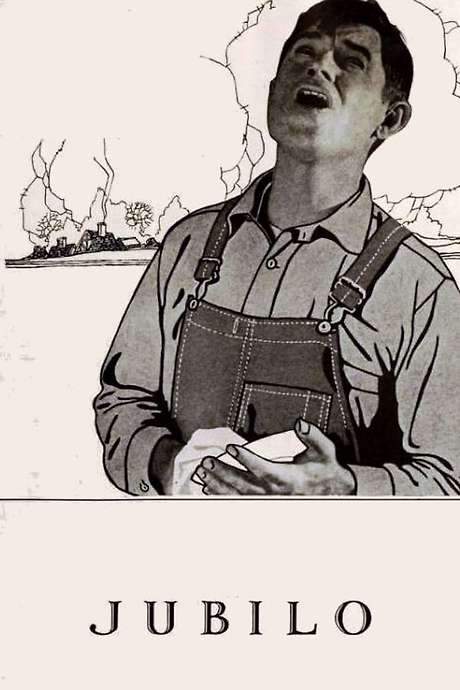
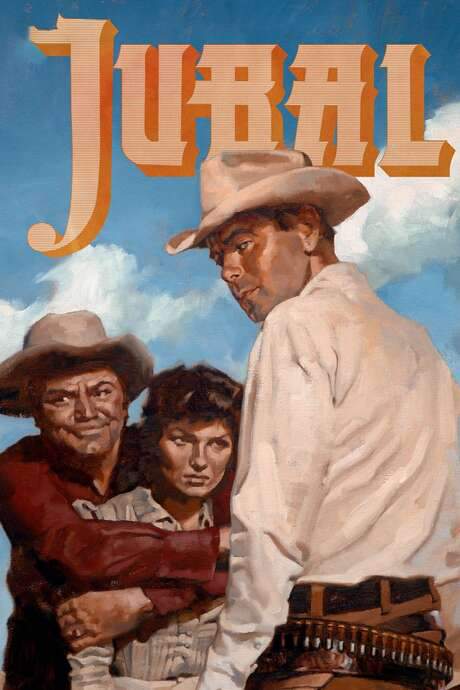
Jubal (1956) movie poster

Characters & Themes

Jubal (1956) Characters, Setting & Themes Explained

Release, runtime and language
1956 · 100 mins · English
Loading streaming availability…
Directed by
Delmer Daves
Starring
Ernest Borgnine, Rod Steiger, Jack Elam, Charles Bronson, Noah Beery Jr., Glenn Ford

A sometimes violent tale of a drifting cowhand, Jubal Troop is discovered in a weakened state, horse‑less, and taken in by Shep Horgan at his sprawling ranch. There he quickly clashes with foreman Pinky, a cattleman who derides Jubal, insisting he reeks of sheep, setting the stage for tension and conflict.

On this page (8)
  1. 1 Where to watch
  2. 2 Characters explained (6)
  3. 3 Where & when it takes place
  4. 4 Themes & meaning (3)
  5. 5 Character & meaning questions
  6. 6 Movie threads
  7. 7 Movies like Jubal
  8. 8 Every angle
Loading streaming availability…

6 main characters · contains spoilers

Jubal Characters Explained: Who Is Who

The main characters of Jubal (1956), heroes and villains: what drives them, how they change over the course of the story and what each of them reveals about the film's bigger ideas.

  • Jubal Troop (Glenn Ford)

    A capable, principled drifter who becomes the ranch foreman and moral center of the story. Jubal navigates loyalty, danger, and his growing feelings for Naomi while trying to maintain peace between the rawhiders and the ranch hands. He resists Pinky’s intimidation and fights for the travelers’ right to stay, even as his own safety is threatened.

    • 🤠 Cowboy
    • 🛡️ Protector
    • 🕊️ Loyal
  • Shep Horgan (Ernest Borgnine)

    A powerful, insecure ranch owner whose jealousy drives his suspicion and abuse. He presides with an iron hand, and his volatile temper leads to deadly consequences when Jubal challenges him. His fragile pride makes him quick to blame others, escalating the conflict.

    • 🏜️ Ranch Owner
    • 🗣️ Controlling
    • 💢 Jealous
  • Pinky (Rod Steiger)

    A violent, opportunistic cowhand who resents Jubal’s rise and fixates on Mae. He manipulates others to buttress his own power and uses fear to rally the town against Jubal. Pinky’s brutality and reckless ambition drive much of the town’s desire for vengeance.

    • 🤠 Cowboy
    • ⚔️ Violent
    • 🪤 Manipulative
  • Mae Horgan (Valerie French)

    Shep’s attractive wife who becomes entangled with Jubal. Mae’s silence about the affair and her vulnerability under Pinky’s threats increase the stakes for everyone involved. She is dying in a barn and provides crucial truth to the posse.

    • 💃 Wife
    • 🧭 Caught in Conflict
    • 💔 Vulnerable
  • Naomi Hoktor (Felicia Farr)

    A young woman from the wagon train who becomes an ally to Jubal. She and the rawhiders form a fragile community, and Naomi’s trust helps Jubal survive the mob’s pursuit. She ultimately joins Jubal in a plan to escape together with Reb.

    • 🌾 Traveler
    • 🛡️ Ally
    • 💫 Hope
  • Reb (Charles Bronson)

    A drifting loner who attaches himself to the wagon train and becomes Jubal’s ally. Reb pilots support and practical help, reinforcing Jubal’s network of loyalty. His presence helps Jubal navigate danger and outsmarten Pinky and the mob.

    • 🧭 Drifter
    • 🤝 Ally
    • 🗡️ Steady

Last updated: October 04, 2025 at 14:49

Was this helpful?

Setting

Where and When Does Jubal Take Place?

The setting of Jubal (1956): the year and time period, the places and locations, and how they shape the characters, the mood and the tension of the story.

Time period

Late 19th century

The story unfolds during the late 19th-century American frontier, a period of cattle ranching, wagon trains, and small-town justice. Communities along dusty trails confront threats from within and without as loyalties shift between ranchers, travelers, and drifters. The era’s rough norms and informal codes shape how characters respond to conflict, suspicion, and violence.

Location

Horgan Ranch, Frontier Town

The action centers on a rugged ranch run by Shep Horgan in the American West, with the surrounding countryside serving as a frontier backdrop. A traveling wagon train and a nearby town provide contrast to the ranch work, creating a tension between settled life and nomadic outsiders. The setting shifts between the ranch, the accompanying camp, and the dusty streets of the town, underscoring the rough, law-light atmosphere of the era.

  • 🏜️ Western Frontier
  • 🐴 Ranch Life
  • 🏙️ Frontier Town

Last updated: October 04, 2025 at 14:49

Was this helpful?

3 major themes

Jubal Meaning: Themes & Message Explained

What is Jubal (1956) really about? The emotional, social and philosophical themes the film keeps returning to, its symbolism and the message beneath the surface.

  • Justice

    Justice in Jubal is fragile and performative, often mediated by fear and reputation rather than due process. The killing of Horgan by Jubal triggers a town-wide hunt that tests loyalties and foreshadows mob rule. Mae's dying confession later complicates who deserves moral resolution, suggesting truth and loyalty matter more than swift punishment. The ending implies that genuine justice arises from honesty within a community, not from crowds seeking vengeance.

  • Jealousy

    Pinky’s jealousy over Mae drives much of the early conflict, fueling his manipulation and aggression. Mae’s affection for Jubal and her decision to keep quiet about the affair intensify Pinky’s rage and justify his violent actions. The film shows how possessive desire can destabilize a community and push characters toward drastic, destructive choices. Jealousy thereby acts as the fuel for the ensuing violence.

  • Violence

    Violence functions as the engine of the plot, erupting in the saloon confrontation and the killing of Horgan. Pinky’s brutality toward Mae and his later mobilization of a posse demonstrate how quickly civil order dissolves into force. The mob's pursuit of Jubal and the looming threat of hanging Pinky highlight frontier justice's brutal, uncertain nature. The violence culminates in a fragile peace, achieved only through truth-telling and reluctant alliances.

Last updated: October 04, 2025 at 14:49

Was this helpful?

Character & theme questions

Jubal Characters & Meaning: Your Questions Answered

The questions people ask about Jubal (1956): who the characters really are, their relationships, what the symbols mean, where it takes place and what the movie is really about. Each answer contains spoilers.

Q1

Where is the story set?

The film takes place on a rugged ranch in the American West, with scenes shifting between Shep Horgan's ranch, a frontier town, and a traveling wagon train camp. The setting emphasizes the rough, law-light atmosphere of the frontier era.

  • setting
  • ranch
  • frontier
  • western
  • location
Q2

What time period is depicted?

The story unfolds during the late 19th-century American frontier, a period defined by cattle ranching, wagon trains, and informal town justice. The era's rough norms and codes shape how characters respond to conflict and violence.

  • time period
  • late 1800s
  • frontier era
  • historical setting
Q3

What is the movie about at its core?

Jubal explores themes of jealousy, violence, and fragile justice on the American frontier. The story examines how possessive desire destabilizes a community and how truth ultimately prevails over mob rule and vengeance.

  • themes
  • jealousy
  • violence
  • justice
  • meaning
Q4

Who is Jubal Troop?

Jubal Troop is a capable, principled drifter who is taken in by ranch owner Shep Horgan. He rises to become the foreman and serves as the moral center of the story, navigating loyalty, danger, and his growing feelings for Naomi while trying to maintain peace.

  • jubal
  • main character
  • protagonist
  • drifter
Q5

Who is Pinky and what role does he play?

Pinky is a violent, opportunistic cowhand who resents Jubal's rise to foreman and fixates on Mae Horgan. He manipulates others and uses fear to rally the town against Jubal, his brutality and reckless ambition driving much of the conflict.

  • pinky
  • antagonist
  • villain
  • cowhand
Q6

What does the film say about justice?

The film portrays frontier justice as fragile and often performative, mediated by fear and reputation rather than due process. The ending suggests that genuine justice arises from honesty within a community, not from crowds seeking vengeance.

  • justice
  • mob rule
  • frontier justice
  • truth
  • vengeance
Q7

Who are the key characters?

The key characters include Jubal Troop (the principled drifter who becomes foreman), Shep Horgan (the insecure ranch owner), Pinky (the manipulative antagonist), Mae Horgan (Shep's wife), Naomi Hoktor (the wagon train traveler who becomes Jubal's ally), and Reb (a drifter who supports Jubal).

  • characters
  • cast
  • roles
  • main characters
Q8

How does violence function in the story?

Violence serves as the engine of the plot, erupting in confrontations and driving the narrative. The film shows how quickly civil order dissolves into force on the frontier, with the mob's pursuit of Jubal highlighting justice's brutal, uncertain nature.

  • violence
  • conflict
  • frontier
  • brutality
Q9

What kind of world does Horgan's ranch represent?

Horgan's ranch represents a law-light frontier world where reputation and fear mediate relationships. The tension between settled ranch life and nomadic outsiders creates a volatile environment where loyalty shifts quickly and violence lurks just beneath the surface.

  • horgan ranch
  • frontier world
  • lawless
  • reputation
Q10

Who is Naomi Hoktor?

Naomi Hoktor is a young woman from the wagon train who becomes an ally to Jubal. She and the rawhiders form a fragile community, and her trust helps Jubal survive the mob's pursuit. She ultimately joins Jubal in escaping with Reb.

  • naomi
  • ally
  • wagon train
  • romance
Q11

How does jealousy drive the conflict?

Pinky’s jealousy over Mae fuels his manipulation and aggression throughout the film. Mae’s affection for Jubal and her silence about the affair intensify Pinky’s rage, pushing him toward drastic, destructive choices that destabilize the entire community.

  • jealousy
  • motive
  • conflict
  • Pinky Mae

Movie threads

More Movies Like Jubal, by Mood & Story

Curated lists built around what makes Jubal tick: the same mood, the same kind of story or the same emotional payoff. Each list explains why these movies belong together.

Westerns of Wrongful Accusation and Manhunts like Jubal

Brooding tales of loners caught in webs of lies, facing wrongful accusations. This collection features movies like Jubal, where the tension comes from personal betrayal and false accusations rather than large-scale conflicts. If you liked the grim, character-driven suspense of Jubal, you'll find similar stories about loners fighting for justice against overwhelming odds in a harsh Western landscape.

  • tense
  • grim
  • melancholic
  • lonely
  • anxious
  • oppressive
  • Tone: tense, grim, melancholic
  • Pacing: steady, escalating
Why these movies?

The story pattern: The narrative typically follows a drifter or outsider who is accepted into a community or ranch, only to become the target of malicious rumors and schemes. A central false accusation—often of murder or theft—triggers a violent manhunt, forcing the protagonist to flee or clear their name while navigating complex, morally ambiguous relationships.

Why they belong together: Movies are grouped here for their shared focus on a high-stakes personal crisis within the Western genre. They share a heavy emotional weight, a tense and often melancholic tone, and a plot driven by betrayal and the pursuit of justice in a world quick to judge.

Claustrophobic Ranch and Family Dramas like Jubal

Stories where enclosed settings become pressure cookers for jealousy and violence. Explore more movies like Jubal that use a confined setting to amplify tension between characters. These films focus on the destructive power of jealousy and manipulation within a small group, leading to a heavy, dramatic story with a steady build-up to a violent climax, perfect for viewers who enjoyed the intense interpersonal conflicts in Jubal.

  • oppressive
  • anxious
  • claustrophobic
  • tense
  • dramatic
  • melancholic
  • Tone: oppressive, anxious, tense
  • Pacing: steady, slow burn
Why these movies?

The story pattern: The plot unfolds within a limited social sphere, often centered on a family or work unit. A new arrival disrupts a fragile balance, awakening bitter rivalries and illicit desires. The tension builds steadily through psychological games and verbal sparring, rather than action, until the repressed emotions erupt into physical confrontation or tragedy.

Why they belong together: These movies are connected by their oppressive, anxious mood and their use of a closed setting to create a sense of inescapable doom. They share a high intensity derived from character conflict, a steady pacing that allows tension to simmer, and themes of dysfunctional relationships and betrayal.

If you liked this

Movies Like Jubal

Similar movies to Jubal: the same genre, themes or kind of story. Each one comes with its own plot summary, timeline and ending explained.

Browse all movie summaries

Every angle

Jubal (1956) Explained: Plot, Timeline & Characters

Everything about Jubal in one place: what happens in the plot summary, the timeline in chronological order, the characters and meaning and a spoiler-free summary. What's After the Movie adds the cast, box office and post-credit scenes.

Coming soon on iOS and Android

The Plot Explained Movie Summary App

Plot summaries, endings explained and timelines on your phone. Catch up on any movie in minutes, save your favorites and never miss a twist again.

Be the first to know when we launch. Your email stays private, always.

Learn more about the app