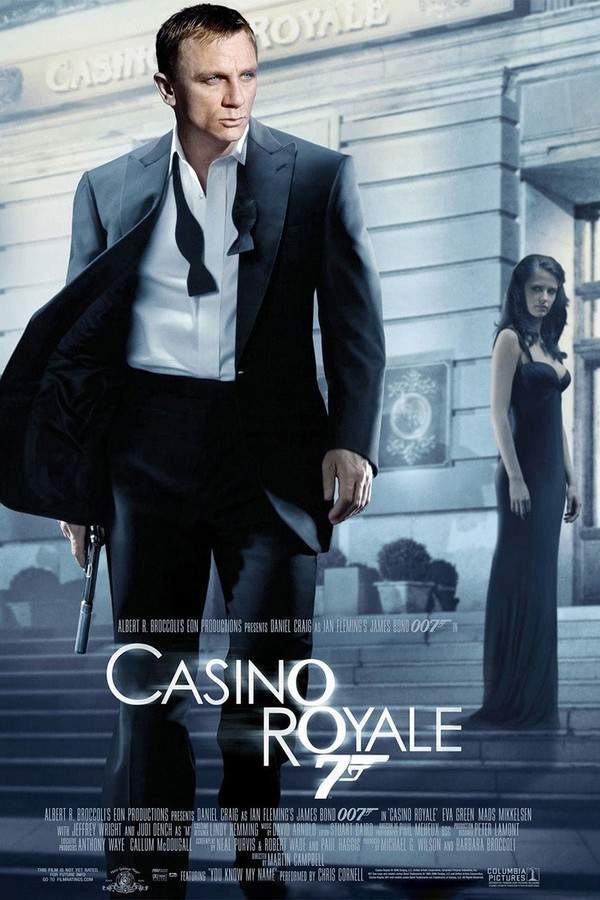
A Mexican musical answer to the French film Emilia Pérez, it playfully depicts the everyday lives of French people in Mexico. The film celebrates—and satirizes—French culinary staples like baguettes, croissants and pungent cheeses, while humorously confronting the challenges of skipping daily showers.
Warning: spoilers below!
Haven’t seen Johanne Sacreblu yet? This summary contains major spoilers. Bookmark the page, watch the movie, and come back for the full breakdown. If you're ready, scroll on and relive the story!
Read the complete plot breakdown of Johanne Sacreblu (2025), including all key story events, major twists, and the ending explained in detail. Discover what really happened, and what it all means.
Johanne Sacreblu, Camila Aurora González a trans woman formerly known as Jonathan Sacreblu, returns to Villa Croissant—a picturesque French town—from a stint as a rancher in Mexico. Her family, who run France’s largest baguette shop and have appointed Johanne as their heir, grow furious at her transition, fearing it would look bad for the business even as she insists she does not want the role. The Sacreblu family’s rival, the Ratatouille family, who run France’s largest croissant shop, berate their son Yeylan Torres Agtugo, a trans man, for being born a woman. Both households decide to settle their feud through a bread-making competition.
That night, Johanne talks to her friend Emily and Marie Antoinette’s ghost about her reluctance toward the contest and her discomfort with France’s pervasive discrimination. The next day brings the first round, hosted by Ladybug and Cat Noir, where Johanne and Agtugo are pitted against each other in a footrace to the Eiffel Tower (screened as a tower resembling a radio mast in Mexico City). Johanne emerges victorious, while Agtugo is publicly scorned by his family for losing. Later that night, a man named Jacques Audiard laments being treated like garbage.
Johanne and Agtugo meet again, sharing a vow to combat racism and sexism in their country. The pair fall in love and plan to tie in the next round, which involves a controversial goal: deporting Muslims to spread their message. They do tie during the round, but government leaders refuse to accept the result and demand a baguette duel to the death.
The duel unfolds in the style of a silent film. When Johanne and Agtugo refuse to duel publicly, French ambassador Papa Johns arrives with Agtugo’s brother Chofls and Johanne’s family butler Wigles, threatening to kill them with French fries. After he stabs Agtugo, Johanne reveals that Papa Johns is controlled by a rat on his head. Papa Johns admits this, explaining that he uses the rat’s secrets for evil. Wigles then kills Papa Johns, revealing that his willingness to work with him stemmed from Stockholm syndrome.
Sometime later, Johanne is interviewed about the incident. She reveals a gift from Mexico—the cake she brought back—and the film ends with a freeze-frame as she prepares to slam the cake into the interviewer’s face. In a post-credits scene, Johanne’s mother finishes recounting the story to Johanne and Agtugo’s son, tenderly singing a song about how bad he smells (a satirical nod to a famous song about a father’s scent).
Last updated: October 01, 2025 at 10:23
Explore frequently asked questions about Johanne Sacreblu (2025) with spoiler-rich answers covering the full plot summary, major story beats, character motivations, hidden details, and ending meaning. This movie summary FAQ helps explain confusing scenes, plot twists, and narrative decisions in clear, searchable detail.
Johanne's family owns France's largest baguette shop and has appointed her as heir. They fear her transition will damage the family's business reputation, as they believe customers will view them negatively. This reflects the film's critique of shallow social image prioritised over family bonds. Despite Johanne insisting she does not want the heir role anyway, their obsession with appearances drives their fury.
The family's reaction establishes early on that their values centre on business reputation rather than acceptance, setting up the conflict that fuels the competition.
The competition is a fictional nationwide contest between the Sacreblu family (baguettes) and their rivals the Ratatouille family (croissants). Both households agree to settle their longstanding feud through this competition. It matters because the winner gains dominance over France's bread industry, but it also becomes a battleground for personal legitimacy and family honour.
The competition format mirrors real-world business rivalries while providing the absurdist structure for the film's escalating challenges.
After meeting privately, Johanne and Agtugo discover shared values, they both want to fight racism and sexism in France. This connection sparks romance between them. They agree to intentionally tie in the next round as a unified act of rebellion against the discriminatory systems represented by their families and the competition itself.
Their private vow to eradicate discrimination foreshadows their joint challenge to the establishment in later rounds.
During their tied round, Johanne and Agtugo publicly propose deporting Muslims as part of their platform. This is presented as a provocative reform message, but it serves the film's satirical purpose, exposing how political manipulation and xenophobia can hijack even personal rivalries. The shocking proposal triggers the government leaders to demand the fatal baguette duel, escalating the stakes.
This extreme proposal reveals how the competition has become a vehicle for dangerous political extremism rather than mere family rivalry.
Papa Johns, the French ambassador, is revealed to be controlled by a rat sitting on his head. During the duel confrontation, Johanne exposes this control, and Papa Johns admits he uses the rat's secrets for evil purposes. This surreal element embodies the film's whimsical tone while showing that external forces manipulate those in power.
The rat's presence was hinted at through Papa Johns' erratic behaviour and mysterious authority throughout the competition.
Wigles is Johanne's family butler who accompanies Papa Johns to the duel arena. When Papa Johns is killed, Wigles reveals his motive: he suffers from Stockholm syndrome, developed from working alongside Papa Johns. This explains his seemingly contradictory loyalty and adds another layer of absurd psychological commentary to the film.
Wigles' unusual willingness to associate with the antagonist was foreshadowed by his presence at key moments throughout the competition.
Government leaders demand a baguette duel to the death after Johanne and Agtugo's tie. The duel unfolds in silent-film style. When both contestants refuse to fight publicly, Papa Johns arrives with threats. He stabs Agtugo before the rat conspiracy is exposed. The duel becomes a turning point where personal conflict merges with political violence.
The escalating demands throughout the competition built toward this violent confrontation as the only logical endpoint of the feud.
In the post-incident interview, Johanne reveals she brought back a cake from Mexico as a gift. The cake represents her cultural identity bridging both worlds, her Mexican rancher past and her French family present. The film ends with a freeze-frame as she prepares to slam the cake into the interviewer's face, symbolising defiance and rejection of the media's attempts to define her.
The cake symbolises her journey and resistance, with the final act of smashing it representing her rejection of external narratives.
In the post-credits scene, Johanne's mother finishes telling the story to Johanne and Agtugo's son. She sings a tender song mocking how bad he smells, a satirical nod to a famous song about a father's scent. This confirms the couple have a child together and shows the family cycle continues, with the absurd intergenerational jokes persisting.
The existence of their son confirms the romantic relationship will have lasting consequences, continuing the family legacy.
Ladybug and Cat Noir from the French animated series host the first competition round. Their inclusion is a whimsical, surreal element that matches the film's playful tone and Mexican answer to French culture angle. It satirises French pop culture while using recognisable figures to underscore the absurdity of treating a bread competition as a major national event.
Their hosting presence signals early that the film will blend reality with fantasy and French cultural touchstones.
Discover curated groups of movies connected by mood, themes, and story style. Browse collections built around emotion, atmosphere, and narrative focus to easily find films that match what you feel like watching right now.
Playful musicals that tackle serious social issues with humor and surreal charm.Find more movies like Johanne Sacreblu that blend upbeat musical numbers with smart social commentary. These films offer a similar feel, using whimsical humor and romantic subplots to explore themes of discrimination and cultural identity in an accessible, entertaining way.
Stories in this thread often follow characters or communities navigating societal pressures, using music and dance as expressions of defiance and joy. The narrative arcs weave personal journeys of self-discovery with broader, satirical commentary, typically leading to outcomes that celebrate individuality while acknowledging complexity.
These movies are grouped together because they share a unique alchemy of fast-paced musical energy, a whimsical tone, and a focus on using comedy to explore weighty themes, resulting in a viewing experience that is both thought-provoking and delightfully entertaining.
Romantic stories where fantasy elements create a playful yet poignant atmosphere.Discover romantic films similar to Johanne Sacreblu that blend whimsical fantasy with real-world emotional stakes. If you enjoyed the movie's mix of surreal humor, heartfelt romance, and a slightly bittersweet edge, you'll find more captivating stories here.
Narratives in this thread typically involve characters finding love in extraordinary or exaggerated circumstances. The fantastical elements serve to heighten the romantic and comedic moments, but the stories often acknowledge the complications of real life, leading to endings that are hopeful yet mixed, celebrating love while accepting its imperfections.
These films are united by their ability to blend romantic optimism with a whimsical, often fantastical, presentation and a narrative complexity that introduces poignant or bittersweet notes, preventing the story from feeling overly simplistic or saccharine.
Don't stop at just watching - explore Johanne Sacreblu in full detail. From the complete plot summary and scene-by-scene timeline to character breakdowns, thematic analysis, and a deep dive into the ending - every page helps you truly understand what Johanne Sacreblu is all about. Plus, discover what's next after the movie.
Track the full timeline of Johanne Sacreblu with every major event arranged chronologically. Perfect for decoding non-linear storytelling, flashbacks, or parallel narratives with a clear scene-by-scene breakdown.
Discover the characters, locations, and core themes that shape Johanne Sacreblu. Get insights into symbolic elements, setting significance, and deeper narrative meaning - ideal for thematic analysis and movie breakdowns.