Plot Explained Spoilers guaranteed!
Plot Explained

Browse by genre

Jacob Two-Two Meets the Hooded Fang (1978) movie poster

Characters & Themes

Jacob Two-Two Meets the Hooded Fang (1978) Characters, Setting & Themes Explained

Release, runtime and language
1978 · 81 mins · English
Loading streaming availability…
Directed by
Theodore J. Flicker
Starring
Alex Karras, Howard Ryshpan, Victor Désy, Walter Massey, Mary Morter, Thor Bishopric

Jacob’s habit of repeating himself lands him in trouble after a grocery‑store mix‑up and a nap in a park. Accused of insulting a clerk, he’s sent to a children’s prison on Slimer’s Island, run by the hateful ex‑wrestler Hooded Fang. Meanwhile, Child Power agents Intrepid Shapiro and Fearless O’Toole work to locate the hidden island and free the kids.

On this page (8)
  1. 1 Where to watch
  2. 2 Characters explained (12)
  3. 3 Where & when it takes place
  4. 4 Themes & meaning (4)
  5. 5 Character & meaning questions
  6. 6 Movie threads
  7. 7 Movies like Jacob Two-Two Meets the Hooded Fang
  8. 8 Every angle
Loading streaming availability…

12 main characters · contains spoilers

Jacob Two-Two Meets the Hooded Fang Characters Explained: Who Is Who

The main characters of Jacob Two-Two Meets the Hooded Fang (1978), heroes and villains: what drives them, how they change over the course of the story and what each of them reveals about the film's bigger ideas.

  • Jacob Two-Two (Stephen Rosenberg)

    A small, imaginative boy who feels overlooked by his older siblings and parents. He uses wit and persistence to navigate an adult world that underestimates him. Throughout the story, Jacob’s ingenuity, bravery, and stubborn optimism drive the plan to rescue fellow children and challenge the prison’s regime.

    • 🧠 Clever
    • 🧒 Protagonist
    • 🐾 Loyal
  • The Hooded Fang (Alex Karras)

    The intimidating warden of the prison island, a retired wrestler whose fearsome persona masks a deeper vulnerability. He enjoys authority but fears losing his scare factor, which becomes a point of tension as children question his cruelty. His eventual relationship with Jacob reveals that even formidable adults have a softer side when challenged with courage and empathy.

    • 🗡️ Antagonist
    • 🫧 Intimidation
    • 🧩 Complex
  • Mister Fox (Claude Gai)

    Head guard with a sly, conniving edge who escorts Jacob through the prison and participates in the schemes around the toys. He uses manipulation and misdirection, keeping his true motives on a tight leash. His role intensifies as the children strategize to reclaim their freedom and outsmart the guards.

    • 🦊 Cunning
    • 🧭 Guard
    • 🧩 Antagonist
  • Master Fish (Guy L'Ecuyer)

    A guard whose face appears familiar to the shopkeepers Jacob encounters, hinting at a blend of familiar and threatening forms. He participates in the prison routines and the guard hierarchy, contributing to the sense of pervasive control. His presence helps illustrate the merging of everyday life with backward logic inside the prison.

    • 🐟 Guard
    • 🧭 Companion
  • Mistress Fowl (Joy Coghill)

    A female guard who aids the wardens in maintaining order within the prison’s social structure. She embodies the procedural cruelty of institutional power while remaining part of the guard family. Her actions contribute to Jacob’s sense of vulnerability, which he counters with wit and resolve.

    • 🐦 Guard
    • 🗂️ Authority
  • Daniel (John Wildman)

    Jacob’s older brother who initially dismisses him and sets a tone of sibling hierarchy. While dismissive at first, his actions and attitudes reflect the broader family dynamics that shape Jacob’s sense of belonging and resilience. He represents the everyday contrasts between family members within a bustling household.

    • 🧍‍♂️ Brother
    • 🧩 Family
  • Noah (Thor Bishopric)

    Jacob’s brother who, along with Emma, embodies the energetic, protective sibling archetype. He contributes to organizing the rescue as part of The Fearless O'Toole duo. Noah’s willingness to stand up for his brother reinforces the theme of family solidarity and youthful courage.

    • 🧒 Brother
    • 🗺️ Ally
  • Emma (Intrepid Shapiro)

    Jacob’s sister who, with Noah, forms part of the 'Intrepid Shapiro' duo. Her actions symbolize fearless, proactive resistance and the power of sibling coordination. Emma helps drive the plan to free the imprisoned children and defy the prison’s order.

    • 👧 Sister
    • 🛡️ Ally
  • Mr. Cooper / Judge (Earl Pennington)

    A figure of authority who runs the store and presides over the courtroom with a punitive, fast-paced style. His role demonstrates how adults armed with power can overshadow a child’s voice. The courtroom sequence reveals the tension between strict rules and compassionate justice later advocated by Child Power.

    • 🧑‍⚖️ Authority
    • 🛎️ Judge
  • Louis Loser (Victor Désy)

    Jacob’s lawyer in the surreal courtroom sequence, a comic foil whose name underlines the child-centered humor of the story. He embodies the legal system’s pomp while revealing how even adults in positions of power are fallible. His role helps propel Jacob’s defense and the children’s counter-arguments.

    • ⚖️ Lawyer
    • 🗨️ Advocate
  • Father (Walter Massey)

    Jacob's father, seen at home and in the park, a parental figure who offers a mix of ordinary wisdom and gentle curiosity. He encourages Jacob to try new things, like buying ice cream, highlighting the everyday tenderness of family life. His presence grounds the story in a loving, supportive domestic world.

    • 👨 Father
    • 🏡 Family
  • First Mean Lady (Mary Morter)

    An archetype of the cruel adult in Jacob’s world, representing the kind of dismissive authority that the children must confront. Her presence emphasizes the contrast between mature, judgmental adults and the children who challenge them. The character helps establish the playground of power where the themes of courage unfold.

    • 👩 Mean Authority
    • 🧭 Social Pressure

Last updated: October 04, 2025 at 17:46

Was this helpful?

Setting

Where and When Does Jacob Two-Two Meets the Hooded Fang Take Place?

The setting of Jacob Two-Two Meets the Hooded Fang (1978): the year and time period, the places and locations, and how they shape the characters, the mood and the tension of the story.

Time period

Location

Montreal, Prison Island

The story opens in Jacob Two-Two's home in Montreal, anchoring the tale in an urban Canadian setting. The plot soon shifts to a prison island guarded by The Hooded Fang, where smog and oppressive structures create a stark, claustrophobic atmosphere. This city-to-island contrast emphasizes themes of confinement and escape, as children mobilize to challenge authority from within and beyond the walls.

  • 🏙️ City
  • 🗺️ Montreal
  • 🏝️ Island setting

Last updated: October 04, 2025 at 17:46

Was this helpful?

4 major themes

Jacob Two-Two Meets the Hooded Fang Meaning: Themes & Message Explained

What is Jacob Two-Two Meets the Hooded Fang (1978) really about? The emotional, social and philosophical themes the film keeps returning to, its symbolism and the message beneath the surface.

  • Child Power

    Jacob’s siblings form the force known as The Intrepid Shapiro and The Fearless O’Toole, proving that children can mobilize, strategize, and influence outcomes. Their intervention in the courtroom and their loyalty to Jacob show that collective action can shift the balance of power. The jewel-shaped tracking device and their pledge to defend other kids underscore a shared responsibility. The film portrays courage as a communal, imaginative force that challenges adult authority.

  • Voice & Listening

    The story centers on the idea that a child’s voice matters, even when spoken softly. The courtroom scene and the guard’s reactions reveal how listening to kids can destabilize brutal authority. Jacob’s persistence and cleverness demonstrate that thoughtful speech can outwit intimidation. The narrative elevates child perspectives as essential to justice and change.

  • Light Over Darkness

    Smog and shadowing oppression are countered by acts that bring light—literal sun and symbolic truth—into the prison world. The plan to blind the adults with sun and the discovery of the wardens’ vulnerabilities symbolize how truth and courage can dispel fear. The Hooded Fang’s comic earnestness, exposed by the children, shows that brightness can overwhelm intimidation. The climactic turn celebrates clarity over cruelty.

  • Family & Solidarity

    Family bonds drive the plot as Emma, Noah, and Jacob’s father rally around him with support and practical help. The siblings’ teamwork contrasts with the adults’ harsh rhetoric, underscoring that belonging provides resilience. The final park reunion reinforces that love and unity empower the smallest voices. The film frames family as the core source of courage and transformation.

Last updated: October 04, 2025 at 17:46

Was this helpful?

Character & theme questions

Jacob Two-Two Meets the Hooded Fang Characters & Meaning: Your Questions Answered

The questions people ask about Jacob Two-Two Meets the Hooded Fang (1978): who the characters really are, their relationships, what the symbols mean, where it takes place and what the movie is really about. Each answer contains spoilers.

Q1

Where does the story take place?

The movie is set primarily in Montreal, Jacob Two-Two's home city, before shifting to a mysterious prison island called Slimer's Island where the children are held. The contrast between the urban Canadian city and the oppressive island prison emphasizes themes of confinement and escape.

  • montreal
  • prison island
  • slimer's island
  • setting
  • location
Q2

Who is the Hooded Fang?

The Hooded Fang is the intimidating warden of the prison island, played by former professional wrestler Alex Karras. Though he presents himself as a fearsome, cruel authority figure, he is actually a retired wrestler whose tough exterior masks deeper vulnerability. His eventual relationship with Jacob reveals that even formidable adults have a softer side when confronted with courage and empathy.

  • hooded fang
  • warden
  • alex karras
  • prison island
  • authority
Q3

What does Child Power mean in the movie?

Child Power refers to Jacob's siblings Noah and Emma who form a duo called Intrepid Shapiro and Fearless O'Toole. They mobilize to locate the hidden island and free the imprisoned children, proving that children can strategize and influence outcomes through collective action. Their courtroom intervention and loyalty to Jacob show that imaginative teamwork can challenge adult authority.

  • child power
  • intrepid shapiro
  • fearless o'toole
  • siblings
  • teamwork
Q4

What is the message about children being heard?

The film emphasizes that a child's voice matters, even when spoken softly. The courtroom scene demonstrates how listening to kids can destabilize brutal authority. Jacob's persistence and cleverness show that thoughtful speech can outwit intimidation, elevating child perspectives as essential to justice and change.

  • voice
  • listening
  • courtroom
  • child perspective
  • justice
Q5

Who is Jacob Two-Two?

Jacob Two-Two is the young protagonist, played by Stephen Rosenberg, a small and imaginative boy who often feels overlooked by his older siblings and parents. His defining habit is repeating himself twice ('Two-Two') which ultimately leads to his trouble with authorities. Throughout the story, his ingenuity, bravery, and stubborn optimism drive the plan to rescue fellow children and challenge the prison's regime.

  • jacob two-two
  • protagonist
  • stephen rosenberg
  • child hero
Q6

What does the Light Over Darkness theme represent?

The theme represents truth and courage dispelling fear and intimidation. Smog and oppressive shadows in the prison are countered by acts bringing light, both literal (the plan to blind the adults with sun) and symbolic (exposing truth). The Hooded Fang's fearsome persona is revealed as comic earnestness, showing that brightness and clarity can overwhelm cruelty.

  • light
  • darkness
  • truth
  • courage
  • symbolism
  • smog
Q7

What is the prison island environment like?

Slimer's Island is a stark, claustrophobic setting surrounded by smog and oppressive structures. It serves as a children's prison run by the Hooded Fang and his guards. The environment contrasts sharply with Jacob's home in Montreal, emphasizing themes of confinement and the children's determination to escape and challenge authority from within these walls.

  • slimer's island
  • prison
  • environment
  • smog
  • confinement
Q8

How does family play a role in the movie?

Family bonds drive the plot as Jacob's siblings Emma and Noah, along with their father, rally around him with support and practical help. The siblings' teamwork contrasts with the harsh adult rhetoric in the prison. The final park reunion reinforces that love and unity empower the smallest voices, framing family as the core source of courage and transformation.

  • family
  • solidarity
  • siblings
  • father
  • home
  • love
Q9

Who are Intrepid Shapiro and Fearless O'Toole?

Intrepid Shapiro and Fearless O'Toole are the secret identities of Jacob's siblings Emma and Noah, who work as Child Power agents to locate the hidden prison island and free the imprisoned children. Their partnership embodies fearless, proactive resistance and the power of sibling coordination in defying the prison's oppressive order.

  • emma
  • noah
  • child power agents
  • rescue mission
Q10

Is the movie scary or appropriate for young viewers?

The tone is light and whimsical, framing a child's feelings of dismissal as a fantastical adventure rather than dark drama. While there are moments of mild tension during the courtroom scene and imprisonment, the threat from the Hooded Fang is cartoonish, he is ultimately revealed to be a vulnerable figure. The story emphasizes hope, cleverness, and family support, culminating in a reassuring happy ending.

  • tone
  • family movie
  • children
  • appropriate
  • whimsical
  • light

Movie threads

More Movies Like Jacob Two-Two Meets the Hooded Fang, by Mood & Story

Curated lists built around what makes Jacob Two-Two Meets the Hooded Fang tick: the same mood, the same kind of story or the same emotional payoff. Each list explains why these movies belong together.

Whimsical childhood fantasies like Jacob Two-Two Meets the Hooded Fang

Imaginative stories where minor childhood problems transform into epic, playful quests. Discover movies like Jacob Two-Two Meets the Hooded Fang, where small children use their imaginations to turn everyday challenges into grand, fantastical adventures. If you liked its blend of playful fantasy and gentle life lessons, you'll enjoy these imaginative and hopeful family films.

  • whimsical
  • childlike
  • playful
  • imaginative
  • hopeful
  • mildly tense
  • Tone: whimsical, playful, hopeful
  • Pacing: steady, clear
Why these movies?

The story pattern: The narrative follows a straightforward, dream-logic structure, beginning with a child feeling misunderstood or small in the adult world. This feeling quickly blossoms into a rich fantasy scenario where they must overcome a larger-than-life, often comical antagonist. The journey emphasizes courage, cleverness, and ultimately concludes with a reassuring return to safety where the child feels validated.

Why they belong together: Movies in this thread are grouped by their light, whimsical tone and their focus on a child's imaginative interpretation of the world. They share a gentle pacing, a happy ending, and a core theme of reassuring children that their feelings and courage matter, all wrapped in a fantastical, low-stakes adventure.
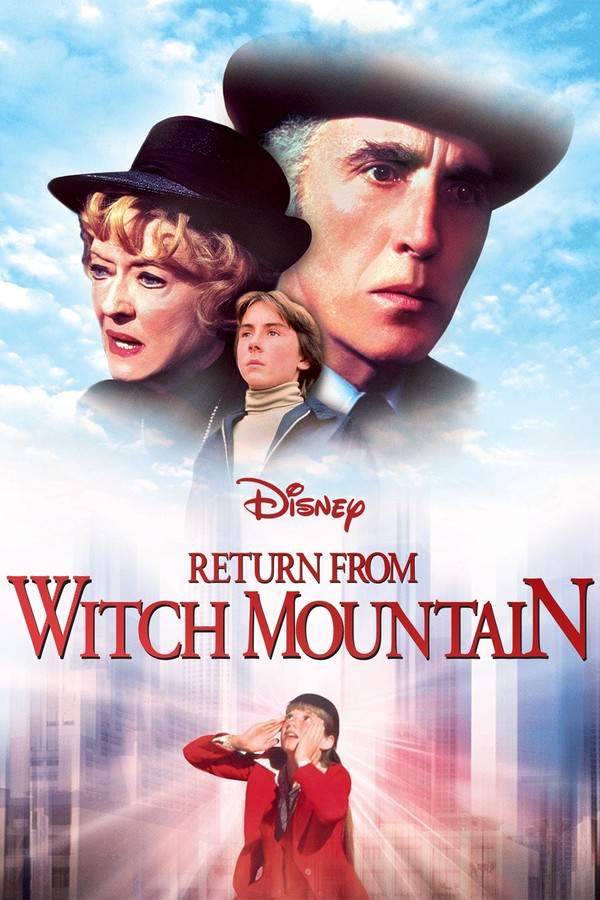
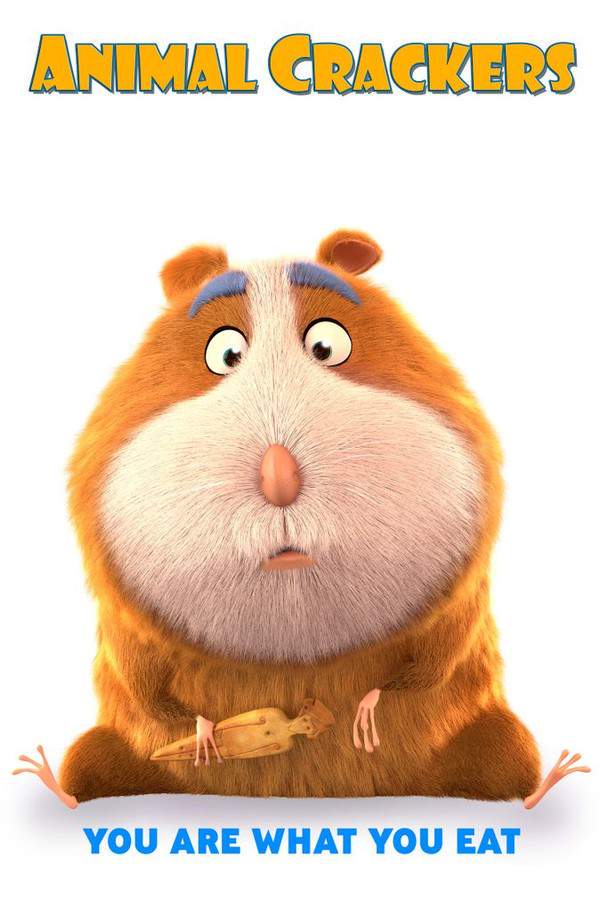
Child-led adventures against authority like in Jacob Two-Two Meets the Hooded Fang

Stories where clever children band together to outsmart unfair adult figures. Find more movies like Jacob Two-Two Meets the Hooded Fang where kids take on unjust adults. These similar stories feature children standing up for themselves and their friends with cleverness and courage, offering exciting but safe adventures about overcoming bullies.

  • hopeful
  • teamwork
  • clever kids
  • standing up for yourself
  • overcoming bullies
  • mildly tense
  • Tone: hopeful, mildly tense, lighthearted
  • Pacing: steady, adventure-driven
Why these movies?

The story pattern: The plot typically involves children being wronged by an unfair adult or system. They are then placed in a confined or challenging situation, often a fantastical version of a prison or oppressive rule. Through collaboration and creative problem-solving, the children expose the weakness or hidden vulnerability of their oppressor, leading to a triumphant victory that restores fairness and fun.

Why they belong together: These films share a core narrative of children overcoming bullies, a light-to-medium intensity level, and a steady pacing that builds to a satisfying climax. The central theme of 'Child Power'—kids working together to solve their own problems—creates a cohesive and empowering viewing experience.

If you liked this

Movies Like Jacob Two-Two Meets the Hooded Fang

Similar movies to Jacob Two-Two Meets the Hooded Fang: the same genre, themes or kind of story. Each one comes with its own plot summary, timeline and ending explained.

Browse all movie summaries

Every angle

Jacob Two-Two Meets the Hooded Fang (1978) Explained: Plot, Timeline & Characters

Everything about Jacob Two-Two Meets the Hooded Fang in one place: what happens in the plot summary, the timeline in chronological order, the characters and meaning and a spoiler-free summary. What's After the Movie adds the cast, box office and post-credit scenes.

Coming soon on iOS and Android

The Plot Explained Movie Summary App

Plot summaries, endings explained and timelines on your phone. Catch up on any movie in minutes, save your favorites and never miss a twist again.

Be the first to know when we launch. Your email stays private, always.

Learn more about the app