







Plot Explained Spoilers guaranteed!
Plot Explained

Browse by genre

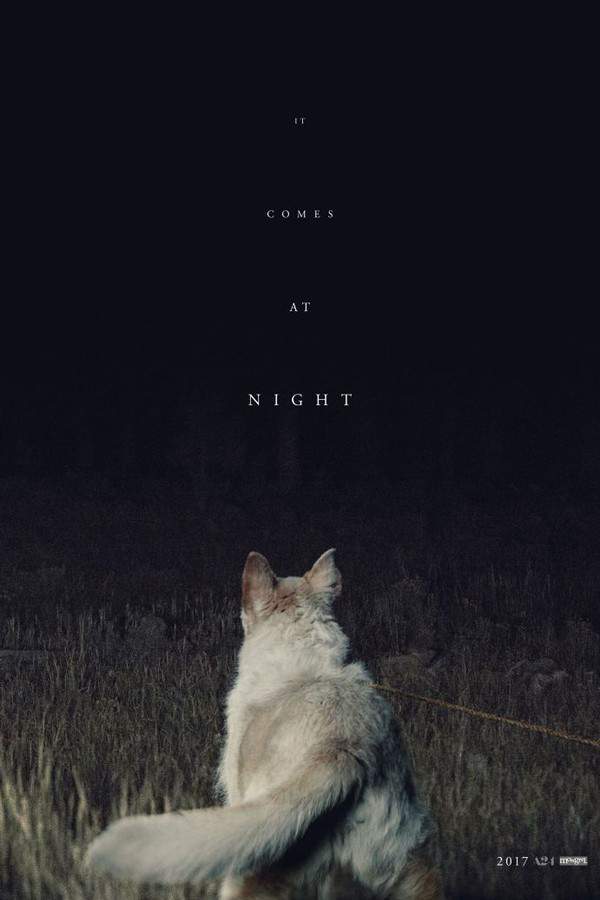
It Comes at Night (2017) movie poster

Timeline

It Comes at Night (2017) Timeline Explained – Every Event in Order

Release, runtime and language
2017 · 91 min · English
Echo score 70
JustWatch #3,019 36
Directed by
Trey Edward Shults
Starring
Carmen Ejogo, Kelvin Harrison Jr., Christopher Abbott, Riley Keough, Joel Edgerton, Chase Joliet
Budget
$5M

After a cataclysmic event, a father and his young daughter are forced to seek refuge in an isolated underground shelter. They are unexpectedly joined by another family, and an uneasy alliance forms as they attempt to survive. However, as paranoia and fear escalate, the fragile trust between them unravels, leading to a dark and unsettling confrontation that tests the limits of their humanity and the lengths they will go to protect their own.

On this page (6)
  1. 1 Where to watch
  2. 2 Events in order (15)
  3. 3 Timeline questions answered
  4. 4 Movie threads
  5. 5 Movies like It Comes at Night
  6. 6 Every angle

Where to watch

Where to Watch It Comes at Night (2017)

Where can you watch It Comes at Night? Stream, rent or buy it in the US, including on HBO Max, Amazon Video and Apple TV Store: current JustWatch availability with up-to-date prices.

Streaming availability powered by JustWatch

15 events in order · contains spoilers

It Comes at Night Timeline: Events in Chronological Order

Every key event of It Comes at Night (2017) in order, scene by scene, with when and where it takes place. Use it to untangle flashbacks, time jumps and parallel storylines, to refresh your memory before the sequel or to find the exact scene you are thinking of.

  1. Bud's Illness

    The film begins with a frail man named Bud, who is visibly suffering from a severe illness, gasping for breath while covered in painful boils. His daughter Sarah, wearing a gas mask, tenderly reassures him that everything will be fine, highlighting the dire situation they face.

  2. Bud's Mercy Killing

    In a somber act of mercy, Sarah's husband Paul and their son Travis transport Bud into the woods. Travis places a pillow over Bud’s head and shoots him, a heartbreaking decision reflecting their desperate circumstances, and Bud's body is hastily covered in lighter fluid and cremated in an open grave.

    Where
    Woods
  3. Life in Isolation

    The family's lifestyle is depicted as insular, with Paul, Sarah, Travis, and their dog Stanley cut off from the outside world. It is heavily suggested that a deadly virus has ravaged the country, leaving them in a haunting state of isolation and fear.

  4. Travis's Nightmares

    Travis repeatedly experiences terrifying visions of Bud, the sick man from earlier, which lead him to wake up frightened each night. These nightmares create an atmosphere of dread, as the family becomes increasingly aware of potential intruders lurking outside their home.

    When
    Nighttime
    Where
    Travis's bedroom
  5. Encounter with Will

    When ominous banging is heard, Paul and Sarah arm themselves, confronting the perceived threat. They discover it is Will, who, after being ordered to surrender, is knocked unconscious by Paul, introducing a new element of danger to their isolated existence.

  6. Will's Story

    Once tied up and restrained, Will explains to Paul that he mistook their house for abandoned and was seeking resources for his wife and child. He shares distressing news about an 80-mile stretch of land devoid of life, highlighting the perilous state of the world outside.

  7. The Dangerous Journey

    Concerned for Will's family, Paul drives him to search for them, but their journey quickly turns dangerous. They encounter hostile men in the woods, and Paul's reaction leads to their demise, showcasing the fragility of their existence in this harsh reality.

    Where
    Woods
  8. Introducing Kim and Andrew

    Paul and Sarah eventually bring Will's wife Kim and their young son Andrew into their home. The two families begin to establish boundaries but slowly learn to coexist, sharing meals and games amid the backdrop of their survival struggle.

    Where
    Paul and Sarah's home
  9. Travis's Fascination

    Amidst the tension, Travis becomes increasingly intrigued by Kim, which leads to unsettling dreams where she embodies both comfort and horror. Their conversations highlight their shared desires for normalcy, revealing the emotional weight of their situation.

  10. Stanley's Fate

    Travis's chase after Stanley into the woods leads to a shocking discovery, resulting in Paul having to make the heartbreaking choice to euthanize the injured dog. The sound of the gunshot echoes through their home, marking a pivotal moment of loss.

    Where
    Woods
  11. Rising Tensions

    As suspicion grows between the two families, Travis's interactions with Andrew incite questions about health and trust. The emotional fallout creates an increasingly tense atmosphere, with both families navigating their strained relationships.

  12. Travis's Collapse

    The toll of the relentless situation becomes apparent when Travis succumbs to the virus, leading to a heart-wrenching scene where Sarah desperately tries to comfort him. Travis's decline marks a critical juncture in the family's struggle for survival.

    Where
    Home
  13. The Tragic Standoff

    Tensions reach their peak when Paul confronts Will about Andrew's health, leading to a chaotic standoff. In the ensuing turmoil, Paul accidentally kills Andrew, inciting Kim's anguished plea for vengeance, thus deepening the animosity between the families.

    Where
    Wooded area
  14. Final Farewell

    As the film nears its conclusion, both Paul and Sarah are revealed to be infected. They share a devastating gaze at the table, reflecting on their choices and the consequences of their actions in a world stripped of humanity.

    Where
    Home
  15. Fade to Black

    The story culminates as the screen fades to black, leaving the audience to grapple with the catastrophic ramifications of the characters' choices. The somber ending serves as a haunting reminder of their desperate situation and the fragility of life.

Last updated: November 04, 2024 at 00:05

Was this helpful?

Timeline questions answered

It Comes at Night Timeline Explained: Your Questions Answered

When does it happen, and why in that order? The questions people ask about the chronology of It Comes at Night (2017): time jumps, flashbacks, cause and effect between scenes and the correct order of events, each answered with spoilers.

Q1

Why does Travis keep having nightmares about Bud?

Travis has nightmares about Bud because he was directly involved in his mercy killing. As the one who placed the pillow over his grandfather's head and pulled the trigger, Travis is traumatized by the memory. The film uses these recurring visions to show his psychological guilt and the heavy burden of having killed a family member, even in a desperate attempt to end his suffering.

Foreshadowing: The nightmares begin immediately after Bud's death, establishing Travis's guilt from the very start.

  • travis
  • bud
  • nightmares
  • mercy killing
  • guilt
  • psychological trauma
Q2

Why does Paul kill the two men in the woods?

Paul kills the two men in the woods because he perceives them as an immediate threat. When they encounter the strangers while guiding Will back to his family, Paul acts violently to protect his own family, believing these men could follow them back to their shelter. His aggressive response demonstrates how the post-apocalyptic environment has stripped away his moral constraints, showing that survival has made him willing to kill without hesitation.

Foreshadowing: This early act of violence foreshadows Paul's later willingness to kill even a child when paranoia takes over.

  • paul
  • woods
  • killing
  • survival
  • violence
  • menace
Q3

Why does Paul decide to bring Will's family into their shelter?

Paul decides to bring Will's family inside after learning about their situation. When Will explains he has a wife and young son several miles away and offers livestock in exchange for help, Paul feels compelled to act. His decision is initially driven by empathy and the recognition that another family is struggling to survive. However, this choice ultimately stems from a desire for companionship, having another adult presence to share the burden of survival in their isolated world.

Foreshadowing: This decision plants the seeds of the film's central tragedy, as inviting strangers into their safe haven leads to conflict.

  • paul
  • will
  • kim
  • andrew
  • shelter
  • trust
  • families
Q4

What causes the tension between the two families?

The tension between Paul's and Will's families builds from mutual suspicion and fear of infection. When Stanley is injured in the woods after chasing something, Paul suspects the other family of wrongdoing. Then when Andrew is found alone and Travis enters the house where the thumping sound occurred, Paul becomes paranoid about whether the newcomers are hiding something or carrying the virus. The strain is further compounded by competing survival instincts and unclear boundaries between the two groups.

Foreshadowing: Early signs appear when Paul and Sarah establish strict rules about staying separate, showing the fragile foundation of their coexistence.

  • tension
  • families
  • suspicion
  • infection
  • trust
  • paranoia
Q5

Why does Paul kill Andrew?

Paul kills Andrew during a chaotic standoff when he believes the child may be infected. When Paul insists on checking Andrew for signs of illness and Will refuses to let him near the boy, Paul interprets this as a threat. In the ensuing struggle, Paul accidentally kills Andrew while trying to force his way into the room. The killing is not premeditated but rather a tragic result of Paul's paranoid state and the high-stress environment where any sign of sickness means death for everyone.

Foreshadowing: The tension has been building since Andrew was found alone in the woods and Travis entered the house, creating suspicion about what happened.

  • paul
  • andrew
  • kill
  • accident
  • infection
  • standoff
  • tragedy
Q6

How does the virus spread in the movie?

The virus in the movie spreads through close contact and likely airborne transmission, as evidenced by the boils and severe respiratory symptoms it causes. It appears to be extremely contagious, which is why the families live in such strict isolation. The film suggests the virus is responsible for the worldwide catastrophe, though the exact mechanism of transmission is never fully explained. The critical revelation is that both Paul and Sarah become infected by the end, likely having contracted it from Travis before his death.

Foreshadowing: Bud's death from the illness at the beginning establishes how deadly and transmissible the virus is.

  • virus
  • spread
  • infection
  • transmission
  • contagious
  • boils
Q7

Why is Travis fascinated with Kim?

Travis is fascinated by Kim because she represents a connection to the outside world and normalcy that he craves. As a teenager isolated in the shelter with only his parents for company, Travis is drawn to Kim as a maternal figure and romantic interest. The film shows this through his dreams where Kim blurs between comfort and horror, reflecting his complicated feelings. Their conversations about wanting sweets and normal life reveal Travis's longing for something beyond the constant fear and isolation.

Foreshadowing: Travis's first interaction with Kim establishes this dynamic, with her offering him candy and creating an intimate moment that contrasts with the family's paranoia.

  • travis
  • kim
  • fascination
  • attraction
  • desire
  • connection
Q8

What does the ending of the movie mean?

The ending shows Paul and Sarah sitting together at the table, both infected with the virus, as the screen fades to black. This bleak conclusion means that all their efforts to survive were ultimately futile, they couldn't protect their family from the very threat they feared. By killing Will's family and isolating themselves further, they only delayed their own deaths. The film suggests that in a world stripped of humanity and trust, no one can survive alone, and paranoia ultimately destroys more than the virus itself.

Foreshadowing: Travis's death from the virus earlier foreshadows that no one in the house will escape infection, regardless of their choices.

  • ending
  • fade to black
  • infection
  • death
  • survival
  • futility
Q9

Why is Stanley the dog killed?

Stanley is killed because he is badly injured after chasing something into the woods. When Travis follows the dog and discovers him hurt, Paul determines that Stanley's injuries are too severe to recover. In a painful decision that mirrors Bud's mercy killing, Paul chooses to euthanize Stanley to end his suffering. The gunshot echo through the house serves as a devastating moment that marks another loss for the family and intensifies the already mounting tension between both families.

Foreshadowing: This echoes Bud's earlier death, showing the cycle of mercy killings that the film explores.

  • stanley
  • dog
  • killed
  • euthanasia
  • woods
  • injury
Q10

Why do Paul and Sarah get infected at the end?

Paul and Sarah get infected because they contracted the virus from Travis before he dies. Though the exact moment of transmission isn't shown, the film implies the virus has been spreading gradually within the sealed environment. Travis likely became infected first, possibly from exposure when entering Will and Kim's room earlier, and passed it to his parents through close contact. Their infection represents the ultimate irony: all their extreme measures to prevent exposure, including killing others, couldn't stop what was already among them.

Foreshadowing: The film never shows how Travis initially contracted the virus, suggesting it may have been present all along within their sealed environment.

  • paul
  • sarah
  • infected
  • virus
  • transmission
  • travis
  • end

Movie threads

More Movies Like It Comes at Night, by Mood & Story

Curated lists built around what makes It Comes at Night tick: the same mood, the same kind of story or the same emotional payoff. Each list explains why these movies belong together.

Claustrophobic Paranoia Thrillers like It Comes at Night

Stories where enclosed spaces heighten suspicion and unravel fragile alliances. If you liked the suffocating tension and psychological breakdown in It Comes at Night, explore more movies where confined spaces become pressure cookers for paranoia. These films focus on the fragility of human trust when survival is at stake, delivering slow-burn dread and bleak outcomes.

  • claustrophobic
  • paranoid
  • anxious
  • oppressive
  • suspenseful
  • unsettling
  • Tone: bleak, tense
  • Pacing: slow burn
Why these movies?

The story pattern: The narrative pattern revolves around a group of people, often strangers or uneasy allies, sharing a confined space under a shared threat. The primary conflict is internal, as paranoia and suspicion slowly poison relationships, leading to a tragic breakdown of order and morality.

Why they belong together: These movies are grouped by their shared focus on psychological tension over physical action, the use of limited settings to amplify dread, and a pervasive mood of anxiety and distrust that defines the viewing experience.


Hopeless Apocalyptic Character Studies like It Comes at Night

Character-driven stories about the collapse of humanity in a dying world. For viewers who appreciated the heavy emotional weight and nihilistic perspective of It Comes at Night, this list features similar movies about the end of the world. These stories prioritize the psychological toll on characters over spectacle, often ending in utter despair with no redemption.

  • bleak
  • nihilistic
  • somber
  • haunting
  • despair
  • heavy
  • Tone: bleak, nihilistic, somber
  • Pacing: slow, deliberate
Why these movies?

The story pattern: The narrative follows a small group or family navigating a post-apocalyptic landscape, where the real horror is the loss of their own humanity. The story is a downward spiral, charting the erosion of moral codes and the desperate, often tragic, choices made to protect what little remains.

Why they belong together: They share a commitment to bleak, hopeless endings, a heavy emotional focus on themes like loss and moral compromise, and a slow, deliberate pacing that makes the audience sit with the crushing weight of extinction.

If you liked this

Movies Like It Comes at Night

Similar movies to It Comes at Night: the same genre, themes or kind of story. Each one comes with its own plot summary, timeline and ending explained.

Browse all movie summaries

Every angle

It Comes at Night (2017) Explained: Plot, Ending, Timeline & Characters

Everything about It Comes at Night in one place: what happens in the plot summary, the timeline in chronological order, the characters and meaning, the ending explained and a spoiler-free summary. What's After the Movie adds the cast, box office and post-credit scenes.

Coming soon on iOS and Android

The Plot Explained Movie Summary App

Plot summaries, endings explained and timelines on your phone. Catch up on any movie in minutes, save your favorites and never miss a twist again.

Be the first to know when we launch. Your email stays private, always.

Learn more about the app