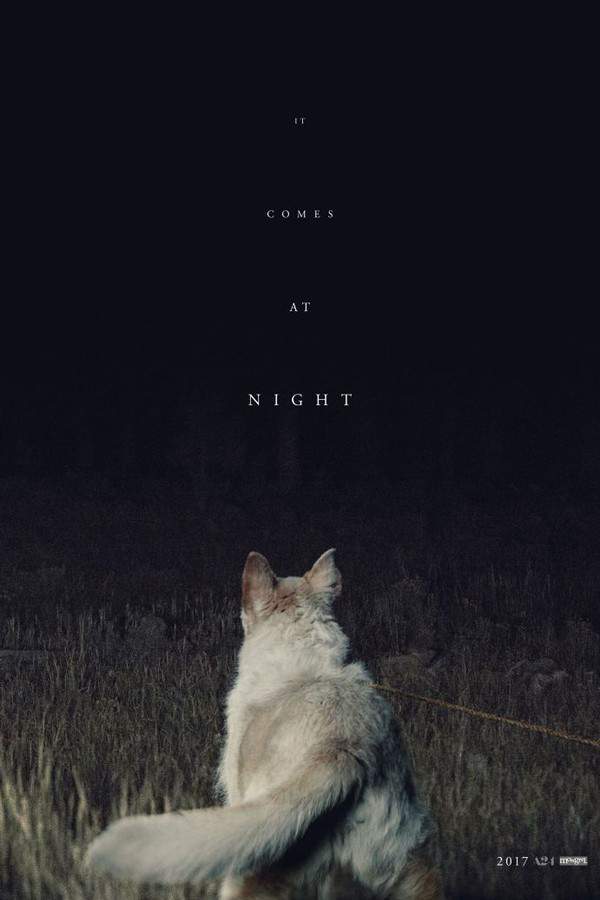
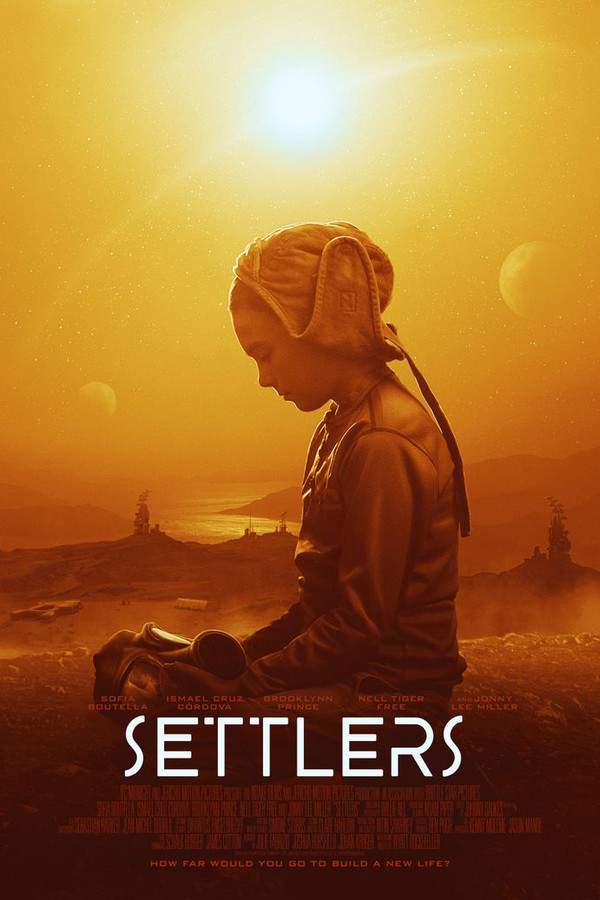
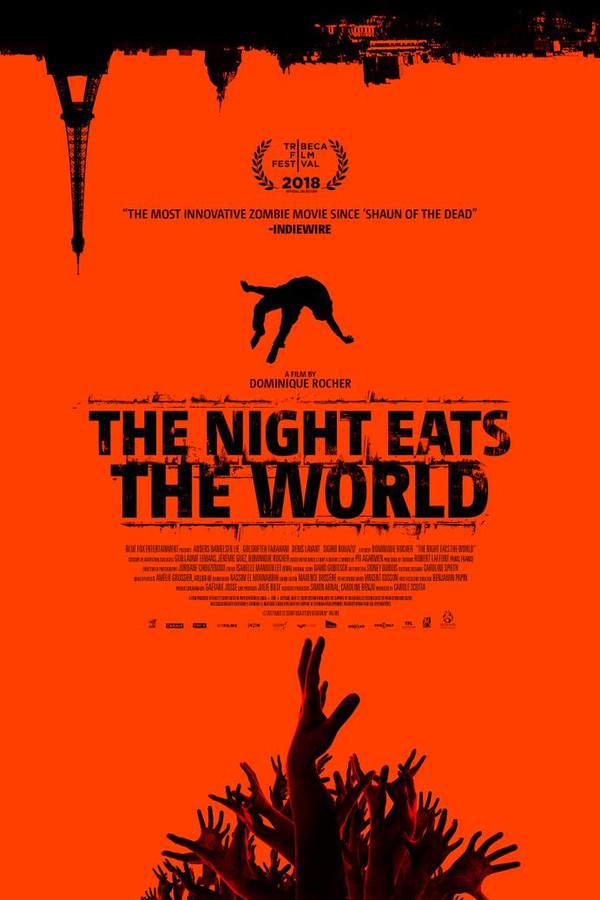
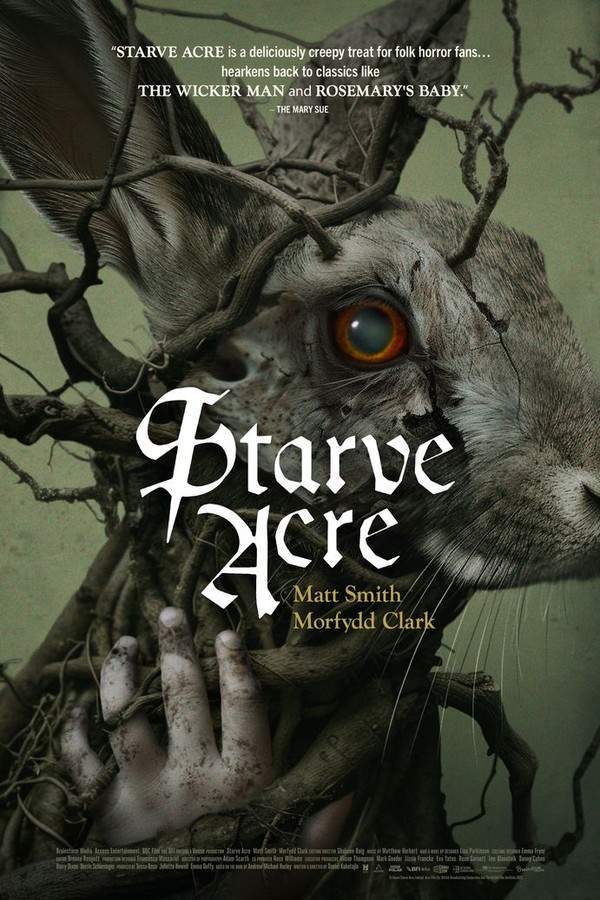
In the wake of an unspoken catastrophe, the world outside has become a barren, hostile expanse where every breath feels borrowed. Humanity has retreated into a handful of fortified underground shelters, their concrete walls the only barrier between life and an unseen, contagious threat. The film lingers in the stale, dimly lit corridors of one such refuge, letting the silence and the faint hum of machinery speak louder than any dialogue. The atmosphere is saturated with claustrophobia and an ever‑present sense of dread, as if the darkness itself is waiting to seep in.
At the heart of this isolated stronghold lives a small family striving to cling to normalcy. Paul is the pragmatic protector, burdened by the weight of keeping his loved ones safe. Sarah, his partner, balances tenderness with a steely resolve, while their son Travis embodies both innocence and the unsettling curiosity that comes with growing up in confinement. Their routine is a careful choreography of survival—rationing supplies, maintaining the shelter’s fragile ecosystem, and holding onto fragments of a world that once existed beyond the concrete walls.
Their precarious equilibrium is disturbed when a second family seeks shelter: Will, a wary survivor; Kim, his resolute wife; and their young son Andrew. Their arrival forces the first family to negotiate shared space, resources, and the uneasy trust that must be built in moments when any mistake could be fatal. The interaction between the two groups is marked by tentative hospitality, guarded conversations, and the subtle power shifts that arise when strangers become neighbors in a place where danger lurks both outside and within.
As days turn into tense nights, the enclosed environment amplifies every suspicion and fear. Paranoia gnaws at the fragile alliances, and the characters are forced to confront uncomfortable questions about loyalty, sacrifice, and the lengths they will go to protect those they love. The film’s tone remains relentlessly oppressive, blending psychological horror with a stark, almost clinical portrayal of human behavior when civilization teeters on the edge. In this stark tableau, each breath, each glance, becomes a test of humanity’s endurance in a world stripped of its familiar comforts.