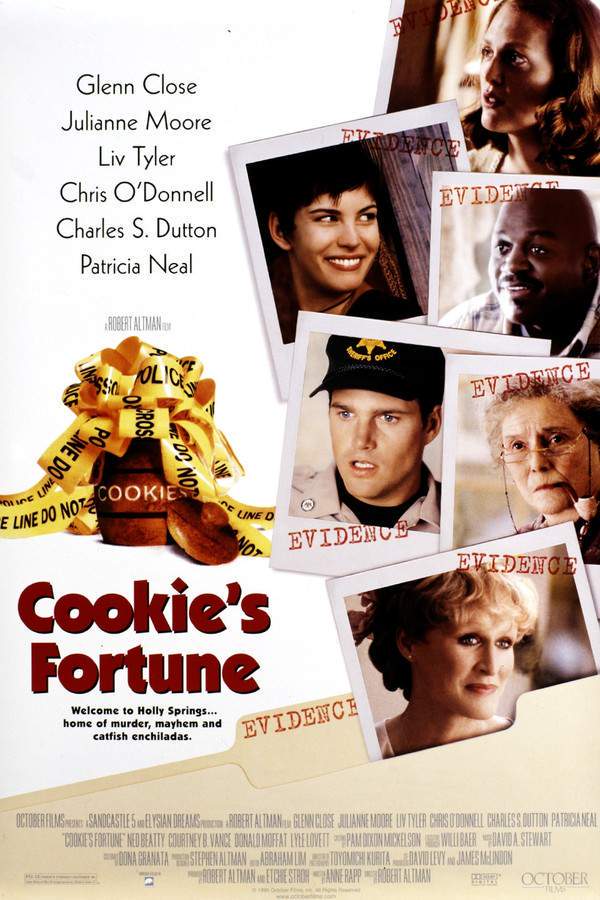
In this fast-paced early sound-era comedy, a wealthy magnate named Harrison Allen grows wary that his daughter Gracie Allen is courting a fortune-hunting fiancé, Ramon del Ramos. To test the suitor’s true motives, Harrison and his loyal secretary, George Burns, whip up a plan: Harrison will temporarily sign over his fortune to his other daughter, who goes by the nickname Cookie, for sixty days, hoping to reveal Ramon's real intentions and the depths of the family’s wealth. As Harrison heads back to his hometown for a brief vacation, Gracie embraces the scheme with a recklessly comic zeal, turning what should have been a quiet test into a full-blown upheaval.
What follows is a cascade of chaos that Gracie drives with cheerful defiance. She slashes George’s salary, withholds money from Harrison, and even remodels the mansion into a bustling, no-cost boardinghouse for hundreds of unemployed actors and their animals. The household trembles under the strain as Botts, the loyal butler, and the rest of the staff, along with Phyllis, try to keep pace with Gracie’s impromptu theater and carnival of chaos. The result is a household economy in free-fall, clothes torn to make everyone look like tramps, and a troupe of eccentric performers and their trained animals turning the mansion into a sprawling stage. The audacious ringleader at the center of it all is Gracie, whose unguarded enthusiasm drives the family toward ruin, even as it draws Ramon's attention more intensely to her.
Meanwhile, Ramon realizes that Gracie seems to hold all the money, and he pursues her with a blend of charm and desperation. Gracie’s naiveté complicates matters further, as she determines to marry him despite the mounting wreckage around her. Botts, in a burst of practical improvisation, even resorts to selling a trained seal to raise funds and send Phyllis to Clarksville in an attempt to retrieve Harrison. Throughout the upheaval, Gracie’s plan to build a theater inside the mansion takes shape, a scheme designed to bankrupt the family and force Harrison to concede to her marriage with Ramon—an outcome she views as a bold, comic victory.
As the crisis deepens, the household endurance test lands on the eve of Gracie Allen’s big show. With no ready funds and mounting debts, Harrison and Phyllis hitch a ride home in a taxicab that leaves the driver owed more than a hundred dollars. They arrive on the opening night of Gracie Allen’s Flop, only to be turned away at the door. Undeterred, they slip back into the mansion and stumble onto Gracie’s balcony scene from Romeo and Juliet, which proves to be unintentionally hilarious and oddly poignant. George arrives with telegrams from Hollywood promising work for Gracie, recognizing the undeniable appeal of her offbeat brilliance as a producer. Faced with a choice between a risky romance and a calculated business decision, Harrison finally agrees to marry Gracie—but with a twist: Gracie’s West Coast pursuit must be balanced by Harrison’s eastern life, a condition that sets the stage for new possibilities and the ongoing, laughingly precarious balance of family, fortune, and love.