Plot Explained Spoilers guaranteed!
Plot Explained

Browse by genre

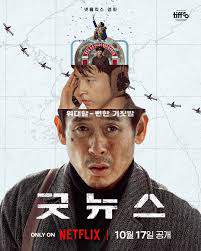
Good News (2024) movie poster

Characters & Themes

Good News (2024) Characters, Setting & Themes Explained

Release, runtime and language
2024 · 80 mins · German
Directed by
Hannes Schilling
Starring
Dennis Scheuermann, Ilja Nikolai Stahl, Sabree Matming

Journalist Leo goes to Thailand to report on rebel groups.

On this page (7)
  1. 1 Characters explained (3)
  2. 2 Where & when it takes place
  3. 3 Themes & meaning (3)
  4. 4 Character & meaning questions
  5. 5 Movie threads
  6. 6 Categories
  7. 7 Every angle

3 main characters · contains spoilers

Good News Characters Explained: Who Is Who

The main characters of Good News (2024), heroes and villains: what drives them, how they change over the course of the story and what each of them reveals about the film's bigger ideas.

  • Julian (Dennis Scheuermann)

    Julian is portrayed as a pragmatic participant within the crisis, balancing pressure from his superiors with the demands of the hijackers. He embodies a calculating mindset that weighs risks, often favoring measured actions over emotional responses. The portrayal hints at moral ambiguity in emergency decision-making.

    • 🎭 Complexity
    • 🧠 Strategy
    • ⚖️ Moral ambiguity
  • Leo (Ilja Nikolai Stahl)

    Leo is depicted as a calm, observant figure who remains cool under pressure. He weighs the consequences of actions, signaling an analytical approach to crisis management. His restraint contrasts with the hijackers' urgency and the political maneuvering around the hostages.

    • 🧠 Analysis
    • 🎯 Precision
    • 🫂 Loyalty
  • Marwan (Sabree Matming)

    Marwan is portrayed as a resourceful operator who adapts to changing circumstances. He demonstrates resilience and improvisation under threat, contributing to the crisis's unpredictability. His actions reflect how flexible thinking can influence high-stakes outcomes.

    • 🧩 Resourcefulness
    • ⚡ Quick-thinking
    • 🌀 Unpredictability

Last updated: January 28, 2026 at 12:42

Was this helpful?

Setting

Where and When Does Good News Take Place?

The setting of Good News (2024): the year and time period, the places and locations, and how they shape the characters, the mood and the tension of the story.

Time period

1970

Set in 1970 during the height of Cold War tensions, the film centers on a hijacking carried out by a radical faction. Governments maneuver to manage public perception and hostage safety, often under intense political scrutiny. The era's paranoia and propaganda shape the crisis as much as the on-board actions of the hijackers.

Location

Haneda Airport (Tokyo), Itazuke Air Base (Japan), Gimpo International Airport (Seoul), Pyongyang (North Korea), Seoul (South Korea)

The story unfolds across major East Asian sites: Tokyo's Haneda Airport, Itazuke Air Base, Gimpo International Airport, Pyongyang, and Seoul. These locations anchor a tense hijacking crisis that tests international diplomacy and airspace control. The settings highlight Cold War era tensions, with both North and South Korea playing pivotal behind the scenes roles.

  • 🗺️ Location-based
  • 🛫 International setting
  • 🎭 Political intrigue

Last updated: January 28, 2026 at 12:42

Was this helpful?

3 major themes

Good News Meaning: Themes & Message Explained

What is Good News (2024) really about? The emotional, social and philosophical themes the film keeps returning to, its symbolism and the message beneath the surface.

  • Political Intrigue

    The hijacking plot fuels a web of strategic calculations between criminal groups and state actors. Officials feign progress to avoid political backlash while seeking a safe resolution for the hostages. The crisis reveals how governments manipulate information and public opinion to control outcomes. The tension between ideology and pragmatism drives the narrative and raises questions about accountability.

  • Deception

    Deception operates at multiple levels: the hijackers' calculated demands, the fake Pyongyang landing, and the staged Gimpo welcoming party. The film shows how truth becomes negotiable under pressure, and how media narratives can shape perception more than reality. Characters improvise to influence decisions, blurring lines between heroism and manipulation. The theme highlights the fragility of trust in moments of crisis.

  • Time Pressure

    Time becomes a weapon as deadlines loom, forcing swift decisions from both sides. The countdown to noon generates a sense of urgency that overrides procedural caution. The urgency exposes bureaucratic shortcomings and the personal costs of crisis management. The resolution leans on negotiation rather than force, illustrating how speed can influence outcomes.

Last updated: January 28, 2026 at 12:42

Was this helpful?

Character & theme questions

Good News Characters & Meaning: Your Questions Answered

The questions people ask about Good News (2024): who the characters really are, their relationships, what the symbols mean, where it takes place and what the movie is really about. Each answer contains spoilers.

Q1

Where is the movie set?

The story unfolds across major East Asian locations: Haneda Airport in Tokyo, Itazuke Air Base in Japan, Gimpo International Airport in Seoul, Pyongyang in North Korea, and Seoul in South Korea. These settings anchor a tense hijacking crisis that highlights Cold War era tensions.

  • haneda airport
  • gimpo
  • pyongyang
  • seoul
  • tokyo
  • setting
Q2

What time period is the film set in?

The movie is set in 1970, during the height of Cold War tensions. This era's paranoia and propaganda shape the crisis as much as the actions of the hijackers, influencing how governments manage public perception and hostage safety.

  • 1970
  • cold war
  • time period
  • 1970s
Q3

What are the main themes in the movie?

The film explores three interconnected themes: Political Intrigue, which examines how governments manipulate information and public opinion during crises; Deception, showing how truth becomes negotiable under pressure with fake landings and staged events; and Time Pressure, where a countdown to noon forces swift decisions that override procedural caution.

  • political intrigue
  • deception
  • time pressure
  • themes
Q4

Who is Julian in the story?

Julian (Dennis Scheuermann) is portrayed as a pragmatic participant in the crisis, balancing pressure from his superiors with the demands of the hijackers. He embodies a calculating mindset that weighs risks and favors measured actions over emotional responses, hinting at moral ambiguity in emergency decision-making.

  • julian
  • dennis scheuermann
  • character
Q5

Who is Leo in the story?

Leo (Ilja Nikolai Stahl) is depicted as a calm, observant figure who remains cool under pressure. He weighs the consequences of actions with an analytical approach to crisis management, and his restraint contrasts with the hijackers' urgency and the political maneuvering around the hostages.

  • leo
  • ilja nikolai stahl
  • character
Q6

Who is Marwan in the story?

Marwan (Sabree Matming) is portrayed as a resourceful operator who adapts to changing circumstances. He demonstrates resilience and improvisation under threat, contributing to the crisis's unpredictability and showing how flexible thinking can influence high-stakes outcomes.

  • marwan
  • sabree matming
  • character
Q7

How does deception play a role in the story?

Deception operates at multiple levels throughout the film: the hijackers' calculated demands, a fake Pyongyang landing, and a staged Gimpo welcoming party. The film shows how truth becomes negotiable under pressure, with characters improvising to influence decisions and blur lines between heroism and manipulation.

  • deception
  • fake landing
  • manipulation
  • plot
Q8

What role does the deadline play in the film?

Time becomes a weapon as deadlines loom, forcing swift decisions from both sides. The countdown to noon generates urgency that overrides procedural caution, exposing bureaucratic shortcomings and the personal costs of crisis management. The resolution leans on negotiation rather than force, showing how speed influences outcomes.

  • deadline
  • time pressure
  • noon
  • urgency
  • countdown
Q9

How does the Cold War context influence the story?

The 1970 Cold War setting creates a backdrop where both North and South Korea play pivotal behind-the-scenes roles. Governments maneuver to manage public perception and hostage safety under intense political scrutiny. The era's paranoia and propaganda shape the crisis, with the tension between ideology and pragmatism driving the narrative.

  • cold war
  • korea
  • north korea
  • south korea
  • politics
  • 1970s
Q10

What is the overall tone of the movie?

The dominant tone is tense, creating a sustained atmosphere of anxiety and uncertainty throughout the hijacking scenario. The intensity remains high due to constant life-or-death stakes and psychological pressure on characters. A cynical undercurrent runs through the film about political opportunism and the nature of deception.

  • tone
  • tension
  • atmosphere
  • anxiety
  • cynical

Movie threads

More Movies Like Good News, by Mood & Story

Curated lists built around what makes Good News tick: the same mood, the same kind of story or the same emotional payoff. Each list explains why these movies belong together.

High-stakes political deceptions like in Good News

Intelligent thrillers where lies and maneuvers drive the tension. If you liked the cunning diplomatic maneuvers and deceits in Good News, you'll enjoy these movies. This list features intelligent political thrillers and espionage stories where fast-paced plots turn on clever bluffs, secret agendas, and high-level mind games.

  • tense
  • cunning
  • deceptive
  • political
  • suspenseful
  • methodical
  • Tone: tense, cunning, anxious
  • Pacing: fast, methodical
Why these movies?

The story pattern: These narratives typically follow protagonists thrust into a crisis of trust, where they must navigate a web of lies orchestrated by powerful, unseen forces. The plot unfolds as a tense cat-and-mouse game, with escalating stakes that rely on outsmarting the opposition rather than direct confrontation, often leading to morally complex resolutions.

Why they belong together: These films are grouped together because they share a core focus on deception as a primary plot engine. They create a specific kind of suspense built on intellectual tension, diplomatic standoffs, and the psychological pressure of maintaining a fragile lie under extreme scrutiny.

Tense crisis confinement thrillers like Good News

Claustrophobic stories where characters are trapped by a looming threat. Fans of the hijacking standoff and claustrophobic tension in Good News will find similar movies here. These films focus on characters managing a volatile crisis in a confined space, where every decision carries life-or-death consequences and the atmosphere is thick with dread.

  • claustrophobic
  • tense
  • suspenseful
  • hijacking
  • hostage
  • crisis
  • Tone: tense, claustrophobic, suspenseful
  • Pacing: fast, relentless
Why these movies?

The story pattern: The narrative pattern involves a group or individual isolated with a direct, immediate danger, such as a hostage situation or a bomb threat. The story is driven by a race against time to negotiate, escape, or disarm the threat, with rising tension as deadlines approach and alliances shift under pressure.

Why they belong together: These movies share a potent combination of a confined setting and a relentless external threat, crafting an experience defined by claustrophobia and sustained anxiety. The similarity comes from the shared feeling of being trapped with a problem that must be solved intellectually under extreme duress.

Categories

Movie Lists Featuring Good News

Good News appears in these hand-built movie categories. Each one groups movies by a specific mood, theme or story type, with their plot summaries and endings explained.

View all movie categories

Every angle

Good News (2024) Explained: Plot, Timeline & Characters

Everything about Good News in one place: what happens in the plot summary, the timeline in chronological order, the characters and meaning and a spoiler-free summary. What's After the Movie adds the cast, box office and post-credit scenes.

Coming soon on iOS and Android

The Plot Explained Movie Summary App

Plot summaries, endings explained and timelines on your phone. Catch up on any movie in minutes, save your favorites and never miss a twist again.

Be the first to know when we launch. Your email stays private, always.

Learn more about the app