



Plot Explained Spoilers guaranteed!
Plot Explained

Browse by genre

From Hell It Came (1957) movie poster

Characters & Themes

From Hell It Came (1957) Characters, Setting & Themes Explained

Release, runtime and language
1957 · 73 mins · English
Directed by
Dan Milner
Starring
Robert Swan, Gregg Palmer, Max Reid, Linda Watkins, Chester Hayes, Tod Andrews

Beast-Thing from the Flames of Hades! A wrongfully accused South Seas prince is executed and returns as a walking tree stump.

On this page (8)
  1. 1 Where to watch
  2. 2 Characters explained (13)
  3. 3 Where & when it takes place
  4. 4 Themes & meaning (3)
  5. 5 Character & meaning questions
  6. 6 Movie threads
  7. 7 Movies like From Hell It Came
  8. 8 Every angle

Where to watch

Where to Watch From Hell It Came (1957)

Where can you watch From Hell It Came? Stream, rent or buy it in the US, including on Mometu, Tubi TV and Amazon Video: current JustWatch availability with up-to-date prices.

Streaming availability powered by JustWatch

13 main characters · contains spoilers

From Hell It Came Characters Explained: Who Is Who

The main characters of From Hell It Came (1957), heroes and villains: what drives them, how they change over the course of the story and what each of them reveals about the film's bigger ideas.

  • Kimo (Gregg Palmer)

    Kimo, prince of the island, is accused of murdering his father and is exiled through the island’s brutal justice. He survives execution in a hollow tree trunk and vows revenge, becoming a central driving force behind the island’s turmoil. His arc centers on trust, justice, and the danger of false accusations.

    • 👑 Royalty
    • 🗡️ Revenge
  • Tano (Robert Swan)

    Tano is the witch doctor accused of the crime and deeply rooted in island tradition. He clashes with the scientists and orchestrates or influences events leading to Kimo’s fate. His conflict with Maranka and Kimo reveals tensions between old rituals and external authority.

    • 🌀 Legend
    • 🪄 Witchcraft
  • Maranka (Baynes Barron)

    Maranka is the new chief, whose actions and cold alliance with a rival woman complicate island politics. He is ultimately killed by the Tabanga. His role highlights power struggles within the community.

    • 🏛️ Leadership
    • 👑 Power
  • Korey (Suzanne Ridgway)

    Korey is Kimo’s wife who betrays him and faces jealousy over Naomi. Her murder by the Tabanga marks one of the monster’s key early killings and propels the plot toward a final confrontation.

    • 💔 Jealousy
    • 🗡️ Betrayal
  • Naomi (Tani Marsh)

    Naomi is another woman in the island’s world who becomes a rival in love and a witness to the turmoil. She escapes when the Tabanga attacks, playing a smaller but important role in the unfolding drama.

    • 💃 Woman
    • 🏃 Flight
  • Terry Mason (Tina Carver)

    Dr. Terry Mason is an American physician who arrives to help treat the plague and assist with the research mission. She forms a bond with William Arnold and faces peril from the Tabanga.

    • 👩‍⚕️ Doctor
    • 🧪 Science
  • William Arnold (Tod Andrews)

    Dr. William Arnold is a scientist coordinating with Terry and Professor Clark. He helps analyze the Tabanga phenomenon and supports the island’s defense against the monster.

    • 🧑‍🔬 Scientist
    • 🧭 Exploration
  • Professor Clark (John McNamara)

    Professor Clark is another scientist stationed on the island who provides scientific context and leadership during the crisis. He aids in understanding the Tabanga and the plague’s pathology.

    • 👨‍🏫 Scholar
    • 🧬 Research
  • Dori (Lenmana Guerin)

    Dori is Norgu’s wife, recovering from the plague and showing the physical toll of radiation burns. Her plight highlights the human cost of the island’s illness and fallout.

    • 👩 Woman
    • 💉 Recovery
  • Norgu (Lee Rhodes)

    Norgu is a native islander who visits the laboratory with his wife Dori, representing local perspective and involvement in the scientific drama.

    • 🧭 Native
    • 🗺️ Insight
  • Eddie (Mark Sheeler)

    Eddie is an American who previously worked at the site and participates in the final actions against the Tabanga, contributing to the climactic ending.

    • 🇺🇸 American
    • ⚔️ Climax
  • Mrs. Mae Kilgore (Linda Watkins)

    Mrs. Kilgore runs the island trading post and acts as a community touchstone, linking the island’s commerce with the scientists’ operations.

    • 🏪 Trading Post
    • 🤝 Community
  • Tabanga (Chester Hayes)

    The Tabanga is a legendary tree monster revived from the grave, a vengeful force that attacks the island’s inhabitants. It embodies the fear that legends can become real under the influence of radiation and betrayal.

    • 👹 Monster
    • 🌳 Tree

Last updated: October 04, 2025 at 19:00

Was this helpful?

Setting

Where and When Does From Hell It Came Take Place?

The setting of From Hell It Came (1957): the year and time period, the places and locations, and how they shape the characters, the mood and the tension of the story.

Time period

1950s

Set in the early Cold War era, the story unfolds amid postwar scientific exploration and fear of radiation from atomic testing. Native residents suffer a plague as Western researchers study it at a remote laboratory. The presence of radioactivity from atomic fallout is a key plot element that fuels mysterious phenomena and the monster’s origin.

Location

South Seas island

An isolated tropical island in the South Seas hosts a field laboratory where American scientists study a deadly plague affecting the native population. The island's palm-fringed villages, trading post, and rugged interior create a setting where modern science confronts local legend. A radioactive tree stump, later revealed as the Tabanga, becomes a focal point of danger within this place.

  • 🏝️ Island
  • 🧪 Laboratory

Last updated: October 04, 2025 at 19:00

Was this helpful?

3 major themes

From Hell It Came Meaning: Themes & Message Explained

What is From Hell It Came (1957) really about? The emotional, social and philosophical themes the film keeps returning to, its symbolism and the message beneath the surface.

  • Science vs Legend

    The plot pits scientific inquiry against island myths, as researchers try to explain the Tabanga and the plague through rational means. Laboratory experiments and radioactive phenomena clash with long-standing beliefs about spirits and vengeance. The resolution is driven by empirical action, yet the legends continue to shape the locals’ responses.

  • Vengeance

    Kimo's murder and the subsequent resurrection of his killer set off a cycle of revenge. The Tabanga embodies personal and communal resentments, targeting those who betrayed or harmed the rightful authority. The pursuit of revenge drives clashes between characters and ultimately determines the island's fate.

  • Radioactivity

    Nuclear fallout and radiation burns affect the native population and give rise to unusual mutations, including the Tabanga’s power. The scientists’ work is framed within this hazardous environment, highlighting the era’s anxiety about atomic energy. The radioactive elements blur the lines between science and the supernatural on the island.

Last updated: October 04, 2025 at 19:00

Was this helpful?

Character & theme questions

From Hell It Came Characters & Meaning: Your Questions Answered

The questions people ask about From Hell It Came (1957): who the characters really are, their relationships, what the symbols mean, where it takes place and what the movie is really about. Each answer contains spoilers.

Q1

Where is this movie set?

The story takes place on an isolated tropical island in the South Seas, featuring palm-fringed villages, a trading post, and a rugged interior. American scientists maintain a field laboratory on the island to study a deadly plague affecting the native population.

  • south seas island
  • tropical island
  • setting
  • laboratory
Q2

What time period is this movie set in?

The movie is set in the 1950s, during the early Cold War era. This was a period of postwar scientific exploration and widespread fear of radiation from atomic testing, both of which are central to the story's context.

  • 1950s
  • cold war era
  • time period
  • atomic age
Q3

What is the Tabanga?

The Tabanga is a walking tree stump monster that serves as the film's main antagonist. Originally a hollow tree trunk used in an execution, it becomes a vengeful force after being awakened by radioactivity, targeting those who wronged the island's rightful prince.

  • tabanga
  • tree monster
  • monster
  • walking stump
Q4

Who is Kimo?

Kimo is the prince of the island who is wrongfully accused of murdering his father. After being exiled and executed inside a hollow tree trunk, he survives and returns as the Tabanga, driving the story's central conflict through his quest for vengeance.

  • kimo
  • prince
  • wrongfully accused
  • revenge
Q5

What does the Science vs Legend theme mean in this movie?

The movie explores the tension between rational scientific inquiry and island mythology. American researchers attempt to explain the Tabanga and the plague through empirical methods, while native islanders respond based on their beliefs about spirits and supernatural vengeance. The story ultimately resolves through action, but the legends continue to shape the locals' perspectives.

  • science vs legend
  • theme
  • rational vs supernatural
  • mythology
Q6

How does radioactivity factor into the story?

Radioactivity from atomic fallout is a key element that fuels the Tabanga's revival and powers. The same radiation affecting the native population also creates the conditions for unusual mutations, blurring the lines between science and the supernatural on the island.

  • radioactivity
  • radiation
  • atomic fallout
  • mutation
Q7

What role does vengeance play in this movie?

Vengeance is a central theme driving the narrative. Kimo's murder and subsequent resurrection as the Tabanga set off a cycle of revenge, with the monster targeting those who betrayed or harmed the rightful authority. This pursuit of revenge ultimately determines the island's fate.

  • vengeance
  • revenge
  • cycle of revenge
  • betrayal
Q8

Who is the witch doctor on the island?

Tano is the witch doctor who is accused of murdering Kimo's father and is deeply rooted in island tradition. He clashes with the American scientists and orchestrates events leading to Kimo's execution, representing the tension between old rituals and external authority.

  • tano
  • witch doctor
  • island tradition
  • tribal rituals
Q9

What role do the American scientists play?

The American scientists, including Dr. Terry Mason, Dr. William Arnold, and Professor Clark, arrive at the island to study the deadly plague affecting the native population. They represent modern scientific inquiry confronting local legend while also facing danger from the Tabanga monster.

  • scientists
  • researchers
  • american scientists
  • plague research
Q10

What is the island's setting like?

The island features palm-fringed villages and a trading post run by Mrs. Mae Kilgore, contrasting with a rugged interior and a remote field laboratory. This setting creates an environment where modern Western science confronts local legend and supernatural beliefs.

  • village
  • trading post
  • laboratory
  • island setting
Q11

What is the tone and style of this movie?

The movie has a consistently dark tone due to themes of wrongful execution, vengeance, and supernatural horror. However, the intensity is medium rather than high, as the narrative is a straightforward monster movie with a predictable revenge plot. The pacing is steady and methodical.

  • tone
  • style
  • horror movie
  • 1950s monster film
Q12

What does the ending imply about the island's future?

The ending is bittersweet: the immediate monster threat is eliminated and the protagonists survive, but the final question about replacing the witch doctor leaves a sense of unsettling continuity for the island's supernatural traditions. The cycle of legend and response remains unbroken.

  • ending
  • bittersweet
  • witch doctor
  • supernatural traditions

Movie threads

More Movies Like From Hell It Came, by Mood & Story

Curated lists built around what makes From Hell It Came tick: the same mood, the same kind of story or the same emotional payoff. Each list explains why these movies belong together.

Movies about vengeful spirits and curses like From Hell It Came

Stories where past injustices return as supernatural forces of revenge. If you enjoyed the supernatural revenge plot of From Hell It Came, you'll find similar stories here. This collection features movies where ancient curses, vengeful ghosts, or wronged spirits return to exact justice, blending horror with themes of tribal folklore and moral consequences. Discover more films where the past refuses to stay buried.

  • vengeful
  • supernatural
  • atmospheric
  • sinister
  • grim
  • primitive
  • Tone: dark, foreboding, vengeful
  • Pacing: steady, methodical
Why these movies?

The story pattern: The narrative typically begins with a historical or personal injustice—a wrongful execution, a broken promise, a desecrated grave. This act summons a supernatural entity, often tied to a specific location or object, which then methodically enacts its revenge. The story follows protagonists as they uncover the truth of the past while trying to survive the escalating supernatural threat, leading to a climactic confrontation.

Why they belong together: These movies are grouped together because they share a core premise of supernatural retribution. They create a specific mood of dread and inevitability, where the horror is not random but a direct consequence of a moral failure. The tone is consistently dark and foreboding, with a steady pacing that builds suspense around the unstoppable nature of the curse.
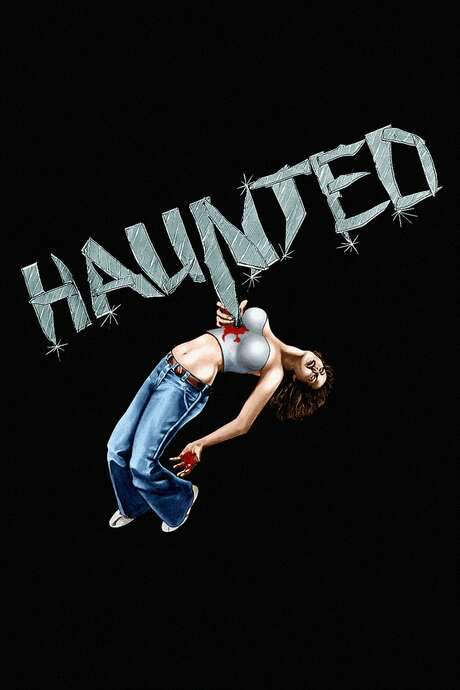
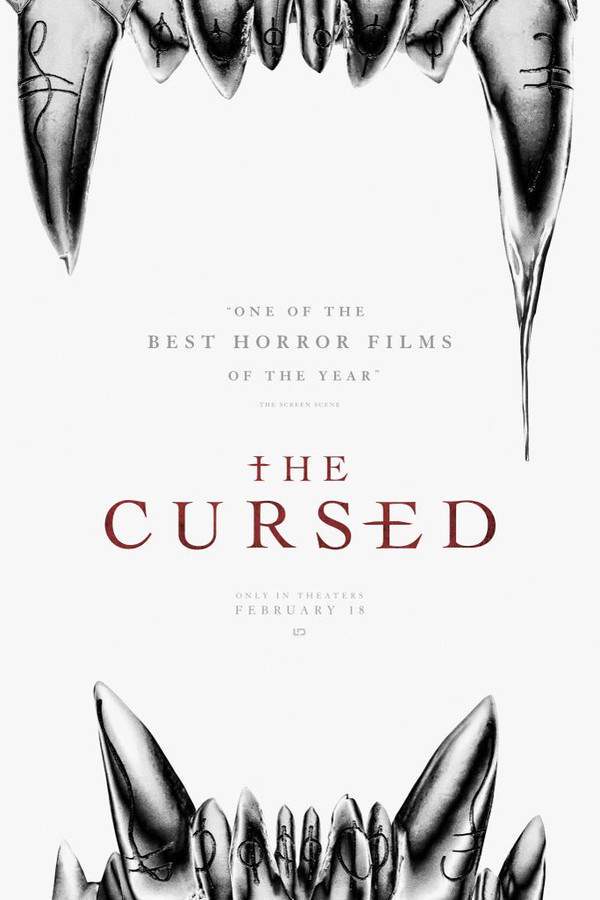
Movies about science vs superstition like From Hell It Came

Tales where rational minds confront inexplicable primal forces. Fans of From Hell It Came will appreciate this selection of films that explore the tension between modern science and ancient beliefs. These stories often feature rational protagonists, like doctors or researchers, who must confront a supernatural threat rooted in tribal lore or primitive magic. Find more movies where hubris meets the uncanny.

  • primitive
  • unsettling
  • atmospheric
  • clash of ideologies
  • scientific hubris
  • inexplicable
  • Tone: dark, tense, unsettling
  • Pacing: steady, deliberate
Why these movies?

The story pattern: The plot often introduces a scientific or rational character into a setting steeped in ancient tradition. They initially dismiss local warnings and legends as superstition, but are gradually proven wrong as the supernatural threat becomes undeniable. The journey involves a shift from skepticism to acceptance, culminating in a struggle that often requires blending both worlds—or succumbing to the primal force.

Why they belong together: This thread connects movies through their central thematic conflict. They share a consistent tone of unease as the familiar framework of science is challenged. The pacing is steady, allowing for the slow erosion of the protagonists' certainty. The emotional weight often comes from the humbling of scientific hubris and the acknowledgement of forces beyond human control.

If you liked this

Movies Like From Hell It Came

Similar movies to From Hell It Came: the same genre, themes or kind of story. Each one comes with its own plot summary, timeline and ending explained.

Browse all movie summaries

Every angle

From Hell It Came (1957) Explained: Plot, Timeline & Characters

Everything about From Hell It Came in one place: what happens in the plot summary, the timeline in chronological order, the characters and meaning and a spoiler-free summary. What's After the Movie adds the cast, box office and post-credit scenes.

Coming soon on iOS and Android

The Plot Explained Movie Summary App

Plot summaries, endings explained and timelines on your phone. Catch up on any movie in minutes, save your favorites and never miss a twist again.

Be the first to know when we launch. Your email stays private, always.

Learn more about the app