Plot Explained Spoilers guaranteed!
Plot Explained

Browse by genre

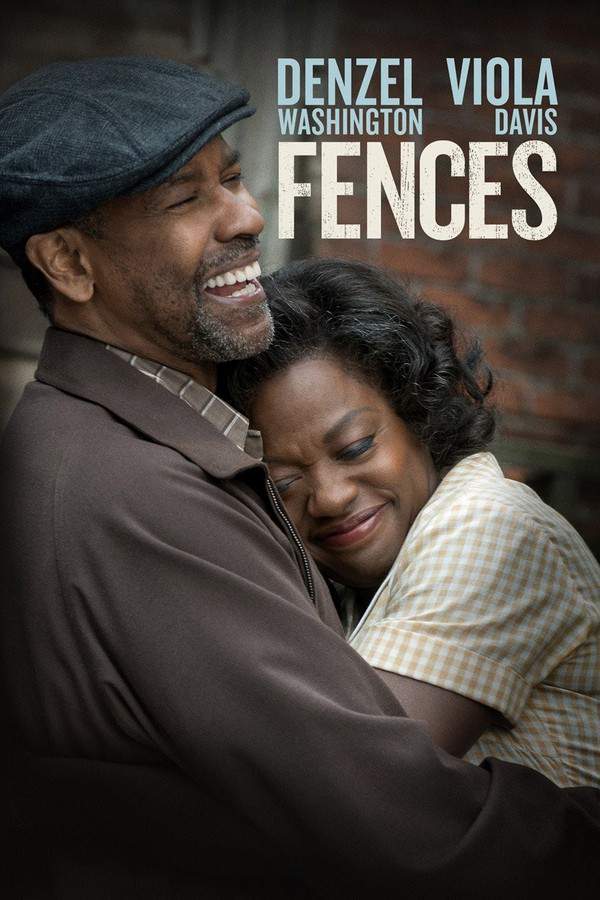
Fences (2016) movie poster

Plot Summary

Fences (2016) Plot Summary & Ending Explained

Release, runtime and language
2016 · 139 min · English
Loading streaming availability…
Starring
Viola Davis, Denzel Washington
Budget
$24M

In 1950s Pittsburgh, Troy Maxson, a sanitation worker, grapples with the disappointment of a lost chance at a major league baseball career. He strives to provide for his wife and sons, but his past failures and rigid worldview create deep divisions within his family. When his son’s aspirations for a college scholarship are threatened, Troy’s actions spark resentment and regret, revealing the complexities of the American Dream and the weight of unspoken burdens.

On this page (7)
  1. 1 Where to watch
  2. 2 What happens: full plot
  3. 3 Plot questions answered
  4. 4 How it ends
  5. 5 Movie threads
  6. 6 Movies like Fences
  7. 7 Every angle
Loading streaming availability…

Full plot summary · contains spoilers

What Happens in Fences: Full Plot Summary

The whole story of Fences (2016) explained, from the opening scene to the final frame: every key event, every twist and what it all adds up to. Read it as a quick recap before the sequel, to check a scene you missed, or to finally understand what really happened.

In 1950s Pittsburgh, Troy Maxson (Denzel Washington) leads a challenging life with his wife Rose (Viola Davis) and their son Cory. He works as a waste collector alongside his close friend Jim Bono. Troy's younger brother, Gabriel (who suffered a head injury in World War II), still resides nearby and often finds himself in trouble due to his peculiar habits and religious fixations.

Having escaped an abusive father, Troy's tumultuous past involves a life of crime that landed him in prison, where he discovered a talent for baseball. Despite playing in the professional Negro Leagues, he was denied a chance in Major League Baseball due to racial barriers. When Bono mentions that Troy was "born too soon," Troy expresses his frustration, emphasizing that his race prevented him from achieving his dreams. He often tells tales of defeating the Grim Reaper in a fistfight, which adds a layer of bravado to his character.

Troy's estranged son from a previous relationship, Lyons Maxson, often visits to borrow money, frustrating Troy, who believes Lyons should seek stable employment instead of chasing musical ambitions. When Rose shares the news that Cory is being scouted for college football, Troy dismisses this opportunity, clinging to his own disappointments. He refuses to sign the necessary documents for Cory, fearing failure and grappling with jealousy that his son may succeed where he did not.

Troy's relationship with Rose takes a downward spiral when he begins an affair with Alberta, a woman he meets in a bar. Although he achieves a significant career milestone by becoming the first African-American garbage truck driver in Pittsburgh, his personal life suffers. A confrontation over Cory's commitment to football and a tragic turn of events with Gabriel leads to domestic tensions.

Troy's revelation of his infidelity to Rose ignites their final conflict, pushing Cory into a confrontation with his father, with tragic consequences. In the months that follow, despite living under the same roof, Troy and Rose drift apart, eventually adding to the family’s turmoil when Troy's mistress dies during childbirth, leaving him to bring home their baby daughter, Raynell.

As Cory considers joining the Marine Corps, an explosive altercation with Troy further strains their relationship. In a dramatic turn, Troy challenges the Reaper once again. After Troy's death from a heart attack six years later, Cory returns home a changed man, grappling with his feelings towards his father. Rose expresses her enduring love for Troy, guiding Cory toward a path of understanding and forgiveness.

At the funeral, the family comes together as Gabriel stands to pray for Troy's passage into the afterlife, invoking a moment of hope and reconciliation as sunlight bathes them—symbolizing an opportunity for healing across generations.
Last updated: November 08, 2024 at 01:23

Was this helpful?

Plot questions answered

Fences Plot Explained: Your Questions Answered

The questions people ask most about Fences (2016): what happens in the confusing scenes, why the characters do what they do, the twists, hidden details and what the ending means. Each answer contains spoilers.

Q1

Why does Troy refuse to sign the papers for Cory's football scholarship?

Troy refuses because he fears Cory will face the same racial barriers he encountered in professional baseball. Having been denied a chance in Major League Baseball despite his talent in the Negro Leagues, Troy projects his own bitterness onto his son's opportunity. He convinces himself that pursuing football will only lead to disappointment, though his refusal also stems from jealousy that Cory might succeed where he failed.

Foreshadowing: Earlier in the film, Troy tells Bono about being denied a chance in MLB because of his race, establishing the root of his resistance.

  • cory
  • football
  • scholarship
  • racial barriers
  • baseball
  • troy maxson
Q2

Why does Troy have an affair with Alberta?

Troy's affair stems from his deep unhappiness and need for validation beyond his disappointing life. Having spent years bitter about his baseball career and feeling trapped by his responsibilities, Troy seeks something that makes him feel alive again. Alberta represents an escape from his frustrations, though the affair also reveals his inability to communicate honestly with Rose about his emotional needs.

Foreshadowing: Troy's recurring complaints about his missed opportunities and his bravado stories hint at a man seeking significance elsewhere.

  • affair
  • alberta
  • rose
  • infidelity
  • troy maxson
Q3

Why is Troy so bitter about his baseball career?

Troy played in the Negro Leagues and was talented enough for Major League Baseball, but systemic racism prevented him from getting that chance. When he was in his prime, MLB was not ready for Black players, and by the time integration happened, Troy was too old. This lost opportunity defines his entire outlook on life, making him resentful and unwilling to encourage his son toward similar dreams.

Foreshadowing: Bono mentions that Troy was 'born too soon,' directly referencing the racial timing that stole his baseball dreams.

  • baseball
  • negro leagues
  • major league
  • racism
  • missed opportunity
  • troy maxson
Q4

What happened to Gabriel and why does he act so strangely?

Gabriel is Troy's younger brother who suffered a head injury during World War II. The injury left him with lasting neurological effects that cause his peculiar behavior and religious fixations. He lives nearby and frequently gets into trouble, but the family tolerates him partly out of obligation and partly because they understand his condition stems from his military service.

Foreshadowing: The timeline notes that Gabriel's injury occurred in World War II, explaining why he remains dependent on the family despite his adult age.

  • gabriel
  • war injury
  • head injury
  • world war 2
  • strange behavior
Q5

Why does Troy bring Raynell home to live with Rose after Alberta dies?

After Alberta dies during childbirth, Troy is left with a newborn daughter and no one to care for her. Despite the tension in his marriage and the fact that Raynell is the product of his affair, Troy brings the baby home, forcing Rose to accept the child. This act represents both Troy's irresponsibility and his desperate attempt to create something positive from his mistake, though it further damages his relationship with Rose.

Foreshadowing: Troy's affair with Alberta was already causing marital tension, and the pregnancy becomes an unavoidable consequence.

  • raynell
  • alberta
  • baby
  • rose
  • troy maxson
  • childbirth
Q6

What does Troy mean when he talks about fighting the Grim Reaper?

Troy tells a story about encountering Death (the Grim Reaper) and defeating him in a fistfight, using this tale to project strength and defiance against mortality. The metaphor represents Troy's lifelong struggle against fate and his refusal to accept defeat. He invokes this story both as bravado and as a way to process his anger about the opportunities stolen from him by racism.

Foreshadowing: Troy's repeated references to fighting Death establish his resistance to accepting his limitations.

  • grim reaper
  • death
  • fistfight
  • metaphor
  • troy maxson
  • mortality
Q7

Why does Rose forgive Troy at the end despite everything he did?

Rose forgives Troy because she recognizes that bitterness would only continue harming her family. Though Troy was unfaithful and caused immense pain, Rose chooses to focus on the love they shared and the healing her family needs. At the funeral, she guides Cory toward understanding rather than resentment, showing that her forgiveness is about breaking the cycle of anger rather than excusing Troy's actions.

Foreshadowing: Rose's earlier confrontation with Troy about the affair showed her deep hurt, making her eventual forgiveness a deliberate choice for peace.

  • rose
  • forgiveness
  • funeral
  • troy maxson
  • cory
  • family
Q8

Why does Cory agree to fence in Raynell's garden at the end?

Cory fences in Raynell's garden as an act of acceptance and reconciliation. Raynell is his half-sister, and by caring for her, Cory chooses to break from the cycle of anger and resentment that defined his relationship with Troy. This gesture represents his growth and willingness to honor his father's memory in a positive way, even though he still struggles with his feelings about Troy.

Foreshadowing: The film's final moments show the family gathered together, with Gabriel praying as sunlight breaks through, symbolizing healing and new beginnings.

  • cory
  • raynell
  • garden
  • fence
  • reconciliation
  • forgiveness
  • troy maxson
Q9

Why does Troy attack Cory when they fight?

The fight between Troy and Cory erupts after years of tension over Cory's football aspirations and Troy's refusal to support them. When Cory confronts Troy about his own failures and tries to break free from his father's control, Troy responds with violence, an assertion of his authority and a reflection of his inability to handle his son's independence. The confrontation represents the culmination of generational wounds and both men's inability to communicate emotionally.

Foreshadowing: Earlier arguments about football and Troy's refusal to sign documents establish the mounting tension between father and son.

  • troy
  • cory
  • fight
  • confrontation
  • father son
  • violence
Q10

Why does Troy resent Lyons visiting to borrow money?

Troy resents Lyons because his older son from a previous marriage prioritizes his music career over stable employment. Troy sees Lyons as chasing unrealistic dreams rather than building a responsible life, reflecting Troy's own disappointment in unfulfilled ambitions. The tension also represents Troy's broader judgment about practicality over passion, shaped by his own missed opportunities.

Foreshadowing: Troy's bitterness about his own failed baseball career makes him particularly unsympathetic to anyone else's dreams.

  • lyons
  • money
  • music
  • troy maxson
  • son
  • resentment

Ending explained

What Happens at the End of Fences?

How Fences (2016) ends, in short: the final scene, the last twist and what it means for the characters. The full ending explained, with every spoiler, lives on its own page.

Read the full ending explained

The ending of Fences reveals that Troy, the strict and often flawed father, dies of a heart attack. This event shifts the story forward six years, showing the impact of his life on his family. During this time, Cory has joined the Marines and is distant from his family due to his bitterness toward Troy. At the family gathering for Troy’s funeral, Cory chooses not to attend, reflecting the deep rift and unresolved feelings left by their troubled relationship. Meanwhile, Raynell, Troy's daughter with Alberta, sings "A Dog Named Blue," symbolizing loyalty and the desire for approval—mirroring Troy's complex relationships. The family gathers in Troy's backyard, listening to Uncle Gabriel play his trumpet, which symbolizes the gates of heaven opening, offering a sense of spiritual release or hope.

Throughout the story, the titular fence is a powerful symbol: for Troy, it reflects his desire to keep his family confined and protected, rooted in his fears of change and failure. For Rose, it signifies her wish to keep her family united and safe. For Cory, the fence represents his feeling of entrapment—trapped by his father's strict rules and limited prospects. The phrase "fences" encapsulates the barriers each character faces—whether emotional, physical, or societal—and reveals how their environment influences their lives.

Continue reading the ending (1 more paragraphs)

Ultimately, the film’s ending underscores the themes of responsibility, regret, and the inescapable consequences of choices made. Troy's life, shaped by his contradictions—his dreams, failures, and sense of duty—has left lasting scars on his family, but the gathering and music suggest a passing into the next realm, leaving behind a complex legacy. The ending invites viewers to reflect on how environments and decisions forge identity and how, despite struggles and mistakes, people carry their stories forward.

Fences ending explained in full

Movie threads

More Movies Like Fences, by Mood & Story

Curated lists built around what makes Fences tick: the same mood, the same kind of story or the same emotional payoff. Each list explains why these movies belong together.

Intense family dramas with tragic figures like in Fences

Stories where a flawed patriarch's past failures poison family bonds. For viewers seeking movies like Fences, this thread gathers intense family dramas centered on a tragic patriarch. These films share a heavy emotional weight, a focus on domestic conflict, and a bittersweet ending that grapples with forgiveness and inherited pain.

  • somber
  • oppressive
  • resentful
  • tragic
  • claustrophobic
  • reflective
  • Tone: melancholic, tragic
  • Pacing: slow, deliberate
Why these movies?

The story pattern: These stories typically follow a linear, character-driven arc where a single character's bitterness and past disappointments serve as the primary source of conflict. The plot unfolds through major confrontations that expose deep family fractures, often culminating in a death or separation that forces the remaining characters toward a difficult reconciliation.

Why they belong together: Movies are grouped here for their shared high intensity derived from interpersonal drama, their melancholic tone centered on regret, and their exploration of how a parent's failures shape their children's lives. They deliver a heavy, reflective viewing experience.

Slow burn character studies of bitterness like in Fences

Character-driven stories where resentment builds to an emotional breaking point. If you liked the character depth in Fences, this thread features similar slow burn character studies about bitterness. These movies are emotionally heavy, feature complex protagonists, and unfold at a deliberate pace to explore themes of regret and the American Dream.

  • bitter
  • reflective
  • somber
  • oppressive
  • psychological
  • regretful
  • Tone: melancholic, somber
  • Pacing: slow, character-driven
Why these movies?

The story pattern: The narrative pattern is introspective and linear, revolving around a central character's psyche. The conflict is primarily internal and interpersonal, with the plot serving as a vehicle to unpack the character's past and its impact on their present relationships. The journey is less about external events and more about the inevitable emotional collapse stemming from a lifetime of bitterness.

Why they belong together: These films are united by their slow, deliberate pacing which amplifies the emotional weight, their melancholic tone driven by a character's core resentment, and their focus on the psychological unraveling of a complex individual. They offer a deeply immersive and somber experience.

If you liked this

Movies Like Fences

Similar movies to Fences: the same genre, themes or kind of story. Each one comes with its own plot summary, timeline and ending explained.

Browse all movie summaries

Every angle

Fences (2016) Explained: Plot, Ending, Timeline & Characters

Everything about Fences in one place: what happens in the plot summary, the timeline in chronological order, the characters and meaning, the ending explained and a spoiler-free summary. What's After the Movie adds the cast, box office and post-credit scenes.

Coming soon on iOS and Android

The Plot Explained Movie Summary App

Plot summaries, endings explained and timelines on your phone. Catch up on any movie in minutes, save your favorites and never miss a twist again.

Be the first to know when we launch. Your email stays private, always.

Learn more about the app