Plot Explained Spoilers guaranteed!
Plot Explained

Browse by genre

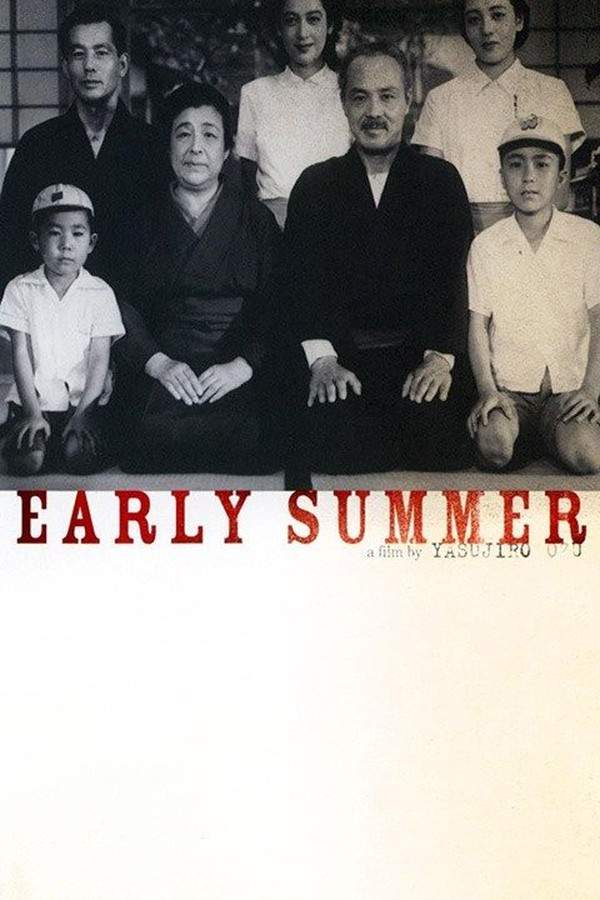
Early Summer (1972) movie poster

Characters & Themes

Early Summer (1972) Characters, Setting & Themes Explained

Release, runtime and language
1972 · 125 min · Japanese
Directed by
Yasujiro Ozu
Starring
Chieko Higashiyama, Chishû Ryû, Haruko Sugimura, Kuniko Miyake, Setsuko Hara, Chikage Awashima

In postwar Tokyo, Noriko, a 28-year-old woman, finds herself at a pivotal moment, balancing her desire for independence with the expectations of her family and society. Faced with pressure to marry, she grapples with two very different possibilities: the stability offered by a match with Takako, and the resurfacing of a childhood connection with Kenkichi, whose return stirs up buried feelings and complicates her choices.

On this page (6)
  1. 1 Characters explained (4)
  2. 2 Where & when it takes place
  3. 3 Themes & meaning (2)
  4. 4 Character & meaning questions
  5. 5 Movie threads
  6. 6 Every angle

4 main characters · contains spoilers

Early Summer Characters Explained: Who Is Who

The main characters of Early Summer (1972), heroes and villains: what drives them, how they change over the course of the story and what each of them reveals about the film's bigger ideas.

  • Noriko

    Noriko is a 28-year-old secretary who balances the expectations of her family with her own desires. She exhibits a strong sense of independence yet faces pressure to conform to traditional marriage roles. As she grapples with significant life choices, Noriko's emotional growth and resilience become evident.

    • 👩‍💼 Protagonist
    • 💔 Marriage
  • Shūkichi

    played by Chishû Ryû

    Shūkichi, Noriko's father, represents the traditional paternal figure who desires to see his daughter settle down. His conflicting emotions around acceptance of Noriko's choices highlight the generational gaps in perspectives on family and relationships.

    • 👨‍👧 Family
    • 👴 Traditional
  • Aya Tamura

    Aya is Noriko's supportive friend in the single group, providing emotional support while also sharing light-hearted moments. Her character reflects the camaraderie among women navigating societal changes in their relationships.

    • 👭 Friendship
    • 😄 Supportive
  • Kenkichi Yabe

    played by Ichirô Sugai

    Kenkichi is a childhood friend of Noriko who is now a widower and a father. He embodies a blend of past connections and new beginnings, presenting a heartfelt choice for Noriko amidst pressure to marry. His character adds depth to the themes of love and loss.

    • 👨‍⚕️ Doctor
    • 💔 Love

Last updated: October 22, 2024 at 21:27

Was this helpful?

Setting

Where and When Does Early Summer Take Place?

The setting of Early Summer (1972): the year and time period, the places and locations, and how they shape the characters, the mood and the tension of the story.

Time period

The film is set in a post-World War II Japan, a time of recovery and societal change. Traditional family structures and societal expectations intersect with modern perspectives on marriage and independence, creating tension and complexity in personal relationships.

Location

Kamakura, Akita

Kamakura is a picturesque coastal city in Kanagawa, known for its historic temples, shrines, and beautiful beaches. It serves as a family home for Noriko, where the dynamics of her extended family play out. Akita, on the other hand, is a more rural area that contrasts with Kamakura's urban environment, known for its distinct dialect and natural beauty.

  • 🏙️ City
  • 🌾 Countryside

Last updated: October 22, 2024 at 21:27

Was this helpful?

2 major themes

Early Summer Meaning: Themes & Message Explained

What is Early Summer (1972) really about? The emotional, social and philosophical themes the film keeps returning to, its symbolism and the message beneath the surface.

  • Marriage & Tradition

    The theme of marriage is central to Noriko's story, representing both societal pressures and personal desires. Family expectations weigh heavily on her decision to wed, reflecting traditional views on women's roles during this time. As Noriko navigates her choices, the film examines the balance between individual wishes and ingrained customs.

  • Change & Acceptance

    The narrative explores the bittersweet nature of change as Noriko's family confronts her decision to marry and move away. Their journey towards acceptance illustrates the emotional struggles families endure when adapting to new realities. The final imagery emphasizes how change can lead to new beginnings despite initial heartbreak.

Last updated: October 22, 2024 at 21:27

Was this helpful?

Character & theme questions

Early Summer Characters & Meaning: Your Questions Answered

The questions people ask about Early Summer (1972): who the characters really are, their relationships, what the symbols mean, where it takes place and what the movie is really about. Each answer contains spoilers.

Q1

Where is Early Summer set?

The film takes place primarily in Kamakura, a coastal city in Kanagawa Prefecture known for its historic temples, shrines, and beaches. This seaside town serves as the setting for Noriko's family home where the family dynamics unfold.

  • kamakura
  • setting
  • location
  • japan
Q2

When does the story take place?

The film is set in post-World War II Japan, during a period of recovery and significant societal change. This era saw traditional family structures colliding with modern perspectives on marriage and personal independence.

  • postwar
  • time period
  • era
  • 1950s
  • japan history
Q3

What is the main theme of Early Summer?

Marriage and tradition is the central theme. The film explores how societal expectations pressure individuals, particularly women, to conform to traditional roles. Noriko's struggle represents the tension between personal desires and family duties in postwar Japanese society.

  • marriage
  • tradition
  • family expectations
  • women's roles
Q4

How does the film handle change and acceptance?

The film portrays change as bittersweet but necessary. Noriko's family must learn to accept her decision to marry and move away, illustrating the emotional struggles families face when adapting to new realities. The ending emphasizes that change can lead to new beginnings despite initial heartbreak.

  • change
  • acceptance
  • family
  • emotional journey
Q5

Who is Noriko in the film?

Noriko is a 28-year-old secretary living in postwar Tokyo. She possesses a strong sense of independence but faces tremendous pressure from her family to conform to traditional marriage expectations. Her emotional growth and resilience form the emotional core of the film.

  • noriko
  • protagonist
  • main character
Q6

Who is Shūkichi in the story?

Shūkichi is Noriko's father, representing the traditional paternal figure in postwar Japan. He desires to see his daughter settle down through marriage. His conflicting emotions around accepting Noriko's choices highlight the generational gaps in perspectives on family and relationships.

  • shukichi
  • father
  • family
  • generation gap
Q7

Who is Kenkichi Yabe?

Kenkichi Yabe is Noriko's childhood friend who returns as a widower and father. He embodies both past connections and new beginnings, presenting a heartfelt romantic option for Noriko amid the pressure to marry. His character adds depth to themes of love, loss, and second chances.

  • kenkichi
  • childhood friend
  • love interest
  • widower
Q8

Who is Aya Tamura?

Aya Tamura is Noriko's supportive friend who belongs to a single women's group. She provides emotional support and shares light-hearted moments with Noriko. Her character reflects the camaraderie among women navigating societal changes and relationship pressures during this era.

  • aya
  • friend
  • supporting character
  • women group
Q9

What is the significance of Akita in the film?

Akita represents a more rural area compared to Kamakura's urban environment, known for its distinct dialect and natural beauty. It serves as a contrast to Noriko's current life and symbolizes the different paths available to her as she considers marriage and relocation.

  • akita
  • rural
  • countryside
  • contrast location
Q10

What is the tone of Early Summer?

The film has a deliberately melancholic tone stemming from Noriko's quiet struggle between personal happiness and societal duty. However, it avoids bleakness through gentle execution and ultimately delivers a bittersweet conclusion that suggests hope amid sadness.

  • tone
  • mood
  • melancholy
  • bittersweet
  • emotional
Q11

What is the narrative style of the film?

The film features deliberately slow pacing that emphasizes atmosphere and character introspection over plot momentum. The narrative follows a straightforward linear progression: social pressure leads to personal reflection, culminating in a decisive, life-altering choice.

  • style
  • pacing
  • ozu
  • japanese cinema
  • storytelling

Movie threads

More Movies Like Early Summer, by Mood & Story

Curated lists built around what makes Early Summer tick: the same mood, the same kind of story or the same emotional payoff. Each list explains why these movies belong together.

Movies about societal pressure like Early Summer

Stories where personal desires clash with the weight of family and tradition. If you liked the gentle conflict between personal freedom and family duty in Early Summer, you'll find similar themes here. This collection features movies about characters navigating societal expectations, marriage pressure, and generational differences, often with a reflective and melancholic tone.

  • reflective
  • melancholic
  • subtle
  • family drama
  • quiet
  • thoughtful
  • Tone: melancholic, reflective
  • Pacing: slow, deliberate
Why these movies?

The story pattern: The narrative typically follows a protagonist, often a woman, at a crossroads. They are presented with a choice that represents the 'correct' path according to tradition versus a riskier path of personal fulfillment. The story focuses on their introspection, the subtle pressures from those around them, and the eventual, often bittersweet, resolution of their dilemma.

Why they belong together: Movies are grouped here because they share a central theme of societal constraint and a quiet, character-driven approach to drama. They prioritize emotional authenticity and subtlety over melodrama, creating a deeply reflective and often poignant viewing experience.

Movies with bittersweet endings like Early Summer

Endings that are both a fulfillment and a loss, capturing the complexity of growing up. Fans of the poignant, realistic ending of Early Summer will appreciate this selection. These are movies that conclude on a bittersweet note, where a character's decisive choice leads to personal growth but also entails a sense of loss or separation, much like Noriko's journey.

  • bittersweet
  • poignant
  • nostalgic
  • melancholic
  • life transition
  • emotional
  • Tone: bittersweet, poignant
  • Pacing: slow to steady, character-focused
Why these movies?

The story pattern: The narrative arc leads to a climax that is a decision rather than an event. The protagonist chooses a path that secures their future or identity, but it inexorably severs a past connection—be it with family, a loved one, or a former way of life. The focus is on the emotional weight and acceptance of this necessary change.

Why they belong together: These movies are united by their emotional conclusion, which perfectly balances hope and regret. They offer a mature, nuanced perspective on life transitions, making them deeply moving and memorable without resorting to tragedy or unadulterated joy.

Every angle

Early Summer (1972) Explained: Plot, Timeline & Characters

Everything about Early Summer in one place: what happens in the plot summary, the timeline in chronological order, the characters and meaning and a spoiler-free summary. What's After the Movie adds the cast, box office and post-credit scenes.

Coming soon on iOS and Android

The Plot Explained Movie Summary App

Plot summaries, endings explained and timelines on your phone. Catch up on any movie in minutes, save your favorites and never miss a twist again.

Be the first to know when we launch. Your email stays private, always.

Learn more about the app