












Plot Explained Spoilers guaranteed!
Plot Explained

Browse by genre

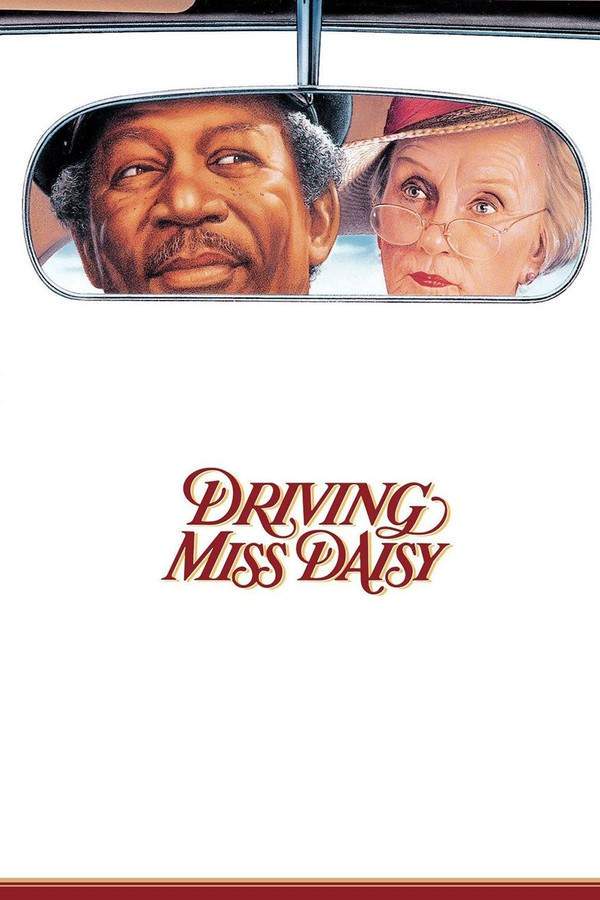
Driving Miss Daisy (1989) movie poster

Timeline

Driving Miss Daisy (1989) Timeline Explained – Every Event in Order

Release, runtime and language
1989 · 99 min · English
JustWatch #6,697 11
Directed by
Bruce Beresford
Starring
Jessica Tandy, Morgan Freeman, Dan Aykroyd

In Atlanta, elderly widow Daisy Werthan's life takes an unexpected turn after a car accident. Unable to drive, she reluctantly hires Hoke Colburn, an African-American man, as her chauffeur. Over two decades, a touching and unlikely friendship blossoms between them, challenging racial prejudices and societal expectations as they share life's experiences and create a bond that transcends differences.

On this page (7)
  1. 1 Where to watch
  2. 2 Events in order (12)
  3. 3 Timeline questions answered
  4. 4 The book behind the movie
  5. 5 Movie threads
  6. 6 Movies like Driving Miss Daisy
  7. 7 Every angle

Where to watch

Where to Watch Driving Miss Daisy (1989)

Where can you watch Driving Miss Daisy? Stream, rent or buy it in the US, including on Hoopla, Plex and Tubi TV: current JustWatch availability with up-to-date prices.

Streaming availability powered by JustWatch

12 events in order · contains spoilers

Driving Miss Daisy Timeline: Events in Chronological Order

Every key event of Driving Miss Daisy (1989) in order, scene by scene, with when and where it takes place. Use it to untangle flashbacks, time jumps and parallel storylines, to refresh your memory before the sequel or to find the exact scene you are thinking of.

  1. Miss Daisy's Accident

    In the summer of 1948, Daisy Werthan, a 72-year-old Jewish widow, accidentally crashes her 1946 Chrysler Windsor into her neighbor's yard. This incident serves as a catalyst for change in her life, prompting her son Boolie to intervene.

    When
    Summer 1948
    Where
    Atlanta, Georgia
  2. Introducing Hoke Colburn

    Following the accident, Boolie decides that Miss Daisy needs a chauffeur and hires Hoke Colburn, a 60-year-old black man. Miss Daisy is initially resistant to having Hoke drive her, preferring to maintain her independence.

    Where
    Atlanta, Georgia
  3. The Growing Bond

    As Hoke assumes his role, he exhibits patience and persistence, gradually winning over Miss Daisy. Their daily drives through the city allow both characters to grow and learn from each other despite the initial tensions.

    Where
    Atlanta, Georgia
  4. A New Responsibility

    In the spring of 1963, following the death of her longtime housekeeper Idella, Miss Daisy reassesses her relationship with Hoke. She begins to rely on him for more than just transportation, entrusting him with additional household duties.

    When
    Spring 1963
  5. Social Turmoil

    During a time of social unrest due to the civil rights movement, Miss Daisy's own biases surface when her synagogue experiences bomb threats. This intertwines her personal challenges with the broader societal issues of the era.

    Where
    Atlanta, Georgia
  6. A Significant Dinner

    Compelled by the ongoing changes in society, Miss Daisy decides to attend a dinner where Dr. Martin Luther King Jr. is speaking. She struggles with whether to invite Hoke, reflecting her internal conflicts regarding race and friendship.

  7. The Invitation

    Just before the dinner, Miss Daisy extends an invitation to Hoke, who initially feels uncomfortable but ultimately accepts. On their drive home, he listens to King's impactful speech on the radio, highlighting both their differing experiences and evolving friendship.

  8. Cognitive Decline

    By 1971, Miss Daisy shows early signs of dementia, confused about her memories and believing she is once again a young teacher. Hoke's comforting presence becomes essential for her as she navigates her deteriorating reality.

    When
    1971
  9. Decision to Move

    Boolie faces a difficult moment when he must decide to move Miss Daisy to a retirement home due to her decline in health. This transition marks a bittersweet change in their relationship, underscoring their deep bond despite the circumstances.

  10. A Journey of Reflection

    In 1973, Hoke, now 85 years old, reflects on his years as Miss Daisy's chauffeur and friend. Boolie drives him on a nostalgic trip to see Miss Daisy, who at 97 still embodies a vibrant spirit.

    When
    1973
    Where
    Atlanta, Georgia
  11. Thanksgiving Reunion

    During their reunion, Hoke helps Miss Daisy prepare her Thanksgiving pie, a gesture laden with warmth and nostalgia. This shared moment symbolizes their enduring friendship and the cherished memories they created together.

    Where
    Atlanta, Georgia
  12. Final Journey

    As the story concludes, a sleek black Cadillac drives along a winding road at sunset. This final image symbolizes both the completion of their journey together and the possibility of new adventures that lie ahead.

Last updated: November 22, 2024 at 16:05

Was this helpful?

Timeline questions answered

Driving Miss Daisy Timeline Explained: Your Questions Answered

When does it happen, and why in that order? The questions people ask about the chronology of Driving Miss Daisy (1989): time jumps, flashbacks, cause and effect between scenes and the correct order of events, each answered with spoilers.

Q1

Why does Miss Daisy need a chauffeur?

Miss Daisy needs a chauffeur after she accidentally drives her 1946 Chrysler Windsor into her neighbor's yard in the summer of 1948. Her son Boolie decides she's too old and unsafe to drive anymore, so he hires Hoke Colburn as her dedicated driver. Miss Daisy initially resists this decision, wanting to maintain her independence, but eventually accepts Hoke's services.

  • car accident
  • boolie
  • hired driver
  • independence
Q2

Why is Miss Daisy resistant to Hoke at first?

Miss Daisy is resistant to Hoke because she values her independence and autonomy. At 72 years old, she's accustomed to driving herself and making her own decisions. Additionally, the social dynamics of 1948 Atlanta create tension, she's an elderly Jewish widow being paired with a black chauffeur, which challenges both her sense of self-reliance and the racial expectations of the era.

  • resistance
  • independence
  • racial dynamics
  • initial relationship
Q3

How does Hoke earn Miss Daisy's trust?

Hoke earns Miss Daisy's trust through his patience, consistency, and gentle approach. He doesn't push back against her initial hostility but continues doing his job reliably. Over time, their daily drives through Atlanta become shared experiences, and Hoke's respectful persistence gradually breaks down her defenses, transforming their professional relationship into a genuine friendship.

  • trust
  • patience
  • friendship development
  • daily drives
Q4

Why does Miss Daisy teach Hoke to read?

Miss Daisy teaches Hoke to read as their friendship develops, using her background as a retired schoolteacher. This educational moment represents a reversal of their expected dynamic, instead of simply being served by Hoke, Miss Daisy becomes his teacher. This act of sharing knowledge strengthens their bond and establishes a more equal relationship between them.

Foreshadowing: Earlier scenes establish Miss Daisy as a retired schoolteacher, making this moment a natural extension of her identity.

  • teaching
  • reading
  • education
  • teacher
  • friendship
Q5

What happens to Idella in Driving Miss Daisy?

Idella, Miss Daisy's devoted black housekeeper, passes away in the spring of 1963. Her death is a significant event that prompts Miss Daisy to reassess her relationship with Hoke. Following Idella's death, Miss Daisy begins relying on Hoke for more responsibilities, including cooking and driving, which deepens their connection.

  • idella
  • death
  • housekeeper
  • 1963
Q6

Why does Miss Daisy invite Hoke to the MLK dinner?

Miss Daisy decides to invite Hoke to the dinner where Dr. Martin Luther King Jr. is speaking because she's grappling with the civil rights movement and her own biases. She struggles with the decision, reflecting her internal conflict about race and friendship. She eventually extends the invitation just before the event, showing her evolving views despite her initial hesitation.

  • martin luther king
  • dinner
  • civil rights
  • invitation
  • racial attitudes
Q7

Why does Miss Daisy's synagogue experience bomb threats?

Miss Daisy's synagogue experiences bomb threats during the height of the civil rights movement in the 1960s. This event intertwines her personal life with the broader social turbulence of the era, forcing her to confront the same kind of hatred and fear that Black Americans like Hoke face daily. It highlights the irony of her own potential biases while she experiences targeted violence.

  • synagogue
  • bomb threats
  • civil rights
  • 1960s
  • antisemitism
Q8

How does Miss Daisy's dementia develop?

By 1971, Miss Daisy begins showing early signs of dementia. She becomes confused about her memories, sometimes believing she's a young teacher again. Hoke becomes her primary source of comfort during these episodes, and she comes to view him as her "best friend." This cognitive decline ultimately leads to the difficult decision to move her to a retirement home.

  • dementia
  • memory loss
  • 1971
  • cognitive decline
  • hoke care
Q9

Why does Boolie move Miss Daisy to a retirement home?

Boolie makes the difficult decision to move Miss Daisy to a retirement home because her dementia progresses to the point where she can no longer safely care for herself. Despite the emotional difficulty of this choice, Boolie recognizes that she needs more support than Hoke alone can provide. This decision marks a bittersweet turning point in their relationship.

  • boolie
  • retirement home
  • nursing home
  • dementia care
  • decision
Q10

What happens in the final scene of Driving Miss Daisy?

In the final scene of 1973, Boolie drives the elderly Hoke to visit Miss Daisy at the retirement home. Now 97, Miss Daisy still shows glimpses of her fiery spirit. During their reunion, Hoke helps her prepare a Thanksgiving pie, symbolizing their enduring bond. The film ends with a black Cadillac driving along a winding road at sunset, representing both the completion of their journey and the possibility of new adventures.

  • final scene
  • thanksgiving
  • 1973
  • cadillac
  • sunset
  • reunion
Q11

How does the friendship between Hoke and Miss Daisy develop over 25 years?

Their friendship evolves from initial resistance and formal employer-employee dynamic in 1948 to genuine mutual affection and dependency by the 1970s. Over 25 years, they share daily drives, weather personal losses (Idella's death), navigate societal changes together (civil rights era), and support each other through health challenges. Their bond ultimately transcends racial and social boundaries, becoming a profound friendship.

  • friendship evolution
  • 25 years
  • relationship development
  • bond
Q12

Why is the ending of Driving Miss Daisy bittersweet?

The ending is bittersweet because it affirms the deep friendship between Hoke and Miss Daisy through their heartwarming reunion, yet it's framed by their physical decline and the reality of her memory care. Miss Daisy is in a retirement home, Hoke is nearly blind and at the end of his career, yet they share a moment of warmth preparing Thanksgiving pie together. The final image of the Cadillac on the winding road symbolizes both closure and the ongoing journey of their relationship.

  • bittersweet ending
  • final scene
  • emotional conclusion
  • decline
  • reunion

Movie threads

More Movies Like Driving Miss Daisy, by Mood & Story

Curated lists built around what makes Driving Miss Daisy tick: the same mood, the same kind of story or the same emotional payoff. Each list explains why these movies belong together.

Movies with Bittersweet Friendships Like Driving Miss Daisy

Stories where powerful bonds form across years, marked by joy, loss, and change. Explore movies like Driving Miss Daisy that center on profound friendships spanning decades. These stories share a gentle, reflective pace and a bittersweet tone, celebrating human connection while poignantly observing the passage of time and societal change.

  • heartwarming
  • melancholic
  • nostalgic
  • reflective
  • gentle
  • poignant
  • Tone: bittersweet, reflective
  • Pacing: slow, character-driven
Why these movies?

The story pattern: Narratives in this thread unfold linearly across a long timeframe, following two or more characters as their lives intertwine. The central conflict is often internal or societal, challenging the friendship, but the core emotional journey is the slow, steady growth of a bond that becomes a defining element of each character's life. The endings are typically bittersweet, affirming the relationship's value while acknowledging the costs of time.

Why they belong together: These films are grouped together because they share a unique emotional mix: the heartwarming joy of a deep, unlikely friendship balanced with the melancholy of aging, change, and loss. They prioritize character development over dramatic action and leave the viewer with a poignant, reflective feeling.

Gentle Movies About Overcoming Prejudice Like Driving Miss Daisy

Quiet stories where personal connection quietly challenges prejudice and class. Find gentle character-driven movies similar to Driving Miss Daisy, where an unlikely friendship blossoms across social divides. These films use a slow, observant pace to explore how personal bonds can challenge societal norms with warmth and subtlety.

  • heartwarming
  • thoughtful
  • gentle
  • uplifting
  • reflective
  • hopeful
  • Tone: bittersweet, hopeful
  • Pacing: slow, observational
Why these movies?

The story pattern: The narrative pattern involves two characters from vastly different worlds being forced into proximity, often through a professional arrangement. Initial friction gives way to a grudging respect and eventually a profound, unspoken friendship. Societal tensions are present but are explored through quiet, personal moments rather than large-scale drama. The resolution affirms the value of the connection without suggesting it has single-handedly solved wider injustices.

Why they belong together: These movies are linked by their gentle approach to heavy themes. They share a low-key intensity, a bittersweet tone, and a focus on the quiet victory of human understanding over abstract prejudice. The experience is thoughtful and heartwarming without being simplistic or overly sentimental.

If you liked this

Movies Like Driving Miss Daisy

Similar movies to Driving Miss Daisy: the same genre, themes or kind of story. Each one comes with its own plot summary, timeline and ending explained.

Browse all movie summaries

Every angle

Driving Miss Daisy (1989) Explained: Plot, Timeline & Characters

Everything about Driving Miss Daisy in one place: what happens in the plot summary, the timeline in chronological order, the characters and meaning and a spoiler-free summary. What's After the Movie adds the cast, box office and post-credit scenes.

Coming soon on iOS and Android

The Plot Explained Movie Summary App

Plot summaries, endings explained and timelines on your phone. Catch up on any movie in minutes, save your favorites and never miss a twist again.

Be the first to know when we launch. Your email stays private, always.

Learn more about the app