Plot Explained Spoilers guaranteed!
Plot Explained

Browse by genre

Devil Doll (1964) movie poster

Characters & Themes

Devil Doll (1964) Characters, Setting & Themes Explained

Release, runtime and language
1964 · 81 mins · English
Directed by
Lindsay Shonteff
Starring
Alan Gifford, William Sylvester, Francis de Wolff, Yvonne Romain, Sandra Dorne, Sadie Corre

Is it flesh or wood? Man or monster? Alive or dead? An evil hyponotist/ventriloquist plots to gain an heiress’ millions.

On this page (7)
  1. 1 Characters explained (7)
  2. 2 Where & when it takes place
  3. 3 Themes & meaning (3)
  4. 4 Character & meaning questions
  5. 5 Movie threads
  6. 6 Movies like Devil Doll
  7. 7 Every angle

7 main characters · contains spoilers

Devil Doll Characters Explained: Who Is Who

The main characters of Devil Doll (1964), heroes and villains: what drives them, how they change over the course of the story and what each of them reveals about the film's bigger ideas.

  • The Great Vorelli (Bryant Haliday)

    A renowned stage hypnotist who blends illusion, medical arrogance, and Eastern mysticism. He can subdue others with a single will and weaponize minds for his gain, including raping Marianne and imprisoning Hugo within a doll. His charm masks a dangerous, controlling personality that will stop at nothing to protect his act and wealth.

    • 🧠 Mind control
    • 🪄 Illusionist
    • 🎭 Villain
  • Marianne Horn (Yvonne Romain)

    A wealthy heiress swept into Vorelli’s orbit and into hypnotic submission. She becomes the instrument of Vorelli’s plan, then a victim trapped in a paralytic trance that Mark must unravel. Her struggle reveals the fragility of autonomy against charismatic power.

    • 💎 Heiress
    • 🧠 Mind-control victim
    • 🫂 Victim of manipulation
  • Mark English (William Sylvester)

    An American reporter investigating Vorelli, skeptical of the apparent miracles. He becomes Marianne’s ally as he deciphers Vorelli’s past and tries to rescue her from hypnotic control. His persistence drives the investigation into a deadly truth.

    • 🗞️ Reporter
    • 🕵️ Investigator
    • 🧭 Investigator
  • Hugo the Dummy (Sadie Corre)

    The puppet that seems to move of its own accord and later is revealed as a vessel for Hugo's soul. Hugo’s struggles against captivity culminate in a violent clash with Vorelli, highlighting the blurring line between man and automaton.

    • 🤖 Puppet
    • 🪦 Soul transfer
    • 🧭 Tragic figure
  • Mercedes (Lorenza Colville)

    A former Vorelli assistant who can confirm the backstory of Hugo and the doll’s unsettling past. She serves as a crucial link to the truth behind Hugo’s transfer and Vorelli’s black magic.

    • 🗝️ Secret keeper
    • 🗺️ Witness
    • 🧭 Informant
  • Magda Gardinas (Sandra Dorne)

    Vorelli's current lover and assistant who becomes entangled in the scheme. Her defiance and threat of reporting the crimes escalate the danger, culminating in a fatal confrontation.

    • 💔 Lover turned victim
    • 🗝️ Secret relationship
    • 🗡️ Threatened
  • Grace (Heidi Erich)

    A younger assistant brought into Vorelli’s hypnotic orbit. She represents a new, more vulnerable target under his control, illustrating the ongoing cycle of exploitation.

    • 🤝 Assistant
    • 🧭 Hypnosis
    • 🆕 Challenger

Last updated: October 04, 2025 at 18:30

Was this helpful?

Setting

Where and When Does Devil Doll Take Place?

The setting of Devil Doll (1964): the year and time period, the places and locations, and how they shape the characters, the mood and the tension of the story.

Time period

1940s

Set in the late 1940s, the tale unfolds across postwar Europe. London provides the glittering but sinister backdrop of stage magic and high-society balls, while Berlin's recent war-past haunts the backstory through Hugo's memories. The film hints at a Spain-bound finale in Marianne's future, reflecting a Europe attempting to heal while old powers linger. The time period emphasizes a world where science, superstition, and wealth collide.

Location

London, England; Berlin, Germany; Spain

London serves as the primary stage for The Great Vorelli's act, with his hypnotic show captivating a packed audience. The story moves from smoky theatres to a grand aunt's mansion during a charity ball, showcasing high society’s gaze on illusion and danger. Berlin memories surface in Hugo's past, hinting at a war-ravaged backdrop. The plot also touches on an eventual move toward Spain as a destination for Marianne's fate.

  • 🎭 Stagecraft
  • 🗺️ Travel
  • 🏛️ High society

Last updated: October 04, 2025 at 18:30

Was this helpful?

3 major themes

Devil Doll Meaning: Themes & Message Explained

What is Devil Doll (1964) really about? The emotional, social and philosophical themes the film keeps returning to, its symbolism and the message beneath the surface.

  • Mind Control

    The film centers on hypnotism and the manipulation of free will. Vorelli wields psychological power to bend Marianne and Hugo to his will, blurring lines between performer and puppeteer. The narrative probes how control, once granted, can corrupt and destroy lives. The danger lies in believing that will is not one's own.

  • Secrets & Identity

    Hidden pasts drive the plot: Vorelli's medical history, Hugo's soul transfer, Mercedes' warnings, and Marianne's waking nightmare. The mystery unfolds through clues and testimonials, gradually exposing who is real and who is a vessel for another's spirit. The film treats memory as a fragile key that can unlock or trap a person’s essence. The tension comes from what characters keep concealed.

  • Betrayal & Power

    Romantic and professional betrayals fuel the drama: Vorelli rapes Marianne, Magda betrays trust, and Hugo rebels against his cage. Power is exercised through fear, manipulation, and the threat of violence. The story asks how much people are willing to sacrifice for ambition, wealth, or love. The climactic struggle exposes the true cost of wielding control.

Last updated: October 04, 2025 at 18:30

Was this helpful?

Character & theme questions

Devil Doll Characters & Meaning: Your Questions Answered

The questions people ask about Devil Doll (1964): who the characters really are, their relationships, what the symbols mean, where it takes place and what the movie is really about. Each answer contains spoilers.

Q1

Where is the movie set?

The film takes place primarily in London, where The Great Vorelli performs his hypnotic stage show. Additional scenes occur in Berlin, which features in Hugo's wartime memories, and the story hints at Spain as a final destination for Marianne.

  • london
  • berlin
  • spain
  • setting
  • stage magic
  • postwar europe
Q2

What time period is the story set in?

The movie is set in the late 1940s, during postwar Europe. This timeframe is significant as it portrays a world still recovering from World War II, where scientific rationalism clashes with superstition and the remnants of older mystical practices.

  • 1940s
  • postwar
  • time period
  • europe
  • era
Q3

What are the main themes in the film?

The film explores three interconnected themes: Mind Control, which examines how hypnotism can be weaponized to strip away free will; Secrets & Identity, focusing on hidden pasts and the question of what makes someone real; and Betrayal & Power, showing how control corrupts and drives characters to sacrifice others for ambition and wealth.

  • mind control
  • hypnotism
  • identity
  • secrets
  • betrayal
  • power
  • themes
Q4

Who is The Great Vorelli?

The Great Vorelli is a renowned stage hypnotist who combines illusion with Eastern mysticism and medical arrogance. He uses his hypnotic abilities to manipulate others, particularly targeting wealthy heiresses to steal their fortunes. His charming exterior masks a dangerous, controlling personality that will do anything to protect his act and wealth.

  • vorelli
  • hypnotist
  • stage magician
  • villain
  • manipulator
Q5

What is Hugo the Dummy?

Hugo the Dummy appears to be a ventriloquist puppet, but is actually a vessel containing the soul of Hugo, a former assistant. Through dark magic or psychological manipulation, Vorelli imprisoned Hugo's consciousness within the doll, making it appear alive and enabling Hugo to witness and eventually rebel against his captivity.

  • hugo
  • dummy
  • puppet
  • soul transfer
  • ventriloquist
  • reanimation
Q6

Why is Marianne Horn targeted by Vorelli?

Marianne Horn is a wealthy heiress whom Vorelli targets as part of his scheme to gain her millions. He uses hypnotic control to subdue her, making her an instrument of his plan before trapping her in a paralytic trance. Her wealth and vulnerability make her the perfect victim for his financial and psychological manipulation.

  • marianne
  • heiress
  • victim
  • money
  • inheritance
  • hypnosis
Q7

Who is Mark English?

Mark English is an American reporter who investigates The Great Vorelli, skeptical of the apparent miracles performed on stage. He becomes Marianne's ally, working to uncover Vorelli's dark past and rescue her from hypnotic control. His persistence drives the investigative plot that uncovers the truth.

  • mark english
  • reporter
  • investigator
  • american
  • protagonist
Q8

How does the film explore mind control?

The film centers on hypnotism as a tool for manipulating free will. Vorelli uses psychological power to bend both Marianne and Hugo to his will, blurring the lines between performer and puppeteer. The narrative warns that once control is granted, it can corrupt and destroy lives, questioning whether victims truly possess their own will.

  • hypnosis
  • mind control
  • free will
  • psychological manipulation
  • subconscious
Q9

What kind of world does the movie portray?

The film depicts a postwar European world where stage magic, scientific skepticism, and supernatural beliefs collide. London provides glamorous but sinister high-society settings, while Berlin carries the weight of recent war trauma. This setting reflects a society where wealth, mysticism, and psychological manipulation create dangerous intersections.

  • postwar europe
  • london
  • theatre
  • high society
  • stage magic
  • mysticism
Q10

How does the film handle secrets and identity?

Hidden pasts drive the entire plot: Vorelli's medical history, Hugo's soul transfer, Mercedes' warnings, and Marianne's nightmare state. The mystery unfolds through clues that gradually reveal who is real and who is merely a vessel for another's spirit. The film treats memory as a fragile key that can either unlock or trap a person's essence.

  • identity
  • secrets
  • memory
  • past
  • real vs vessel
  • transference
Q11

What roles do Mercedes and Magda play?

Mercedes is a former Vorelli assistant who possesses crucial knowledge about Hugo and the doll's unsettling history, serving as a link to the truth. Magda is Vorelli's current lover and assistant who becomes entangled in his scheme. Both women represent different responses to his manipulation, one seeking to expose the truth, the other becoming complicit before defying him.

  • mercedes
  • magda
  • assistant
  • witness
  • truth
  • complicity
Q12

What does the film say about betrayal and power?

Romantic and professional betrayals fuel the drama, Vorelli assaults Marianne, Magda betrays trust, and Hugo rebels against his imprisonment. The story explores how far people will go for ambition, wealth, or love. The climactic struggle reveals the devastating cost of wielding control over others, showing how power corrupts absolutely.

  • betrayal
  • power
  • corruption
  • control
  • ambition
  • sacrifice

Movie threads

More Movies Like Devil Doll, by Mood & Story

Curated lists built around what makes Devil Doll tick: the same mood, the same kind of story or the same emotional payoff. Each list explains why these movies belong together.

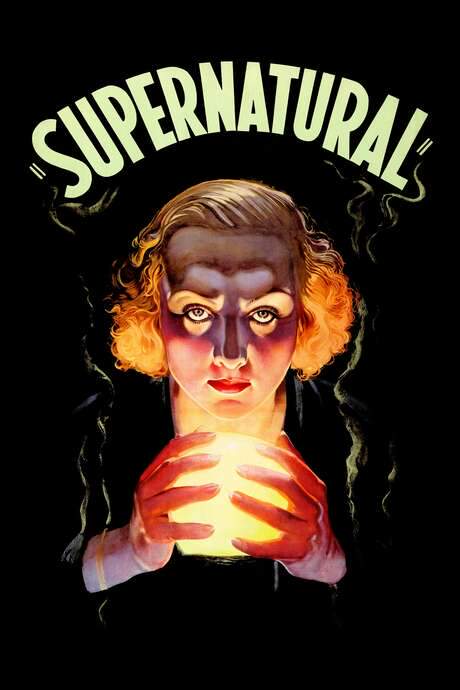
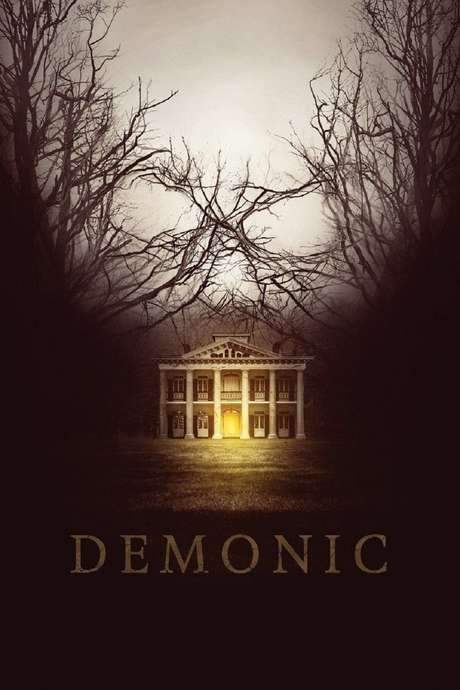
Movies with supernatural investigations like Devil Doll

Where rational protagonists confront inexplicable evils through tense inquiry. If you liked the investigative tension in Devil Doll, this list features similar movies where characters probe supernatural mysteries. These films often feature steady pacing, a dark tone, and a protagonist confronting a power they barely understand, leading to unsettling revelations.

  • investigative
  • suspenseful
  • supernatural
  • ominous
  • unsettling
  • dread
  • Tone: dark, tense, ominous
  • Pacing: steady, investigative
Why these movies?

The story pattern: The narrative usually follows a linear investigative structure where a protagonist, driven by curiosity or duty, seeks to understand a supernatural threat. The plot unfolds through discoveries and confrontations, methodically building the central mystery until a climactic and often ambiguous resolution that leaves the nature of evil unanswered.

Why they belong together: Movies in this thread share the core pattern of a rational investigation into the supernatural, creating a specific blend of procedural tension and eerie dread. They are grouped by their focus on the process of uncovering a mystery, the steady pacing that builds suspense, and the unsettling collision of the known world with malevolent forces.
Claustrophobic psychological horror movies like Devil Doll

Stories of inescapable psychological control that suffocate the soul. For viewers who appreciated the oppressive atmosphere and themes of control in Devil Doll, this collection features movies with similar psychological horror. These films excel at building claustrophobic dread and exploring the terror of manipulation, often featuring ambiguous endings that leave a lasting chill.

  • claustrophobic
  • oppressive
  • disturbing
  • psychological
  • dread
  • chilling
  • Tone: dark, oppressive, chilling
  • Pacing: steady, suffocating
Why these movies?

The story pattern: Narratives in this thread often trap characters in a confined setting—physical or psychological—under the control of a manipulative antagonist. The conflict is internal as much as external, focusing on the struggle to resist or break free. The pacing is typically steady, building an inescapable sense of doom, and endings are often bleak or ambiguous, reflecting the lingering scars of the ordeal.

Why they belong together: These films are united by their central focus on the horror of psychological violation. The shared elements are a dark, oppressive tone, a steady pacing that builds suffocating tension, and a high intensity driven by themes of non-consensual control. The emotional weight is heavy, leaving a profound feeling of unease.

If you liked this

Movies Like Devil Doll

Similar movies to Devil Doll: the same genre, themes or kind of story. Each one comes with its own plot summary, timeline and ending explained.

Browse all movie summaries

Every angle

Devil Doll (1964) Explained: Plot, Timeline & Characters

Everything about Devil Doll in one place: what happens in the plot summary, the timeline in chronological order, the characters and meaning and a spoiler-free summary. What's After the Movie adds the cast, box office and post-credit scenes.

Coming soon on iOS and Android

The Plot Explained Movie Summary App

Plot summaries, endings explained and timelines on your phone. Catch up on any movie in minutes, save your favorites and never miss a twist again.

Be the first to know when we launch. Your email stays private, always.

Learn more about the app