Plot Explained Spoilers guaranteed!
Plot Explained

Browse by genre

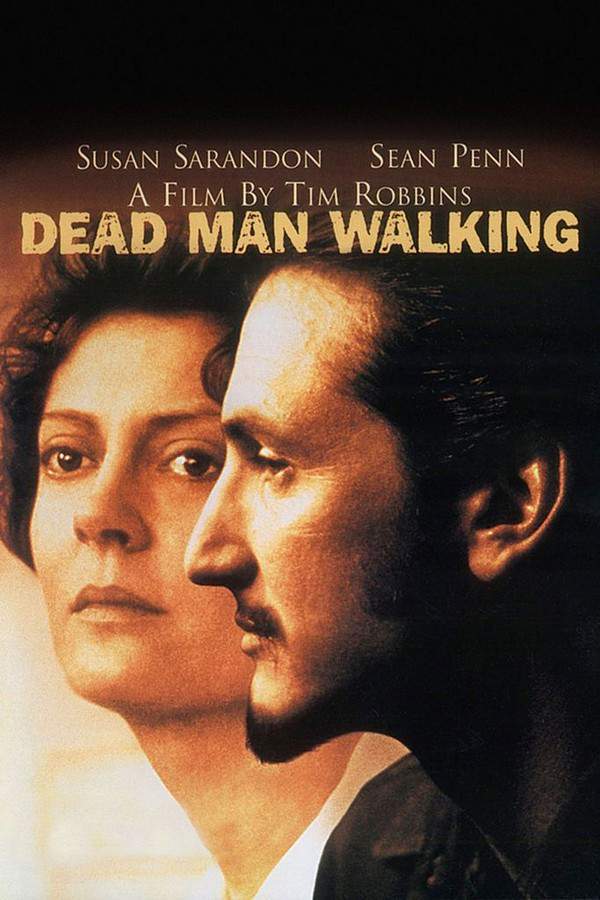
Dead Man Walking (1995) movie poster

Timeline

Dead Man Walking (1995) Timeline Explained – Every Event in Order

Release, runtime and language
1995 · 122 min · English
Loading streaming availability…
Starring
Susan Sarandon, Sean Penn

As Matthew Poncelet's execution draws near, Sister Helen Prejean becomes his spiritual advisor, forging an unexpected bond with the convicted murderer. Through their interactions, she seeks to understand the circumstances surrounding his alleged crimes and the impact on the victims' families. This process compels Prejean to grapple with profound questions of justice, compassion, and the complexities of the death penalty system, while also confronting the pain of those affected by violence.

On this page (7)
  1. 1 Where to watch
  2. 2 Events in order (13)
  3. 3 Timeline questions answered
  4. 4 The book behind the movie
  5. 5 Movie threads
  6. 6 Movies like Dead Man Walking
  7. 7 Every angle
Loading streaming availability…

13 events in order · contains spoilers

Dead Man Walking Timeline: Events in Chronological Order

Every key event of Dead Man Walking (1995) in order, scene by scene, with when and where it takes place. Use it to untangle flashbacks, time jumps and parallel storylines, to refresh your memory before the sequel or to find the exact scene you are thinking of.

  1. Matthew Poncelet Sentenced

    Matthew Poncelet is sentenced to death after being convicted of the tragic murder of a teenage couple, Walter Delacroix and Hope Percy. Alongside accomplice Carl Vitello, who received a life sentence, Poncelet finds himself languishing on death row at the Louisiana State Penitentiary for six long years.

    Where
    Louisiana State Penitentiary
  2. Sister Helen's Involvement

    As Poncelet's execution date approaches, he reaches out to Sister Helen Prejean, seeking her support and expressing his perceived innocence. Motivated by his pleas, Sister Helen decides to visit him despite the warnings of the prison chaplain who believes Poncelet is attempting to manipulate her.

    Where
    Louisiana State Penitentiary
  3. Poncelet's Claims of Innocence

    In their meetings, Poncelet insists on his innocence, claiming that it was Vitello who committed the murders while he simply followed orders. He shares a photo of his young daughter, expressing remorse over having missed her upbringing during his incarceration.

  4. Appeal for Legal Help

    Poncelet, emboldened by his self-education in law, seeks Sister Helen's assistance to file a motion for an appeal. He believes that with her help, he could prove his innocence and avoid execution, showcasing a blend of desperation and manipulative charm.

  5. Securing Legal Representation

    Determined to help Poncelet, Sister Helen reaches out to attorney Hilton Barber, who agrees to take the case pro bono. Hilton's belief that Poncelet can sway the pardon board hinges on demonstrating his humanity, highlighting the importance of family support during the hearing.

  6. The Pardon Board Hearing

    During the hearings, Hilton argues that Poncelet was denied adequate legal representation, putting him at a disadvantage. The prosecution presents a harrowing narrative about the victims' families, which ultimately leads to the board's decision to refuse clemency, paving the way for a scheduled execution.

    Where
    Pardon Board
  7. Helen's Conflict with Victims' Families

    As Sister Helen continues to advocate for Poncelet, she faces backlash from the families of the victims who feel betrayed by her assistance to a convicted murderer. Caught in a moral struggle, she strives to understand the deep pain felt by the victims' families while also seeking redemption for Poncelet.

  8. Reflections on Loss

    As the execution date nears, Sister Helen and Poncelet discuss their personal tragedies, revealing contrasting narratives of pain. Poncelet learns about Hope's aspirations to join the Air Force, adding layers to the emotional weight of the crimes committed and the desire for justice among the grieving families.

  9. Growing Tensions

    Despite many discussions, Poncelet continues to display arrogance and contempt during interviews, making flippant remarks about violence. This demeanor frustrates Helen, who realizes the challenge of helping him recognize the gravity of his actions and the suffering he has caused.

  10. Preparation for Execution

    As the day of execution approaches, Poncelet is moved to an isolated facility where Sister Helen spends long hours with him. In these critical moments, she emphasizes personal responsibility and encourages him to read the Bible, hoping he might find redemption before facing his fate.

    Where
    Isolated Facility
  11. Confession Before Execution

    The night before his execution, Poncelet finally confesses the truth of his actions to Sister Helen, acknowledging his role in the brutal murders. In a desperate appeal for forgiveness, he expresses hope that his death might offer some peace to the victims' families.

  12. The Execution

    Matthew Poncelet meets his end by lethal injection, a grim culmination of the years spent fighting for his life. His execution serves as a stark reminder of the justice system's complexities, leaving lingering questions of morality and redemption in its wake.

    Where
    Louisiana State Penitentiary
  13. Aftermath and Reflection

    The aftermath of Poncelet's execution brings a mix of emotions, particularly for the victims' families who attended the burial. Although faced with personal strife, moments of healing begin to surface as some family members, including the murdered boy's father, engage in heartfelt prayer with Sister Helen, hinting at possible reconciliation.

Last updated: November 04, 2024 at 01:05

Was this helpful?

Timeline questions answered

Dead Man Walking Timeline Explained: Your Questions Answered

When does it happen, and why in that order? The questions people ask about the chronology of Dead Man Walking (1995): time jumps, flashbacks, cause and effect between scenes and the correct order of events, each answered with spoilers.

Q1

Why does Sister Helen continue to help Poncelet when he shows no genuine remorse?

Sister Helen believes in the capacity for redemption and sees her role as helping Poncelet take responsibility for his actions, not condoning them. She also feels compelled to accompany him through his final days regardless of his past behavior, viewing spiritual guidance as separate from approval of his crimes. Her persistence eventually leads to his confession and attempt at making peace with the victims' families.

Foreshadowing: Early in their meetings, Poncelet claims Jesus visited him in his cell, hinting at his eventual spiritual reckoning.

  • sister helen
  • poncelet
  • redemption
  • remorse
  • spiritual guidance
Q2

Why does Poncelet finally confess only the night before his execution?

Poncelet confesses because facing imminent death forces him to confront the truth about his actions. Throughout his incarceration, he maintained innocence as a survival mechanism and out of pride. The night before execution, with nothing left to lose, he reveals to Sister Helen that he committed the murders, not Vitello, seeking the peace that comes with honesty and asking the victims' families for forgiveness.

Foreshadowing: His earlier claims that Vitello was the actual murderer were never supported by evidence and served to delay his accountability.

  • poncelet confession
  • execution night
  • truth
  • death row
Q3

Why does Poncelet get the death penalty while his accomplice Vitello receives life imprisonment?

The movie highlights inconsistencies in how the legal system prosecutes co-defendants. Vitello received a life sentence without parole, while Poncelet faced execution. During the pardon board hearing, attorney Hilton Barber argues that Poncelet received inadequate legal representation, he had an inexperienced public defender, while Vitello likely had better counsel. The prosecution also painted Poncelet as the more culpable party, leading to the harsher sentence.

Foreshadowing: The timeline notes that Vitello received a lighter sentence, establishing the disparity early.

  • death penalty
  • vitello
  • sentencing disparity
  • legal system
Q4

Why are the victims' families angry at Sister Helen for helping Poncelet?

The families feel betrayed because they see Helen's assistance as supporting the man who murdered their children. They equate justice with Poncelet's execution and view her compassion for him as a betrayal of their suffering. Helen's presence at the execution and attempts at reconciliation feel like an betrayal to parents who want absolute justice through death.

Foreshadowing: The chaplain Farlely warns Helen that the families will see her involvement as betrayal.

  • victims families
  • anger
  • betrayal
  • justice
Q5

Why does Poncelet claim he didn't commit the murders when he eventually confesses?

Poncelet initially claims innocence as a psychological survival tactic and to maintain any chance of escaping execution. By blaming Vitello, he preserves hope and avoids fully confronting his crimes. His claim that he was "following orders" under the influence of substances is an attempt to minimize his culpability. This denial continues until he can no longer sustain the falsehood facing imminent death.

Foreshadowing: He shares a photo of his daughter and expresses remorse about missing her life, showing he cares about how he's perceived.

  • poncelet innocence
  • blame vitello
  • denial
  • survival
Q6

What happens at the pardon board hearing and why is clemency denied?

The pardon board hearing is Poncelet's final chance to avoid execution. Attorney Hilton Barber argues that Poncelet received inadequate legal representation and was disadvantaged compared to Vitello. He advises Poncelet to demonstrate humanity by having his mother and brother present. The prosecution presents the suffering of the victims' families, arguing for execution as justice. Despite Hilton's efforts, the board denies clemency and schedules the execution for one week later.

Foreshadowing: Hilton emphasizes that showing humanity might sway the board, setting up the failed hearing.

  • pardon board
  • clemency denial
  • hearing
  • attorney barber
Q7

What is the significance of Poncelet's claim that Jesus visited him in his cell?

Poncelet's claim of a divine encounter serves multiple purposes, he uses it to gain Sister Helen's attention and sympathy, presenting himself as spiritually seeking. It also reflects his complicated relationship with faith and morality. Whether genuine or manipulative, the claim motivates Helen to visit him initially. Later, as he faces execution, the question of genuine redemption versus performance becomes central to his relationship with Helen.

Foreshadowing: His spiritual claims are what initially prompt Helen to visit him on death row.

  • jesus visit
  • cell
  • spiritual claim
  • manipulation
Q8

How does Poncelet change from the beginning to his execution?

Poncelet begins as an arrogant, racist, sexist man showing no remorse for the murders. He manipulatively claims innocence and uses his correspondence with Sister Helen to his advantage. Over time, through Helen's persistent visits and challenging conversations, he begins to recognize the weight of his actions. Though he still makes flippant remarks, he eventually confesses the truth, takes responsibility, and seeks forgiveness from the victims' families, showing a redemptive arc despite his earlier callousness.

Foreshadowing: His bragging about self-educating in law and formulating appeals shows his desire to control his narrative, which eventually gives way to truth.

  • poncelet transformation
  • redemption
  • growth
  • confession
Q9

Why does the murdered boy's father pray with Sister Helen at the end of the movie?

At the burial, despite their personal strife and initial anger at Helen, the murdered boy's father finds himself praying alongside her. This gesture represents the beginning of healing and reconciliation, though not forgiveness. It shows that even in the wake of unimaginable loss, there is space for shared grief and perhaps a glimmer of peace. The moment is bittersweet, not a resolution but a small step toward可能的和解.

Foreshadowing: The movie builds toward this moment through Helen's continued presence with the families and her belief in redemption.

  • father prayer
  • reconciliation
  • healing
  • burial
Q10

How does the movie portray the death penalty system?

The movie presents the death penalty as deeply flawed and inconsistent. Poncelet receives death while Vitello gets life without parole, despite similar crimes. Hilton Barber argues that inadequate legal representation harmed Poncelet's case. The system is shown as impersonal, the state uses lethal injection, a newer method at the time. The film questions whether execution brings true justice, especially as the victims' families' grief remains unresolved even after the execution.

Foreshadowing: The timeline explicitly notes the lethal injection was the state's newly implemented protocol.

  • death penalty critique
  • lethal injection
  • legal system
  • inconsistency
Q11

Why is Poncelet moved to an isolated facility before execution?

Poncelet is moved to an isolated facility in the weeks before his execution as standard protocol for death row inmates nearing their execution date. This allows for closer monitoring and preparation. The move enables Sister Helen to spend lengthy sessions with him, which becomes crucial for their final conversations and his confession. The isolation also separates him from other inmates as the state prepares for the execution process.

Foreshadowing: The timeline marks this as a distinct phase: preparation for execution in an isolated facility.

  • isolated facility
  • death row preparation
  • execution prep
Q12

What role does attorney Hilton Barber play in Poncelet's case?

Hilton Barber is a lawyer whom Sister Helen recruits to represent Poncelet pro bono. He takes the case believing he can help Poncelet demonstrate his humanity to the pardon board. He prepares Poncelet for the hearing, advises him to have family present, and argues that Poncelet received inadequate legal representation. When the board denies clemency, Hilton's role ends unsuccessfully, but he provides Poncelet's only real chance at avoiding execution through the legal system.

Foreshadowing: Sister Helen reaches out specifically to secure legal help for Poncelet.

  • hilton barber
  • attorney
  • pro bono
  • legal representation

Movie threads

More Movies Like Dead Man Walking, by Mood & Story

Curated lists built around what makes Dead Man Walking tick: the same mood, the same kind of story or the same emotional payoff. Each list explains why these movies belong together.

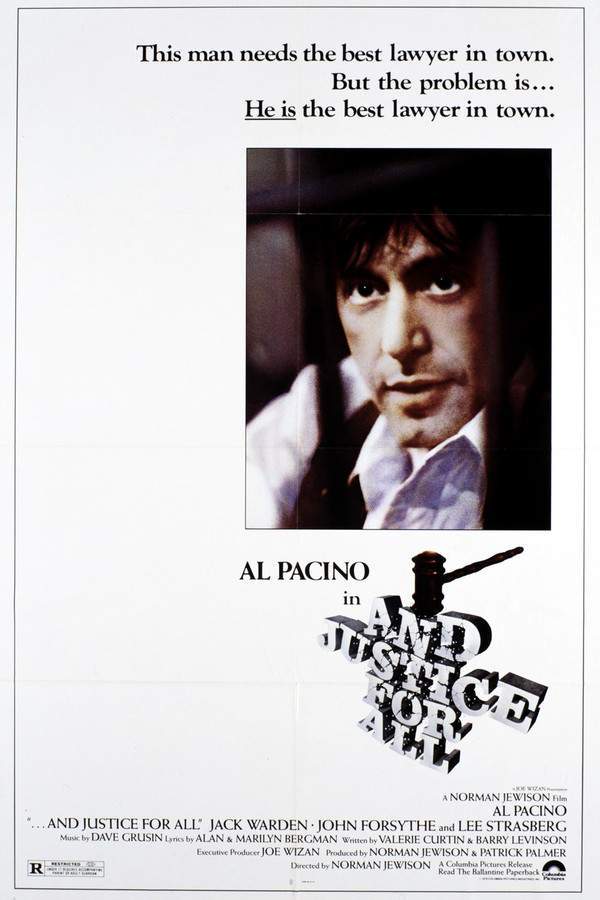
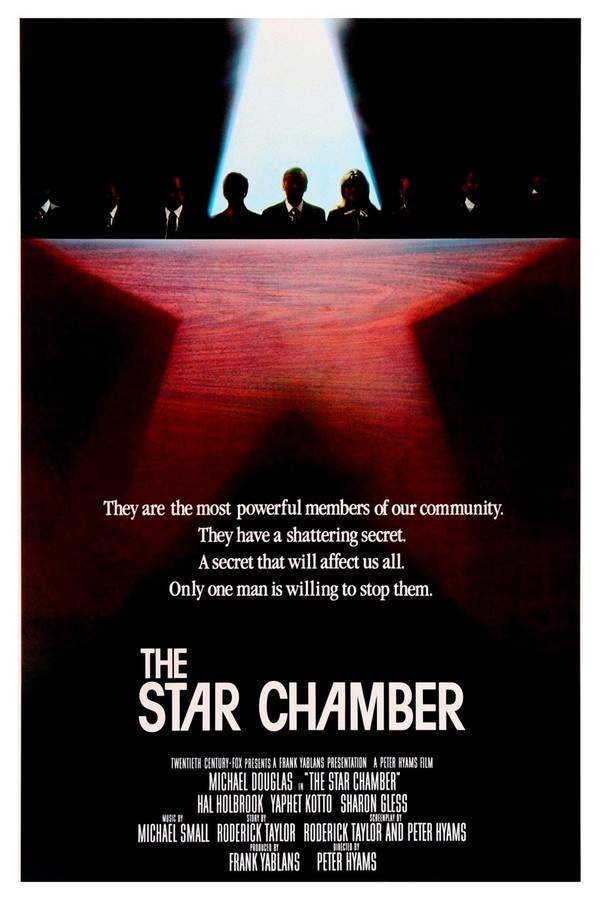
Movies about challenging institutions like Dead Man Walking

Stories where individuals confront corrupt or rigid systems from within. If you liked the ethical confrontation in Dead Man Walking, explore these movies about individuals facing moral crises within powerful, rigid systems. These films often share a serious tone, heavy emotional weight, and a focus on the personal cost of standing against institutional injustice.

  • tense
  • morally complex
  • serious
  • claustrophobic
  • institutional
  • ethical conflict
  • Tone: serious, tense, morally complex
  • Pacing: steady, deliberate
Why these movies?

The story pattern: Narratives typically center on an outsider or insider who becomes aware of a profound moral failing within a powerful organization. The story unfolds as a steady, deliberate build of tension, as the protagonist gathers evidence, faces opposition, and is forced to make a defining choice that pits their integrity against their safety or standing.

Why they belong together: This thread groups films that share a core conflict of individual conscience versus systemic power. They create a similar viewing experience of intellectual and emotional tension, driven by ethical questioning and a sober, serious approach to complex social issues.
Movies about difficult redemption like Dead Man Walking

Character arcs where grace or forgiveness emerges from immense suffering. Discover films similar to Dead Man Walking that explore the hard path to redemption in the shadow of tragedy. These movies are emotionally heavy, feature complex character transformations, and often end on a bittersweet note that balances sorrow with a glimmer of grace.

  • somber
  • redemptive
  • introspective
  • grieving
  • bittersweet
  • emotionally heavy
  • Tone: somber, bittersweet, introspective
  • Pacing: steady, character-focused
Why these movies?

The story pattern: The narrative pattern involves a deeply flawed or condemned character being guided by a compassionate figure. The focus is on the slow, difficult process of confronting past actions, seeking forgiveness, and finding a semblance of peace. The ending is typically bittersweet, acknowledging that redemption does not erase pain but can coexist with it.

Why they belong together: Movies in this thread are united by their focus on the possibility of human goodness and change in the face of terrible acts. They share a heavy, somber mood, a steady pacing that allows for deep introspection, and an emotional core built around grief, forgiveness, and the complexity of mercy.

If you liked this

Movies Like Dead Man Walking

Similar movies to Dead Man Walking: the same genre, themes or kind of story. Each one comes with its own plot summary, timeline and ending explained.

Browse all movie summaries

Every angle

Dead Man Walking (1995) Explained: Plot, Timeline & Characters

Everything about Dead Man Walking in one place: what happens in the plot summary, the timeline in chronological order, the characters and meaning and a spoiler-free summary. What's After the Movie adds the cast, box office and post-credit scenes.

Coming soon on iOS and Android

The Plot Explained Movie Summary App

Plot summaries, endings explained and timelines on your phone. Catch up on any movie in minutes, save your favorites and never miss a twist again.

Be the first to know when we launch. Your email stays private, always.

Learn more about the app