Plot Explained Spoilers guaranteed!
Plot Explained

Browse by genre

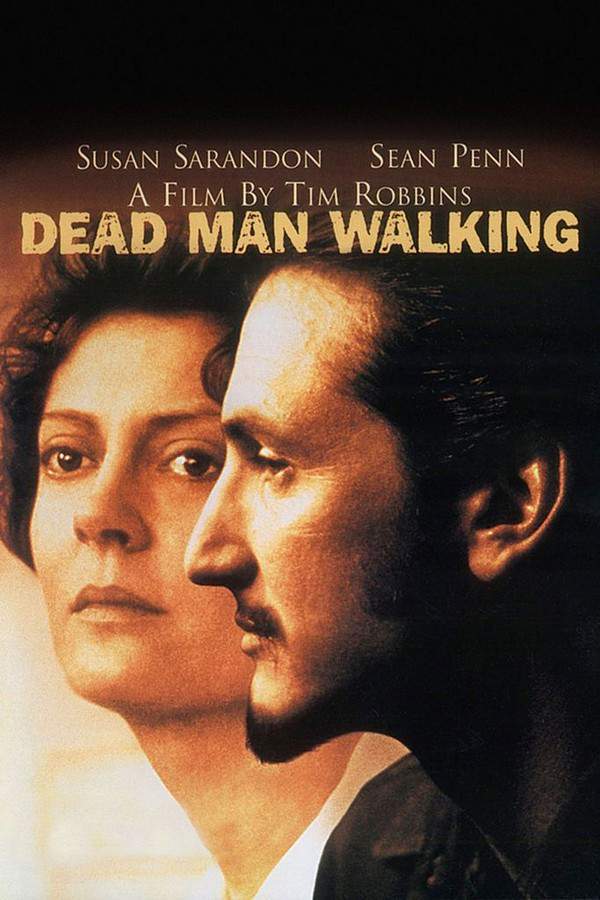
Dead Man Walking (1995) movie poster

Characters & Themes

Dead Man Walking (1995) Characters, Setting & Themes Explained

Release, runtime and language
1995 · 122 min · English
Loading streaming availability…
Starring
Susan Sarandon, Sean Penn

As Matthew Poncelet's execution draws near, Sister Helen Prejean becomes his spiritual advisor, forging an unexpected bond with the convicted murderer. Through their interactions, she seeks to understand the circumstances surrounding his alleged crimes and the impact on the victims' families. This process compels Prejean to grapple with profound questions of justice, compassion, and the complexities of the death penalty system, while also confronting the pain of those affected by violence.

On this page (9)
  1. 1 Where to watch
  2. 2 Characters explained (2)
  3. 3 Where & when it takes place
  4. 4 Themes & meaning (3)
  5. 5 Character & meaning questions
  6. 6 The book behind the movie
  7. 7 Movie threads
  8. 8 Movies like Dead Man Walking
  9. 9 Every angle
Loading streaming availability…

2 main characters · contains spoilers

Dead Man Walking Characters Explained: Who Is Who

The main characters of Dead Man Walking (1995), heroes and villains: what drives them, how they change over the course of the story and what each of them reveals about the film's bigger ideas.

  • Matthew Poncelet (Sean Penn)

    Matthew Poncelet is a complex character who embodies arrogance and underlying despair, struggling with guilt and denial over his past actions. His initial dismissiveness and offensive attitudes mask a deeper vulnerability as he confronts his impending execution. As the story unfolds, Poncelet’s character reveals shifts in awareness as he grapples with the reality of his crimes, culminating in a quest for redemption.

    • 💼 Criminal
    • 😔 Guilt
    • 🥀 Redemption
  • Sister Helen Prejean (Susan Sarandon)

    Sister Helen Prejean is a compassionate and determined nun who embodies hope and moral conviction. She navigates the treacherous waters of supporting a death row inmate while grappling with the pain of the victims' families. Her journey reflects the struggle between faith, justice, and the profound impact of human connection as she seeks to help Poncelet find meaning in his actions and pursue redemption.

    • ✝️ Faith
    • 💖 Compassion
    • 🤝 Advocate

Last updated: October 22, 2024 at 19:36

Was this helpful?

Setting

Where and When Does Dead Man Walking Take Place?

The setting of Dead Man Walking (1995): the year and time period, the places and locations, and how they shape the characters, the mood and the tension of the story.

Time period

1990s

The film takes place in the 1990s, a time when discussions around capital punishment and the legal system were highly contentious in America. During this period, states like Louisiana grappled with issues of justice, racial discrimination, and the ethical implications of the death penalty, all of which are central themes in the narrative of 'Dead Man Walking.'

Location

Louisiana State Penitentiary

The Louisiana State Penitentiary, commonly known as Angola, is one of the largest maximum-security prisons in the United States. It is notorious for its harsh conditions and has been the site of numerous death row executions. This formidable backdrop of confinement and despair sets the stage for the moral dilemmas and emotional turmoil faced by the film's characters.

  • 🏛️ Prison
  • 📍 Louisiana

Last updated: October 22, 2024 at 19:36

Was this helpful?

3 major themes

Dead Man Walking Meaning: Themes & Message Explained

What is Dead Man Walking (1995) really about? The emotional, social and philosophical themes the film keeps returning to, its symbolism and the message beneath the surface.

  • Justice

    The theme of justice permeates 'Dead Man Walking,' highlighting the complexities and moral ambiguities surrounding the legal system. Through Poncelet's case, the film raises questions about the fairness of capital punishment and the disparity in sentencing based on socio-economic status. It compellingly explores the struggle for justice both for the victims and the accused, revealing the deep societal rifts that challenge the concept of true justice.

  • Redemption

    Redemption is a central theme in the film as Sister Helen Prejean endeavors to guide Poncelet toward acknowledging his past and seeking forgiveness. Her unwavering commitment to provide spiritual support underscores the potential for change and humanity, even in the darkest circumstances. The film examines the possibility of finding peace and healing, not just for Poncelet, but also for the grieving families of the victims.

  • Forgiveness

    Forgiveness plays a pivotal role in 'Dead Man Walking,' as both Poncelet and the victims' families confront the pain and loss inflicted by violence. The film emphasizes the arduous journey toward forgiveness, revealing the emotional burdens carried by those affected by crime. Through Sister Helen’s compassionate approach, it illustrates how forgiveness can serve as a pathway to healing and reconciliation amidst profound grief.

Last updated: October 22, 2024 at 19:36

Was this helpful?

Character & theme questions

Dead Man Walking Characters & Meaning: Your Questions Answered

The questions people ask about Dead Man Walking (1995): who the characters really are, their relationships, what the symbols mean, where it takes place and what the movie is really about. Each answer contains spoilers.

Q1

Where does the story primarily take place?

The narrative is centered around the Louisiana State Penitentiary, also known as Angola, which serves as a harsh backdrop for Dead Man Walking. This maximum-security prison emphasizes the confinement and despair faced by the characters within the film. The setting underscores the moral dilemmas surrounding the death penalty system and the emotional turmoil of those involved.

  • setting
  • location
  • angola prison
  • louisiana
Q2

When does the film take place?

The story is set in the 1990s, during a period of intense debate over capital punishment in America. This era contextualizes the legal and ethical struggles depicted in the narrative of Dead Man Walking. It reflects real-world contentious discussions about justice and racial discrimination occurring at the time.

  • time period
  • 1990s
  • era
  • capital punishment
Q3

What role does Sister Helen Prejean play?

Sister Helen Prejean serves as the spiritual advisor to a convicted murderer on death row in Dead Man Walking. She is portrayed as a compassionate nun who seeks to guide the inmate toward redemption while confronting the pain of the victims' families. Her character embodies hope and moral conviction amidst the treacherous waters of the legal system.

  • sister helen prejean
  • spiritual advisor
  • nun
  • character role
Q4

Who is Matthew Poncelet in the story?

Matthew Poncelet is a convicted murderer awaiting execution who initially displays arrogance and denial in Dead Man Walking. His character arc involves grappling with guilt and seeking forgiveness before his death. He represents the complex human vulnerability hidden behind offensive attitudes.

  • matthew poncelet
  • convict
  • death row
  • character profile
Q5

How does the movie explore the concept of justice?

The film highlights the complexities and moral ambiguities surrounding the legal system and capital punishment in Dead Man Walking. It raises questions about fairness and disparity in sentencing based on socio-economic status. The narrative reveals deep societal rifts that challenge the concept of true justice for both victims and the accused.

  • justice
  • legal system
  • fairness
  • socio-economic status
Q6

What message does the film convey about redemption?

Redemption is central to the story as Sister Helen endeavors to guide Poncelet toward acknowledging his past in Dead Man Walking. The film underscores the potential for change and humanity even in the darkest circumstances. It examines the possibility of finding peace and healing for the condemned and the grieving families.

  • redemption
  • change
  • humanity
  • healing
Q7

Does the story focus on forgiveness?

Forgiveness plays a pivotal role as both the prisoner and the victims' families confront pain and loss in Dead Man Walking. The narrative emphasizes the arduous journey toward healing amidst profound grief. Through compassionate approaches, it illustrates forgiveness as a pathway to reconciliation.

  • forgiveness
  • grief
  • reconciliation
  • victims families
Q8

What is the overall tone of the movie?

The tone is dark and heavy, dealing with murder and state-sanctioned killing without being entirely bleak in Dead Man Walking. It maintains a consistently suspenseful atmosphere due to the life-or-death stakes of the execution. Despite the darkness, there is a redemptive arc suggesting a possibility for healing amidst profound loss.

  • tone
  • atmosphere
  • dark
  • suspense
  • redemptive
Q9

What is the dynamic between Sister Helen and Matthew?

Their relationship is defined by an unexpected bond formed through spiritual guidance leading up to the execution in Dead Man Walking. Sister Helen seeks to understand the circumstances of the crimes while Matthew seeks understanding and compassion. This dynamic compels both to grapple with profound questions of justice and compassion.

  • relationship
  • bond
  • spiritual guidance
  • dynamic
Q10

How are the victims' families portrayed?

The film confronts the pain of those affected by violence by showing the emotional burdens carried by the victims' families in Dead Man Walking. They are depicted grappling with grief while witnessing the legal process unfold. Their perspective adds weight to the ethical questions surrounding capital punishment.

  • victims families
  • grief
  • pain
  • perspective

Movie threads

More Movies Like Dead Man Walking, by Mood & Story

Curated lists built around what makes Dead Man Walking tick: the same mood, the same kind of story or the same emotional payoff. Each list explains why these movies belong together.

Movies about challenging institutions like Dead Man Walking

Stories where individuals confront corrupt or rigid systems from within. If you liked the ethical confrontation in Dead Man Walking, explore these movies about individuals facing moral crises within powerful, rigid systems. These films often share a serious tone, heavy emotional weight, and a focus on the personal cost of standing against institutional injustice.

  • tense
  • morally complex
  • serious
  • claustrophobic
  • institutional
  • ethical conflict
  • Tone: serious, tense, morally complex
  • Pacing: steady, deliberate
Why these movies?

The story pattern: Narratives typically center on an outsider or insider who becomes aware of a profound moral failing within a powerful organization. The story unfolds as a steady, deliberate build of tension, as the protagonist gathers evidence, faces opposition, and is forced to make a defining choice that pits their integrity against their safety or standing.

Why they belong together: This thread groups films that share a core conflict of individual conscience versus systemic power. They create a similar viewing experience of intellectual and emotional tension, driven by ethical questioning and a sober, serious approach to complex social issues.

Movies about difficult redemption like Dead Man Walking

Character arcs where grace or forgiveness emerges from immense suffering. Discover films similar to Dead Man Walking that explore the hard path to redemption in the shadow of tragedy. These movies are emotionally heavy, feature complex character transformations, and often end on a bittersweet note that balances sorrow with a glimmer of grace.

  • somber
  • redemptive
  • introspective
  • grieving
  • bittersweet
  • emotionally heavy
  • Tone: somber, bittersweet, introspective
  • Pacing: steady, character-focused
Why these movies?

The story pattern: The narrative pattern involves a deeply flawed or condemned character being guided by a compassionate figure. The focus is on the slow, difficult process of confronting past actions, seeking forgiveness, and finding a semblance of peace. The ending is typically bittersweet, acknowledging that redemption does not erase pain but can coexist with it.

Why they belong together: Movies in this thread are united by their focus on the possibility of human goodness and change in the face of terrible acts. They share a heavy, somber mood, a steady pacing that allows for deep introspection, and an emotional core built around grief, forgiveness, and the complexity of mercy.

If you liked this

Movies Like Dead Man Walking

Similar movies to Dead Man Walking: the same genre, themes or kind of story. Each one comes with its own plot summary, timeline and ending explained.

Browse all movie summaries

Every angle

Dead Man Walking (1995) Explained: Plot, Timeline & Characters

Everything about Dead Man Walking in one place: what happens in the plot summary, the timeline in chronological order, the characters and meaning and a spoiler-free summary. What's After the Movie adds the cast, box office and post-credit scenes.

Coming soon on iOS and Android

The Plot Explained Movie Summary App

Plot summaries, endings explained and timelines on your phone. Catch up on any movie in minutes, save your favorites and never miss a twist again.

Be the first to know when we launch. Your email stays private, always.

Learn more about the app