











Plot Explained Spoilers guaranteed!
Plot Explained

Browse by genre

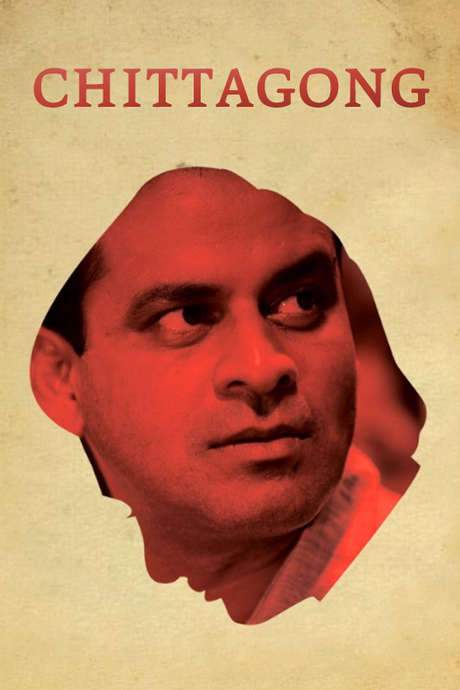
Chittagong (2012) movie poster

Timeline

Chittagong (2012) Timeline Explained – Every Event in Order

Release, runtime and language
2012 · 105 mins · Hindi
Directed by
Bedabrata Pain
Starring
Vijay Varma, Delzad Hiwale, Jaideep Ahlawat, Rajkummar Rao, Manoj Bajpayee, Vega Tamotia

Ordinary Boys, Extraordinary Triumph Jhunku, a 14-year-old youth in 1930s British Bangladesh, embarks on a journey to determine where he belongs.

On this page (5)
  1. 1 Where to watch
  2. 2 Events in order (13)
  3. 3 Timeline questions answered
  4. 4 Movie threads
  5. 5 Every angle

Where to watch

Where to Watch Chittagong (2012)

Where can you watch Chittagong? Stream, rent or buy it in the US, including on Brew, Darkroom and Fawesome: current JustWatch availability with up-to-date prices.

Streaming availability powered by JustWatch

13 events in order · contains spoilers

Chittagong Timeline: Events in Chronological Order

Every key event of Chittagong (2012) in order, scene by scene, with when and where it takes place. Use it to untangle flashbacks, time jumps and parallel storylines, to refresh your memory before the sequel or to find the exact scene you are thinking of.

  1. Jhunku's 1930 dilemma and the protest onset

    In 1930, protests erupt in Chittagong after the death of Jatin Das. A diffident 14-year-old Jhunku faces his father’s wish for him to study in England, while idolizing Masterda and the rebels. The figures of the magistrate Wilkinson and the movement shape his sense of justice and duty.

    When
    1930
    Where
    Chittagong
  2. Torture and doubt: Wilkinson vs Major Johnson

    After the initial protests, Major Johnson tortures Masterda, escalating the crackdown. Wilkinson opposes such methods, sowing doubt about British justice in Jhunku. The tension between education, loyalty, and rebellion deepens as events unfold.

    When
    1930
    Where
    Chittagong
  3. Oil sabotage and a crucial confession

    Rebels spike Johnson’s motorcycle with oil, triggering his crash and a fevered manhunt. Wilkinson eventually pressures Jhunku to reveal information, leading to Sukhen’s death at Johnson’s hands. The incident drives Jhunku to question his loyalties and seek revenge.

    When
    1930
    Where
    Chittagong
  4. Joining Masterda: a break with the past

    The betrayals and violence push Jhunku to abandon his old beliefs and join Masterda’s army. He shifts from a reluctant teen to an active participant in the uprising. This marks his entry into a larger revolutionary network.

    When
    1930
    Where
    Chittagong
  5. Pritilata Waddedar's resolve and aspirations

    Pritilata Waddedar, a schoolteacher, is drawn to Masterda’s ideas and longs to join the struggle. She harbors affection for Nirmal Sen and navigates love amid political fervor. Her presence broadens the movement beyond male comrades.

    When
    1930
    Where
    Chittagong
  6. Planning the April 18 raid

    Masterda and his allies train around fifty students for a coordinated strike on Chittagong on 18 April 1930. They aim to cut telegraph lines, disrupt trains, and seize police armouries as a prelude to revolt. The operation culminates in a staged proclamation of a provisional revolutionary government.

    When
    18 April 1930
    Where
    Chittagong
  7. Armory raids and the provisional government declared

    Ganesh Ghosh leads the police armoury raid while Lokenath Bal's faction seizes the Auxiliary Force armory, and others disrupt communications. Surya Sen leads a military salute and proclaims a provisional government, igniting brief elation across the town. Chittagong experiences a rare moment of revolutionary success before reinforcements arrive.

    When
    18 April 1930
    Where
    Chittagong
  8. Reinforcements and the retreat to the hills

    British reinforcements push the rebels to Jalalabad hill ranges, triggering a fierce confrontation with heavy casualties. Harish, known as Tegra, the brother of Lokenath, dies in the fighting. The rebels’ hold in the city collapses as the net tightens around them.

    When
    After 18 April 1930
    Where
    Jalalabad hill ranges
  9. CID crackdown and Jhunku's arrest

    After the dispersal, CID officer Ahsanullah Khan intensifies the crackdown, and Jhunku is arrested and beaten during interrogation. He refuses to betray his leaders and comrades, sealing his fate as a lifelong prisoner. The revolutionaries suffer further losses as the crackdown continues.

    When
    1930s
    Where
    Chittagong
  10. Pritilata's attack on the Pahartali Club

    Pritilata Waddedar attacks the Pahartali European Club and assassitates DIG Johnson; she is gravely wounded and chooses cyanide to die rather than surrender. Her sacrifice exemplifies the contribution of women to the struggle. The attack reverberates through Chittagong and fuels resistance.

    When
    1930
    Where
    Pahartali European Club
  11. Master Da Surya Sen's capture and execution

    Master Da Surya Sen is captured by the authorities and hanged, a major setback for the movement. Jhunku’s narration resumes with his later experiences, including his eventual release years later. The crackdown, however, sows seeds for continued resistance elsewhere.

    When
    Late 1930s
    Where
    Chittagong / Bengal
  12. Release in 1939 and a renewed struggle

    In 1939, Jhunku is released and resumes the struggle alongside Aparna, rejoining uprisings against colonial rule. He participates in actions again, maintaining his resolve to free his country. The cycle of rebellion continues into the late 1930s.

    When
    1939
    Where
    Bengal
  13. Tebhaga and the endgame toward independence

    In 1945, peasants and revolutionaries unite in the Tebhaga movement to challenge grain taxation and control. Underground dungeons are created to guard granaries, and large crowds rise in support. The British retreat under pressure as India edges toward independence, ending with the crowd and the song Ishaan.

    When
    1945
    Where
    Bengal

Last updated: October 09, 2025 at 16:08

Was this helpful?

Timeline questions answered

Chittagong Timeline Explained: Your Questions Answered

When does it happen, and why in that order? The questions people ask about the chronology of Chittagong (2012): time jumps, flashbacks, cause and effect between scenes and the correct order of events, each answered with spoilers.

Q1

Why did Jhunku join the revolutionary movement?

Jhunku was initially torn between his father's wish for him to study in England and his growing admiration for Surya Sen (Masterda). His turning point came after witnessing British brutality, including the torture of Masterda by Major Johnson and the death of his friend Sukhen, which was triggered by his own confession under pressure. These events shattered his faith in British justice and pushed him toward active participation in the uprising.

Foreshadowing: Earlier scenes show Jhunku studying under Wilkinson, a tutor who represents humane British ideals, which makes the later betrayal and violence even more impactful.

  • jhunku
  • surya sen
  • masterda
  • chittagong uprising
  • revolutionaries
Q2

What was the April 18, 1930 Chittagong raid?

On April 18, 1930, revolutionaries led by Surya Sen executed a coordinated attack on police armouries in Chittagong. Ganesh Ghosh led the police armoury raid while Lokenath Bal's group seized the Auxiliary Force armoury. They cut telegraph lines, disrupted communications, and briefly proclaimed a provisional revolutionary government, marking the first armed uprising against British rule in that region.

Foreshadowing: The timeline shows months of planning and training of around fifty students leading up to this date.

  • april 18 1930
  • chittagong raid
  • armoury
  • provisional government
  • revolution
Q3

Who was Surya Sen and why was he important?

Surya Sen, known to his followers as Masterda, was the charismatic leader of the Chittagong revolutionary movement. A teacher by profession, he organized the April 18, 1930 armory raids and led the provisional government that briefly controlled Chittagong. His leadership inspired hundreds of students and teachers to join the cause, and his execution in the late 1930s became a symbol of sacrifice for Indian independence.

Foreshadowing: Jhunku's initial admiration for Masterda is established early in the film, showing his influence on the youth.

  • surya sen
  • masterda
  • chittagong revolutionary leader
  • independence movement
Q4

Why did Pritilata Waddedar attack the Pahartali European Club?

Pritilata Waddedar, a schoolteacher and admirer of Masterda, carried out the attack on the Pahartali European Club in response to the brutal crackdown on the revolutionaries. She assassinated DIG Johnson, who was responsible for torturing Masterda and many rebels. Severely wounded in the attack, she chose to take cyanide rather than surrender, becoming one of the movement's most celebrated martyrs.

Foreshadowing: Her earlier scenes show her longing to join the struggle and her affection for Nirmal Sen, establishing her deep personal investment in the cause.

  • pritilata waddedar
  • pahartali club
  • dig johnson
  • attack
  • martyrdom
Q5

What happened to Surya Sen after the uprising?

After the British reinforcements defeated the revolutionaries and forced them to retreat to the Jalalabad hills, Surya Sen was eventually captured by CID officers. He was tried and hanged in the late 1930s, marking the end of a key phase of the Chittagong uprising. His execution made him a martyr and strengthened the resolve of independence fighters across Bengal.

Foreshadowing: The film shows the net tightening around Masterda as CID officer Ahsanullah Khan leads the crackdown.

  • surya sen captured
  • hanged
  • execution
  • bengal police
  • chittagong uprising end
Q6

Why was Jhunku sentenced to life in prison?

Jhunku was arrested during the CID crackdown that followed the April 18 uprising. During interrogation, he was brutally beaten but refused to betray his comrades by revealing their names. His steadfast loyalty earned him a life sentence in Kaala-Paani (the Cellular Jail), where he remained until his release in 1939.

Foreshadowing: Earlier scenes show his friendship with fellow revolutionaries and his growing commitment to the cause.

  • jhunku arrested
  • interrogation
  • life sentence
  • kaala-paani
  • cellular jail
Q7

What was the Tebhaga movement shown at the end?

The Tebhaga movement of 1945 was a peasant uprising depicted in the film's climax. Led by revolutionaries including Jhunku and Aparna, peasants across twenty villages organized an underground network to challenge colonial grain taxation and landlord control. By blocking roads to granaries and uniting rural communities, the movement created such pressure that it signaled the beginning of the British Raj's retreat from Bengal.

Foreshadowing: The film shows Jhunku developing this long-term underground strategy after his release in 1939.

  • tebhaga movement
  • 1945
  • peasants
  • grain
  • colonial taxation
  • british raj
Q8

Why did Jhunku refuse to reveal his comrades' names during interrogation?

Jhunku's refusal to betray his comrades stemmed from his complete transformation from a reluctant teenager into a committed revolutionary. Having witnessed the torture of Masterda, the death of his friend Sukhen, and the brutal methods of Major Johnson, he could no longer trust the British system. His loyalty to Masterda and his fellow revolutionaries override his fear of punishment.

Foreshadowing: The oil sabotage incident, where Jhunku's confession led to Sukhen's death, directly motivated his refusal to let anyone else suffer the same fate.

  • jhunku interrogation
  • refuse betray
  • loyalty
  • revolutionaries
  • torture
Q9

What happened to the revolutionaries after the April 18 raid failed?

After British reinforcements arrived and crushed the provisional government, the revolutionaries scattered into smaller groups and retreated to the Jalalabad hill ranges. Fierce battles ensued, resulting in heavy casualties including Harish (Tegra), Lokenath's younger brother. The movement shifted from open warfare to underground resistance, with many leaders eventually captured or killed.

Foreshadowing: The film shows the brief celebration after the raid quickly turning to tension as British forces mobilize.

  • chittagong raid aftermath
  • retreat
  • jalalabad hills
  • british reinforcements
  • revolutionaries scattered
Q10

What role did Wilkinson's tutoring play in Jhunku's journey?

Wilkinson, Jhunku's tutor, represented a compassionate alternative to British brutality, he opposed Major Johnson's torture methods and believed in justice through education. Initially, Jhunku hoped that patience and learning might free his country. However, when Wilkinson pressured Jhunku into revealing information that led to Sukhen's death, this ideal shattered, accelerating Jhunku's path toward active rebellion.

Foreshadowing: Wilkinson's contrasting approach to Johnson establishes the spectrum of British perspectives in colonial India.

  • wilkinson
  • tutor
  • jhunku mentor
  • british justice
  • education vs violence
Q11

How did Jhunku and Aparna's relationship develop throughout the film?

Jhunku and Aparna were childhood friends who reunited when the older Jhunku hid in a bunker with her during his time on the run. Their bond deepened over time, and after Jhunku's release in 1939, they became active participants together in the Tebhaga movement. The film portrays their relationship as one of shared purpose and enduring loyalty amid the chaos of revolution.

Foreshadowing: The narrative frames their childhood connection as a foundation for later partnership in the struggle.

  • jhunku
  • aparna
  • relationship
  • tebhaga movement
  • childhood friends
Q12

Why is the Chittagong uprising historically significant?

The Chittagong uprising of 1930 was one of the earliest armed rebellions against British rule in India, preceding many mainland movements. The revolutionaries' coordinated strikes on armouries and communications demonstrated sophisticated planning. Though ultimately suppressed, it inspired subsequent freedom struggles and showed that colonial rule could be challenged even in smaller regions, paving the way for movements like Tebhaga.

Foreshadowing: The film's closing emphasizes how Tebhaga represented the culmination of seeds planted during the 1930 uprising.

  • chittagong uprising significance
  • historical importance
  • indian independence
  • 1930 revolution

Movie threads

More Movies Like Chittagong, by Mood & Story

Curated lists built around what makes Chittagong tick: the same mood, the same kind of story or the same emotional payoff. Each list explains why these movies belong together.

Stories of youthful awakening like in Chittagong

Young protagonists finding their courage amidst political upheaval and struggle. If you liked watching Jhunku's transformation in Chittagong, you'll appreciate these movies about young heroes in revolutionary times. This collection features similar historical dramas and epic stories where a character's coming-of-age is inextricably linked with a fight for freedom and justice.

  • hopeful
  • resolute
  • inspiring
  • somber
  • urgent
  • gripping
  • Tone: tense, hopeful, resolute
  • Pacing: variable, character-driven
Why these movies?

The story pattern: The narrative pattern follows a young protagonist, often naive or sheltered at the start, who is thrust into a volatile political situation. Their personal journey of self-discovery unfolds parallel to the larger revolutionary plot, as they grapple with idealism, sacrifice, and the weight of joining a dangerous fight.

Why they belong together: Movies are grouped here for their shared focus on the 'coming-of-age within a revolution' archetype. They blend the intimate character arc of a youth finding their place with the epic scale of historical conflict, creating emotionally resonant stories of courage forged in fire.

Tense historical resistance epics like Chittagong

Gripping accounts of oppressed people fighting back against overwhelming power. For viewers seeking more movies like Chittagong, this list features similar tense historical epics about colonial resistance. These films share a gripping, urgent vibe, depicting the strategic planning and brutal clashes of freedom struggles with high emotional weight and inspiring resolve.

  • tense
  • urgent
  • gripping
  • somber
  • resolute
  • inspiring
  • Tone: tense, urgent, somber
  • Pacing: variable, building to action
Why these movies?

The story pattern: These narratives typically follow a group of rebels or freedom fighters as they organize a daring plan against their oppressors. The structure builds tension through secret meetings, training, and the constant threat of discovery, leading to intense sequences of action, chase, and conflict that test the resolve of every character.

Why they belong together: These films are united by their specific vibe: a combination of historical grandeur, relentless tension, and the emotional gravity of fighting for freedom. They share a similar pacing that balances strategic build-up with explosive action, all set against a backdrop of brutal oppression and resilient hope.

Every angle

Chittagong (2012) Explained: Plot, Timeline & Characters

Everything about Chittagong in one place: what happens in the plot summary, the timeline in chronological order, the characters and meaning and a spoiler-free summary. What's After the Movie adds the cast, box office and post-credit scenes.

Coming soon on iOS and Android

The Plot Explained Movie Summary App

Plot summaries, endings explained and timelines on your phone. Catch up on any movie in minutes, save your favorites and never miss a twist again.

Be the first to know when we launch. Your email stays private, always.

Learn more about the app