


Plot Explained Spoilers guaranteed!
Plot Explained

Browse by genre

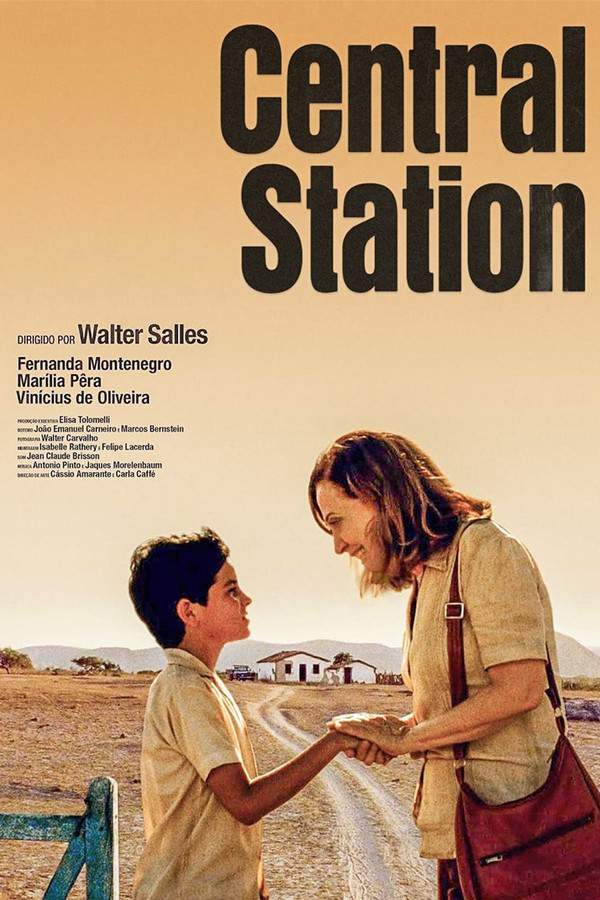
Central Station (1998) movie poster

Characters & Themes

Central Station (1998) Characters, Setting & Themes Explained

Release, runtime and language
1998 · 113 min · Portuguese
Directed by
Walter Salles
Starring
Fernanda Montenegro, Vinícius de Oliveira

At Rio de Janeiro's Central Station, a boy's life changes irrevocably after the loss of his mother. He unexpectedly connects with a solitary and reserved woman, and together they journey across Brazil to find his father, who lives in the country's expansive Northeast region. Along the way, they forge an unlikely bond and experience personal growth.

On this page (8)
  1. 1 Where to watch
  2. 2 Characters explained (2)
  3. 3 Where & when it takes place
  4. 4 Themes & meaning (3)
  5. 5 Character & meaning questions
  6. 6 Movie threads
  7. 7 Movies like Central Station
  8. 8 Every angle

Where to watch

Where to Watch Central Station (1998)

Where can you watch Central Station? Stream, rent or buy it in the US, including on Amazon Video and Apple TV Store: current JustWatch availability with up-to-date prices.

Streaming availability powered by JustWatch

2 main characters · contains spoilers

Central Station Characters Explained: Who Is Who

The main characters of Central Station (1998), heroes and villains: what drives them, how they change over the course of the story and what each of them reveals about the film's bigger ideas.

  • Dora (Fernanda Montenegro)

    Dora is a complex character marked by bitterness and disillusionment, stemming from her past. As a retired schoolteacher turned letter writer, she initially approaches life with cynicism but gradually undergoes a significant transformation. Her struggles with responsibility and emotional connections reveal her inner vulnerabilities and capacity for love.

    • 👩‍🏫 Teacher
    • 💔 Transformation
    • 🤔 Cynicism
  • Josué (Vinícius de Oliveira)

    Josué is a hopeful and resilient 9-year-old boy navigating the trauma of losing his mother. His dreams of finding his father propel the storyline, showcasing innocence amidst despair. His unwavering optimism and attachment to family serve as a catalyst for Dora's change, portraying the power of childlike hope.

    • 👦 Child
    • 🌟 Hope
    • 💖 Family

Last updated: October 22, 2024 at 21:56

Was this helpful?

Setting

Where and When Does Central Station Take Place?

The setting of Central Station (1998): the year and time period, the places and locations, and how they shape the characters, the mood and the tension of the story.

Time period

The film is set in a contemporary period where social issues, such as literacy and family separation, are prevalent. It portrays the struggles of everyday life in Brazil, resonating with themes of poverty, responsibility, and the search for familial ties. The narrative emphasizes timeless human emotions and challenges faced in dire circumstances.

Location

Rio de Janeiro, Bom Jesus do Norte, Sertânia, Pernambuco

Rio de Janeiro serves as the backdrop for much of the film, known for its vibrant culture and rich history, particularly its central station where many lives intersect. Bom Jesus do Norte is depicted as a fictional representation in the Sertânia district of Pernambuco, which symbolizes hope and spiritual journey during a significant pilgrimage. These locations reflect the characters' struggles and dreams as they seek connection and belonging.

  • 🏙️ City
  • 🌄 Pilgrimage

Last updated: October 22, 2024 at 21:56

Was this helpful?

3 major themes

Central Station Meaning: Themes & Message Explained

What is Central Station (1998) really about? The emotional, social and philosophical themes the film keeps returning to, its symbolism and the message beneath the surface.

  • Family

    The movie explores the complexities of family relationships, particularly the bond between a child and a parent. Josué's longing to reunite with his estranged father reflects a deep desire for connection and belonging, while Dora’s evolving sense of responsibility illustrates the possibilities of chosen family. Ultimately, it showcases the beauty and heartache inherent in familial love.

  • Communication

    Letters play a vital role in this narrative, symbolizing connection and emotional expression, especially for those who cannot communicate verbally. Dora’s profession as a letter writer highlights the importance of storytelling and the relationships that can be formed through words. The emotional weight of the letters also underlines themes of unfulfilled promises and the desire to bridge gaps between loved ones.

  • Journey

    The film revolves around the physical and emotional journey taken by Dora and Josué. Their travels across Brazil represent the search for identity, has the potential for redemption, and the hope for a better future. This theme emphasizes the transformation that occurs when facing challenges and ultimately finding one's path.

Last updated: October 22, 2024 at 21:56

Was this helpful?

Character & theme questions

Central Station Characters & Meaning: Your Questions Answered

The questions people ask about Central Station (1998): who the characters really are, their relationships, what the symbols mean, where it takes place and what the movie is really about. Each answer contains spoilers.

Q1

Where is the movie primarily set?

The film takes place primarily in Rio de Janeiro, notably at the city's central station where many lives intersect. The story then moves to the Sertânia district in Pernambuco and a fictional Bom Jesus do Norte, which serves as the destination for a significant pilgrimage. These distinct locations reflect the characters' emotional journeys from urban anonymity to spiritual hope.

  • Rio de Janeiro
  • settings
  • Brazil
  • locations
  • Pernambuco
Q2

What time period does the film take place in?

The movie is set in contemporary Brazil, portraying present-day social issues such as literacy challenges and family separation. While no specific year is given, the setting reflects the ongoing struggles of everyday life in modern Brazil, with timeless human emotions at its core.

  • time period
  • contemporary
  • Brazil
  • modern era
Q3

What are the main themes explored in the film?

The movie centers on three interconnected themes: Family, which explores bonds between parent and child as well as chosen family; Communication, focusing on letters as symbols of connection and emotional expression; and Journey, representing the physical and emotional travels that lead to transformation and redemption.

  • themes
  • family
  • journey
  • communication
  • meaning
Q4

Who is Dora and what is her role in the story?

Dora is a retired schoolteacher turned letter writer at Rio's central station, portrayed by Fernanda Montenegro. Initially bitter and disillusioned, she reluctantly agrees to help Josué find his father, and this journey transforms her cynical worldview into a sense of responsibility and eventual maternal love.

  • Dora
  • character
  • motivation
  • transformation
  • Fernande Montenegro
Q5

Who is Josué and what drives him?

Josué is a hopeful and resilient 9-year-old boy who recently lost his mother. His primary motivation is finding his estranged father who lives in Brazil's Northeast region. His unwavering optimism and desire for family connection serve as the catalyst for Dora's emotional transformation.

  • Josué
  • character
  • boy
  • father
  • hope
Q6

What does the journey across Brazil represent thematically?

The physical journey across Brazil represents more than travel, it symbolizes the search for identity, redemption, and hope for a better future. As Dora and Josué travel from Rio to the Northeast, they undergo personal transformations, facing challenges that ultimately lead them to find their paths.

  • journey
  • transformation
  • Brazil
  • symbolism
  • redemption
Q7

What is the significance of letter writing in the movie?

Letter writing is central to the film's theme of Communication. Dora's work as a professional letter writer at the station highlights how words can form connections between people who cannot communicate directly. The letters carry emotional weight, representing unfulfilled promises and the desire to bridge gaps between loved ones.

  • letters
  • communication
  • connection
  • writing
Q8

What is Bom Jesus do Norte and why is it important?

Bom Jesus do Norte is a fictional location in the Sertânia district of Pernambuco that serves as a pilgrimage site. It symbolizes hope and spiritual journey in the film, representing the characters' search for meaning and connection. The pilgrimage setting underscores the themes of redemption and searching for something greater than oneself.

  • Bom Jesus do Norte
  • pilgrimage
  • Sertânia
  • hope
Q9

How does the film explore family relationships?

The film explores family relationships through both biological and chosen bonds. Josué's quest to find his biological father represents the deep human need for connection, while Dora's evolving relationship with Josué illustrates how chosen family can develop through shared experiences and responsibility, ultimately creating a meaningful parent-child dynamic.

  • family
  • relationships
  • chosen family
  • bonds
Q10

What is the overall emotional tone of the film?

The film has a bittersweet tone, balancing moments of hope and connection with inevitable sadness. While it deals with serious themes like loss, child endangerment, and poverty, the central relationship between Dora and Josué provides warmth and redemption. The ending leaves them separated but both transformed for the better, carrying the memory of their bond.

  • tone
  • emotional
  • bittersweet
  • mood
  • atmosphere

Movie threads

More Movies Like Central Station, by Mood & Story

Curated lists built around what makes Central Station tick: the same mood, the same kind of story or the same emotional payoff. Each list explains why these movies belong together.

Bittersweet Road Journey Movies Like Central Station

Unlikely companions heal old wounds while traveling towards an uncertain future. If you liked the heartfelt travel and complex emotions of Central Station, explore more movies about transformative road trips. These films feature unlikely duos or groups on a physical journey that leads to emotional redemption, blending hope with the melancholy of inevitable goodbyes.

  • journey
  • redemptive
  • bittersweet
  • heartfelt
  • lonely
  • reflective
  • Tone: bittersweet, hopeful, melancholic
  • Pacing: steady, character-driven journey
Why these movies?

The story pattern: The narrative follows a linear road trip structure where the physical journey mirrors an internal one. Two contrasting individuals, often initially reluctant companions, are thrown together. As they travel, they confront their pasts and insecurities, forging a deep connection that redeems them both, even if their paths must eventually diverge.

Why they belong together: Movies in this thread share a central focus on travel as a means of emotional healing. They balance the warmth of a newfound connection with the sobering reality that all journeys end. The tone is consistently bittersweet, the pacing steady, and the emotional weight stems from character-driven growth rather than external plot mechanics.


Movies About Found Family and Loneliness Like Central Station

Cynical, isolated adults find unexpected purpose by protecting a vulnerable child. For viewers who appreciated the surrogate parent dynamic in Central Station, this list features similar movies about lonely adults and children forming deep, life-changing bonds. These stories explore themes of grief, regret, and the redemptive power of stepping up when someone else needs you most.

  • found family
  • loneliness
  • surrogate parent
  • redemptive
  • heartfelt
  • melancholic
  • Tone: melancholic, heartfelt, redemptive
  • Pacing: steady, reflective
Why these movies?

The story pattern: The narrative centers on a transformative relationship between a lonely adult and a child. The adult begins the story closed-off, burdened by regret or past trauma. The child's vulnerability and need for protection force the adult to engage with the world again, leading to a mutually healing relationship that creates a new, if unconventional, family unit.

Why they belong together: These films are grouped by their core emotional dynamic: the redemption of a lonely soul through the responsibility of caring for a child. They share a melancholic yet hopeful tone, a steady character-focused pace, and a medium emotional weight derived from themes of loss, connection, and personal transformation.

If you liked this

Movies Like Central Station

Similar movies to Central Station: the same genre, themes or kind of story. Each one comes with its own plot summary, timeline and ending explained.

Browse all movie summaries

Every angle

Central Station (1998) Explained: Plot, Timeline & Characters

Everything about Central Station in one place: what happens in the plot summary, the timeline in chronological order, the characters and meaning and a spoiler-free summary. What's After the Movie adds the cast, box office and post-credit scenes.

Coming soon on iOS and Android

The Plot Explained Movie Summary App

Plot summaries, endings explained and timelines on your phone. Catch up on any movie in minutes, save your favorites and never miss a twist again.

Be the first to know when we launch. Your email stays private, always.

Learn more about the app