Plot Explained Spoilers guaranteed!
Plot Explained

Browse by genre

Beauty (2011) movie poster

Timeline

Beauty (2011) Timeline Explained – Every Event in Order

Release, runtime and language
2011 · 101 mins · Afrikaans
Loading streaming availability…
Directed by
Oliver Hermanus
Starring
Deon Lotz, Lynita Crofford, Dylan Baker, Alan Jacobs, Morné Visser, Michelle Scott

When desire becomes obsession, François van Heerden, a mid‑40s Afrikaans family man, has lost any concern for his own happiness and is convinced his life is doomed. A chance encounter shatters his carefully controlled routine, forcing him to confront the emptiness he has created.

On this page (5)
  1. 1 Where to watch
  2. 2 Events in order (12)
  3. 3 Timeline questions answered
  4. 4 Movie threads
  5. 5 Every angle
Loading streaming availability…

12 events in order · contains spoilers

Beauty Timeline: Events in Chronological Order

Every key event of Beauty (2011) in order, scene by scene, with when and where it takes place. Use it to untangle flashbacks, time jumps and parallel storylines, to refresh your memory before the sequel or to find the exact scene you are thinking of.

  1. Hidden conflicts in Bloemfontein life

    François van Heerden is a successful timber businessman living in Bloemfontein. Outwardly he projects a comfortable life, but privately he is openly racist and homophobic. He also harbors a hidden attraction to men, which flares whenever he encounters same-sex desire.

    Where
    Bloemfontein
  2. First encounter with Christian at the wedding

    At his daughter's wedding reception, François meets Christian Roodt, the son of longtime family friends. He is drawn to the young man, and his fascination grows as he learns about Christian—his studies and budding acting career. The attraction unsettles François, who struggles to keep his feelings hidden. This encounter marks the start of a dangerous longing.

    Where
    Wedding reception, Bloemfontein
  3. Jealousy grows as Anika dates Christian

    François becomes increasingly jealous when Anika starts dating Christian. He tries to control the situation and even schemes to punish her because of the perceived threat. The tension deepens as his private desires conflict with his public life. His thoughts turn toward manipulation to protect his own secret.

    Where
    Bloemfontein
  4. Health concerns surface

    During a routine check-up, François shows signs of psychological strain and health issues related to his unresolved sexuality. The doctor hints that stress and internal conflict may be taking a toll. These medical concerns reflect the turmoil simmering beneath his outward success.

    Where
    Doctor's office
  5. Plan to visit Cape Town for business

    François tells his wife that he needs to go to Cape Town on business for a few days. The trip is framed as professional, but it also provides the opportunity to pursue actions connected to his fixation on Christian. The departure marks a shift from inward turmoil to external pursuit.

    Where
    Home, Bloemfontein
  6. Cape Town visit to be near Christian

    In Cape Town, François visits the Roodts, hoping proximity to Christian will satisfy his craving. He asks for Christian's phone number under the pretext of discussing a legal matter, signaling the start of his calculated efforts to reach him. His actions reveal a growing obsession that blends manipulation with desire.

    Where
    Cape Town (Roodts' home)
  7. Drinks and a call to pick him up

    One night, François gets drunk in a gay bar and dials Christian, asking him to come and collect him. Christian obliges, and the two share a meal as the evening unfolds. The tentative closeness feeds François's fantasy and sharpens the underlying tension.

    Where
    Cape Town, gay bar
  8. Meal and hotel room invitation

    Christian arrives, and they share a meal together. François, energized by the private setting, invites Christian back to his hotel room for another drink. The secrecy surrounding their meeting amplifies the risk of exposure and consequence.

    Where
    Hotel room, Cape Town
  9. Investment talk, kiss, and rebuff

    During their time together, Christian questions François about investing in his plans, testing intentions beyond desire. François makes a clumsy attempt to kiss Christian, who gently rebuffs him. The moment reveals François's blend of obsession and desperation, straining their fragile boundary.

    Where
    Hotel room, Cape Town
  10. Violent rape

    When rebuffed, François erupts into a violent rage and rapes Christian. The act shatters the illusion of mutual consent and exposes the depth of François's dangerous fixation. The assault marks a brutal turning point in both men's lives.

    Where
    Hotel room, Cape Town
  11. Return home and confrontations

    Days later, François returns home and asks Anika if she is still seeing Christian. Anika reveals she hasn't heard from him in a while, underscoring the secrecy and distance that now define François's life. He returns to his routine, seemingly unrepentant about what happened.

    Where
    Bloemfontein
  12. Loneliness as a mirror of his life

    During a lunch out, François spots two men in a loving relationship, and the sight distresses him, revealing his own loneliness and unresolved inner conflict. The moment underscores the emptiness of his carefully curated life and his inability to reconcile it with his desires. He remains isolated, even amid public settings.

    Where
    Public place, Bloemfontein

Last updated: November 22, 2025 at 15:59

Was this helpful?

Timeline questions answered

Beauty Timeline Explained: Your Questions Answered

When does it happen, and why in that order? The questions people ask about the chronology of Beauty (2011): time jumps, flashbacks, cause and effect between scenes and the correct order of events, each answered with spoilers.

Q1

Why does François become so obsessed with Christian?

François becomes obsessed with Christian because he represents everything François cannot openly be. Christian is a young, openly desirable man living authentically, which triggers François's deep-seated desire and self-loathing. François's hidden attraction to men has been suppressed for decades under layers of racism, homophobia, and toxic masculinity, and Christian's presence forces those buried feelings to surface uncontrollably.

Foreshadowing: At the wedding, François's gaze lingers on Christian, signaling the moment his carefully hidden desires begin to surface.

  • François obsession
  • Christian attraction
  • hidden sexuality
  • mid-life crisis
  • desire and self-loathing
Q2

Why does François assault Christian in the hotel room?

François assaults Christian when his romantic advance is rejected because he cannot handle rejection of his deeply hidden self. His entire identity is built on control and suppression, and when Christian politely rebuffs his kiss, François's carefully maintained facade shatters. The rejection triggers an explosive rage that combines sexual frustration, shame, and the inability to accept that someone he desires would not want him.

Foreshadowing: François's psychological deterioration at the doctor's office foreshadows his inability to contain his internal conflict.

  • sexual assault
  • hotel room
  • rejection
  • rage
  • uncontrolled violence
Q3

What happens to Christian after the assault?

After the assault, Christian disappears from the narrative. When François returns home and asks Anika about Christian, she reveals she hasn't heard from him in some time. The film deliberately leaves Christian's fate ambiguous, emphasizing how his life has been irrevocably damaged while François simply returns to his routine.

Foreshadowing: The assault occurs in the hotel room, a private space where Christian has no one to help him.

  • Christian fate
  • after assault
  • disappearance
  • trauma
Q4

Why does François seem unrepentant after assaulting Christian?

François remains unrepentant because he has never truly confronted his own sexuality or accepted responsibility for his actions. His entire psychological defense mechanism relies on denial and suppression. By returning home and resuming his normal life without acknowledgment, he demonstrates the core tragedy of his character, he is incapable of genuine self-reflection or change.

Foreshadowing: François's earlier psychological problems and his inability to discuss his true feelings foreshadow his continued denial.

  • unrepentant
  • denial
  • self-awareness
  • no remorse
  • psychological denial
Q5

What triggers François's violent outburst in Cape Town?

François's violent outburst is triggered by Christian's gentle rejection of his kiss. This moment represents the first time François has openly expressed his hidden desire to another person, and the rejection intensifies his shame and rage beyond his capacity to contain it. The combination of alcohol, prolonged obsession, and the stress of maintaining his double life creates a perfect psychological storm.

Foreshadowing: François's increasing jealousy when Anika dates Christian shows his inability to control his emotions around the younger man.

  • violent outburst
  • rejection trigger
  • psychological breakdown
  • Cape Town
Q6

Why does François ask Anika about Christian after returning home?

François asks Anika about Christian to gauge whether anyone knows what happened in Cape Town. His concern is self-protective, he wants to determine if his crime will be discovered or if Christian has told anyone. This moment reveals his continued self-interest and inability to genuinely care about Christian's wellbeing.

Foreshadowing: François's earlier manipulation attempts when Anika dated Christian show his pattern of using others for his own purposes.

  • Anika
  • Christian
  • return home
  • cover-up
  • self-preservation
Q7

What does the ending imply about François's future?

The ending implies François will continue trapped in his empty life, forever unable to confront his true self. When he sees two men in a loving relationship at lunch, the sight causes him visible distress, reinforcing that his loneliness and internal conflict will persist indefinitely. He remains a man observeing freedom in others that he can never allow himself.

Foreshadowing: The recurring theme of François observing others' happiness while remaining isolated builds toward this final moment.

  • bleak ending
  • future
  • loneliness
  • trapped
  • eternal isolation
Q8

Why does seeing a gay couple at lunch upset François so much?

Seeing the loving couple at lunch devastates François because it represents exactly what he cannot have or be. Their open affection and genuine connection highlight the emptiness of his own life. The moment serves as a cruel mirror, these men can freely express what François must hide, and the sight intensifies his lifelong loneliness and self-denial.

Foreshadowing: François's habit of secretly visiting gay bars while maintaining a heteronormative public life establishes this tension throughout the film.

  • gay couple
  • lunch scene
  • seeing happiness
  • empty life
  • self-denial
Q9

What is the significance of François's health problems?

François's health problems stem from the psychological toll of suppressing his true sexuality while publicly projecting hateful views. The doctor notes that stress and internal conflict are affecting his physical health, making visible the damage caused by living a double life. His deteriorating health mirrors his deteriorating mental state as his secret becomes increasingly difficult to contain.

Foreshadowing: The doctor's visit occurs before the assault, showing how François's internal struggle is already destroying him from within.

  • health problems
  • psychological stress
  • doctor
  • physical symptoms
  • suppression
Q10

What does the film say about François's hypocrisy?

The film portrays François as a man whose extreme racism and homophobia are directly connected to his own hidden desires. His outward hatred serves as a protective mask, attacking others for the very feelings he cannot accept in himself. This hypocrisy destroys not only his own life but permanently damages everyone around him, especially Christian.

Foreshadowing: François's open bigotry at the wedding reception sets up the contradiction between his beliefs and his secret desires.

  • hypocrisy
  • racism
  • homophobia
  • self-hatred
  • destruction

Movie threads

More Movies Like Beauty, by Mood & Story

Curated lists built around what makes Beauty tick: the same mood, the same kind of story or the same emotional payoff. Each list explains why these movies belong together.

Movies with slow burn tension like Beauty

Stories where quiet tension suffocates characters, leading to violent eruption. If you liked the simmering psychological tension and oppressive atmosphere of Beauty, explore these movies. This list features slow burning dramas and thrillers where quiet dread builds relentlessly, focusing on internal conflict and often leading to harrowing conclusions. Find your next unsettling watch.

  • slow burn
  • psychological
  • claustrophobic
  • simmering
  • unsettling
  • harrowing
  • Tone: dark, tense, oppressive
  • Pacing: slow, deliberate build
Why these movies?

The story pattern: Narratives in this thread typically follow a linear but deliberate path, prioritizing character psychology over complex plotting. The central conflict is often internal—repressed desires, hidden identities, or moral decay—that slowly manifests in the character's external world. The story arc builds with a sense of inevitable doom towards a violent or tragic climax.

Why they belong together: These movies are grouped by their shared commitment to a slow, deliberate pacing that amplifies psychological unease. They create a similar viewing experience defined by a heavy, claustrophobic mood, high emotional weight, and a focus on the destructive potential of internal conflict.
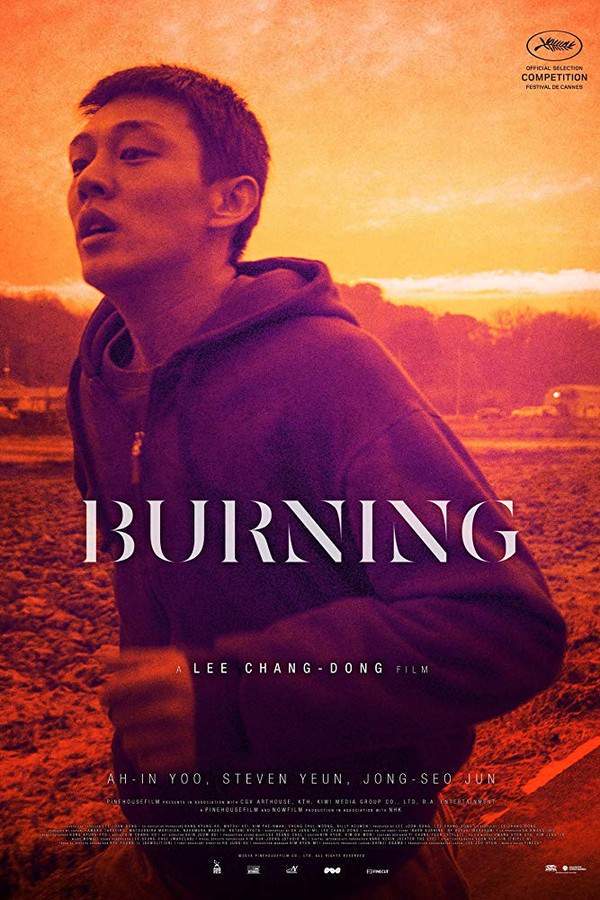
Movies about double lives like in Beauty

Character studies of individuals shattered by the conflict between public facade and hidden self. For viewers who appreciated Beauty's exploration of a closeted man's destructive double life. These films feature characters grappling with hidden identities, internalized shame, and sexual obsession, leading to psychological turmoil and often violent transgression. Discover similar stories of secret lives crumbling.

  • psychological turmoil
  • hypocrisy
  • lonely
  • melancholic
  • unsettling
  • harrowing
  • Tone: dark, melancholic, grim
  • Pacing: slow to steady, character-driven
Why these movies?

The story pattern: The narrative pattern focuses on a protagonist maintaining a respectable public identity while harboring a secret, shameful, or violent private self. The tension arises from the increasing strain between these two halves, leading to a crisis point—often a violent act—that exposes the hypocrisy and results in a bleak, isolated aftermath.

Why they belong together: These films are united by their deep dive into the theme of duality and the psychological damage of repression. They share a dark tone, heavy emotional weight, and a focus on how hidden desires can corrupt and ultimately destroy an individual.

Every angle

Beauty (2011) Explained: Plot, Timeline & Characters

Everything about Beauty in one place: what happens in the plot summary, the timeline in chronological order, the characters and meaning and a spoiler-free summary. What's After the Movie adds the cast, box office and post-credit scenes.

Coming soon on iOS and Android

The Plot Explained Movie Summary App

Plot summaries, endings explained and timelines on your phone. Catch up on any movie in minutes, save your favorites and never miss a twist again.

Be the first to know when we launch. Your email stays private, always.

Learn more about the app