




Plot Explained Spoilers guaranteed!
Plot Explained

Browse by genre

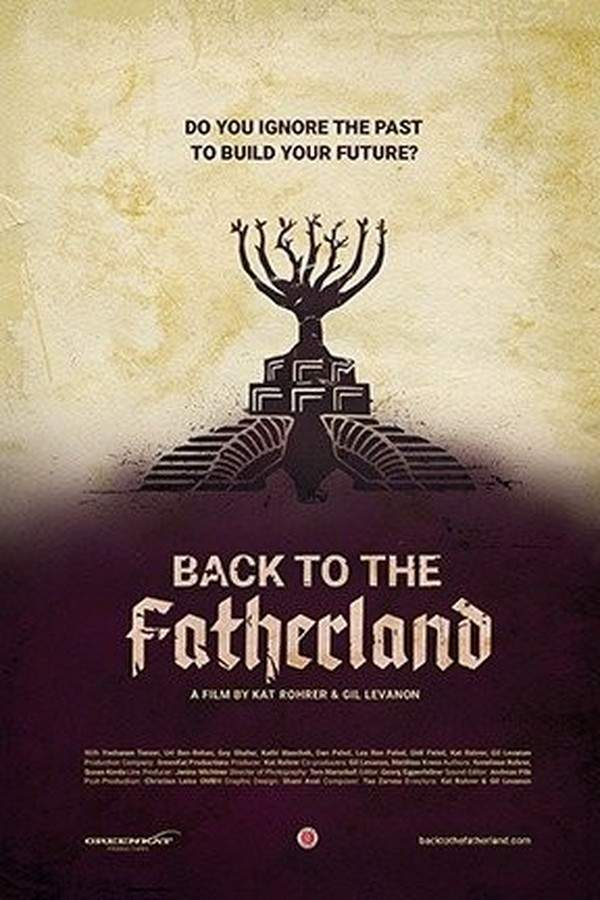
Back to the Fatherland (2019) movie poster

Timeline

Back to the Fatherland (2019) Timeline Explained – Every Event in Order

Release, runtime and language
2019 · 77 min · English
Starring
Dan Peled, Gidi Peled, Gil Levanon, Guy Shahar, Katharina Maschek, Katharina Rohrer

This documentary follows young Israelis who have chosen to relocate to Austria and Germany, countries with a difficult history connected to their families’ persecution. Exploring themes of identity and belonging, the film portrays their personal journeys as they grapple with their ancestral roots and seek to build a new life while confronting the shadows of the past, a century after the original trauma.

On this page (5)
  1. 1 Where to watch
  2. 2 Events in order (12)
  3. 3 Timeline questions answered
  4. 4 Movie threads
  5. 5 Every angle

Where to watch

Where to Watch Back to the Fatherland (2019)

Where can you watch Back to the Fatherland? Stream, rent or buy it in the US, including on Chai Flicks, Kanopy and Amazon Video: current JustWatch availability with up-to-date prices.

Streaming availability powered by JustWatch

12 events in order · contains spoilers

Back to the Fatherland Timeline: Events in Chronological Order

Every key event of Back to the Fatherland (2019) in order, scene by scene, with when and where it takes place. Use it to untangle flashbacks, time jumps and parallel storylines, to refresh your memory before the sequel or to find the exact scene you are thinking of.

  1. Arrival in New York

    Gil Levanon and Katharina Maschek meet during their college days in New York City, forming a strong bond despite their differing backgrounds. This meeting serves as the foundation for their collaborative journey of exploration regarding their roots and cultural heritage.

    Where
    New York City
  2. Contrasting Backgrounds

    Gil comes from Israel and is the granddaughter of a Holocaust survivor, while Kat hails from Austria and is descended from a Nazi officer. Their contrasting family histories shape their perspectives on identity, belonging, and their respective ties to the troubled history of their ancestors.

  3. Consulting with Grandfather

    Gil decides to reach out to her grandfather, Yochanan Tenzer, to discuss her feelings about potentially relocating to Berlin. This conversation is fraught with tension, as Yochanan's traumatic past makes him vehemently against any association with Germany.

    Where
    Israel
  4. Yochanan's Refusal

    Yochanan reacts strongly to Gil's aspirations of moving to Berlin, urging her with a stern response, 'No, never!' His deep-seated distrust of Germany stems from his childhood experiences during World War II, where he was separated from his family for safety.

  5. Growing Trend Among Youth

    Despite Yochanan's rejection, there is a noticeable trend among secular Israeli youth choosing to relocate to Germany and Austria. This societal shift sparks curiosity in Gil and Kat, motivating them to explore the reasons behind such decisions and what it means for identity.

  6. Exploratory Journey Begins

    Motivated by Yochanan's response, Gil and Kat embark on a quest to find other descendants of Holocaust survivors who have chosen to move to Europe. They seek to capture the complexities of their experiences and the profound ties to their heritage.

  7. Meeting Dan and Guy

    During their journey, Gil and Kat come across Dan Peled and Guy Shahar, two young men who have already relocated to Berlin. Through their stories, they gain insights into the emotional struggles faced by those who made similar life-changing decisions.

    Where
    Berlin
  8. Dan's Artistic Pursuit

    Dan, an aspiring sculptor, grapples with his decision to live in Berlin, facing disapproval from his grandmother, Lea Ron Peled. This tension underscores the differing generational perspectives on trauma, belonging, and cultural identity.

  9. A Journey to Vienna

    In a bid to find closure and understanding, Dan invites his 91-year-old grandmother, Lea, on a poignant trip to Vienna, the city of her youth. This journey aims to bridge the gap between their experiences, fostering dialogue about their intertwined history.

    Where
    Vienna
  10. Reconciliation and Healing

    As they traverse the landmarks of Lea's past, long-held tensions begin to dissolve. Through shared experiences and dialogue, the trip sparks moments of reconciliation, allowing both Dan and Lea to confront and heal from their painful histories.

  11. Reflection on Identity

    Following the journey, Gil reflects on the meaning of identity and belonging in the context of her family's history. This introspection is influenced heavily by her grandfather’s experiences and the stories shared throughout their exploration.

  12. Cultural Legacy

    The film culminates in a broader conversation about the cultural legacy left behind by the Holocaust and the ways in which young Israelis grapple with this history. It highlights the complexities of their choices in a modern context, revealing insights into the ongoing impact of the past.

Last updated: October 25, 2024 at 08:40

Was this helpful?

Timeline questions answered

Back to the Fatherland Timeline Explained: Your Questions Answered

When does it happen, and why in that order? The questions people ask about the chronology of Back to the Fatherland (2019): time jumps, flashbacks, cause and effect between scenes and the correct order of events, each answered with spoilers.

Q1

Why does Gil's grandfather refuse her plan to move to Berlin?

Yochanan Tenzer was sent away from Germany at just 15 years old during World War II for his safety and never saw his parents again. His traumatic experience created deep-seated distrust of Germany, leading him to respond with a firm "No, never!" when Gil mentioned her aspirations to relocate to Berlin.

Foreshadowing: Earlier in the film, Gil's apprehension about discussing this topic hints at the emotional difficulty of the conversation.

  • yochanan tenzer
  • holocaust survivor
  • germany
  • trauma
  • granddaughter
  • berlin
Q2

Why do young Israeli descendants of Holocaust survivors choose to move to Germany and Austria?

Many secular, liberal Jews feel marginalized and voiceless in Israeli society. Some are drawn to Europe seeking new opportunities, personal freedom, and a different life path. Despite their families' traumatic histories, these young individuals grapple with their identity and attempt to build new lives while confronting the shadows of the past.

Foreshadowing: The film introduces this growing trend among Israeli youth as a catalyst for Gil and Kat's exploration.

  • israeli youth
  • germany
  • austria
  • relocation
  • identity
  • secular jews
Q3

What happens when Dan takes his grandmother Lea to Vienna?

Dan invites his 91-year-old grandmother Lea Ron Peled on a journey to Vienna, the city of her youth where she experienced trauma during the Holocaust. As they traverse the landmarks of her past, long-held tensions between them begin to dissolve, leading to moments of reconciliation and healing.

Foreshadowing: The tension between Dan and his grandmother over his decision to live in Berlin sets up this pivotal journey.

  • dan peled
  • lea ron peled
  • vienna
  • reconciliation
  • holocaust
  • grandmother
Q4

Why does Lea reconcile with Dan after the Vienna trip?

The journey to Vienna allows Lea to confront her painful memories in a supportive context. By sharing her past with Dan and seeing how he confronts his own identity choices, both generations find common ground. Dan's willingness to face the difficult history creates space for understanding and healing.

Foreshadowing: Lea's initial disapproval of Dan's move to Berlin hints at unresolved family tensions that the trip addresses.

  • lea ron peled
  • dan peled
  • reconciliation
  • healing
  • generations
  • vienna
Q5

What is Kat's family background in the documentary?

Katharina Maschek comes from Austria and is descended from a Nazi officer, providing a stark contrast to Gil Levanon, whose grandfather is a Holocaust survivor. This contrasting family history shapes their unique perspectives as they explore themes of identity, belonging, and their respective ties to the troubled history of their ancestors.

Foreshadowing: The filmmakers introduce their contrasting backgrounds early, establishing the personal stakes of their investigation.

  • katharina maschek
  • austria
  • nazi officer
  • family history
  • identity
Q6

How do Holocaust survivor grandparents view their grandchildren moving to Germany?

Holocaust survivor grandparents like Yochanan Tenzer and Lea Ron Peled typically feel deep distrust and pain associated with Germany. Yochanan outright refuses Gil's consideration of moving to Berlin, while Lea initially struggles to accept Dan's decision to live there. Their reactions stem from personal trauma and the memory of family members lost during the Holocaust.

Foreshadowing: The contrasting responses between Yochanan's firm refusal and Lea's eventual acceptance show different paths to processing trauma.

  • grandparents
  • holocaust survivors
  • grandchildren
  • germany
  • trauma
  • family conflict
Q7

What is Dan Peled doing in Berlin?

Dan Peled is a budding sculptor who moved to Berlin a few years before the documentary. His artistic pursuit represents his attempt to build a new life, though he faces disapproval from his grandmother Lea, who struggles to comprehend and accept his decision to live in the country associated with her trauma.

Foreshadowing: Dan's artistic career in Berlin is introduced as part of the broader trend of young Israelis relocating to Europe.

  • dan peled
  • berlin
  • sculptor
  • artist
  • young israelis
Q8

What does the documentary title "Back to the Fatherland" mean?

The title refers to the young Israelis returning to what they consider their ancestral lands in Europe, specifically Germany and Austria, despite the painful historical context. This return represents a complex navigation of identity, heritage, and belonging for descendants of both Holocaust survivors and perpetrators.

Foreshadowing: The film's exploration of identity and roots frames the entire narrative.

  • fatherland
  • title
  • identity
  • return
  • europe
  • roots
Q9

How does the documentary explore intergenerational trauma?

The documentary follows Gil and Kat as they interview young Israelis living in Europe and their grandparents who survived or were affected by the Holocaust. It shows how trauma is passed down through generations, manifesting as Yochanan's refusal to accept Germany's existence or Lea's initial inability to accept Dan's relocation, while also highlighting moments of healing and reconciliation.

Foreshadowing: The meta conversation between Gil and Kat, coming from opposite sides of the Holocaust history, provides a framework for understanding intergenerational trauma.

  • intergenerational trauma
  • holocaust
  • family
  • memory
  • healing
  • descendants
Q10

Does Gil's relationship with her grandfather Yochanan change by the end of the film?

The summary does not specify whether Gil and Yochanan reach reconciliation like Dan and Lea do. While Yochanan's firm refusal creates a significant emotional barrier, Gil's journey of reflection continues as she processes her grandfather's experiences alongside the stories of others who found healing through confronting their family histories.

Foreshadowing: The film ends with Gil reflecting on identity and belonging, influenced by both her grandfather's trauma and the reconciliation stories she documented.

  • gil levanon
  • yochanan tenzer
  • relationship
  • grandfather
  • resolution
  • reflection

Movie threads

More Movies Like Back to the Fatherland, by Mood & Story

Curated lists built around what makes Back to the Fatherland tick: the same mood, the same kind of story or the same emotional payoff. Each list explains why these movies belong together.

Documentaries about healing historical wounds like Back to the Fatherland

Personal journeys that confront a traumatic past to find unexpected peace. Discover movies like Back to the Fatherland that explore personal quests for reconciliation with a difficult past. This collection features documentaries and dramas where characters confront generational trauma and historical shadows, ultimately seeking a path toward understanding and a new sense of belonging.

  • reflective
  • melancholic
  • reconciliatory
  • thoughtful
  • personal
  • empathetic
  • Tone: bittersweet, reflective
  • Pacing: steady, investigative
Why these movies?

The story pattern: The narrative typically involves an individual or group returning to, or re-examining, a place or event from a painful past. Through investigation, conversation, and reflection, they unpack layers of inherited grief and anger, leading to a climax of emotional confrontation that paves the way for a hopeful, if complicated, resolution.

Why they belong together: These films are grouped together because they share a central theme of confronting historical trauma on a personal level. They blend a heavy emotional weight with a steady, investigative pacing and a tone that balances melancholy with the possibility of healing, creating a uniquely impactful and thoughtful viewing experience.

Every angle

Back to the Fatherland (2019) Explained: Plot, Timeline & Characters

Everything about Back to the Fatherland in one place: what happens in the plot summary, the timeline in chronological order, the characters and meaning and a spoiler-free summary. What's After the Movie adds the cast, box office and post-credit scenes.

Coming soon on iOS and Android

The Plot Explained Movie Summary App

Plot summaries, endings explained and timelines on your phone. Catch up on any movie in minutes, save your favorites and never miss a twist again.

Be the first to know when we launch. Your email stays private, always.

Learn more about the app