Year: 2008
Runtime: 126 mins
Language: Telugu
Director: Mohana Krishna Indraganti
Lavanya, a devoted fan of film star Mahesh Babu, impulsively decides to marry a man who shares the actor’s name, hoping to feel closer to her idol. After the ceremony she learns her husband’s real name isn’t Mahesh, sparking comic misunderstandings and forcing her to reevaluate her devotion.
Warning: spoilers below!
Haven’t seen Ashta Chamma yet? This summary contains major spoilers. Bookmark the page, watch the movie, and come back for the full breakdown. If you're ready, scroll on and relive the story!
Read the complete plot breakdown of Ashta Chamma (2008), including all key story events, major twists, and the ending explained in detail. Discover what really happened, and what it all means.
The film opens with a peek into the fevered devotion of a group of female fans toward a Telugu film star, a spark that quickly centers on Lavanya [Swathi Reddy], the boldest of them all. Lavanya is haunted by the fantasy of marrying this star, even as her aunt Mandira Devi [Jhansi] repeatedly tells her it’s impossible. To appease the dream, Lavanya negotiates with Mandira, demanding that her future husband must bear the name Mahesh. Mandira Devi reluctantly agrees to hunt for a groom, and the search hinges on a man who might fit the “Mahesh” mold.
Their neighbor, Anand [Srinivas Avasarala], promises to help and tracks down a man who seems like a perfect match for Lavanya, a person who goes by the name Mahesh. After a cautious courtship and a few tests, Anand arranges a meeting between Lavanya and Mahesh, and for a moment it looks like destiny has aligned them for a lifetime together. But Lavanya’s fixation intensifies when she reveals a tattoo of the name Mahesh, a bold symbol of her devotion that leaves Mahesh stunned. The next morning, a drunken Mahesh confides in Anand about the depth of Lavanya’s obsession with his name.
That evening, Anand discovers a wallet photo in Mahesh’s possession—an image of a young woman with the back of the photo stamped with the name Rambabu. Confronting Mahesh, Anand learns that the man’s real name is Rambabu, and the tale behind his life begins to unfold.
Rambabu narrates his story, rooted in a village called Lakkavaram where he is revered as a godlike village head. His only close family is Varalakshmi [Bhargavi], the woman he adores, who is cared for by Ammaji [Hema]. Rambabu yearns to shed the suffocating godly image and its heavy duties, so he slips away to Hyderabad, where he lives a double life as Mahesh, a persona he assumes to indulge freely. The arrangement is kept secret, with Ammaji standing by as caretaker and Varalakshmi easy to misunderstand the surface-level glamour.
Seeing Rambabu’s conflict, Anand backs him and stays loyal. Lavanya, determined to secure her fantasy, schemes to bring Rambabu’s life and the “Mahesh” myth closer together. She arranges for Rambabu to meet Varalakshmi, and Anand, disguising himself as Mahesh, reappears in Varalakshmi’s world as a friend from Hyderabad. Varalakshmi, who has long fantasized about Mahesh through tales from her brother, falls for the illusion. The plan heats up: Anand attempts to change his own name in a bid to win Varalakshmi’s heart, and Sarva Sarma [Tanikella Bharani], an old bachelor priest, agrees to perform the rituals for a price to help seal the marriage. Rambabu, furious, intervenes and warns Anand to back off, telling Lavanya and Varalakshmi there is no real Mahesh to pursue.
Amid the chaos, Varalakshmi and Anand’s bond grows, and the two reconcile as the truth about “Mahesh” begins to blur. Mandira Devi returns to Lakkavaram, observing Rambabu’s wealth and home, and she begins to see a future with him. Lavanya, however, remains unyielding and still clings to the name as a symbol of belonging. Ammaji returns from a pilgrimage, and Rambabu learns a startling truth: Ammaji’s real name is Anasuya, and she was Rambabu’s caretaker, not his birth mother. The mystery deepens as a crucial revelation lands: Rambabu was adopted.
A tense trunk-filled moment follows when Anasuya confirms a pivotal memory—the towel from Rambabu’s past. Rambabu recalls a tale his father told on his deathbed about an abandoned baby on a train. Mandira clarifies that Anasuya was indeed Rambabu’s caretaker, but his real birth mother is Amrutha, Mandira’s best friend. Amrutha and her husband rush to Lakkavaram to reunite with Rambabu. The estranged family finally meets, and happiness returns to most, though Lavanya remains unhappy about Rambabu’s name.
Amrutha presents a photograph showing the back of a baby Rambabu labeled with the name Mahesh Babu, revealing that Amrutha had named him Mahesh Babu before he was kidnapped. Lavanya’s joy explodes at the discovery that Rambabu is, in fact, Mahesh, and she agrees to accept him. With the truth laid bare, Anand and Varalakshmi decide to marry, and Rambabu, in turn, asks Anasuya to support Sarva Sarma’s marriage to Ammaji, who now takes a step toward her own happiness. The film closes with a twist as Mandira becomes obsessed not only with the actor him/herself but with the name Pawan Kalyan, leaving a final wink of irony in a story built on longing, identity, and the power of names.
Last updated: October 07, 2025 at 08:39
Explore frequently asked questions about Ashta Chamma (2008) with spoiler-rich answers covering the full plot summary, major story beats, character motivations, hidden details, and ending meaning. This movie summary FAQ helps explain confusing scenes, plot twists, and narrative decisions in clear, searchable detail.
Lavanya is obsessed with Telugu film star Mahesh Babu and dreams of marrying him. After learning he has married someone else, she demands that her future husband must bear the name Mahesh as a way to feel connected to her idol. She even gets a tattoo of the name to prove her devotion.
Early in the film, Lavanya's aunt Mandira Devi tells her that marrying a film star is impossible, but Lavanya refuses to compromise on the name requirement.
Rambabu is the revered village head of Lakkavaram, burdened by a godlike image and heavy duties. To escape these responsibilities and enjoy freedom, he creates a double life in Hyderabad using the name Mahesh. This allows him to live as an ordinary person without the pressures of his village position.
The film establishes early that Rambabu feels suffocated by his godly status in Lakkavaram and yearns for a normal life.
When Anand meets Varalakshmi in Lakkavaram, he introduces himself as Mahesh, Rambabu's friend from Hyderabad. Varalakshmi has fantasized about Mahesh through stories from her brother. Anand hopes that by posing as Mahesh, he can win her affection.
Anand learns about Varalakshmi's fascination with the name Mahesh and decides to exploit this to get closer to her.
Ammaji returns from a pilgrimage and reveals her real name is Anasuya. She explains she found an abandoned baby on a train and became his caretaker in Lakkavaram. Later, Mandira Devi reveals that Anasuya was not Rambabu's birth mother, his real mother is Amrutha, Mandira's best friend who had named him Mahesh Babu before he was kidnapped as an infant.
The film hints at Rambabu's mysterious origins when Anasuya mentions finding him on a train and keeping it secret.
Lavanya gets a tattoo of the name Mahesh on her body as a permanent symbol of her devotion to actor Mahesh Babu. This bold act shocks the man she thinks is named Mahesh (Rambabu) and demonstrates how deeply her obsession has taken root.
The opening scene establishes Lavanya as the most ardent of the Mahesh Babu fans, making her tattoo a natural escalation of her fixation.
At the climax, Amrutha (Rambabu's birth mother) shows Lavanya a photograph of baby Rambabu with the back stamped 'Mahesh Babu'. This reveals that before he was kidnapped as an infant, Amrutha had named him Mahesh Babu. Lavanya finally accepts Rambabu because his birth name truly is Mahesh Babu, validating her obsession.
The wallet photo found earlier shows a woman with the name Rambabu stamped on the back, hinting at deeper identity mysteries.
After all the chaos involving the name Mahesh resolves, Mandira Devi shifts her obsession from Mahesh Babu to another Telugu actor, Pawan Kalyan. This final twist serves as a satirical commentary on celebrity worship, showing that the obsession with film stars and their names is cyclical and never truly satisfied.
The film opens with a group of female fans devoted to Mahesh Babu, establishing the pattern of star obsession that Mandira continues.
Anand initially approaches Varalakshmi by pretending to be Mahesh from Hyderabad. However, as they spend time together, genuine feelings develop between them. When the truth about Mahesh being a fictional persona is revealed, Varalakshmi and Anand's bond persists because their connection was real, and they decide to marry.
The timeline shows Anand and Varalakshmi's relationship developing through repeated encounters in Lakkavaram despite the identity confusion.
Rambabu returns to Lakkavaram and learns that Anand is trying to rename himself as Mahesh to win Varalakshmi's heart. Rambabu warns Anand to stop, revealing his own connection to Varalakshmi and the importance of the name Mahesh in his life. This confrontation highlights Rambabu's fear of losing his identity and those he loves.
Earlier, the film establishes that Varalakshmi is the woman Rambabu truly loves and cares for.
When Lavanya elopes to Lakkavaram expecting to meet the real Mahesh, chaos erupts. Both Varalakshmi and Lavanya believe the other is the beloved Mahesh. With no actual Mahesh to resolve the situation, the confusion reaches its peak. Since there are no buses back to Hyderabad until the next day, Lavanya is forced to stay in Lakkavaram, forced to confront the reality of her obsession.
The build-up to this moment shows multiple characters claiming to be or pursuing the name Mahesh, setting up the inevitable collision.
Discover curated groups of movies connected by mood, themes, and story style. Browse collections built around emotion, atmosphere, and narrative focus to easily find films that match what you feel like watching right now.
Lighthearted comedies where mistaken identities create a cascade of joyful chaos.This collection features movies like Ashta Chamma, where mistaken identities spark comedic and romantic plots. If you enjoyed the lighthearted chaos of Ashta Chamma, you'll find other charming stories built on playful deceptions and joyful misunderstandings that resolve happily.
Stories typically begin with an intentional or accidental deception about someone's identity. This central lie fuels the plot, creating a series of increasingly complicated and humorous situations. The conflict is resolved when the truth is revealed, often leading to forgiveness and a stronger bond between the characters.
These movies are grouped together because they share a foundation of comedic, low-stakes deception. They prioritize humor and romantic charm over serious consequences, creating a consistently light and optimistic viewing experience where the journey of untangling the web of lies is the main source of entertainment.
Steady-paced romantic comedies where misunderstandings build into a satisfying, happy climax.Discover romantic farces with a similar feel to Ashta Chamma. These movies feature a steady build-up of comedic misunderstandings from a single premise, blending romance and humor effortlessly. If you liked the structured comedy and happy ending of Ashta Chamma, explore these similarly charming stories.
The narrative follows a domino effect. A single, often impulsive, decision or a small lie sets off a sequence of events where characters are caught in a web of their own making. The story methodically introduces new complications, escalating the situation for maximum comic effect before neatly resolving all conflicts in a joyous finale.
These films are united by their specific blend of romantic plotting and farcical structure. They share a steady pacing that builds humor logically, a light tone that avoids cynicism, and a focus on the amusement derived from situational comedy rather than sharp wit or slapstick, resulting in a warm and cheerful vibe.
Don't stop at just watching - explore Ashta Chamma in full detail. From the complete plot summary and scene-by-scene timeline to character breakdowns, thematic analysis, and a deep dive into the ending - every page helps you truly understand what Ashta Chamma is all about. Plus, discover what's next after the movie.
Track the full timeline of Ashta Chamma with every major event arranged chronologically. Perfect for decoding non-linear storytelling, flashbacks, or parallel narratives with a clear scene-by-scene breakdown.
Discover the characters, locations, and core themes that shape Ashta Chamma. Get insights into symbolic elements, setting significance, and deeper narrative meaning - ideal for thematic analysis and movie breakdowns.
Discover movies like Ashta Chamma that share similar genres, themes, and storytelling elements. Whether you’re drawn to the atmosphere, character arcs, or plot structure, these curated recommendations will help you explore more films you’ll love.
Ashta Chamma (2008) Scene-by-Scene Movie Timeline
Ashta Chamma (2008) Movie Characters, Themes & Settings
Ashta Chamma (2008) Spoiler-Free Summary & Key Flow
Movies Like Ashta Chamma – Similar Titles You’ll Enjoy
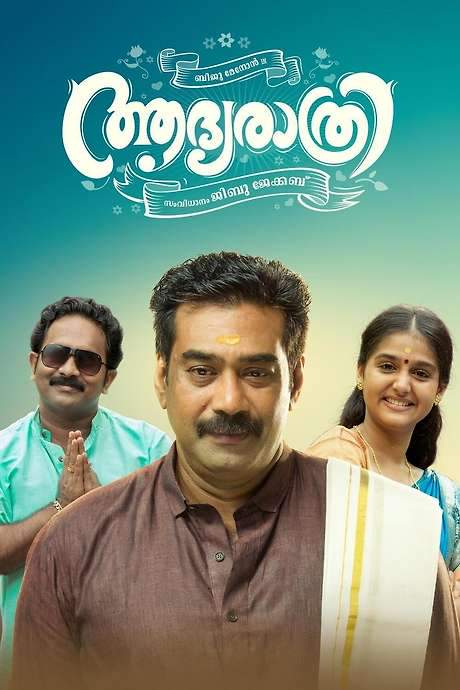
Adhyarathri (2019) Movie Recap & Themes
Bava Nachadu (2001) Film Overview & Timeline
Aata (2007) Complete Plot Breakdown
Ashok (2006) Spoiler-Packed Plot Recap
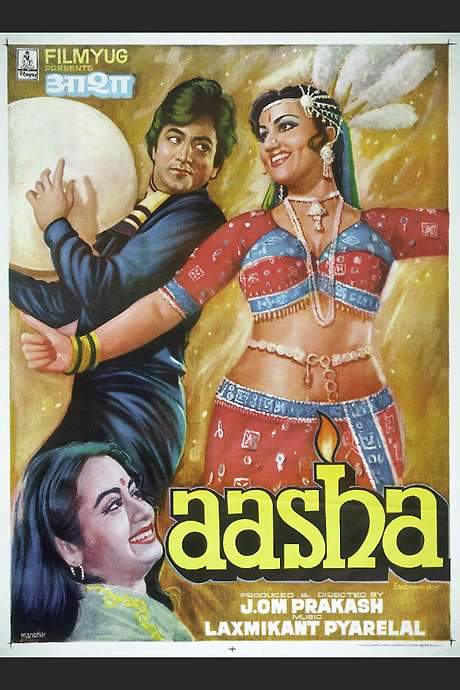
Aasha (1980) Spoiler-Packed Plot Recap
Chandamama (2007) Movie Recap & Themes
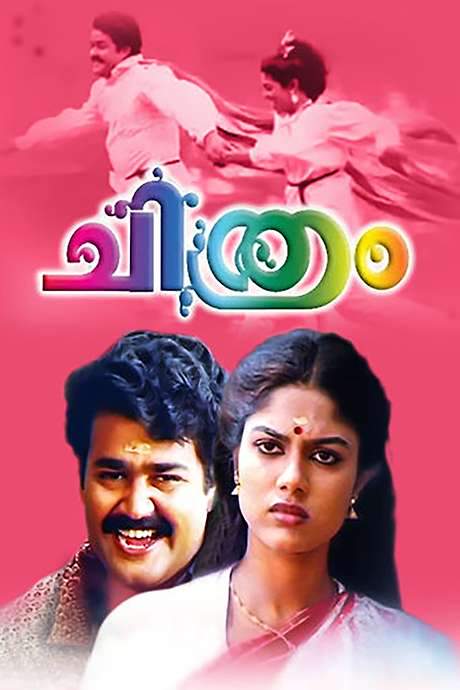
Chithram (1988) Detailed Story Recap
Ashi Hi Banwa Banwi (1988) Complete Plot Breakdown
Shaadi Mubarak (2021) Spoiler-Packed Plot Recap
The Married Woman (1000) Complete Plot Breakdown
Ashoka Vanamlo Arjuna Kalyanam (2022) Movie Recap & Themes
Anni Manchi Sakunamule (2023) Spoiler-Packed Plot Recap
Aa Okkati Adakku (1992) Full Summary & Key Details
Chachi 420 (1997) Plot Summary & Ending Explained
Ananda Thandavam (2009) Full Summary & Key Details