Plot Explained Spoilers guaranteed!
Plot Explained

Browse by genre

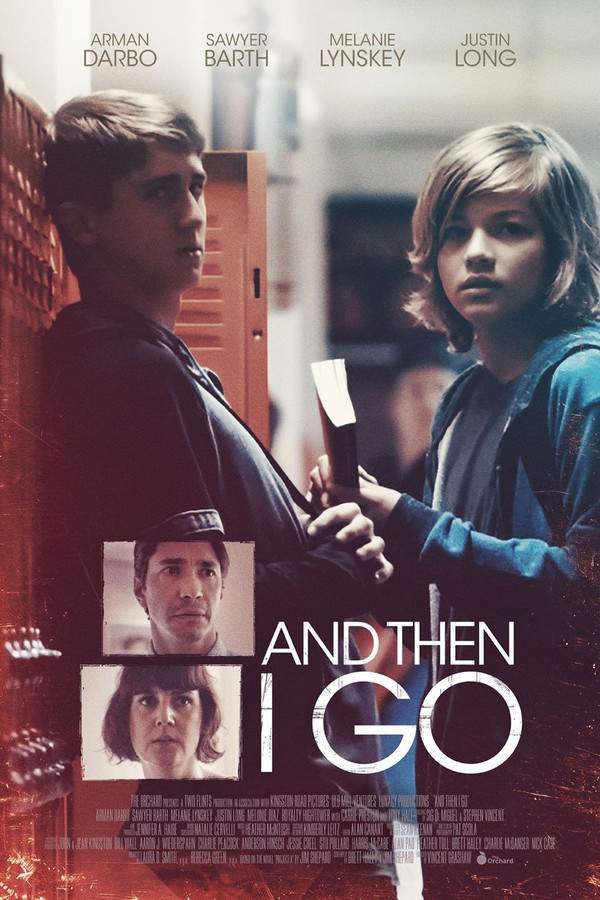
And Then I Go (2018) movie poster

Plot Summary

And Then I Go (2018) Plot Summary Explained

Release, runtime and language
2018 · 99 min · English
Echo score 75
Directed by
Vincent Grashaw
Starring
Tony Hale, Royalty Hightower, Melanie Lynskey, Melonie Diaz, Justin Long, Carrie Preston
Budget
$1M

Navigating the challenges of junior high, Edwin struggles with anxiety while Flake feels like an outcast. The two forge an unexpected friendship as they face misunderstanding from their families and the relentless pressures of school. Their shared frustrations build, ultimately leading them to consider a drastic act of revenge.

On this page (6)
  1. 1 Where to watch
  2. 2 What happens: full plot
  3. 3 Plot questions answered
  4. 4 Movie threads
  5. 5 Movies like And Then I Go
  6. 6 Every angle

Where to watch

Where to Watch And Then I Go (2018)

Where can you watch And Then I Go? Stream, rent or buy it in the US, including on Fandango at Home Free, Apple TV Store and Google Play Movies: current JustWatch availability with up-to-date prices.

Streaming availability powered by JustWatch

Full plot summary · contains spoilers

What Happens in And Then I Go: Full Plot Summary

The whole story of And Then I Go (2018) explained, from the opening scene to the final frame: every key event, every twist and what it all adds up to. Read it as a quick recap before the sequel, to check a scene you missed, or to finally understand what really happened.

Edwin and his closest companion, Flake, navigate the challenging waters of junior high school, facing relentless bullying and deep-rooted feelings of isolation. While Edwin is characterized by his quiet sensitivity, Flake's personality is marked by impulsivity and emotional outbursts. They endure immense pressure from both their peers and authority figures, including faculty members and their own parents, who mistakenly believe they are to blame for the turmoil they face. The truth, however, is that these boys are victims of bullying, with the conflict skewed heavily against them.

Edwin's parents, particularly his father, often dismiss his struggles as typical teenage angst—until a meeting with the vice principal compels them to reconsider their stance. As their friendship develops, Flake reveals his father's gun collection during an afterschool gathering and provocatively suggests the idea of retaliating against their tormentors. Edwin, feeling a strong sense of loyalty to his childhood friend, hesitantly agrees to entertain this dangerous notion.

Amidst this turmoil, Edwin's artistic talent catches the eye of his art teacher, who encourages him to participate in an upcoming art competition. He is approached by two classmate girls expressing admiration for his skills, which momentarily boosts his self-esteem despite Flake's mocking remarks. Yet, even as Edwin begins to feel a sense of belonging and potential, Flake remains relentless in focusing on their revenge plot, and both boys continue to be victimized.

A violent confrontation between the two friends results in Edwin returning home injured and in tears. Surprisingly, this period of non-contact helps Edwin find some emotional stability. However, a troubling encounter with a man and his son brings Edwin back to a place of distress, as he experiences aggression firsthand when he tries to reclaim his younger brother Gus's toy ball. This incident further fuels Edwin's desire for retribution. Reuniting, Flake and Edwin delve deeper into their explosive plans for revenge, especially after encountering an acquaintance, Herman, who also suffers bullying.

Herman's plea—that “Someone's got to do something”—and his expressed desire for a weapon spark concern in Edwin, yet Flake insists that Herman should join their scheme. As the crucial day of their school assembly draws near, Edwin faces an internal conflict as his mother unexpectedly plans a family trip, intending to reconnect with him. Stranded between loyalty to Flake and the warmth of his family, Edwin finds himself overwhelmed by guilt and hesitation.

On the eve of the assembly, as Edwin watches over his beloved younger brother, the boys prepare to execute their plan. The day unfolds with Edwin wishing his father well before he and Flake head to school, where he is instructed on the final steps of their scheme. However, when the moment of truth arrives, Flake acts without mercy, unleashing gunfire on their classmates, while Edwin stands paralyzed with dread, unable to pull the trigger. Chaos erupts, and in a tragic turn, Flake is shot dead by the police in his frantic attempts to reload his weapon.

In the aftermath, Edwin is left to grapple with the sorrow of his actions as he reflects on happier times spent with his family at the lake. The film closes with Edwin reminiscing about a joyful experience, saying, > "Good for you, kid. Good for you." This poignant moment underscores the deeply conflicted journey of a young boy whose struggle between belonging and violence ultimately leads to heartbreaking consequences.

Last updated: November 15, 2024 at 19:42

Was this helpful?

Plot questions answered

And Then I Go Plot Explained: Your Questions Answered

The questions people ask most about And Then I Go (2018): what happens in the confusing scenes, why the characters do what they do, the twists, hidden details and what the ending means. Each answer contains spoilers.

Q1

Why did Edwin agree to Flake's revenge plan?

Edwin agreed to Flake's plan primarily out of loyalty to his friend. Despite being a quiet and sensitive boy, Edwin felt a deep connection to Flake, who had been his closest companion through their shared suffering. Additionally, Edwin had experienced repeated rejection and aggression, from peers, from the man at the park, and from adults who dismissed their plight, which made the idea of revenge feel like the only way to reclaim power and belonging.

Foreshadowing: Earlier, their parents and teachers blame them for being bullied, creating a sense of hopelessness.

  • edwin
  • flake
  • revenge
  • bullying
  • loyalty
  • school shooting
Q2

Why didn't Edwin stop Flake during the shooting?

Edwin was paralyzed by fear and shock when the shooting began. Though he had reservations about actually carrying out the plan, he was too terrified to act. Additionally, his lingering loyalty to Flake made it difficult for him to intervene, even as he watched the violence unfold. Edwin was frozen in terror, unable to pull the trigger himself and unable to stop his friend.

Foreshadowing: Edwin's internal conflict intensifies as the assembly day approaches, especially after his mother's unexpected trip plan.

  • edwin
  • flake
  • shooting
  • frozen
  • paralysis
  • school assembly
Q3

What happened to Edwin after the shooting?

After the shooting, Edwin survived and was left to grapple with the aftermath. He had to deal with the traumatic loss of his friend Flake, who was killed by police while attempting to reload his weapon. Edwin is left carrying immense guilt and sorrow, ultimately reflecting on happier memories with his family at the lake as a way to process his grief.

Foreshadowing: The film ends with Edwin reminiscing about a joyful family moment, saying "Good for you, kid."

  • edwin
  • aftermath
  • guilt
  • survival
  • family
  • memories
Q4

Why was Flake so determined to seek revenge against their classmates?

Flake had endured relentless bullying for years with no support from adults who instead blamed him and Edwin for the problems they faced. His personality was marked by impulsivity and emotional outbursts, making him particularly vulnerable to feelings of rage and helplessness. The combination of constant victimization and being misunderstood by authority figures pushed Flake toward extreme measures as a way to feel powerful and heard.

Foreshadowing: Flake's impulsivity and emotional instability are established early in the film.

  • flake
  • revenge
  • bullying
  • determination
  • impulsivity
Q5

What was the significance of Edwin's art talent in the story?

Edwin's artistic talent represented a potential escape from his painful reality and a source of self-worth. When his art teacher encouraged him to enter a competition and classmates praised his work, Edwin briefly experienced validation and belonging outside of his friendship with Flake. However, Flake mocked this achievement and remained fixated on their revenge plot, pulling Edwin back into their dangerous plans and highlighting how vulnerable he was to losing the only connection that understood his pain.

Foreshadowing: This moment offers Edwin hope before Flake's obsession with revenge pulls him back.

  • edwin
  • art
  • talent
  • competition
  • validation
  • bullying
Q6

What made Edwin's parents finally believe him about the bullying?

A meeting with the vice principal forced Edwin's parents to confront the reality of their son's situation. Previously, his father had dismissed his struggles as typical teenage angst. The frank discussion with school administrators revealed the extent of the bullying and shifted their perspective, causing them to reconsider their stance and finally acknowledge that their son was a victim, not a problem.

Foreshadowing: Edwin's parents initially dismiss his concerns as normal teenage issues.

  • edwin
  • parents
  • bullying
  • belief
  • vice principal
  • family
Q7

What caused the violent confrontation between Edwin and Flake?

The confrontation arose from mounting tension between the two friends as Edwin began to distance himself from the revenge plot. After Edwin started exploring his artistic talent and experiencing moments of self-worth, Flake grew jealous and felt Edwin was abandoning their plan. This clash of priorities, Edwin's tentative hope versus Flake's obsessive need for revenge, led to a physical altercation that left Edwin injured and emotionally shattered.

Foreshadowing: The tension builds as Edwin finds moments of hope while Flake remains fixated on revenge.

  • edwin
  • flake
  • fight
  • confrontation
  • tension
  • injury
Q8

What was Herman's role in Edwin and Flake's plan?

Herman was another student who experienced bullying and sought help from Edwin and Flake. His desperate plea that "someone's got to do something" and his expressed desire for a weapon added momentum to the revenge plot. Flake wanted Herman to join their scheme, though Edwin felt conflicted about involving another person in their dangerous plan. Herman's involvement amplified the desperation and sense of shared purpose among the three boys.

Foreshadowing: Herman's suffering mirrors Edwin and Flake's, reinforcing the cycle of violence.

  • herman
  • bullying
  • weapon
  • revenge
  • plot
  • involvement
Q9

Why did Edwin's mother plan a family trip on the day of the school assembly?

Edwin's mother sensed her son's emotional distress and wanted to reconnect with him, unaware of the deadly plan unfolding. She arranged the family trip as an attempt to draw Edwin back into the warmth and safety of family life. This created an agonizing conflict for Edwin, who was caught between his loyalty to Flake and the love his family was offering him.

Foreshadowing: Edwin's internal conflict intensifies as he wishes his father well before heading to school.

  • edwin
  • mother
  • family
  • trip
  • assembly
  • conflict
  • loyalty
Q10

What does the ending mean when Edwin says "Good for you, kid"?

The ending represents Edwin's complex mix of emotions, guilt, grief, and nostalgia. The line is spoken as he reflects on happier times at the lake with his family, suggesting he is addressing his younger self or perhaps imagining a version of himself that could have chosen differently. It captures the tragic contrast between his longing for belonging and love versus the violence he was unable to prevent.

Foreshadowing: The film opens with the boys' struggles and closes with the aftermath of their tragic choice.

  • ending
  • good for you kid
  • meaning
  • reflection
  • guilt
  • nostalgia
  • family

Movie threads

More Movies Like And Then I Go, by Mood & Story

Curated lists built around what makes And Then I Go tick: the same mood, the same kind of story or the same emotional payoff. Each list explains why these movies belong together.

Movies about teen despair and violence like And Then I Go

Stories of alienated teenagers pushed towards violent, tragic outcomes. If you were affected by the heavy themes in And Then I Go, explore more movies like it. This collection features similar dramas about alienated teenagers, the pressures of school life, and stories that build towards tragic, violent outcomes. Find films that capture the same intense, somber, and heartbreaking mood.

  • tragic
  • desperate
  • oppressive
  • dread-filled
  • heartbreaking
  • anxious
  • Tone: dark, tragic, oppressive
  • Pacing: steady, building dread
Why these movies?

The story pattern: Stories in this thread typically follow a linear but emotionally charged path. They focus on the psychological deterioration of young protagonists who feel ostracized and powerless. The narrative builds steadily, charting their descent from anxiety and frustration into considering or committing drastic acts, often with a tragic and irreversible conclusion.

Why they belong together: These movies are grouped together because they share a specific, heavy emotional tone focused on adolescent turmoil. They feature similar pacing that builds tension methodically, high emotional intensity, and a central focus on themes like bullying, mental health, and the potential for violence within a school setting.

Movies with slow burning dread like And Then I Go

Narratives where a sense of impending doom suffocates the characters. For viewers who appreciated the building tension in And Then I Go, this section highlights similar movies with a slow burn sense of dread. Discover other films where a steady pace creates an oppressive mood, the emotional weight is heavy, and the story leads to a sad or bleak ending. Find your next intense, anxiety-filled watch.

  • dread-filled
  • anxious
  • oppressive
  • somber
  • tragic
  • heavy
  • Tone: dark, tense, bleak
  • Pacing: steady, slow burn
Why these movies?

The story pattern: The narrative pattern here is one of mounting tension with few releases. The story unfolds at a deliberate, steady pace, focusing deeply on character psychology. The central conflict is often internal or interpersonal, but the stakes feel life-altering. The audience is made to feel the weight of every decision, knowing that a tragic climax is steadily approaching.

Why they belong together: These films are united by their shared mood and pacing. They all create a powerful, sustained feeling of unease and impending disaster. The similarity lies in the experiential quality of watching them—a methodical build-up of tension, a dark tone, and a payoff that is emotionally devastating.

If you liked this

Movies Like And Then I Go

Similar movies to And Then I Go: the same genre, themes or kind of story. Each one comes with its own plot summary, timeline and ending explained.

Browse all movie summaries

Every angle

And Then I Go (2018) Explained: Plot, Timeline & Characters

Everything about And Then I Go in one place: what happens in the plot summary, the timeline in chronological order, the characters and meaning and a spoiler-free summary. What's After the Movie adds the cast, box office and post-credit scenes.

Coming soon on iOS and Android

The Plot Explained Movie Summary App

Plot summaries, endings explained and timelines on your phone. Catch up on any movie in minutes, save your favorites and never miss a twist again.

Be the first to know when we launch. Your email stays private, always.

Learn more about the app