Amanda Knox: Murder on Trial in Italy
Year: 2011
Runtime: 87 mins
Language: English
Director: Robert Dornhelm
Based on the 2007 murder of British student Meredith Kercher in Italy. Stars Hayden Panettiere as Amanda Knox, a Seattle honors student accused of killing her roommate, with Marcia Gay Harden, Paolo Romio as Raffaele Sollecito and Djirbi Kebe as Rudy Guede. The Lifetime drama examines whether Knox was guilty or a scapegoat.
Warning: spoilers below!
Haven’t seen Amanda Knox: Murder on Trial in Italy yet? This summary contains major spoilers. Bookmark the page, watch the movie, and come back for the full breakdown. If you're ready, scroll on and relive the story!
Amanda Knox: Murder on Trial in Italy (2011) – Full Plot Summary & Ending Explained
Read the complete plot breakdown of Amanda Knox: Murder on Trial in Italy (2011), including all key story events, major twists, and the ending explained in detail. Discover what really happened—and what it all means.
Amanda Knox is an American college student who travels to Perugia, Italy, in September 2007 to study foreign languages at the Stranieri (the University for Foreigners). She shares an upstairs flat on the edge of the charming hilltop town with British student Meredith Kercher, and two Italian women, Filomena and Laura. During her early days in Italy, Amanda explores the local culture and quickly bonds with her roommates, making new friends and experiencing the vibrant student life.
Her story takes a significant turn in October when she meets Raffaele Sollecito, a young Italian man studying computer engineering, at a classical music concert. Their connection deepens, and soon they start spending nights together at Raffaele’s house, further entwining their lives in the small Italian town.
However, everything changes dramatically on November 2, 2007, when Meredith is found dead, locked inside her bedroom. Her death shocks the community and everyone around her. Amanda recalls their friendly relationship, such as when Meredith kindly helped her prepare for a job interview at a local pub called Le Chic — an incident that seemed typical of Meredith’s charming nature. That night, she remembers Meredith showing the pub owner, Mr. Lumumba, how to mix a perfect mojito, using diced limes and rum. In the wake of her death, the town sets up a memorial display, illuminated by hundreds of red candles, honoring Meredith’s life and highlighting the tragedy’s emotional impact on the community.
The police quickly begin questioning Amanda and Raffaele, trying to uncover the truth behind the murder. Under intense pressure, Amanda admits she and Raffaele had smoked cannabis earlier that evening, but maintains they spent the night watching a movie on Raffaele’s computer and sleeping. Meanwhile, the authorities consult with forensic experts and the local prosecutor, who analyze the evidence and discuss the possibility of multiple attackers given the injuries on Meredith’s body, which suggest she fought back. The coroner’s report reveals numerous bruises on her body, indicating she had resisted during the assault.
Raffaele is called back for further questioning, where a police officer confronts him with phone records suggesting he called emergency services after the police arrived at the cottage. Raffaele becomes defensive, claiming Amanda had pressured him to lie and that she was not with him at the time of the murder. When police question Amanda about a text message she sent to her boss, Mr. Lumumba, claiming she would meet him that night, she explains that in the United States, the phrase meant “I’ll see you around,” not necessarily a plan to meet. Nevertheless, the police pressure her to confirm her alibi, leading to her arrest, along with Raffaele and her boss — although her boss is later released after a witness confirms he was elsewhere that evening.
Amanda’s parents arrive from the US to support her and hire Italian lawyers to defend her. Amanda, feeling threatened during interrogations, explains that police threatened her into giving false statements, which her father recognizes as a sign of police misconduct. Despite this, forensic investigators from Rome identify a blood fingerprint in Meredith’s room that does not match either Amanda or Raffaele, leading to the arrest of Rudy Guede, a young man who was seen playing guitar downstairs at the cottage earlier and was linked to the crime scene. Rudy Guede is convicted of murder and sexual assault, but Amanda and Raffaele are also put on trial as suspects, accused of planning the murder.
During the trial in the summer of 2009, the prosecution presents a range of evidence, including luminol tests showing small footprints in the cottage hallway, some smaller than the footprint size of the accused, and DNA evidence such as Amanda’s blood on a bathroom faucet, mixed with Meredith’s blood. Additionally, a large kitchen knife found in Raffaele’s apartment bears DNA from both Amanda and Meredith—though the defense argues that the small sample size indicates contamination and is not definitive proof of usage. The prosecutor claims that Amanda and Meredith argued violently, leading to a flashback scene where Meredith is shown with a cut on her bra, allegedly caused by Raffaele’s DNA on the severed clasp.
Tests also reveal Raffaele’s DNA on a cigarette butt in the kitchen, and the timing of the evidence collection faces scrutiny. The courtroom hears testimony from forensic experts who admit that contamination could have affected some findings, but overall, the case points to multiple pieces of evidence linking Amanda and Raffaele to the scene. Despite their protests of innocence, the jury finds them guilty in December 2009, delivering a surprising verdict: Amanda is sentenced to 26 years in prison, and Raffaele receives a 25-year sentence.
As Amanda is taken from the courthouse in tears, she continues to insist she is innocent, with her father assuring her that they will appeal the verdict. The final shot of the film reveals that, as of February 2011, Amanda’s parents had been arrested and charged with criminal slander for claiming that police had abused Amanda during interrogation, highlighting ongoing legal and moral controversies surrounding the case.
Throughout the film, the story emphasizes the complexity of the evidence, the intense media coverage, and the question of innocence versus guilt, leaving viewers pondering the truth behind a high-profile murder case that captivated the world.
Last Updated: August 19, 2025 at 05:15

Explore Movie Threads
Discover curated groups of movies connected by mood, themes, and story style. Browse collections built around emotion, atmosphere, and narrative focus to easily find films that match what you feel like watching right now.
True Crime Legal Dramas Like Amanda Knox: Murder on Trial in Italy
Documentary-style dramas where courtroom battles are amplified by a relentless media circus.If you appreciated the detailed legal process and media pressure in Amanda Knox: Murder on Trial in Italy, explore more movies like it. This collection features intense courtroom dramas and true crime stories centered on complex trials, wrongful accusations, and the search for justice under a glaring public spotlight.

A Fall from Grace
2020
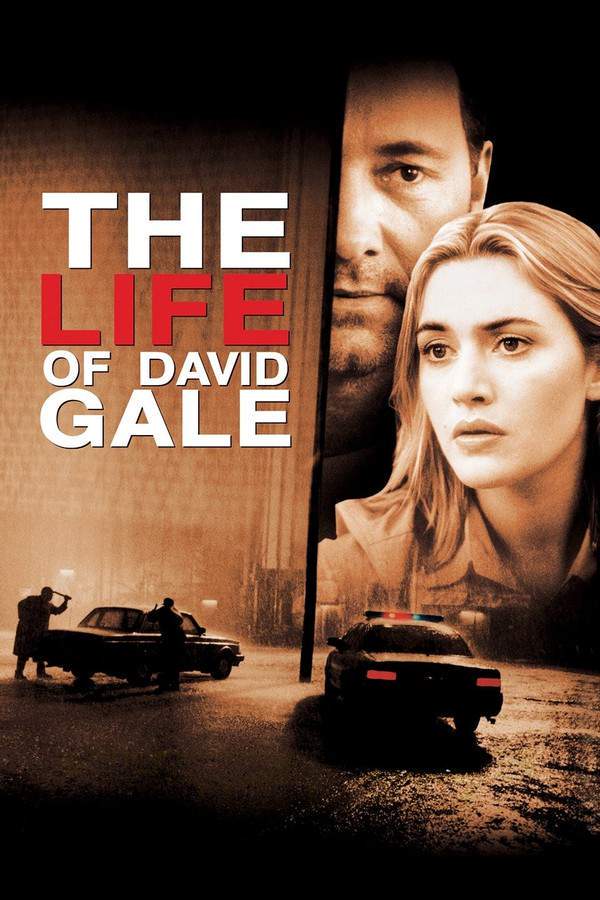
The Life of David Gale
2003
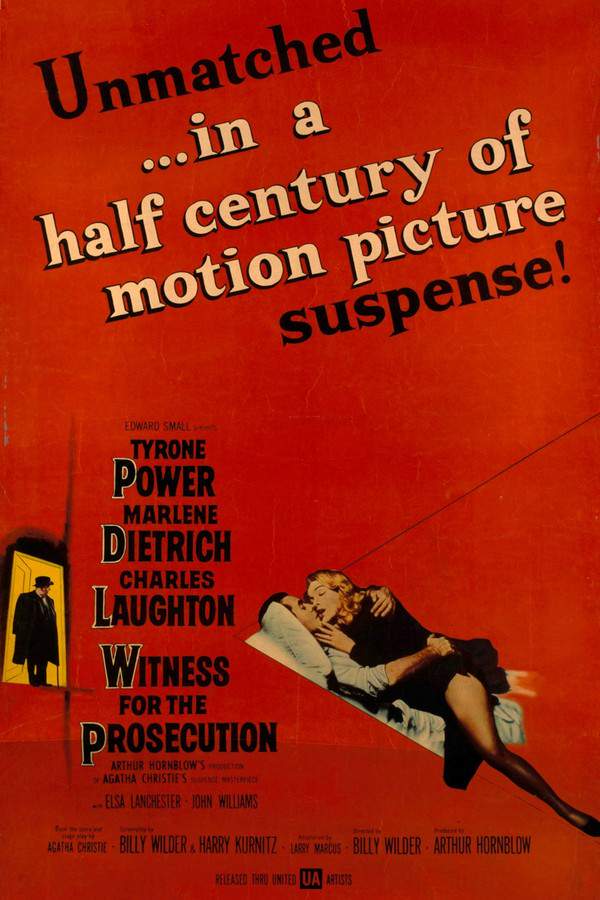
Witness for the Prosecution
1958
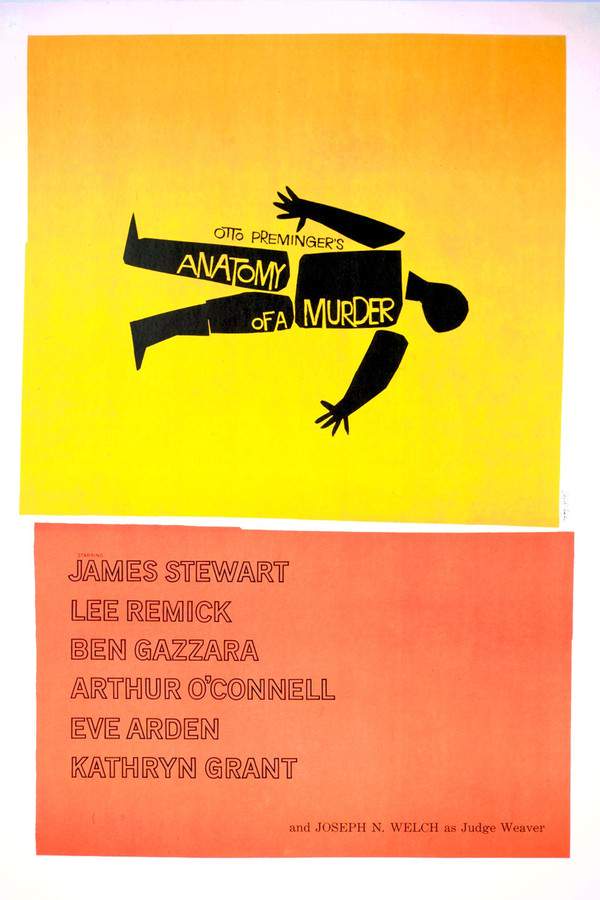
Anatomy of a Murder
1959
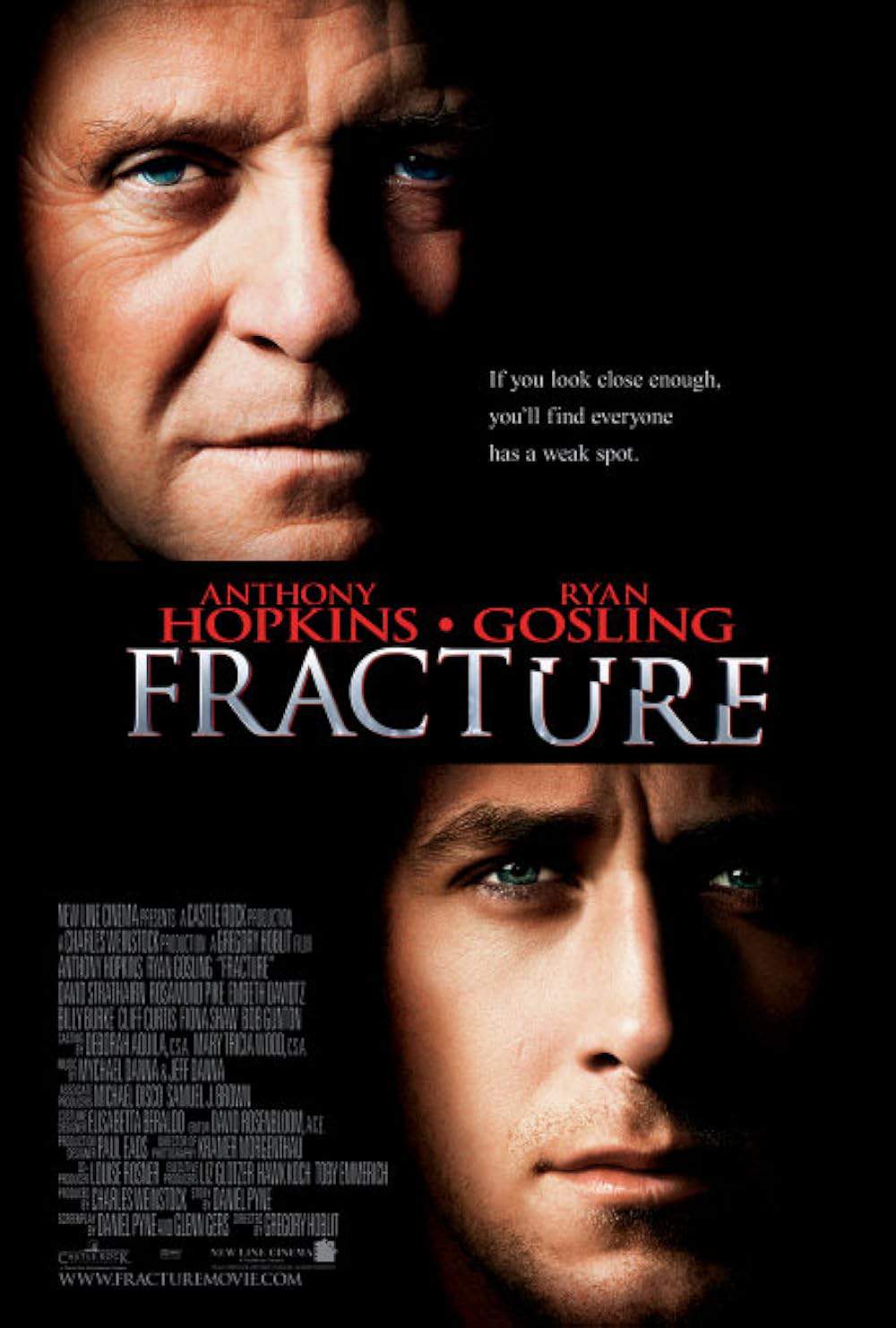
Fracture
2007
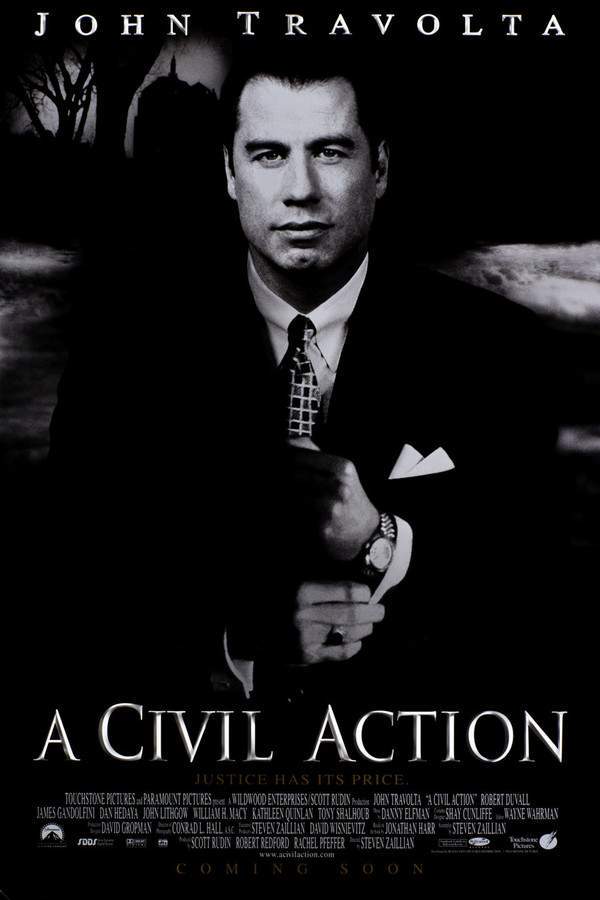
A Civil Action
1998
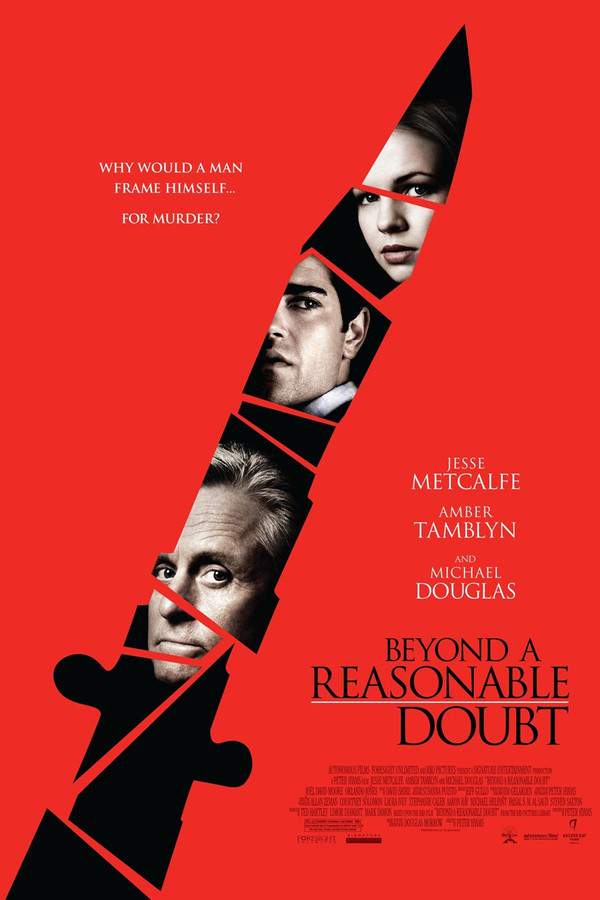
Beyond a Reasonable Doubt
2009
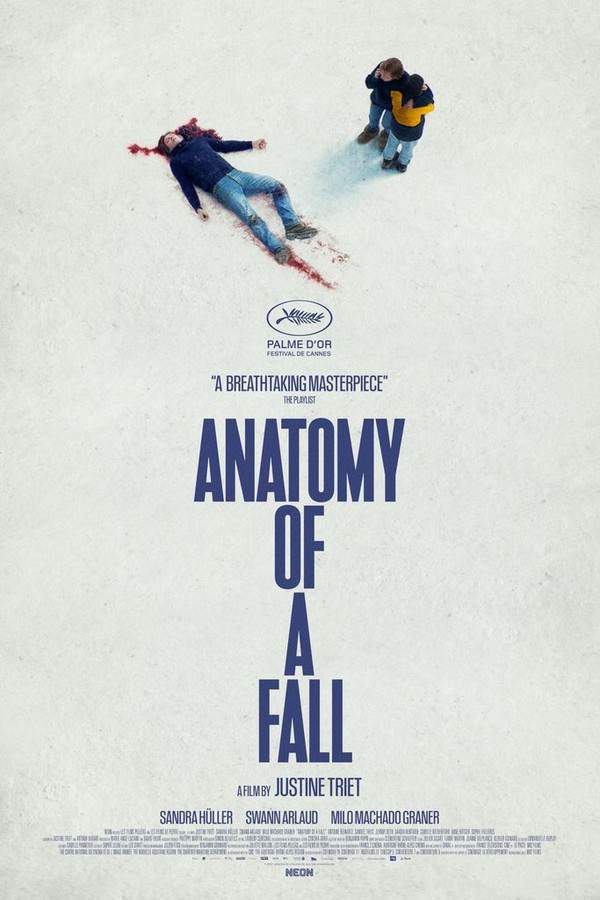
Anatomy of a Fall
2023
Amanda Knox: Murder on Trial in Italy
2011

Dark Figure of Crime
2018

One Man Show
2001

Talvar
2015

Beyond a Reasonable Doubt
1956

Suspect
2024

The Secret Fury
1950
Narrative Summary
Narratives in this thread typically follow a procedural structure, from the discovery of a crime through the investigation and into the tense courtroom deliberations. The journey often involves protagonists fighting against a powerful system, with the truth becoming obscured by bias, flawed evidence, and sensationalist reporting.
Why These Movies?
Movies are grouped here for their shared focus on the legal process as a high-tension drama, their basis in or resemblance to real-world cases, and their exploration of how justice is pursued—and sometimes distorted—in the public eye.
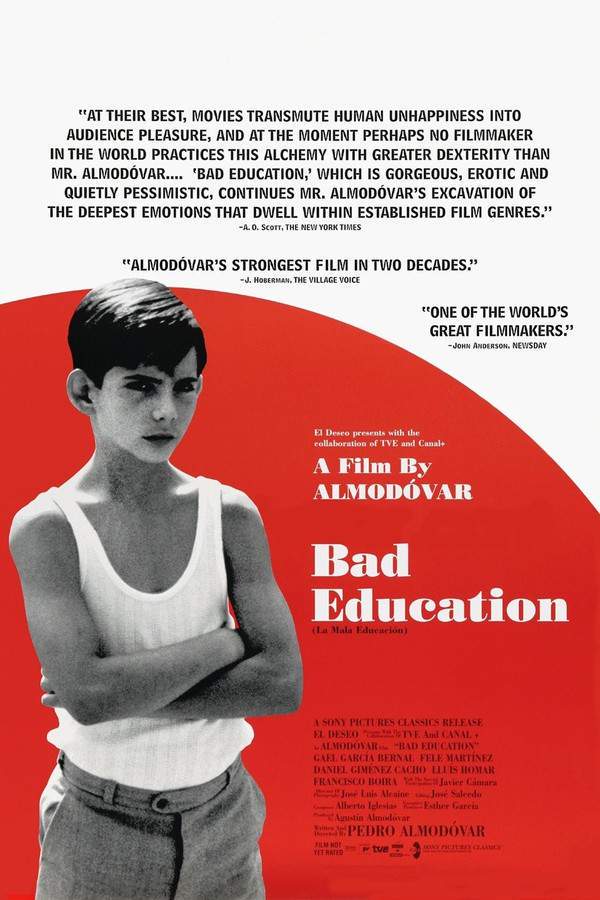
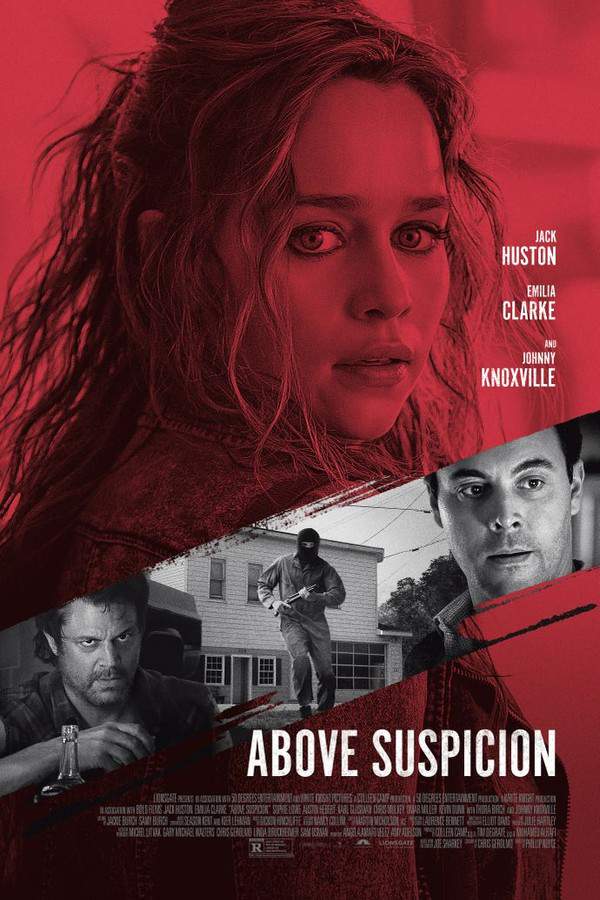
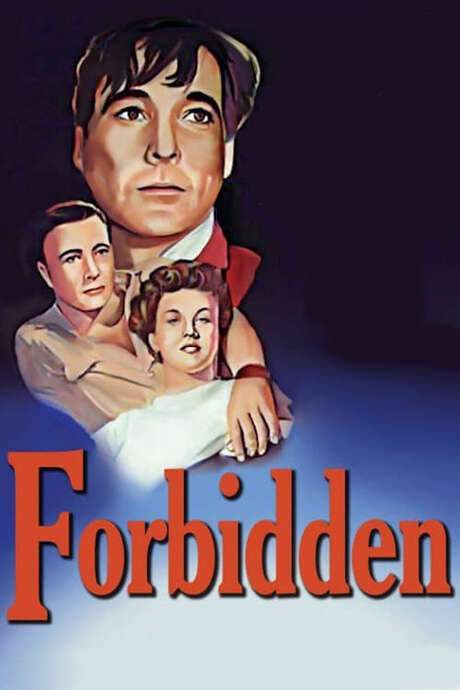
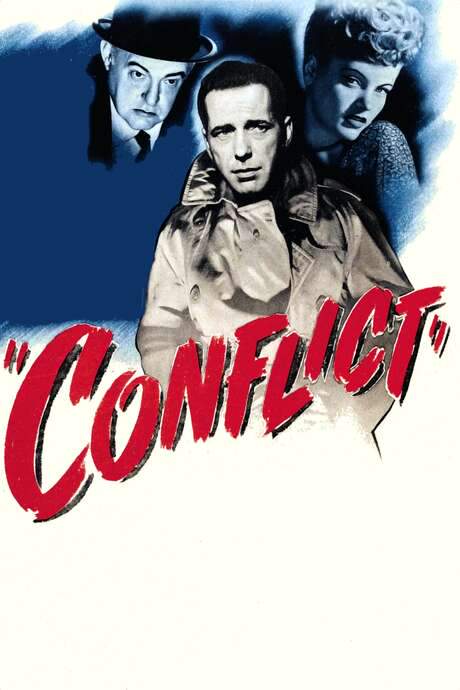
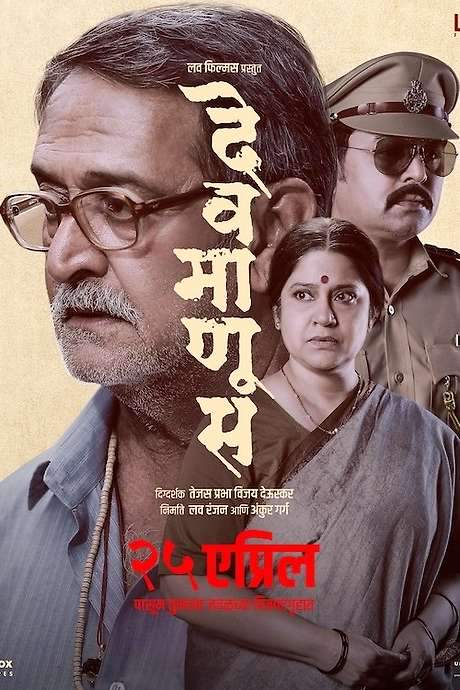
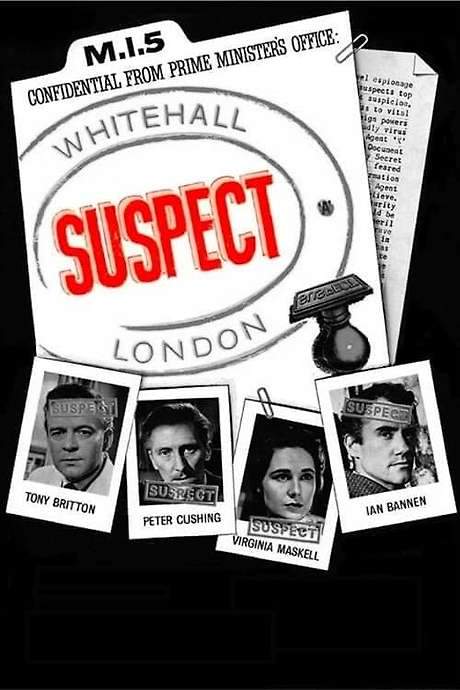
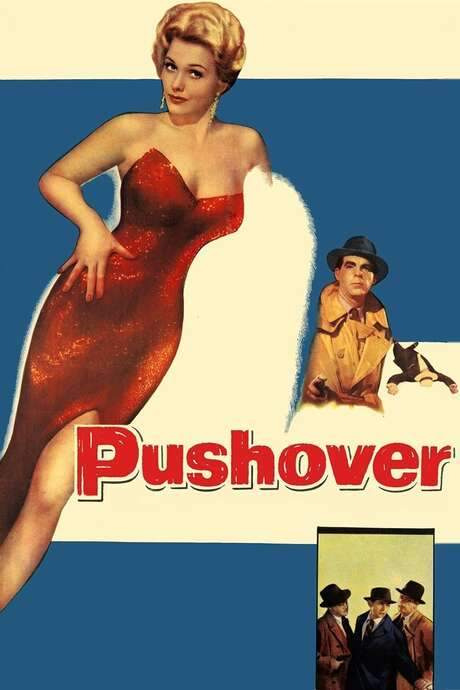
Bleak Crime Investigation Movies Like Amanda Knox: Murder on Trial in Italy
Grim stories where the search for truth creates more darkness than it dispels.For viewers who liked the oppressive, somber mood of Amanda Knox: Murder on Trial in Italy, this list curates similar gripping crime stories. Discover movies that share a sense of moral ambiguity, a focus on forensic details, and a heavy, melancholic tone stemming from tragedy and a flawed justice system.





Narrative Summary
These stories often unfold methodically, layer by layer, revealing the complexities of a crime and the imperfections of the investigation. The central conflict is frequently less about a simple whodunit and more about the collapse of certainty, leaving characters and viewers grappling with unsettling questions and a profound sense of injustice.
Why These Movies?
These films are connected by their oppressive, anxious mood, their focus on the grim details of criminal investigations, and their willingness to sit with moral ambiguity and tragic outcomes without offering easy resolutions.
Unlock the Full Story of Amanda Knox: Murder on Trial in Italy
Don't stop at just watching — explore Amanda Knox: Murder on Trial in Italy in full detail. From the complete plot summary and scene-by-scene timeline to character breakdowns, thematic analysis, and a deep dive into the ending — every page helps you truly understand what Amanda Knox: Murder on Trial in Italy is all about. Plus, discover what's next after the movie.
Amanda Knox: Murder on Trial in Italy Timeline
Track the full timeline of Amanda Knox: Murder on Trial in Italy with every major event arranged chronologically. Perfect for decoding non-linear storytelling, flashbacks, or parallel narratives with a clear scene-by-scene breakdown.

Characters, Settings & Themes in Amanda Knox: Murder on Trial in Italy
Discover the characters, locations, and core themes that shape Amanda Knox: Murder on Trial in Italy. Get insights into symbolic elements, setting significance, and deeper narrative meaning — ideal for thematic analysis and movie breakdowns.