


Plot Explained Spoilers guaranteed!
Plot Explained

Browse by genre

Abel (1986) movie poster

Plot Summary

Abel (1986) Plot Summary Explained

Release, runtime and language
1986 · 100 mins · Dutch
Starring
Alex van Warmerdam, Henri Garcin, Olga Zuiderhoek, Loes Luca, Annet Malherbe, Peer Mascini

An off‑beat comedy follows 31‑year‑old Abel, a recluse who never leaves his home. After doctors fail, his father Victor brings home Christine to teach Abel social skills. When Victor’s wife Duif suspects an affair, a fight throws Abel onto the street, where he meets Zus, a stripper whose show Victor obsesses over, giving Abel a chance at connection.

On this page (6)
  1. 1 Where to watch
  2. 2 What happens: full plot
  3. 3 Plot questions answered
  4. 4 Movie threads
  5. 5 Movies like Abel
  6. 6 Every angle

Where to watch

Where to Watch Abel (1986)

Where can you watch Abel? Stream, rent or buy it in the US, including on Google Play Movies and YouTube: current JustWatch availability with up-to-date prices.

Streaming availability powered by JustWatch

Full plot summary · contains spoilers

What Happens in Abel: Full Plot Summary

The whole story of Abel (1986) explained, from the opening scene to the final frame: every key event, every twist and what it all adds up to. Read it as a quick recap before the sequel, to check a scene you missed, or to finally understand what really happened.

Abel is a 31-year-old man who still lives with his parents, and his life is defined by a profound agoraphobia that has kept him indoors for more than a decade. He spends his days spying on the neighbors, pitting his father and mother against each other, and attempting to cut flies in two with an enormous pair of scissors—an odd ritual that mirrors a deeper need to control his surroundings.

His father, Victor, is frustrated by Abel's condition, while his mother, Duif, spoils him, creating a tense family dynamic. The family seeks help from a psychiatrist who concludes that the core problem lies in the unhealthy, co-dependent relationship between Abel and his parents. A mesmerist is brought in as well, but Abel's stubborn nature frustrates him, highlighting the limits of outsiders trying to repair this delicate balance. Meanwhile, Victor tries to push Abel into a social life by arranging a match within his theater circle, a plan that ends in failure as well.

To challenge his isolation, the family secretly buys a TV set against Victor's wishes. When Victor discovers the deception, he erupts in anger and sends Abel out into the streets, severing another thread of the already fragile family bond.

On the street, Abel meets Zus, who works at a peepshow called "De Naakte Meisjes" (The Naked Girls). She offers him kindness and begins a relationship with him, giving him a glimpse of companionship beyond his parents. The twist arrives when Abel learns Zus is involved with a married man, who turns out to be his own father, [Victor].

Back home, Duif locates Abel and informs her husband of his whereabouts. Victor's rage deepens into a psychotic episode, and tensions escalate into a dramatic confrontation at Zus' place. The drunk father becomes aggressive toward Zus, and Abel reveals the affair that ties together his parents' betrayals. Duif, fearing a total collapse of the family, contemplates suicide, but ultimately, finding little support from either her husband or son, she chooses to remove herself from the triangle and leaves Abel in the care of the prostitute, while taking her husband home.

In the end, the chaos among the family yields a bitter, deadpan humor as Abel and Zus share a quiet, defiant laugh, and the iconic image returns: he cuts a fly in two with his enormous scissors.

Last updated: October 09, 2025 at 14:21

Was this helpful?

Plot questions answered

Abel Plot Explained: Your Questions Answered

The questions people ask most about Abel (1986): what happens in the confusing scenes, why the characters do what they do, the twists, hidden details and what the ending means. Each answer contains spoilers.

Q1

Why does Abel never leave his house?

Abel has suffered from severe agoraphobia for over ten years, preventing him from stepping outside. The psychiatrist reveals that his condition stems from the unhealthy, co-dependent relationship between his parents, Victor and Duif, rather than any inherent fear of the outside world itself.

Foreshadowing: Abel's rituals of spying on neighbors and cutting flies suggest a deep need to control his immediate environment while fearing what lies beyond it.

  • agoraphobia
  • anxiety
  • family dysfunction
  • recluse
  • isolation
Q2

Why does the psychiatrist say the problem is with Abel's parents?

After observing the family dynamic, the psychiatrist determines that Abel's agoraphobia is a symptom of the unhealthy co-dependent relationship between Victor and Duif. The parents unknowingly enable Abel's withdrawal by spoiling him and creating an environment where his symptoms serve a function in the family system.

Foreshadowing: The earlier scenes showing Duif spoiling Abel while Victor expresses frustration establish the fractured parental dynamic the psychiatrist identifies.

  • psychiatrist
  • therapy
  • family system
  • co-dependency
  • parents
Q3

Why does Victor explode over the TV and kick Abel out?

Victor discovers that Duif and Abel secretly bought a television set against his explicit wishes. This betrayal represents the final straw in a long pattern of deception within the household. Victor's anger stems from feeling undermined and unable to control his own family, leading him to forcefully expel Abel onto the streets.

Foreshadowing: The TV purchase marks a small rebellion within the stagnant household, triggering the family breakdown that has been building throughout the film.

  • television
  • father
  • anger
  • family conflict
  • exile
Q4

How does Abel meet Zus?

After being thrown out by Victor, Abel ends up on the street and encounters Zus, a stripper who works at a peepshow called De Naakte Meisjes. Taking pity on the confused and lost man, she offers him kindness and begins a relationship with him, providing Abel with companionship he has never experienced outside his parents' home.

Foreshadowing: Victor's earlier obsession with the peepshow creates the connection that brings Abel into Zus's life.

  • Zus
  • stripper
  • peepshow
  • relationship
  • companionship
Q5

Why is Zus involved with Victor?

Zus is revealed to be having an affair with a married man, who turns out to be Abel's own father, Victor. This devastating twist connects the two main storylines and exposes Victor's hypocrisy, he criticizes Abel's withdrawal while secretly engaging in his own destructive behavior outside the family.

Foreshadowing: Victor's fixation on the peepshow earlier in the film hints at his attraction to that world before the affair is revealed.

  • affair
  • infidelity
  • Victor
  • father
  • married man
Q6

Why does Duif threaten to commit suicide?

After learning that Victor had an affair with Zus, Duif is overwhelmed by double betrayal, from both her husband and her son who revealed the truth. The revelation shatters the fragile family structure she has maintained, pushing her to contemplate ending her life before ultimately choosing to remove herself from the impossible situation.

Foreshadowing: Duif's earlier role as the peacemaker between Victor and Abel foreshadows her inability to hold the fractured family together.

  • Duif
  • suicide
  • betrayal
  • mother
  • emotional breakdown
Q7

Why does Duif leave with Victor instead of staying with Abel?

After threatening suicide and calming down, Duif makes the difficult decision to take Victor home rather than stay with Abel. Despite her son's connection with Zus, she feels she cannot abandon her husband, even after his affair. This choice leaves Abel in Zus's care, representing the final collapse of the family unit as Duif chooses her marital bond over her son.

Foreshadowing: Duif's earlier tendency to side with Abel against Victor, then back to Victor, shows her wavering loyalty that ultimately defaults to her husband.

  • Duif
  • Victor
  • family collapse
  • choice
  • leaving
Q8

What does Abel's fly-cutting ritual symbolize?

Abel's obsession with cutting flies in half with enormous scissors represents his deep need to control things in his environment, particularly life and death. The ritual is a manifestation of his powerless feelings, he cannot control the world outside his home, so he exercises control over the tiny creatures within his reach. The final return of this image at the end underscores that nothing has truly changed.

Foreshadowing: The fly-cutting is introduced early as Abel's signature behavior, establishing his psychological need for control that runs through the entire film.

  • flies
  • scissors
  • control
  • symbolism
  • ritual
Q9

Why does the family completely fall apart?

The family collapses because of layered betrayals and secrets: Victor's secret affair with a prostitute, Duif's secret TV purchase, Abel's secret life on the streets, and finally Abel's revelation of his father's affair. Each deception shatters the fragile equilibrium the family had maintained, driving Victor into a psychotic rage and leaving Duif unable to hold anything together.

Foreshadowing: The psychiatrist's earlier insight that the family's unhealthy dynamic is the real problem foreshadows this complete breakdown.

  • family breakdown
  • betrayal
  • secrets
  • collapse
  • dysfunction
Q10

Is Abel better off at the end of the movie?

The ending is bittersweet, Abel has found genuine connection with Zus, something his parents never provided. However, this relationship is built on the ruins of his family and his mother's abandonment. Their shared laugh and the return of the fly-cutting scene suggest a fragile, defiant companionship born from chaos rather than true healing.

Foreshadowing: Zus's earlier kindness to the lost Abel establishes their bond as the one healthy connection he has, even if it emerges from dysfunctional circumstances.

  • ending
  • resolution
  • Zus
  • connection
  • bittersweet

Movie threads

More Movies Like Abel, by Mood & Story

Curated lists built around what makes Abel tick: the same mood, the same kind of story or the same emotional payoff. Each list explains why these movies belong together.

Quietly Dysfunctional Family Dramedies like Abel

Character studies of peculiar families, blending dark humor with emotional tension. If you liked the off-beat family dynamics in Abel, explore more movies like it. This list features similar dark comedies and character-driven dramas about dysfunctional families, where quirky behavior masks deeper emotional struggles and the tone balances unease with deadpan humor.

  • dysfunctional
  • quirky
  • unsettling
  • deadpan
  • anxious
  • claustrophobic
  • Tone: dark, quirky, bittersweet
  • Pacing: steady, character-driven
Why these movies?

The story pattern: Stories in this thread typically revolve around a closed, often claustrophobic family system disrupted by an outside force or internal secret. The plot unfolds methodically, revealing the absurd rituals and controlling relationships that define the family, leading to a crisis that forces a bittersweet or ambiguous resolution.

Why they belong together: Movies are grouped here for their shared focus on family dysfunction presented with a darkly comedic tone. They share a steady pacing, a medium emotional weight that avoids sheer bleakness, and a central theme of exploring how peculiar family bonds both imprison and define their members.
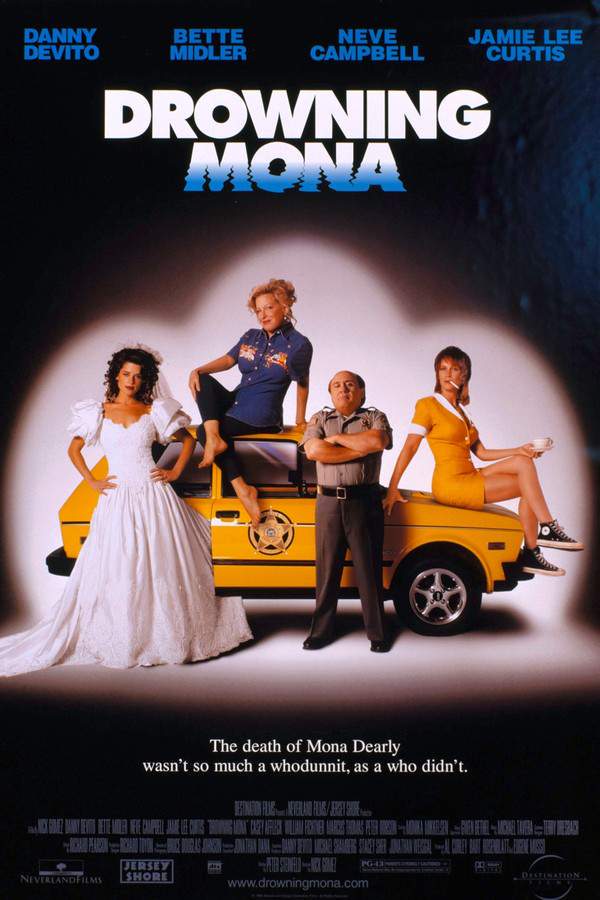
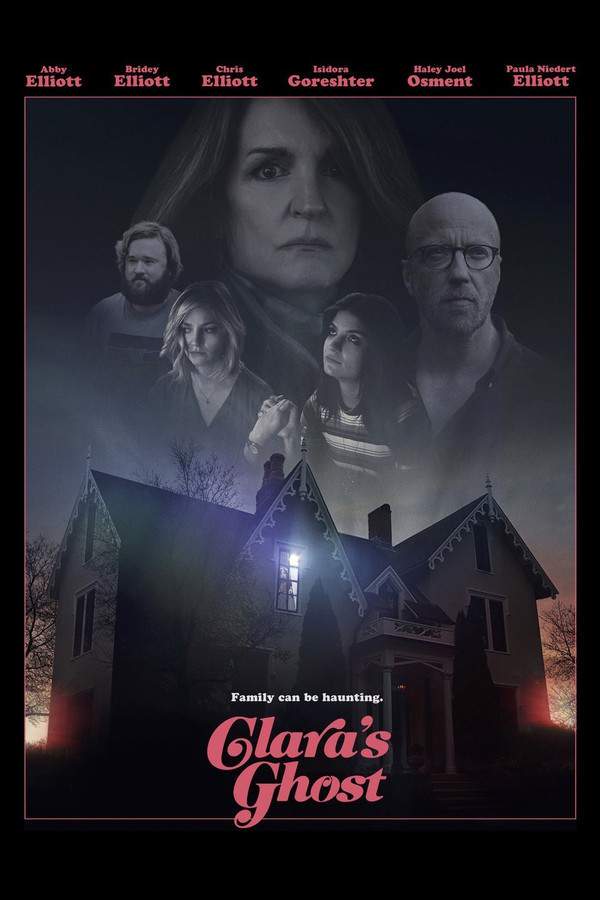
Movies about Isolation and Connection like Abel

Stories of recluses and outsiders taking a fragile step into the world. For viewers who appreciated Abel's story of a recluse seeking contact, this collection features similar movies about isolated protagonists. Discover films with a bittersweet feel where characters break free from their shells through unconventional relationships, blending themes of mental health, loneliness, and dark comedy.

  • isolated
  • anxious
  • bittersweet
  • unconventional
  • poignant
  • awkward
  • Tone: bittersweet, darkly humorous
  • Pacing: steady, observational
Why these movies?

The story pattern: The narrative follows a protagonist defined by their isolation (agoraphobia, social anxiety, etc.) whose carefully ordered world is interrupted. An external character enters their life, often chaotically, initiating a stumbling, sometimes painful process of engagement. The ending is rarely purely happy, instead offering a complex, hard-won sense of change or understanding.

Why they belong together: These films share a central character archetype—the isolated individual—and a core narrative arc of tentative connection. They consistently blend melancholy with humor, maintain a deliberate pacing that mirrors the protagonist's cautious world, and deliver endings that feel earned but remain bittersweet.

If you liked this

Movies Like Abel

Similar movies to Abel: the same genre, themes or kind of story. Each one comes with its own plot summary, timeline and ending explained.

Browse all movie summaries

Every angle

Abel (1986) Explained: Plot, Timeline & Characters

Everything about Abel in one place: what happens in the plot summary, the timeline in chronological order, the characters and meaning and a spoiler-free summary. What's After the Movie adds the cast, box office and post-credit scenes.

Coming soon on iOS and Android

The Plot Explained Movie Summary App

Plot summaries, endings explained and timelines on your phone. Catch up on any movie in minutes, save your favorites and never miss a twist again.

Be the first to know when we launch. Your email stays private, always.

Learn more about the app