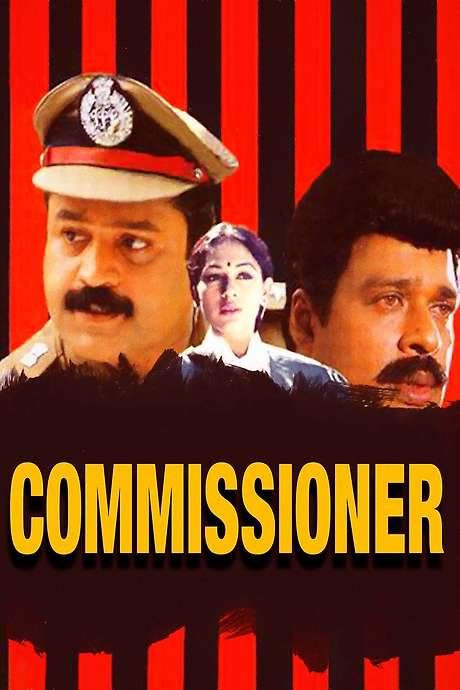
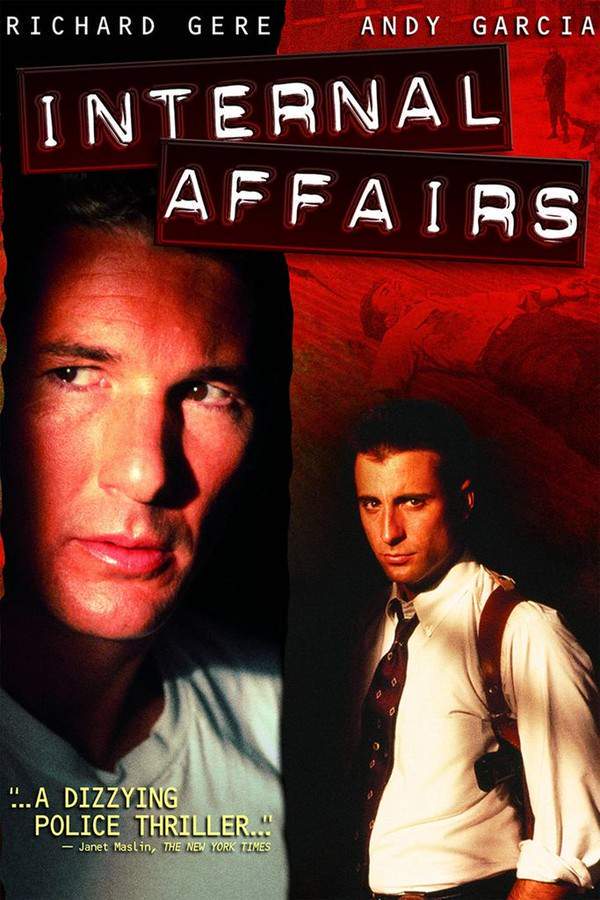
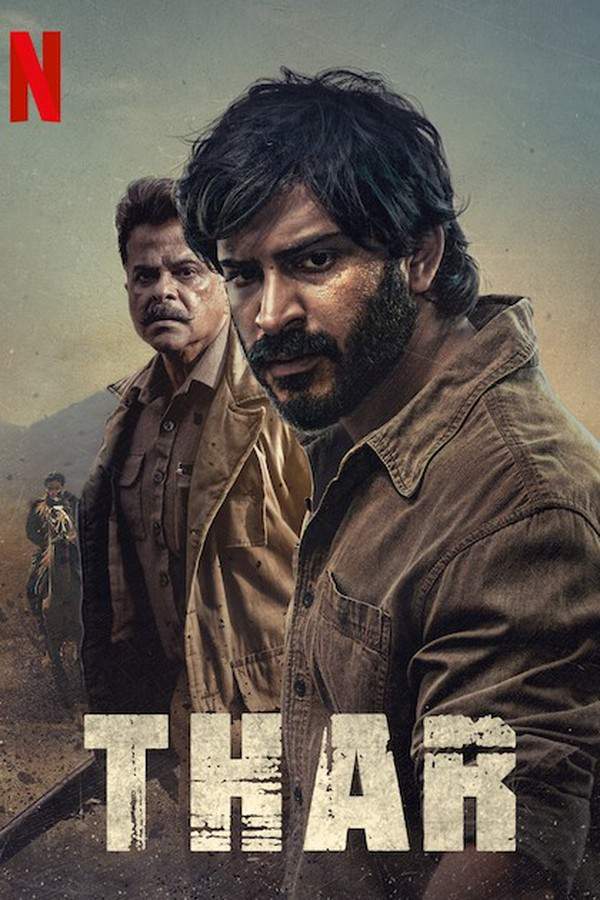
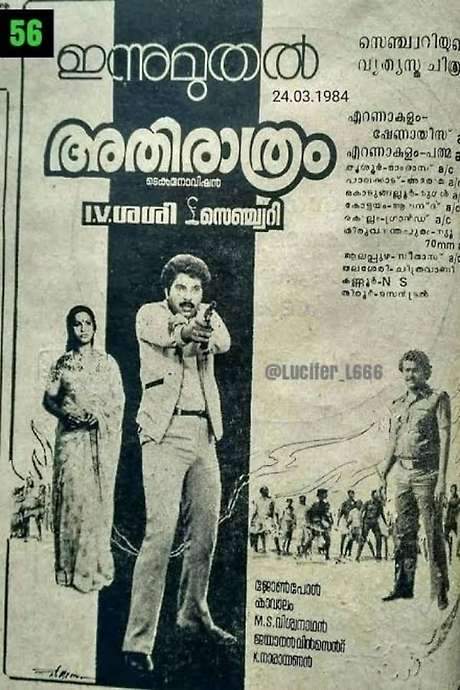
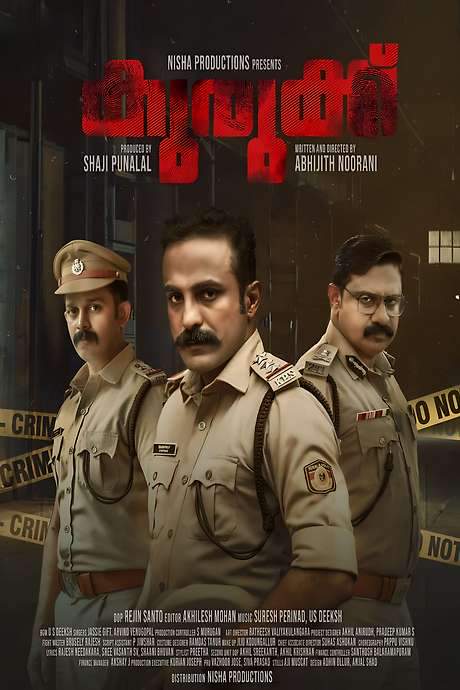
From an early hardship, Sathya is an orphaned boy framed for the murder of his wife and sent to a juvenile facility, where a warden becomes a steadying influence and helps him secure a sub-inspector position. This new role places him in a world where honesty clashes with corruption, and the burden of keeping his integrity marks him as an outsider among many colleagues.
As a police officer, he remains steadfast, refusing bribes and choosing to do the right thing even when others bend the rules. That moral compass is tested when he helps a writer who is beaten by the corrupt inspector, Gunasekaran. Believing Sathya is being used to smear him, Gunasekaran schemes to publicly disgrace him and sets Sathya up to be watched as a liability.
To complicate matters, Sathya is ordered to shadow a dangerous gangster. In a critical misstep, he loses his gun, a fully loaded eight-shot service weapon, and Gunasekaran gives him one day to recover it or face disciplinary action. The pressure mounts as the case spirals into a high-stakes chase.
With the help of a reporter friend, Meera, Sathya tracks down the boy who pickpocketed the gun, only to learn that the gun has already changed hands. The buyer then uses the weapon in a bank robbery, and in the chaos that ensues, a little girl is killed. Meera, risking her job, reports the case to her superiors, and the story goes viral, leading to Sathya’s suspension and forcing him into hiding. His absence prompts the new handler, Pandian, to close in, championing the idea that a true policeman never stops searching, and inspiring Sathya to join the pursuit again.
Meanwhile, one robber tries to buy a necklace for his girlfriend and, in the process, drains fresh notes from a bank—an operation the police had been tracking by serial numbers. The circumstance escalates as the boss eliminates a problematic ally to keep the money secure, while the surviving robber reaches out to the authorities, only to be silenced to prevent any leaks. The web of crime tightens around the gang, exposing how vast and intertwined the corruption is.
In parallel, Krishnamurthy, an older police officer who had been suspended for letting a terrorist slip away, reflects on life and the changing times, forming a quiet bridge between past mistakes and present ambitions. The investigation gradually reveals that the robberies are connected to Murthy, a seasoned criminal who orchestrates the violence and greed behind the scenes. This is the same figure who becomes central to Sathya’s toughest moral dilemma.
The plot thickens as Murthy intensifies his operation: he tracks Gunasekaran to a bank and launches another robbery, ultimately killing Gunasekaran and flinging the money onto the street. A high-tension standoff follows when Murthy abducts Murthy’s own grandson during a confrontation with Pandian, placing Sathya at a crucial crossroads. In a tense climax, Sathya walks away with his gun, and the investigation board initially receives Sathya’s account that Murthy killed Pandian and Sathya killed Murthy in self-defense. Yet a flashback reveals the truth: Pandian slips, a shot rings out, and Murthy shoots Pandian; Sathya hesitates, unable to shoot Murthy, who then uses the last bullet to shoot himself, choosing to end his life rather than face prison and to shield his family from shame.
The film closes on a stark note as Sathya, now with Meera by his side, drives away while she urges him not to dwell on Murthy’s actions. In the final moments, a stoplight scene hints at a cruel reminder of the system’s reach: the employer who framed him is glimpsed nearby, leaving the audience with a haunting sense of unresolved justice and the possibility that the fight against corruption never truly ends.