
The Fever
Year: 2004
Runtime: 83 mins
Language: English
Director: Carlo Gabriel Nero
Look beyond comfort. Tells the story of a woman who gets involved in politics with no previous contact with world events.
Warning: spoilers below!
Haven’t seen The Fever yet? This summary contains major spoilers. Bookmark the page, watch the movie, and come back for the full breakdown. If you're ready, scroll on and relive the story!
Timeline – The Fever (2004)
Trace every key event in The Fever (2004) with our detailed, chronological timeline. Perfect for unpacking nonlinear stories, spotting hidden connections, and understanding how each scene builds toward the film’s climax. Whether you're revisiting or decoding for the first time, this timeline gives you the full picture.
Last updated: October 09, 2025 at 15:19
The Fever (2004) Timeline Questions Answered – Chronology FAQ
Find frequently asked questions about the The Fever (2004) timeline, including chronological order, nonlinear jumps, cause-and-effect links, and scene sequence clarifications. This timeline FAQ helps explain when key events happen, how moments connect, and why the story unfolds in that specific order.
Why does the journalist urge her to visit the war-torn neighboring country?
The journalist pushes her to visit the war-torn region because he wants her to see beyond the tourist-friendly facade of the first country. He believes witnessing conflict, inequality, and suffering directly will give her a more authentic understanding of global realities, rather than the sanitized experience of luxury travel.
Earlier, she had only encountered the glossy surface of the tourism-driven economy, which the journalist saw as incomplete.
What triggers her existential crisis at the start of the film?
She undergoes a quiet but piercing existential crisis when she becomes suddenly aware of how world politics, economic exploitation, and vapid consumerism have shaped her comfortable life. This awareness of the entangled web of global systems unsettles her previously elitist worldview.
The opening establishes her as an urban sophisticate immersed in opera, art, and luxury shopping.
Why can't she return to her old life after witnessing the suffering?
After experiencing the war-torn country and its realities, she discovers that her former interests, operas, debates about art, shopping for beautiful things, no longer fit the person she has become. The contrast between luxury and deprivation has created a moral judgment she cannot resist, making her old pleasures feel hollow and meaningless.
Her first trip already planted seeds of doubt about her previous values.
What happens during her fever episode in the hotel?
In a run-down hotel in the war-torn country, she experiences a delirious fever that forces a direct confrontation with her own need for comfort and sense of entitlement. The fever becomes a crucible where her denial and desire for safety clash with her dawning sense of responsibility, mirroring her emotional upheaval.
Her earlier trips had built up the guilt and moral conflict that now erupts.
What does her spiritual enlightenment actually mean?
During the fever, she experiences a profound sense of oneness with all reality, recognizing that material wealth and personal prestige are transient. She sees herself as part of a broader human fabric rather than a detached observer, understanding that her choices ripple outward and connect her to strangers worldwide.
The fever represents the peak of her internal struggle, breaking down her ego-centered worldview.
Why does she reject comfort at the end of the film?
She can no longer sit in comfort or pretend everything is fine because she now understands the moral weight of her privilege. The enlightenment she experienced makes the 'clean sheets' lifestyle feel like a betrayal of the suffering she witnessed, sealing her commitment to living with greater moral awareness and accountability.
Her earlier guilt over systemic inequality had already shown her the contradiction in her comfortable existence.
How does witnessing poverty and conflict change her perspective?
Seeing poverty and conflict firsthand transforms her from a detached tourist into someone who feels the gulf between her former privileges and the lives of others. The experience pressures her to reevaluate her entire worldview, shifting her perspective from observer to participant in a broader moral drama.
The journalist's provocation was specifically designed to create this transformation.
Why does the film show both the tourism-driven country and the war-torn country?
The film uses both countries to create a contrast that illustrates how global systems operate. The tourism-driven nation represents the glossy facade of exploitation, luxury, products, and spectacle, while the war-torn country reveals the consequences of conflict and neglect that the first country depends upon. Together, they show the full picture of global inequality.
The tourist country sets up the illusion that the film initially disrupts.
What does the phrase 'enlightenment can be brutal' mean in the film?
The phrase refers to the film's central revelation: true awareness of global suffering and one's own privilege is not a comfortable experience but a harsh, liberating reckoning. The enlightenment is 'brutal' because it forces her to abandon her previous identity and accept moral responsibility, which comes at the cost of her comfort and innocence.
This concept builds throughout her journey, culminating in the fever scene.
Why does the film focus so much on her privilege?
The film focuses on her privilege because it represents the complicity of elite Western lifestyles in global exploitation. Her awakening demonstrates how comfort can blind people to suffering elsewhere, and her transformation shows the moral burden that comes with recognizing that privilege.
Her initial comfortable life is explicitly described as maintained by systems of exploitation.

Explore Movie Threads
Discover curated groups of movies connected by mood, themes, and story style. Browse collections built around emotion, atmosphere, and narrative focus to easily find films that match what you feel like watching right now.
Movies about political and moral awakenings like The Fever
Stories of sheltered lives disrupted by a jarring encounter with harsh realities.If you liked The Fever, you'll appreciate these films about characters undergoing a profound political or moral awakening. They explore the unsettling journey from insulated comfort to a sobering new awareness, dealing with themes of privilege, guilt, and global inequality.

A Dream of Passion
1978

A Fortunate Man
2018

Wintersleepers
1997

Dark Blue Almost Black
2006

Character
1997

David
2013

An Awfully Big Adventure
1995
The Fever
2004

Another Country
1984

The Unbearable Lightness of Being
1988

The Leopard
1963

Innocence
2005

Golden Gate
1994
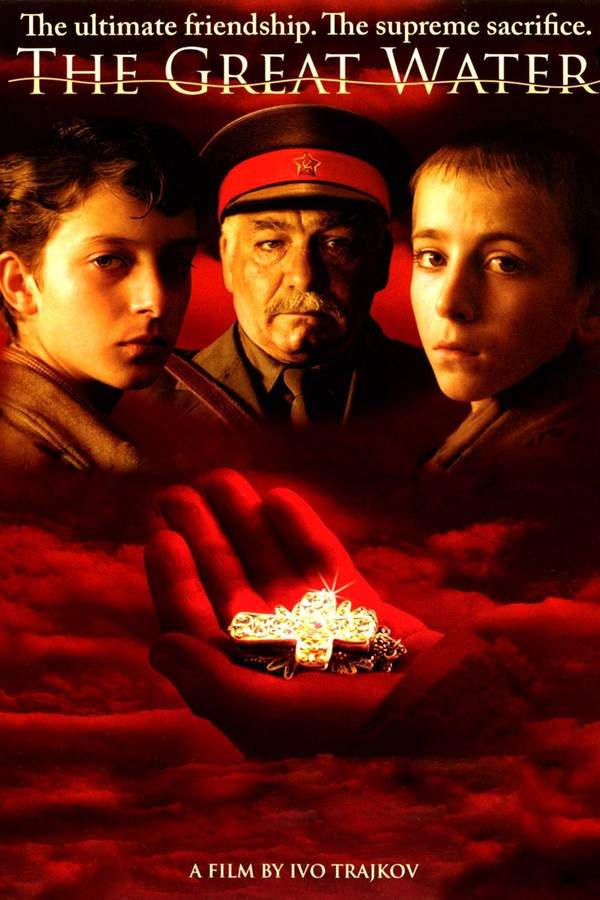
The Great Water
2005
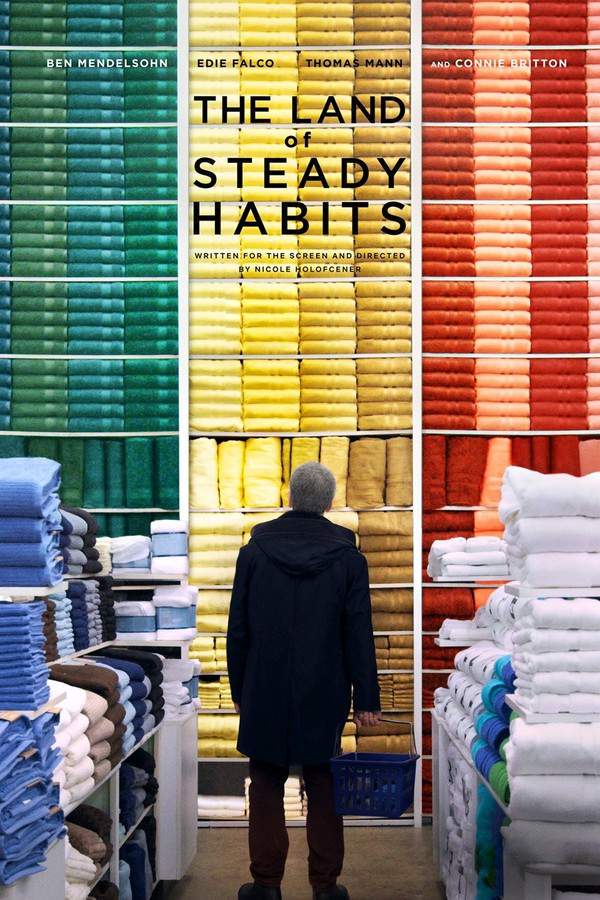
The Land of Steady Habits
2018
Narrative Summary
These narratives follow a character, often from a position of insular privilege, who is confronted with a truth about systemic injustice or suffering. The plot revolves around their internal crisis as they grapple with this new knowledge, leading to a loss of innocence and a challenging redefinition of their identity and responsibilities.
Why These Movies?
Movies in this thread are grouped by their shared focus on a specific character arc: the disruption of a comfortable life by a moral or political revelation. They share a heavy emotional weight, a melancholic or bittersweet tone, and a serious engagement with themes of empathy and responsibility.
Slow burn existential dramas with a heavy mood like The Fever
Contemplative dramas where a quiet dread builds into a profound personal crisis.For viewers seeking more movies like The Fever, this thread collects slow-paced, introspective dramas centered on an existential crisis. These films feature a heavy emotional mood, melancholic tone, and a focus on a character's internal journey of reckoning and awakening.

Dark Illness
1990

Zen Noir
2006
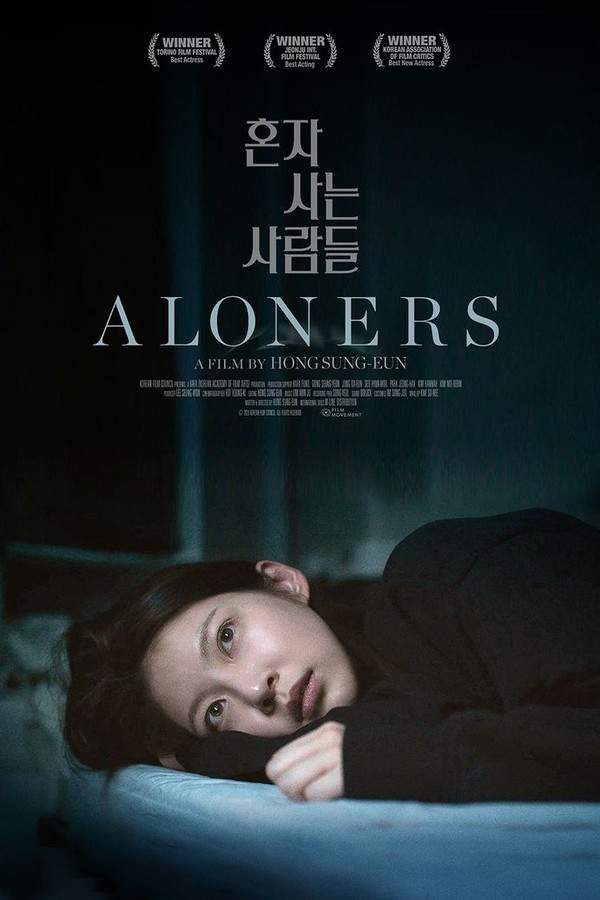
Aloners
2023
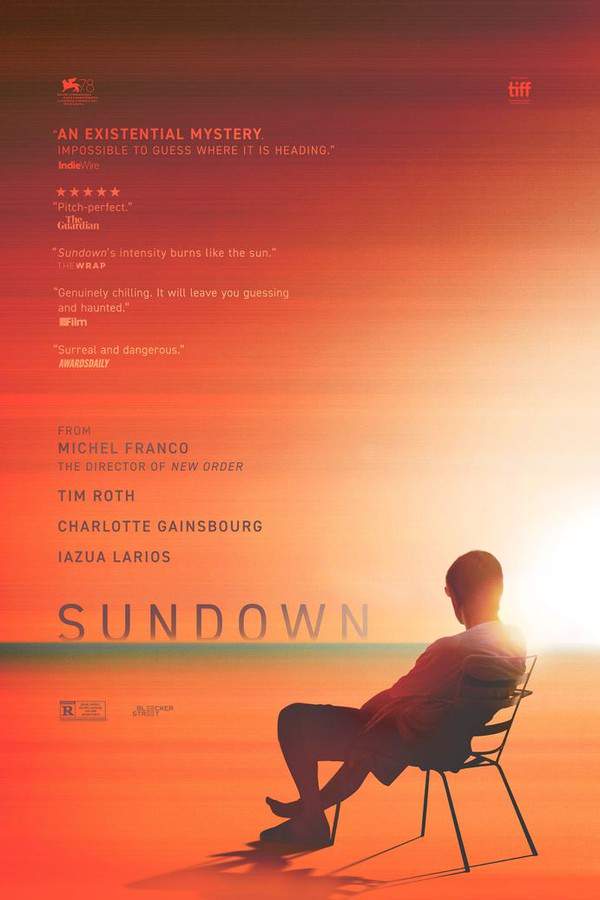
Sundown
2022

Liebestraum
1991
The Sense of an Ending
2017

Taste of Cherry
1998
Spring, Summer, Fall, Winter... and Spring
2004

Forever
2014

When Nietzsche Wept
2007

A Handful of Dust
2019

The Silence
1963
Breathing
2012

Terribly Happy
2008

The Fire Within
1963
Narrative Summary
The narrative pattern involves a protagonist experiencing a gradual but persistent feeling that their life lacks meaning or is built on an unethical foundation. The story unfolds quietly, focusing on their internal reflections and small, accumulating realizations rather than dramatic plot twists, culminating in a transformative but painful new clarity.
Why These Movies?
These films are united by their specific mood and pacing: a slow-burn approach to exploring deep existential themes. They prioritize internal conflict over external action, creating a consistently heavy, reflective, and often claustrophobic atmosphere that is more contemplative than thrilling.
Unlock the Full Story of The Fever
Don't stop at just watching - explore The Fever in full detail. From the complete plot summary and scene-by-scene timeline to character breakdowns, thematic analysis, and a deep dive into the ending - every page helps you truly understand what The Fever is all about. Plus, discover what's next after the movie.
The Fever Summary
Read a complete plot summary of The Fever, including all key story points, character arcs, and turning points. This in-depth recap is ideal for understanding the narrative structure or reviewing what happened in the movie.

Characters, Settings & Themes in The Fever
Discover the characters, locations, and core themes that shape The Fever. Get insights into symbolic elements, setting significance, and deeper narrative meaning - ideal for thematic analysis and movie breakdowns.


