Ending Explained
The Stringer: The Man Who Took the Photo (2025) Ending Explained – Final Scene & Meaning
- Directed by
- Bao Nguyen

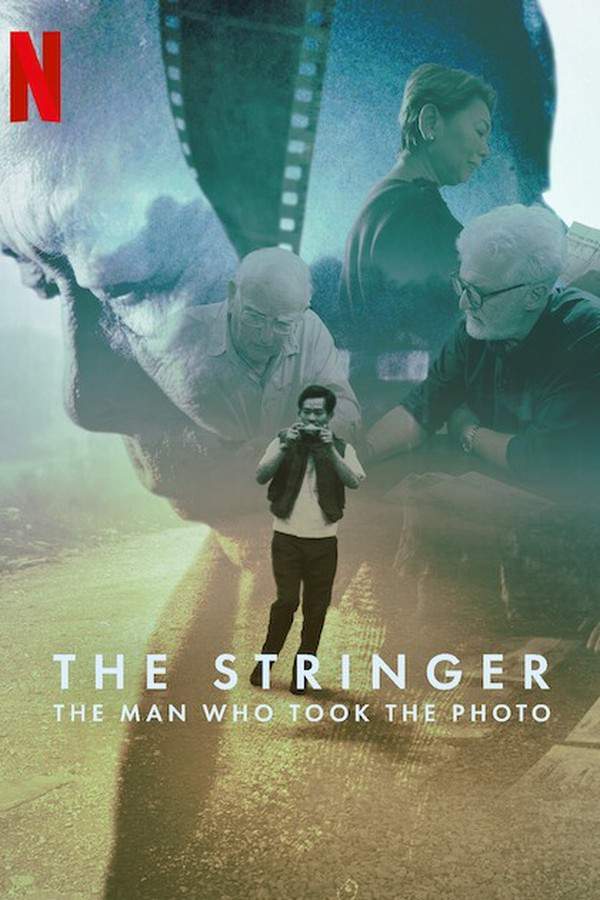
A former Saigon photo editor reveals a secret he’s been plagued with for 52 years, setting off a gripping two‑year investigation into the truth behind one of the Vietnam War’s most iconic photographs. Acclaimed conflict photographer Gary Knight and a small team of journalists embark on a relentless search to locate the original image’s subject, confront the shadows of war, and seek justice for those captured in the frame.
On this page (3)
Where to watch
Where to Watch The Stringer: The Man Who Took the Photo (2025)
Where can you watch The Stringer: The Man Who Took the Photo? Stream, rent or buy it in the US, including on Netflix and Netflix Standard: current JustWatch availability with up-to-date prices.


Streaming availability powered by

Ending explained · contains spoilers
What Happens at the End of The Stringer: The Man Who Took the Photo?
How The Stringer: The Man Who Took the Photo (2025) ends, what the final scene means, which earlier moments set it up and how to read the ending if the film leaves it open. The full ending explained, with every spoiler.
The documentary closes on the uneasy aftermath of the hunt for the real “stringer” behind the iconic Napalm Girl picture. After months of interviewing veterans, tracking down the Vietnamese freelancer Nghe, and commissioning a forensic analysis by the French firm Index Investigation, director Bao Nguyen and photo‑journalist Gary Knight present a technical reconstruction that places Nick Ut far from the exact spot where the frontal shot of Phan Thi Kim Phúc was taken. The evidence—positioning of the camera, lens type, and the timing of other images—suggests that the famous frame could not have been captured by Ut, but rather by the local driver‑photographer whose name had been erased from the credit line.
Armed with that report, Knight confronts the Associated Press. AP’s response is cautious: the agency acknowledges the new findings but points out that the original witnesses and key decision‑maker Horst Faas are deceased, and that the documentary’s 3‑D modelling may be flawed. Consequently, AP leaves the attribution unchanged, still listing Nick Ut as the photographer, while noting that a 50 mm Pentax—not Ut’s usual equipment—was likely used.
The World Press Photo organization, however, takes a harsher stance. After reviewing the same forensic dossier, it suspends Ut’s authorship credit—a rare move that underscores the depth of the controversy. The film also reveals that Ut, now elderly, has declined to appear in the documentary and is considering legal action, insisting that the investigation aims to tarnish his legacy. By contrast, Kim Phúc and her family continue to express gratitude toward Ut, maintaining a cordial relationship and defending his version of events.
The final scenes follow Nghe and his children, now living in California, who admit they can never produce definitive proof because the only copy of the negative was destroyed by Nghe’s wife in the chaos that followed. Nonetheless, they find solace in finally having their story told, and in the broader revelation of how Western news agencies routinely bought and anonymized images from local freelancers during the war.
The documentary ends on a lingering question rather than a tidy resolution: who truly deserves credit for a photograph that reshaped public opinion about the Vietnam War? It leaves viewers to grapple with the moral weight of hidden labor, the power of images, and the lingering shadows of history that still haunt those who lived—and filmed—it.
Last updated: December 10, 2025 at 15:56
Every angle
The Stringer: The Man Who Took the Photo (2025) Explained: Plot, Ending, Timeline & Characters
Everything about The Stringer: The Man Who Took the Photo in one place: what happens in the plot summary, the timeline in chronological order, the characters and meaning, the ending explained. What's After the Movie adds the cast, box office and post-credit scenes.
- The Stringer: The Man Who Took the Photo Plot Summary What happens, from the first scene to the last, every twist included.
- The Stringer: The Man Who Took the Photo Timeline Every key event in chronological order, ideal for flashbacks and time jumps.
- The Stringer: The Man Who Took the Photo Characters & Themes Who is who, where it takes place and what the movie really means.
- The Stringer: The Man Who Took the Photo on What's After the Movie Cast and crew, box office, post-credit scenes and more.
Coming soon on iOS and Android
The Plot Explained Movie Summary App
Plot summaries, endings explained and timelines on your phone. Catch up on any movie in minutes, save your favorites and never miss a twist again.
Be the first to know when we launch. Your email stays private, always.
Learn more about the app