The Silent Child
Year: 2017
Runtime: 20 mins
Language: English
Director: Chris Overton
A deaf 4-year-old girl named Libby lives in a world of silence until a caring social worker teaches her to use sign language to communicate.
Warning: spoilers below!
Haven’t seen The Silent Child yet? This summary contains major spoilers. Bookmark the page, watch the movie, and come back for the full breakdown. If you're ready, scroll on and relive the story!
Timeline & Setting – The Silent Child (2017)
Explore the full timeline and setting of The Silent Child (2017). Follow every major event in chronological order and see how the environment shapes the story, characters, and dramatic tension.
Last Updated: October 01, 2025 at 12:28
Main Characters – The Silent Child (2017)
Meet the key characters of The Silent Child (2017), with detailed profiles, motivations, and roles in the plot. Understand their emotional journeys and what they reveal about the film’s deeper themes.
Last Updated: October 01, 2025 at 12:28
Major Themes – The Silent Child (2017)
Explore the central themes of The Silent Child (2017), from psychological, social, and emotional dimensions to philosophical messages. Understand what the film is really saying beneath the surface.
Last Updated: October 01, 2025 at 12:28

Explore Movie Threads
Discover curated groups of movies connected by mood, themes, and story style. Browse collections built around emotion, atmosphere, and narrative focus to easily find films that match what you feel like watching right now.
Movies about gentle interventions like The Silent Child
A quiet outsider brings light to someone living in isolation.If you were moved by the caring social worker in The Silent Child, explore more movies where a compassionate outsider helps someone isolated find their voice. These films share a tender, character-driven approach, focusing on the emotional impact of connection against a backdrop of societal or familial resistance.



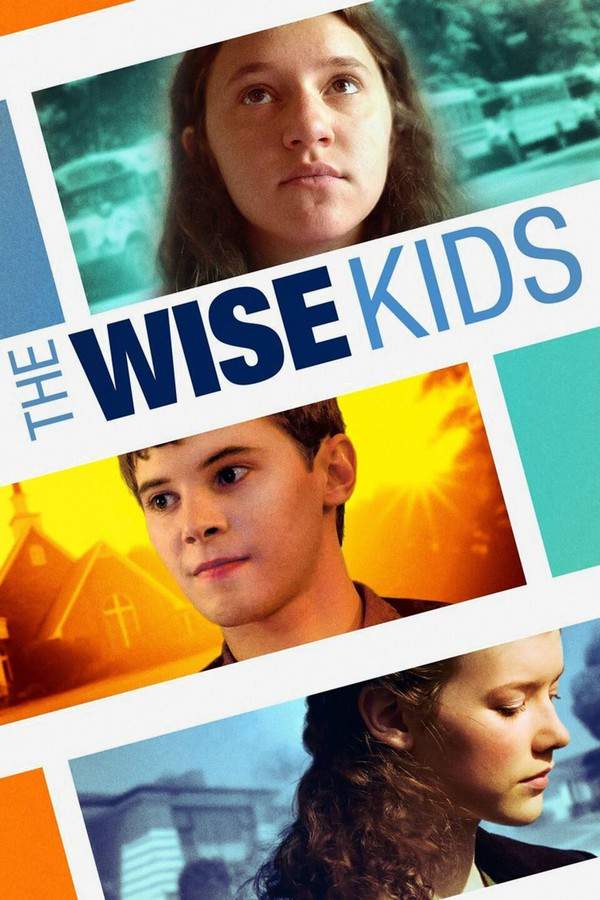





Narrative Summary
The narrative follows a compassionate outsider—a teacher, social worker, or unexpected friend—who forms a bond with an isolated individual. The central conflict arises from the clash between this new, hopeful connection and the established, often unwilling, environment. The journey is one of small, hard-won victories that may not lead to a perfectly happy ending, but profoundly change the individual's world.
Why These Movies?
These films are grouped by their shared focus on the power of patient, personal connection. They create a specific mood blend of quiet hope and gentle melancholy, often with a slow, intimate pace that allows the emotional weight of communication to build. The bittersweet tone is a common thread, acknowledging the difficulty of change while celebrating the beauty of understanding.
Movies with bittersweet triumphs like The Silent Child
Stories where personal victory is shadowed by a lack of understanding.If the ending of The Silent Child resonated with you, discover more films about characters who find personal victory amidst a world that doesn't fully understand them. These movies explore themes of quiet resilience, child development, and the bittersweet feeling of growth that goes unrecognized by those closest to you.
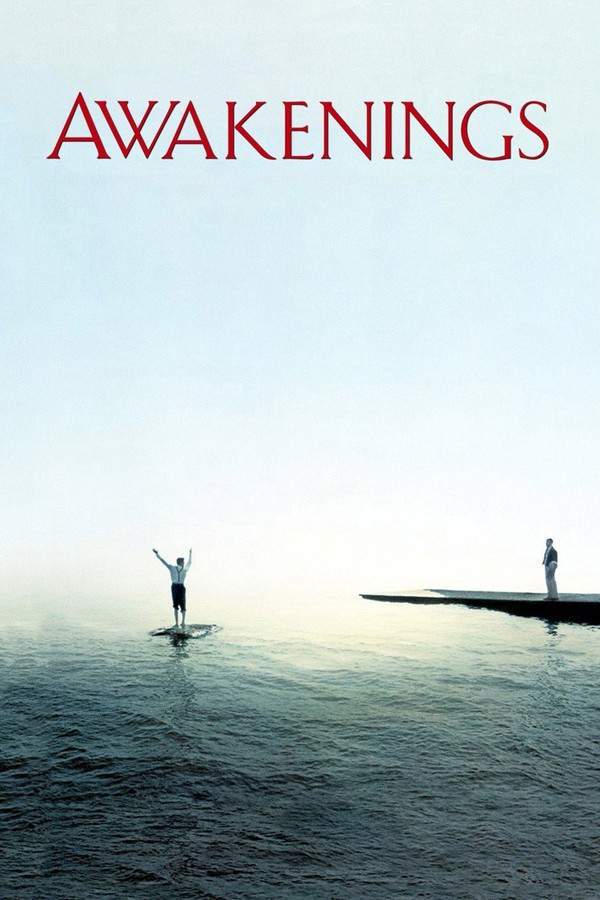
Awakenings
1990

A Shine of Rainbows
2010
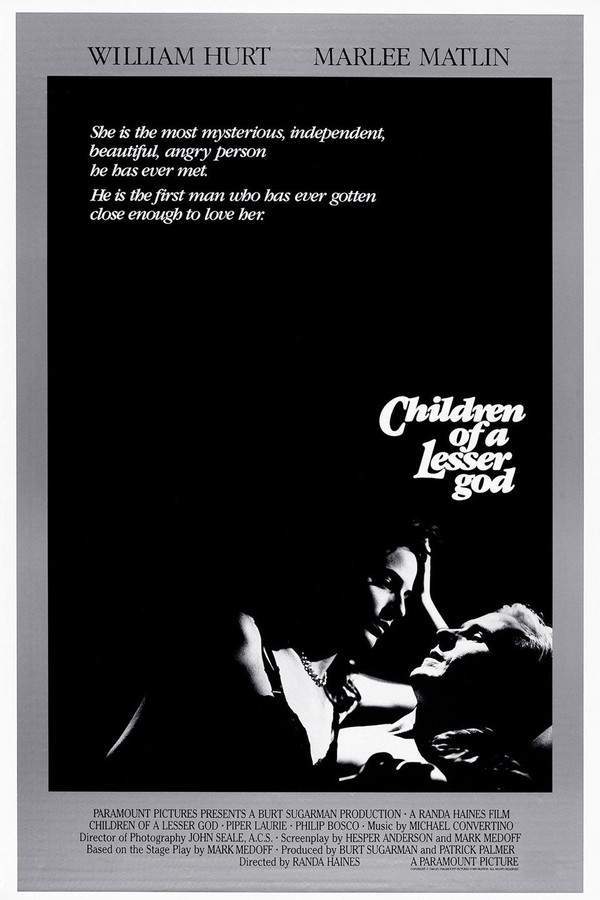
Children of a Lesser God
1986

The Battle of Shaker Heights
2003

The Trip to Bountiful
1986

A Perfect Ending
2012

The Trip to Bountiful
2014
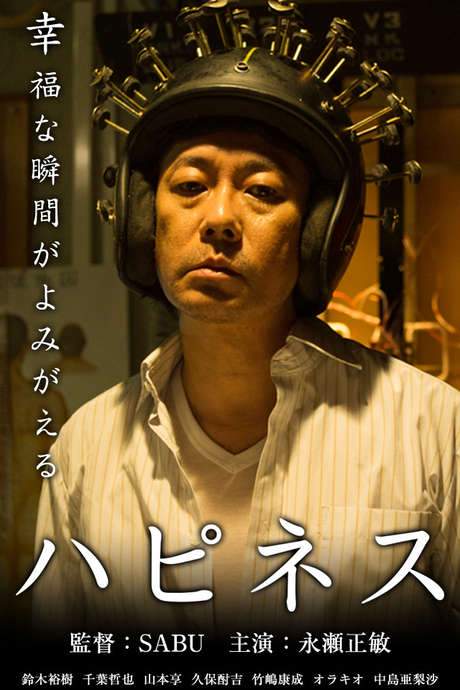
Happiness
2016

Let There Be Light
2017

Happiness
2016

Disappearing Acts
2000

Dark Victory
1939

Un/Happy for You
2024

Hello, My Name Is
2022

Phullwanti
2024
Narrative Summary
The narrative arc follows a character, often a child or someone who cannot easily advocate for themselves, as they learn to navigate a world not built for them. Their internal growth and mastery of a new skill (like sign language) is the central triumph. However, the story's conflict ensures this victory is personal and partial, culminating in an ending that is hopeful for the character but bittersweet due to the persistent lack of external validation or systemic change.
Why These Movies?
These films are united by a specific emotional pattern: the coexistence of hope and frustration. They deliver a powerful, medium-weight emotional experience by focusing on the gap between a character's inner world and their external reality. The straightforward, slow-paced narratives allow the viewer to sit with this complex feeling, creating a poignant and thoughtful vibe.
Unlock the Full Story of The Silent Child
Don't stop at just watching — explore The Silent Child in full detail. From the complete plot summary and scene-by-scene timeline to character breakdowns, thematic analysis, and a deep dive into the ending — every page helps you truly understand what The Silent Child is all about. Plus, discover what's next after the movie.
The Silent Child Summary
Read a complete plot summary of The Silent Child, including all key story points, character arcs, and turning points. This in-depth recap is ideal for understanding the narrative structure or reviewing what happened in the movie.

The Silent Child Timeline
Track the full timeline of The Silent Child with every major event arranged chronologically. Perfect for decoding non-linear storytelling, flashbacks, or parallel narratives with a clear scene-by-scene breakdown.