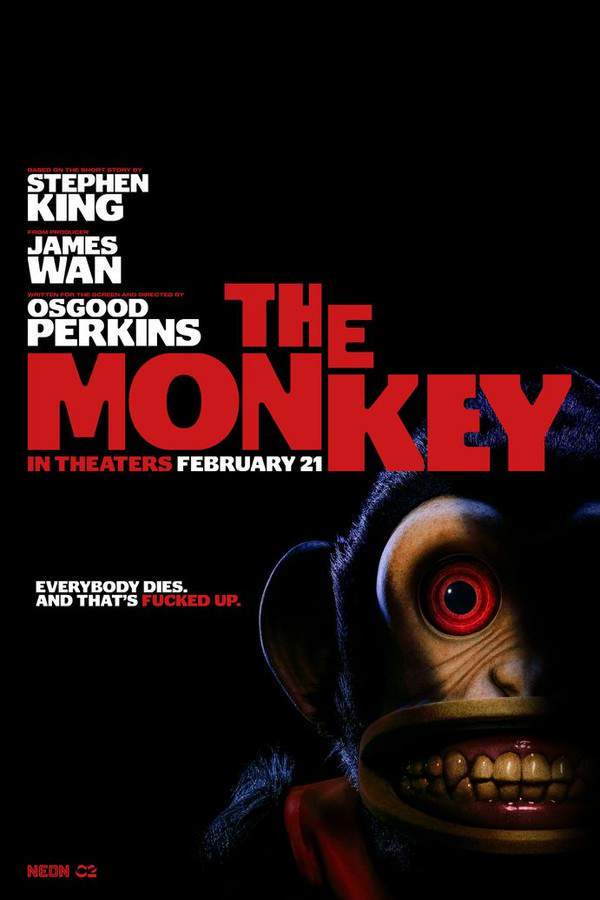
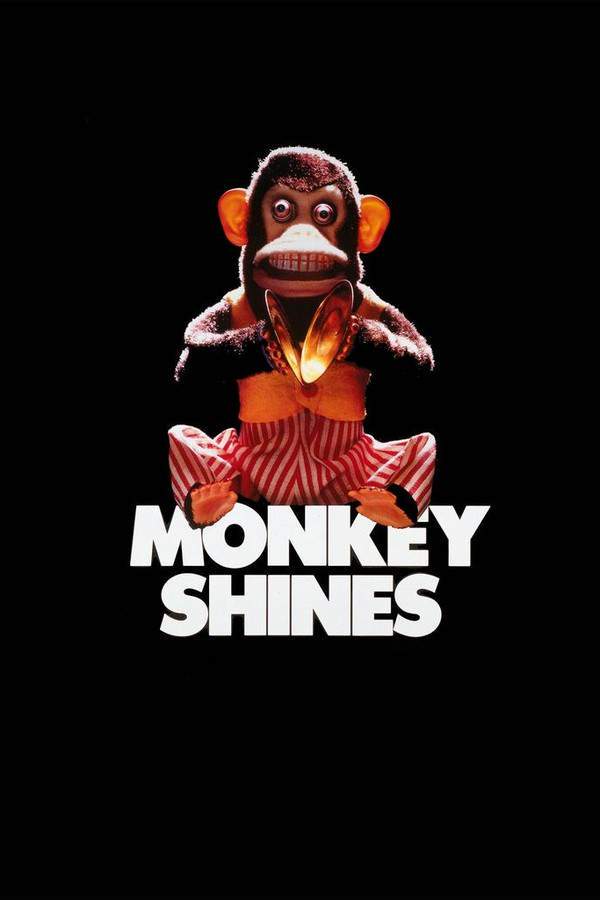
The ending of The Monkey leaves much unresolved, but it offers a symbolic insight into the nature of evil and guilt. Throughout the story, the supernatural clockwork monkey appears to be a destructive force that feeds on negative emotions and unresolved trauma. It doesn’t have an explicit origin or clear purpose, but it seems to act as a vessel for evil itself, growing stronger as sinister feelings and conflicts escalate among the characters. The toy’s deadly actions often target the heads of its victims, suggesting that evil resides in the mind and that the toy reflects the darkness within human consciousness.
The toy can also be seen as a destructive weapon, manipulated by those with malicious intent or unwittingly wound up by their own anger and pain. For instance, Bill, driven by revenge for his mother’s death, hopes the monkey will kill his brother, yet it ultimately ends up killing everyone except Hal—who, in his guilt, feels cursed and believes that he and his family are doomed by the toy. It’s implied that Hal’s own guilt and inability to confront his past are what attract the monkey most—particularly since it seems targeted at him. The story suggests that the evil the toy embodies is linked to unacknowledged trauma, secret resentment, and the failure to face one’s pain.
In the film’s climax, Bill’s resentment turns into chaos as his obsession with revenge causes the monkey to kill indiscriminately, wreaking havoc on the town. Yet, Bill’s desire for revenge remains unfulfilled because the toy did not target his intended victim, Hal. The final moments reveal that even after all the suffering, Hal’s life is spared, and the mysterious figure of a grim reaper-like man briefly appears, hinting that Hal’s time isn’t up yet. It suggests that Hal still has a chance for redemption. Hal’s own flaws—his shame, lies, and emotional suppression—mirror the effects of the monkey’s influence, as he continues to repeat the mistakes of his father by turning away from confronting his pain and family.
Ultimately, the ending hints that the toy may return if the destructive patterns of guilt, shame, and unresolved trauma persist in the next generation. Hal’s attempt to protect Petey by hiding the truth about their family risks condemning his son to repeat the same cycle of emotional neglect and hidden pain. The film ends with a sense that while the supernatural evil in the monkey is vague and undefined, its true power lies in the darkness within the human mind—where guilt, resentment, and unspoken truths can become weapons of devastation if left unresolved. The appearance of the old man on the horse, who resembles a grim reaper, underscores this ominous message, implying that death and destruction are always nearby as long as these internal demons remain unaddressed. Ultimately, the story warns us that confronting our past and inner darkness is essential to prevent evil from taking hold and destroying everything we hold dear.