










Plot Explained Spoilers guaranteed!
Plot Explained

Browse by genre

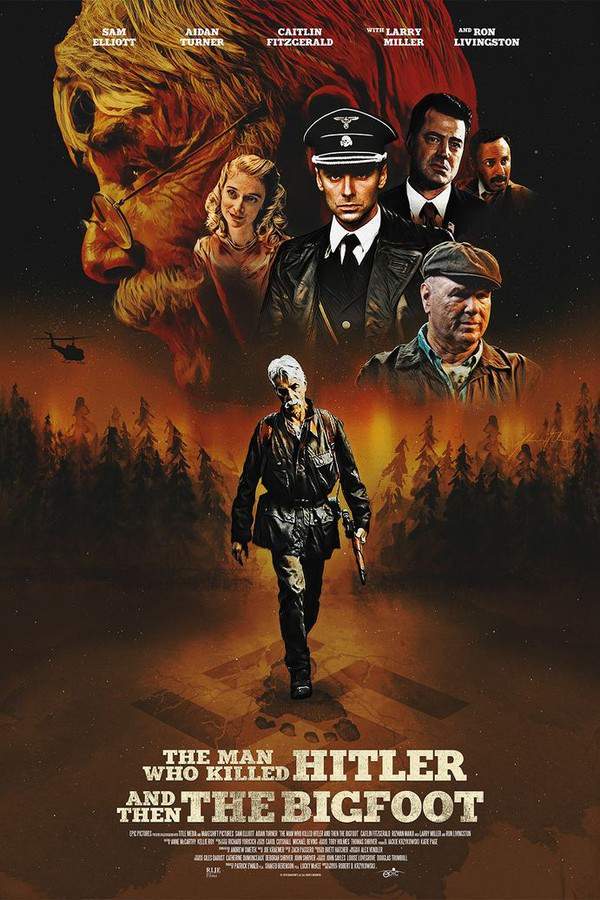
The Man Who Killed Hitler and Then The Bigfoot (2019) movie poster

Characters & Themes

The Man Who Killed Hitler and Then The Bigfoot (2019) Characters, Setting & Themes Explained

Release, runtime and language
2019 · 98 min · English
Echo score 55
JustWatch #2,485 16
Directed by
Robert D. Krzykowski
Starring
Ron Livingston, Sam Elliott, Caitlin Fitzgerald, Rizwan Manji, Aidan Turner, Ellar Salmon

A World War II veteran, Calvin Barr, is called back into action when Bigfoot unleashes a deadly plague that could devastate the world. Haunted by his covert wartime experiences, Calvin must confront the monstrous creature and stop the outbreak. He draws upon his military skills and wartime experience to save humanity from this unprecedented threat.

On this page (8)
  1. 1 Where to watch
  2. 2 Characters explained (2)
  3. 3 Where & when it takes place
  4. 4 Themes & meaning (3)
  5. 5 Character & meaning questions
  6. 6 Movie threads
  7. 7 Movies like The Man Who Killed Hitler and Then The Bigfoot
  8. 8 Every angle

Where to watch

Where to Watch The Man Who Killed Hitler and Then The Bigfoot (2019)

Where can you watch The Man Who Killed Hitler and Then The Bigfoot? Stream, rent or buy it in the US, including on Philo, Hoopla and Fandango at Home Free: current JustWatch availability with up-to-date prices.

Streaming availability powered by JustWatch

2 main characters · contains spoilers

The Man Who Killed Hitler and Then The Bigfoot Characters Explained: Who Is Who

The main characters of The Man Who Killed Hitler and Then The Bigfoot (2019), heroes and villains: what drives them, how they change over the course of the story and what each of them reveals about the film's bigger ideas.

  • Calvin Barr

    played by Sam Elliott

    Calvin Barr is a complex character embodying the weight of past heroism and current melancholy. His journey from a World War II soldier to a man burdened with regret showcases his profound sense of loneliness and longing for redemption. Despite his tough exterior, Barr's compassion for Bigfoot reveals his intrinsic kindness.

    • 🛡️ Hero
    • 😔 Regret
    • 🌲 Survivor
  • Ed Barr

    played by Larry Miller

    Ed Barr serves as a grounding presence in Calvin's life, embodying the love and camaraderie that transcends their struggles. His conversations with Calvin provide emotional support and highlight the importance of familial bonds, underscoring the theme of connection amidst chaos.

    • 👨‍👦 Brother
    • 😊 Supportive
    • 🍻 Loyal

Last updated: October 22, 2024 at 22:49

Was this helpful?

Setting

Where and When Does The Man Who Killed Hitler and Then The Bigfoot Take Place?

The setting of The Man Who Killed Hitler and Then The Bigfoot (2019): the year and time period, the places and locations, and how they shape the characters, the mood and the tension of the story.

Time period

1987

Set in 1987, the film reflects a time of introspection and the lingering shadows of past conflicts, particularly World War II. This era evokes a sense of nostalgia and contemplation as Barr navigates his past heroics, juxtaposed with the present-day threats posed by government agencies.

Location

Barbershop, Wilderness

The story traverses between a quaint barbershop where Calvin Barr connects with his brother Ed and the unforgiving wilderness where he embarks on a perilous journey. The barbershop symbolizes a slice of tranquility in Barr's tumultuous life, while the wilderness represents the harsh yet beautiful backdrop of his struggles against the enigmatic Bigfoot.

  • 🏞️ Nature
  • 💇 Barbershop

Last updated: October 22, 2024 at 22:49

Was this helpful?

3 major themes

The Man Who Killed Hitler and Then The Bigfoot Meaning: Themes & Message Explained

What is The Man Who Killed Hitler and Then The Bigfoot (2019) really about? The emotional, social and philosophical themes the film keeps returning to, its symbolism and the message beneath the surface.

  • Heroism

    The theme of heroism runs deeply through Barr's character as he grapples with the consequences of his past actions. Despite undertaking a monumental mission to kill Hitler, he feels unrecognized and burdened by his choices, showcasing the nuanced depiction of a hero’s journey beyond glory.

  • Existential Reflection

    As Barr reflects on his life, the film delves into existential themes of regret, purpose, and the search for redemption. This introspective journey highlights his internal struggles and the quest for meaning in the twilight of his life.

  • Compassion

    The emotional pull of compassion is evident when Barr chooses to cremate Bigfoot out of sympathy rather than delivering it to the authorities. This act reveals a profound moral dilemma, reinforcing the idea that empathy can sometimes come with unforeseen consequences.

Last updated: October 22, 2024 at 22:49

Was this helpful?

Character & theme questions

The Man Who Killed Hitler and Then The Bigfoot Characters & Meaning: Your Questions Answered

The questions people ask about The Man Who Killed Hitler and Then The Bigfoot (2019): who the characters really are, their relationships, what the symbols mean, where it takes place and what the movie is really about. Each answer contains spoilers.

Q1

Where does the story take place?

The film is set in two primary locations: a small-town barbershop that represents peace and normalcy in Calvin Barr's life, and the unforgiving wilderness where he faces the Bigfoot. The barbershop serves as a grounding domestic space connecting Barr to his brother Ed, while the wilderness provides a harsh, beautiful backdrop for his confrontation with the creature.

  • setting
  • barbershop
  • wilderness
  • locations
Q2

What time period is the movie set in?

The movie is set in 1987, a period that evokes nostalgia and reflection. This era is significant because it places Barr in a time of introspection, where his past wartime heroics from World War II contrast sharply with the present-day threats he must face.

  • 1987
  • time period
  • era
  • setting
Q3

What are the main themes of the film?

The film explores three major themes: heroism, as Barr grapples with the consequences of his past actions and feels unrecognized for killing Hitler; existential reflection, where he searches for purpose, redemption, and meaning in his later years; and compassion, demonstrated through his choice to cremate Bigfoot out of sympathy rather than deliver it to authorities.

  • heroism
  • existential
  • compassion
  • themes
  • redemption
Q4

What does the barbershop represent in the story?

The barbershop symbolizes a slice of tranquility in Barr's otherwise tumultuous life. It is where he connects with his brother Ed and experiences moments of normalcy, representing the domestic peace he sacrificed through his wartime service and the human connections that sustain him.

  • barbershop
  • symbolism
  • tranquility
  • normalcy
Q5

What does the wilderness setting symbolize?

The wilderness represents the harsh yet beautiful backdrop of Barr's struggles against Bigfoot. It symbolizes the untamed, unknown forces he must confront and mirrors his internal emotional landscape - the untamed memories and challenges from his past that he must face.

  • wilderness
  • nature
  • backdrop
  • symbolism
Q6

Who is Calvin Barr?

Calvin Barr is a World War II veteran portrayed by Sam Elliott, haunted by his covert wartime experiences including the assassination of Hitler. He carries the weight of unrecognized sacrifice and feels burdened by his past heroics. Despite his tough exterior, he possesses deep compassion, as shown by his sympathetic treatment of Bigfoot. He embodies themes of loneliness, regret, and a longing for redemption.

  • calvin barr
  • protagonist
  • veteran
  • ww2
  • sam elliott
Q7

Who is Ed Barr and what is his role?

Ed Barr is Calvin's brother, portrayed by Larry Miller, who serves as a grounding emotional presence in the story. Their conversations at the barbershop provide Calvin with familial support and highlight the importance of human connection amid personal struggle. Ed represents the love and camaraderie that anchors Calvin to normal life.

  • ed barr
  • brother
  • support
  • family
  • larry miller
Q8

What is the overall tone and style of the film?

The film has a melancholic, contemplative tone centered on Calvin Barr's feelings of emptiness and the weight of his unacknowledged past. Despite its action title, the movie is a slow-paced character drama rather than a high-octane thriller. The intensity is medium, punctuated by moments of action but primarily focused on atmospheric reflection and emotional depth.

  • tone
  • melancholic
  • style
  • pacing
  • drama
Q9

Why is the ending considered bittersweet?

The ending is bittersweet because Barr achieves personal peace and survives, but this resolution comes after a lifetime of isolation and unrecognized sacrifice. He finds closure through his actions, yet the lingering sadness of his isolated existence remains, creating a mix of closure and ongoing melancholy.

  • ending
  • bittersweet
  • resolution
  • closure
  • peace
Q10

How does the film depict heroism?

The film offers a nuanced depiction of heroism that goes beyond glory and recognition. Barr undertook a monumental mission killing Hitler but feels unrecognized and burdened by his choices. The theme explores the cost of heroism and the psychological toll of sacrifice, portraying the hero's journey as one of internal struggle rather than external celebration.

  • heroism
  • hero
  • sacrifice
  • recognition
  • ww2
Q11

What is the moral dilemma around Bigfoot?

The moral dilemma centers on Barr's choice to cremate Bigfoot out of compassion rather than deliver the creature to authorities who wanted to weaponize it. This act of empathy reveals Barr's intrinsic kindness but also presents unforeseen consequences, reinforcing the theme that compassion can sometimes lead to complex outcomes.

  • bigfoot
  • compassion
  • moral dilemma
  • cremation
  • empathy

Movie threads

More Movies Like The Man Who Killed Hitler and Then The Bigfoot, by Mood & Story

Curated lists built around what makes The Man Who Killed Hitler and Then The Bigfoot tick: the same mood, the same kind of story or the same emotional payoff. Each list explains why these movies belong together.

Movies about reluctant heroes like The Man Who Killed Hitler and Then The Bigfoot

Aging warriors confront final missions while haunted by past sacrifices. If you enjoyed the melancholic journey of Calvin Barr, explore movies featuring aging or world-weary protagonists on a final, lonely mission. These character-driven stories focus on the weight of the past and bittersweet redemption, offering a similar blend of reflective drama and atmospheric adventure.

  • melancholic
  • wistful
  • lonely
  • reflective
  • resigned
  • atmospheric
  • Tone: melancholic, bittersweet, reflective
  • Pacing: slow, contemplative
Why these movies?

The story pattern: The narrative typically follows a hero, long retired or living in obscurity, who is called back for a task only they can complete. The external mission runs parallel to an internal journey of confronting past traumas and unresolved grief. The climax often brings a personal, rather than purely triumphant, resolution.

Why they belong together: They are grouped by a shared melancholic tone, a slow-burn pacing that prioritizes character over plot, and the central theme of an unrecognized hero finding a form of peace through one last act of necessary, lonely service.
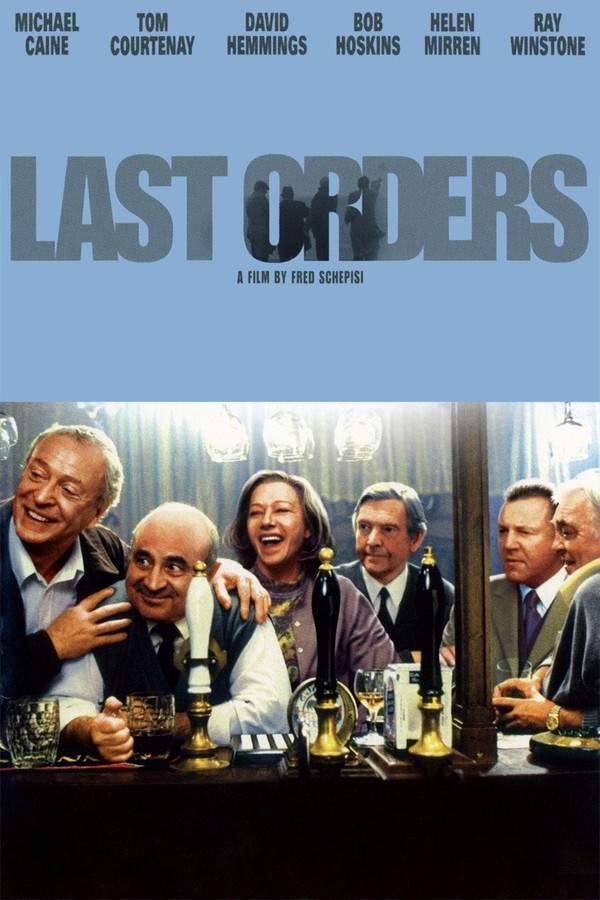
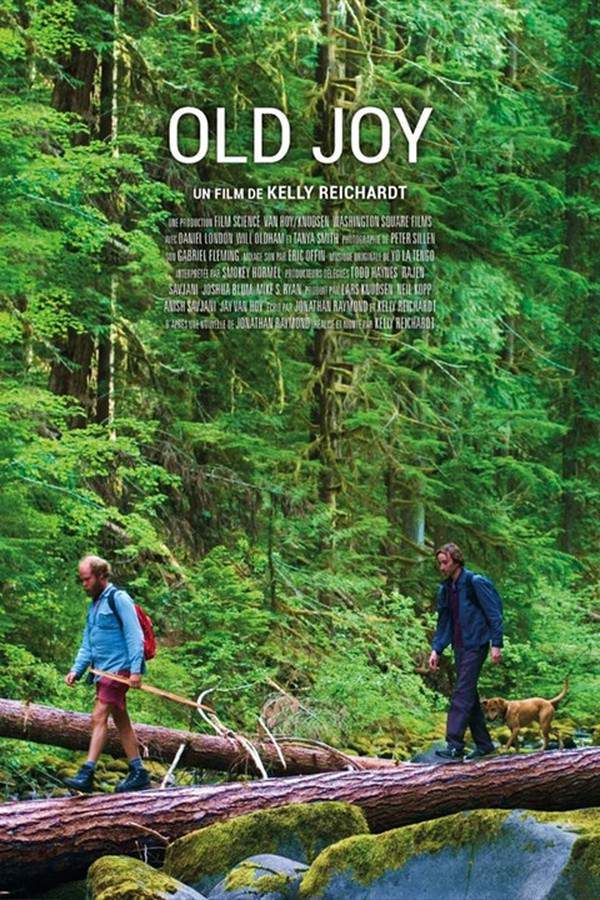
Wilderness survival movies with a somber tone like The Man Who Killed Hitler and Then The Bigfoot

Lone figures in vast landscapes confront both external threats and internal demons. Fans of the atmospheric and somber wilderness hunt in 'The Man Who Killed Hitler and Then The Bigfoot' will appreciate these movies. They feature solitary characters in remote settings, blending survival action with deep psychological reflection and a pervasive sense of loneliness, resulting in a bittersweet viewing experience.

  • atmospheric
  • lonely
  • somber
  • wistful
  • wilderness
  • survival
  • Tone: somber, atmospheric, bittersweet
  • Pacing: slow, atmospheric
Why these movies?

The story pattern: A protagonist, often carrying emotional baggage, is isolated in a harsh natural environment. The physical struggle for survival mirrors an internal psychological battle. The narrative unfolds slowly, emphasizing the character's solitude and the imposing presence of the wilderness, leading to a resolution that is more about personal acceptance than outright victory.

Why they belong together: They share a specific mood blend: a somber, atmospheric tone, a slow pace that allows for reflection, the thematic focus on solitude and survival, and a consistent bittersweet emotional undercurrent.

If you liked this

Movies Like The Man Who Killed Hitler and Then The Bigfoot

Similar movies to The Man Who Killed Hitler and Then The Bigfoot: the same genre, themes or kind of story. Each one comes with its own plot summary, timeline and ending explained.

Browse all movie summaries

Every angle

The Man Who Killed Hitler and Then The Bigfoot (2019) Explained: Plot, Timeline & Characters

Everything about The Man Who Killed Hitler and Then The Bigfoot in one place: what happens in the plot summary, the timeline in chronological order, the characters and meaning and a spoiler-free summary. What's After the Movie adds the cast, box office and post-credit scenes.

Coming soon on iOS and Android

The Plot Explained Movie Summary App

Plot summaries, endings explained and timelines on your phone. Catch up on any movie in minutes, save your favorites and never miss a twist again.

Be the first to know when we launch. Your email stays private, always.

Learn more about the app