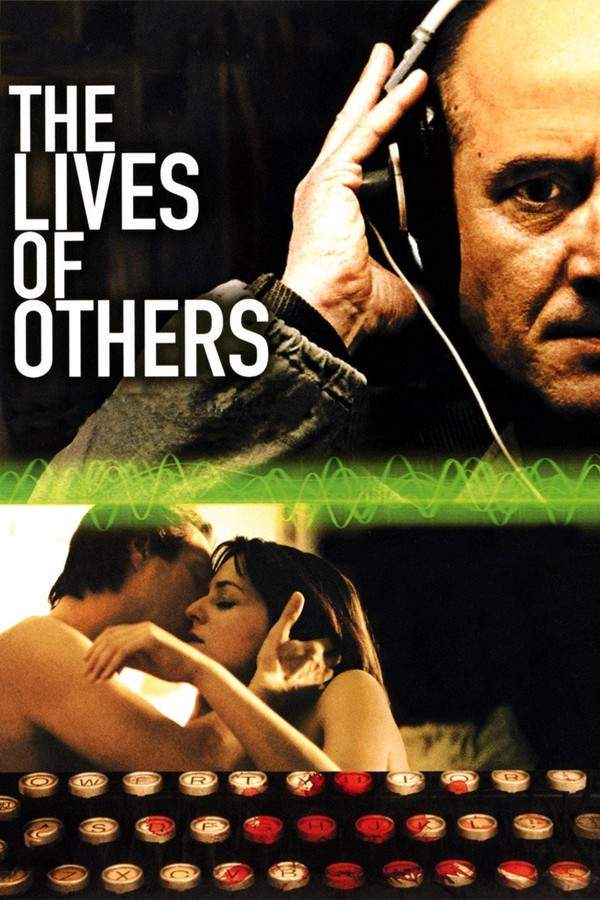
The Lives of Others
 #2,7069
 Year: 2006
Runtime: 137 min
Language: German
Director: Florian Henckel von Donnersmarck
Budget: $2M
During the Cold War in Berlin, a Stasi captain is assigned to spy on a playwright and his partner, believing them to be dissidents. Through intensive surveillance, he becomes increasingly familiar with their lives and artistic work. As years pass, the captain's initial certainty begins to erode, challenging his beliefs and forcing him to confront the moral compromises inherent in a repressive regime facing political upheaval.
Where to Watch The Lives of Others?
Find where to stream, rent, or buy The Lives of Others (2006) in the US with current JustWatch availability, up-to-date pricing, and platform listings for subscription, rental, and digital purchase options.








Warning: spoilers below!
Haven’t seen The Lives of Others yet? This summary contains major spoilers. Bookmark the page, watch the movie, and come back for the full breakdown. If you're ready, scroll on and relive the story!
Timeline & Setting – The Lives of Others (2006)
Explore the full timeline and setting of The Lives of Others (2006). Follow every major event in chronological order and see how the environment shapes the story, characters, and dramatic tension.
Last updated: October 22, 2024 at 21:24
Main Characters – The Lives of Others (2006)
Meet the key characters of The Lives of Others (2006), with detailed profiles, motivations, and roles in the plot. Understand their emotional journeys and what they reveal about the film’s deeper themes.
Last updated: October 22, 2024 at 21:24
Major Themes – The Lives of Others (2006)
Explore the central themes of The Lives of Others (2006), from psychological, social, and emotional dimensions to philosophical messages. Understand what the film is really saying beneath the surface.
Last updated: October 22, 2024 at 21:24
The Lives of Others (2006) Character & Theme Questions Answered – Info FAQ
Browse frequently asked questions about The Lives of Others (2006) focused on characters, relationships, themes, symbols, setting, and story context. This movie info FAQ gives spoiler-aware explanations for character arcs, world details, and thematic interpretation so readers can better understand what the film is really about.
Where is The Lives of Others set?
The movie is set in East Germany, officially known as the German Democratic Republic (GDR), during the mid-1980s. The story takes place primarily in East Berlin, depicting the oppressive atmosphere of a communist state under the Cold War.
What time period does The Lives of Others take place in?
The film is set in 1984, a pivotal year in East German history marked by intensified surveillance and political repression. This period directly preceded the fall of the Berlin Wall in 1989.
What is the Stasi and what was their role?
The Stasi was East Germany's secret police force, responsible for extensive surveillance and suppressing dissent. In the movie, they monitor citizens through wiretapping, informant networks, and physical surveillance to maintain communist regime control.
What is the main theme of surveillance in the film?
Surveillance is the central theme, depicting how the Stasi's invasive monitoring affects both the watched and the watcher. The film shows the psychological toll on citizens living under constant observation and the moral erosion experienced by the officer carrying out surveillance.
How does betrayal function as a theme in The Lives of Others?
Betrayal permeates the narrative on multiple levels: the state's betrayal of its citizens, the affair between Christa-Maria and Bruno Hempf, and the moral compromises demanded by the regime. Each character's decisions have profound personal consequences that highlight the destructive nature of distrust.
What does the theme of truth represent in the movie?
The theme of truth centers on Georg Dreyman's fight to expose the GDR's hidden realities, particularly the government's cover-up of suicide rates. It illustrates the struggle between personal integrity and state-mandated falsehoods, showing art as a form of resistance against oppressive propaganda.
Who is Gerd Wiesler and what is his role?
Gerd Wiesler is the main character, a Stasi captain assigned to surveil playwright Georg Dreyman. Initially a loyal regime operative, he undergoes a profound moral awakening as he becomes immersed in the lives he is monitoring, ultimately choosing humanity over duty.
Who is Georg Dreyman and what does he represent?
Georg Dreyman is a celebrated East German playwright whose life becomes a target of Stasi surveillance. He represents artistic integrity and moral courage, risking everything to reveal the truth about government oppression through his secret article exposing the truth about suicide in the GDR.
Who is Christa-Maria Sieland and what is her significance?
Christa-Maria Sieland is a prominent actress and Dreyman's partner, whose career is constantly threatened by the political climate. Her tragic choices and relationships reflect the complex fabric of loyalty and betrayal under an oppressive regime, ultimately leading to devastating consequences.
What is The Lives of Others about at its core?
At its core, The Lives of Others explores how humanity can survive even in the most repressive systems. It examines the moral cost of surveillance on both victims and perpetrators, showing how witnessing suffering can awaken conscience and lead to quiet acts of redemption.
What is the tone and atmosphere of The Lives of Others?
The film has a consistently tense and dark atmosphere, reflecting the bleak reality of life under East German surveillance. However, it is not without moments of quiet humanity, creating a bittersweet tone as small acts of kindness emerge from the darkness of repression.
Why is the title The Lives of Others significant?
The title refers to the surveillance operation where the Stasi officer literally lives among the lives of others, observing their private moments. It also carries a deeper meaning about how we come to understand and empathize with people by witnessing their lives, even from a distance.

Explore Movie Threads
Discover curated groups of movies connected by mood, themes, and story style. Browse collections built around emotion, atmosphere, and narrative focus to easily find films that match what you feel like watching right now.
Moral Awakening Stories like The Lives of Others
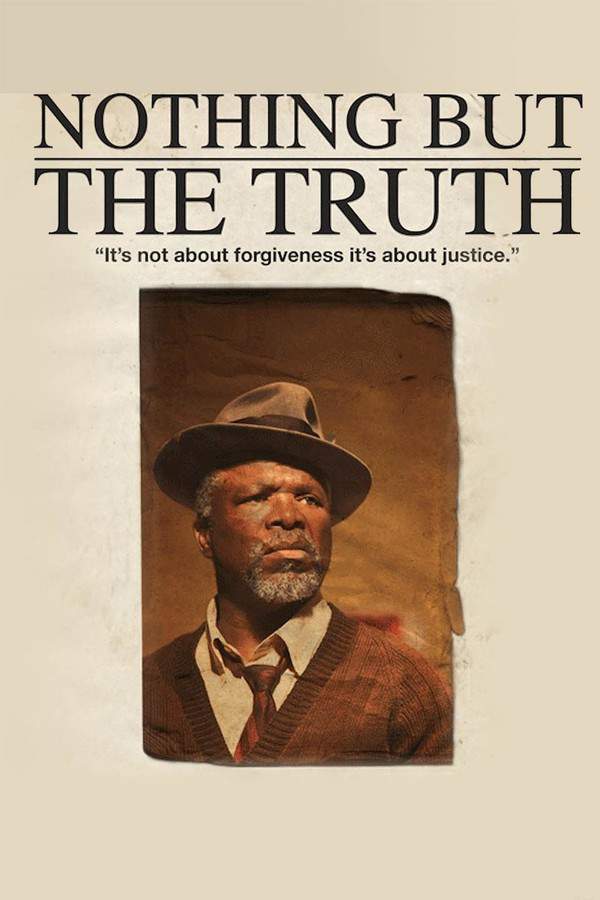
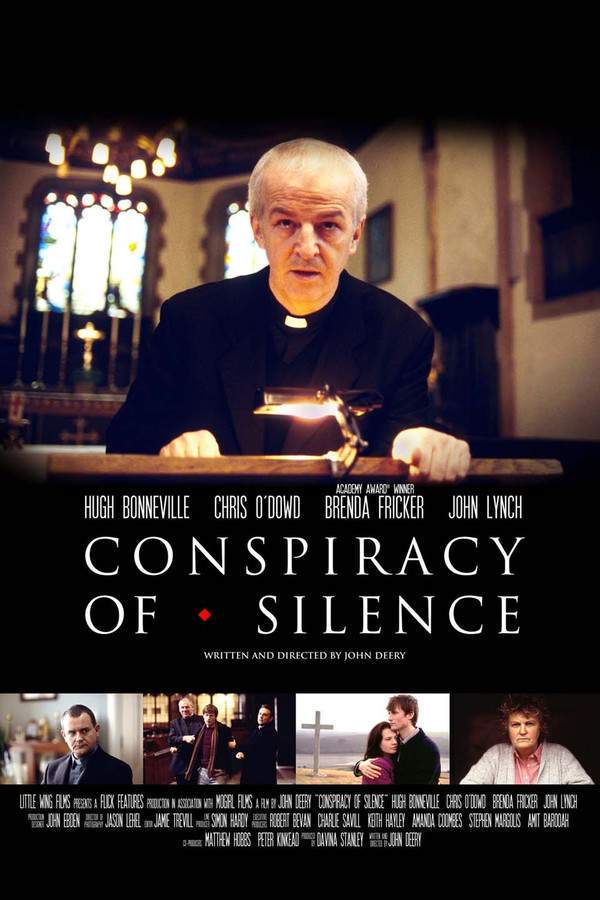
Characters find their humanity while serving a dehumanizing system.Explore a collection of movies like The Lives of Others, focusing on character-driven dramas where individuals experience a profound crisis of conscience within a rigid, often political, system. These films share a heavy emotional weight and a steady, thoughtful pacing that builds towards moments of quiet redemption or sacrifice.












Narrative Summary
The narrative pattern follows a protagonist, initially a committed believer or functionary in a rigid system, whose exposure to the human cost of that system triggers a gradual internal transformation. The conflict is largely psychological, with the climax centered on a personal, often secret, choice that defines their redemption.
Why These Movies?
These films are grouped together because they share a deep focus on the individual's internal moral struggle against a powerful, impersonal backdrop. They create a similar viewing experience of heavy, thoughtful tension, driven by character transformation rather than overt action.
Claustrophobic Thrillers with an atmosphere like The Lives of Others
Stories where the feeling of being watched creates relentless tension.If you liked the tense, oppressive atmosphere of The Lives of Others, discover more movies that masterfully build a sense of constant surveillance and psychological claustrophobia. These political thrillers and paranoid dramas share a high intensity and a steady pacing that methodically increases unease.

The Conversation
1974
The Lives of Others
2006

Reality
2023
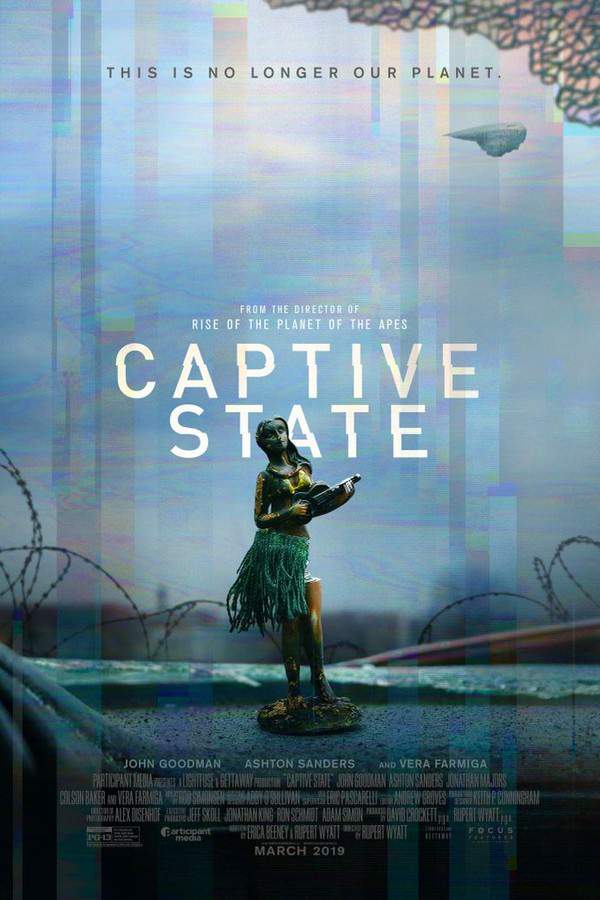
Captive State
2019

The Parallax View
1974

Closed Circuit
2013

The Siege
1998

The Terror Live
2013

Paranoid
2000

Paranoid
2000

Chronicle of an Escape
2006

Defence of the Realm
1985

The Assassination
1972

Man on a Tightrope
1953

Closed Circuit
1978
Narrative Summary
The narrative unfolds within a tightly controlled environment where characters are acutely aware their every move might be monitored. The plot often revolves around the cat-and-mouse game between the watcher and the watched, exploring themes of privacy, power, and the psychological erosion caused by living under a microscope.
Why These Movies?
These movies are united by their ability to generate a specific, palpable mood of anxiety and confinement through the theme of surveillance. They share a similar high-tension, steady-paced vibe that keeps viewers on edge, fully immersed in a world of secrets and observation.
Unlock the Full Story of The Lives of Others
Don't stop at just watching - explore The Lives of Others in full detail. From the complete plot summary and scene-by-scene timeline to character breakdowns, thematic analysis, and a deep dive into the ending - every page helps you truly understand what The Lives of Others is all about. Plus, discover what's next after the movie.
The Lives of Others Summary
Read a complete plot summary of The Lives of Others, including all key story points, character arcs, and turning points. This in-depth recap is ideal for understanding the narrative structure or reviewing what happened in the movie.

The Lives of Others Timeline
Track the full timeline of The Lives of Others with every major event arranged chronologically. Perfect for decoding non-linear storytelling, flashbacks, or parallel narratives with a clear scene-by-scene breakdown.


Similar Movies to The Lives of Others
Discover movies like The Lives of Others that share similar genres, themes, and storytelling elements. Whether you’re drawn to the atmosphere, character arcs, or plot structure, these curated recommendations will help you explore more films you’ll love.

Cold War
2018

A Woman in Berlin
2009

Never Look Away
2019

The Reader
2008

Goodbye Lenin!
2004
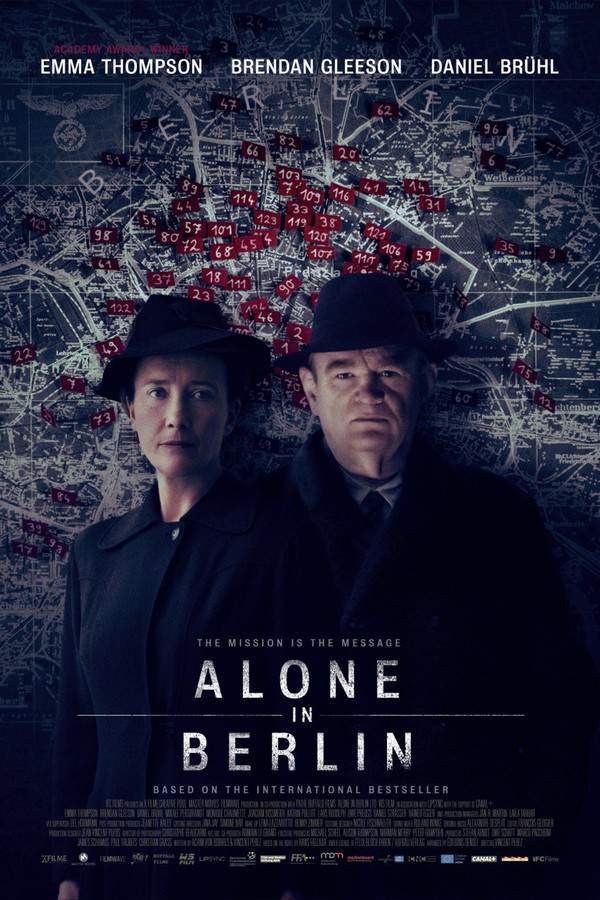
Alone in Berlin
2017

The Good German
2006

Summer in Berlin
2007

The Same Sky
1000

Germany. A Winter’s Tale
2018

The Man on the Other Side
2019

The Legend of Rita
2000

The Unbearable Lightness of the Revolution
2021

The Last Execution
2021

Torn Curtain
1966
Explore More About Movie The Lives of Others
The Lives of Others (2006) Plot Summary & Movie Recap
The Lives of Others (2006) Scene-by-Scene Movie Timeline
The Lives of Others (2006) Spoiler-Free Summary & Key Flow
Movies Like The Lives of Others – Similar Titles You’ll Enjoy
Cold War (2018) Story Summary & Characters
A Woman in Berlin (2009) Complete Plot Breakdown
Never Look Away (2019) Movie Recap & Themes
The Reader (2008) Film Overview & Timeline
Goodbye Lenin! (2004) Spoiler-Packed Plot Recap
Alone in Berlin (2017) Film Overview & Timeline
The Good German (2006) Ending Explained & Film Insights
Summer in Berlin (2007) Movie Recap & Themes
The Same Sky (1000) Ending Explained & Film Insights
Germany. A Winter’s Tale (2018) Full Movie Breakdown
The Man on the Other Side (2019) Complete Plot Breakdown
The Legend of Rita (2000) Full Summary & Key Details
The Unbearable Lightness of the Revolution (2021) Complete Plot Breakdown
The Last Execution (2021) Story Summary & Characters
Torn Curtain (1966) Complete Plot Breakdown