Plot Explained Spoilers guaranteed!
Plot Explained

Browse by genre

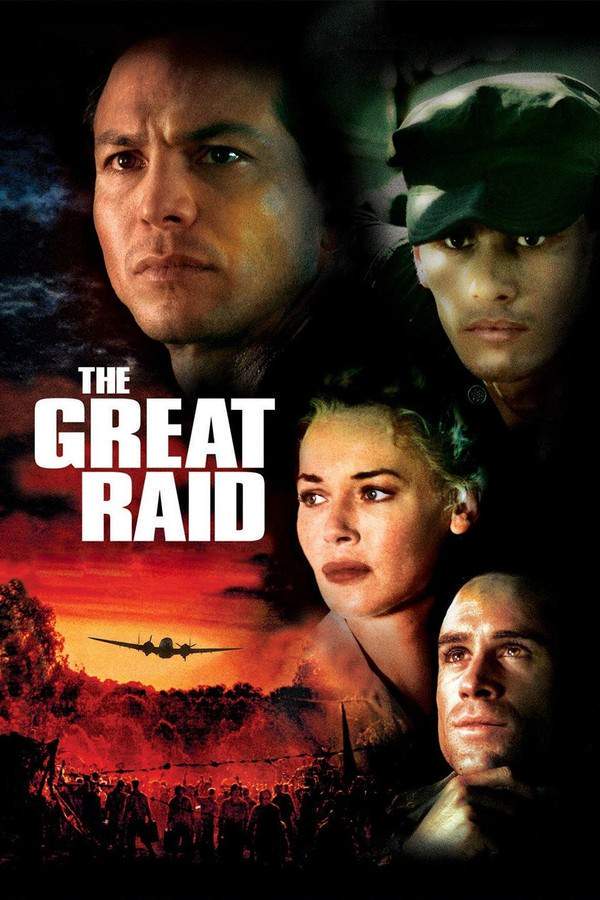
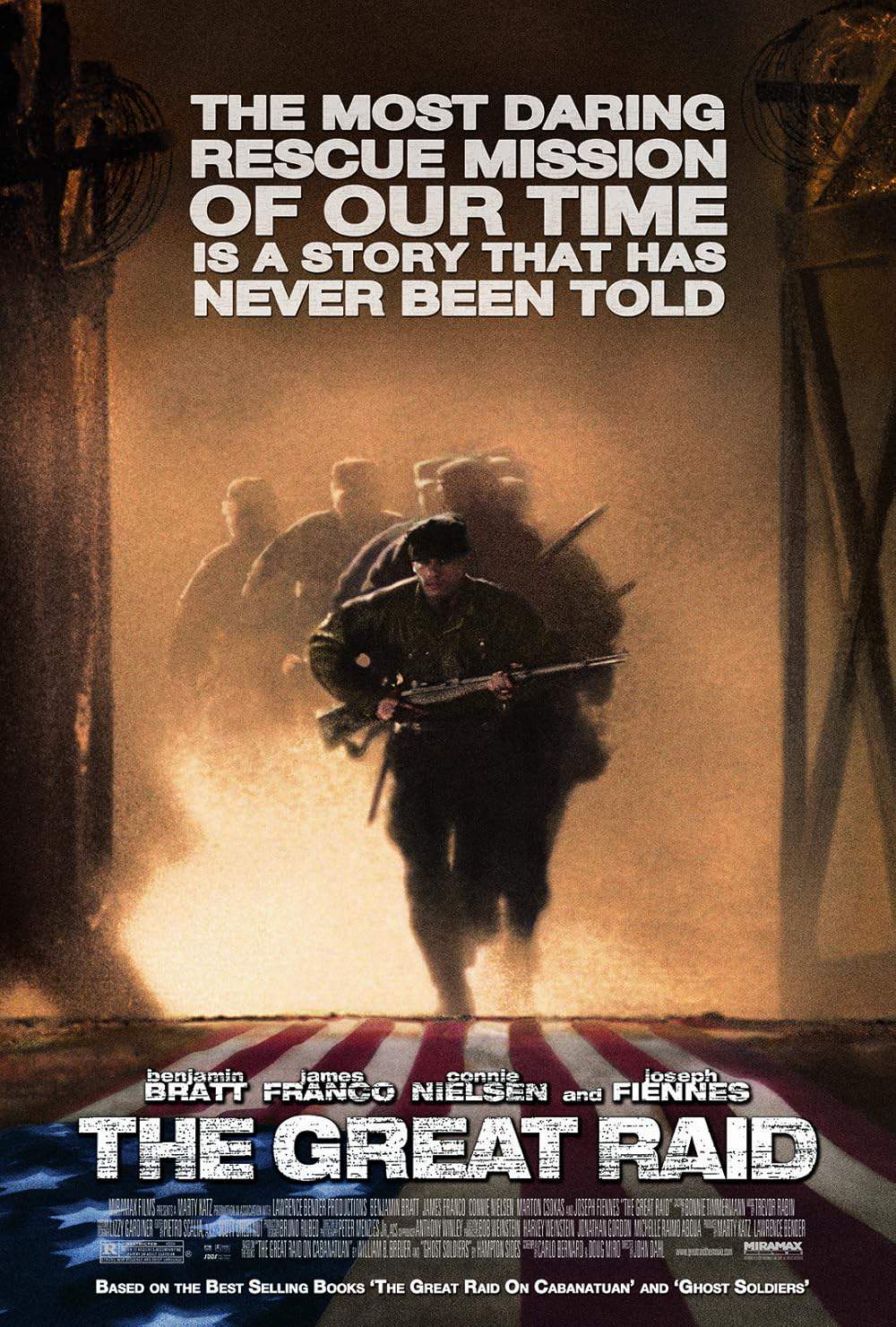
The Great Role (2005) movie poster

Timeline

The Great Role (2005) Timeline Explained – Every Event in Order

Release, runtime and language
2005 · 89 min · English
Directed by
Steve Suissa

Five friends, Maurice, Sami, Simon, Elie, and Edouard, are struggling actors until Maurice is offered the lead role in Rudolph Grichenberg's Yiddish adaptation of "The Merchant of Venice." His life takes a complicated turn when his wife, Perla, becomes seriously ill. As Maurice navigates the challenges of the demanding role and his wife’s illness, his friends offer support, and the boundaries between his acting journey and the realities of love and loss become increasingly blurred.

On this page (5)
  1. 1 Events in order (15)
  2. 2 Timeline questions answered
  3. 3 Movie threads
  4. 4 Movies like The Great Role
  5. 5 Every angle

15 events in order · contains spoilers

The Great Role Timeline: Events in Chronological Order

Every key event of The Great Role (2005) in order, scene by scene, with when and where it takes place. Use it to untangle flashbacks, time jumps and parallel storylines, to refresh your memory before the sequel or to find the exact scene you are thinking of.

  1. Entry into World War II

    In December 1941, the United States officially entered World War II following the surprise attack on Pearl Harbor. This momentous event marked a significant turning point in history, altering the course of the conflict on a global scale.

    When
    December 1941
    Where
    Pearl Harbor
  2. Japanese Attack on the Philippines

    Shortly after the attack on Pearl Harbor, Japanese forces launched an offensive against the Philippines. This led to a desperate retreat of 10,000 American troops alongside 60,000 Filipino soldiers to the Bataan peninsula, where they were cut off from any naval support.

    Where
    Philippines
  3. General MacArthur's Departure

    Amidst the chaos of the Philippines, General Douglas MacArthur was compelled to leave for Australia. He made a poignant vow to return, promising the troops and the Filipino people that he would not abandon them.

    Where
    Philippines
  4. Surrender to Japanese Forces

    After months of intense conflict, the American and Filipino forces capitulated to the Japanese Imperial Army. This surrender marked a humiliating defeat and began a dark chapter for the captured soldiers.

    When
    April 1942
    Where
    Philippines
  5. Bataan Death March

    Following their surrender, the Japanese army forced approximately 70,000 troops into a brutal march known as the Bataan Death March. Over the course of 60 miles, about 15,000 men lost their lives due to exhaustion, cruelty, and deprivation.

    Where
    Bataan Peninsula
  6. Conditions in POW Camps

    The surviving prisoners were taken to camps at O'Donnell, Cabanatuan, and Palawan. Inside these facilities, they faced horrific living conditions, with many succumbing to starvation, abuse, and disease.

    Where
    O'Donnell, Cabanatuan, Palawan
  7. Extermination Memo from Japan

    In August 1944, a chilling memo from Tokyo's war ministry emerged, revealing a policy for the extermination of POWs. This directive intended to leave no survivor among the prisoners, signaling the gravitas of their plight.

    When
    August 1944
    Where
    Tokyo
  8. Massacre at Palawan

    The film opens with the depiction of a massacre of POWs on Palawan, carried out by the Kempeitai, the infamous secret police of the Imperial Japanese military. This brutal event sets a somber tone for the narrative, highlighting the peril faced by the prisoners.

    Where
    Palawan
  9. The Cabanatuan Rescue Mission

    In 1945, Lieutenant Colonel Henry Mucci and Captain Robert Prince spearheaded a daring rescue mission to free over 500 American soldiers from the Cabanatuan POW camp. The operation promised to be one of the most daring rescues in military history, aimed at providing the inmates a chance at freedom.

    When
    1945
    Where
    Cabanatuan
  10. Conditions in Cabanatuan

    As the winter of 1944 set in, the conditions in Cabanatuan worsened, with many POWs suffering from malaria and malnutrition. Lt. Gen. Walter Krueger urged the Rangers to act quickly before the Japanese could carry out their plans for the prisoners' executions.

    When
    Winter 1944
    Where
    Cabanatuan
  11. Filipino Resistance and Nurse's Role

    The narrative also spotlights the brave efforts of the Filipino resistance, including the courageous nurse Margaret Utinsky. She undertook great risks to smuggle medicine into the camps, showcasing the resilience and heart of those who opposed the occupation.

    Where
    Cabanatuan
  12. Planning the Raid

    Mucci approved Prince's well-formulated raid plan, which was crucial as the situation for the POWs became increasingly dire. Reports indicated that the Japanese were prepared to execute the prisoners, escalating the urgency for action.

    Where
    Cabanatuan
  13. Execution of the Rescue Mission

    As the Rangers launched their raid, they faced daunting enemy defenses, yet they persevered against significant odds. The high stakes not only tested their military skill but also highlighted their commitment to freeing their comrades.

    Where
    Cabanatuan
  14. Successful Liberation

    The raid culminated in the successful rescue of 511 POWs from the Cabanatuan camp. However, while Mucci and Prince received commendations for their bravery, the emotional toll and the scars of war remained painfully evident.

    Where
    Cabanatuan
  15. Aftermath and Liberation

    As the war neared its conclusion, Margaret's determination remained unwavering as she served tirelessly until liberation in February 1945. The hopes for reunification with Major Daniel Gibson are marred by tragedy, emphasizing the deep personal cost of war.

    When
    February 1945
    Where
    Philippines

Last updated: October 25, 2024 at 11:07

Was this helpful?

Timeline questions answered

The Great Role Timeline Explained: Your Questions Answered

When does it happen, and why in that order? The questions people ask about the chronology of The Great Role (2005): time jumps, flashbacks, cause and effect between scenes and the correct order of events, each answered with spoilers.

Q1

Why did the United States enter World War II after Pearl Harbor?

The United States entered World War II on December 8, 1941, immediately following the Japanese surprise attack on Pearl Harbor. The attack destroyed much of the U.S. Pacific Fleet and killed over 2,400 Americans, convincing Congress to declare war on Japan. Mere hours after Pearl Harbor, Japanese forces also attacked the Philippines, forcing American and Filipino troops into a desperate retreat to the Bataan peninsula.

Foreshadowing: The film opens with the aftermath of these early Pacific defeats, showing the consequences of America's entry into the war.

  • pearl harbor
  • world war 2
  • us entry
  • japanese attack
  • congress declaration of war
Q2

Why was the Bataan Death March so deadly?

After the surrender of American and Filipino forces in April 1942, approximately 70,000 prisoners were forced to march 60 miles to captivity. About 15,000 men died during the march due to brutal treatment, dehydration, exhaustion, and outright executions by Japanese soldiers. The prisoners were given virtually no food or water, and anyone who fell behind or tried to escape was killed on the spot.

Foreshadowing: The film establishes early on the horrific conditions that the POWs had already survived, setting up the stakes for their rescue.

  • bataan death march
  • prisoner of war
  • surrender
  • japanese brutality
  • 1942
Q3

Why did the Japanese massacre the POWs at Palawan?

In August 1944, Tokyo's war ministry issued a memo ordering the extermination of all POWs to ensure no survivors could testify to Japanese atrocities. The Palawan massacre was carried out by the Kempeitai (Japanese secret police) as part of this policy. When American forces approached the Philippines in early 1945, the Japanese feared that liberated prisoners would reveal war crimes, leading them to execute hundreds of POWs before they could be rescued.

Foreshadowing: The extermination memo from August 1944 creates the urgent deadline that drives the entire rescue mission timeline.

  • palawan massacre
  • kempeitai
  • extermination memo
  • war crimes
  • tokyo war ministry
Q4

Why was the Cabanatuan rescue mission launched in 1945?

The rescue mission was launched because intelligence revealed the Japanese planned to execute all 500+ American POWs at Cabanatuan rather than allow them to be liberated. Lt. Gen. Walter Krueger ordered the 6th Ranger Battalion to liberate the camp before the Japanese could carry out the extermination order. With Allied forces advancing in the Pacific and the war turning against Japan, the Japanese grew desperate to eliminate witnesses to their wartime atrocities.

Foreshadowing: The tightening noose around the POWs, as reported by Major Lapham, directly triggers the urgent planning of the raid.

  • cabanatuan
  • rescue mission
  • ranger battalion
  • henry muucci
  • robert prince
  • execution order
Q5

Why was the timing of the rescue mission so critical?

The timing was critical because the August 1944 extermination memo from Tokyo created a literal deadline. As Allied forces closed in on the Philippines in early 1945, the Japanese became increasingly likely to massacre the POWs rather than surrender them. Additionally, the Rangers had to complete the mission before the Japanese could receive reinforcements or execute their contingency plans. Every day of delay increased the risk that the prisoners would be killed.

Foreshadowing: Mucci's approval of Prince's raid plan comes after news arrives that the Japanese would rather execute prisoners than release them.

  • timing
  • japanese reinforcements
  • extermination order
  • allied advance
  • 1945
Q6

Why didn't Daniel Gibson survive to reunite with Margaret?

Major Daniel Gibson, the leader of the POWs at Cabanatuan, did not survive to reunite with Margaret Utinsky despite the successful rescue. While the film shows that 511 POWs were rescued, Gibson succumbed to the physical toll of years of starvation, abuse, and disease in the camps. His death underscores the heavy cost of the war, even those who survived the rescue often carried irreversible damage from their ordeal.

Foreshadowing: The bittersweet ending, with Daniel's death despite the successful rescue, reflects the film's tragic tone.

  • daniel gibson
  • margaret utinsky
  • reunion
  • death
  • pow
  • aftermath
Q7

How did the Filipino resistance help the rescue mission?

The Filipino resistance played a crucial role by providing intelligence on Japanese troop movements, guiding the Rangers through unfamiliar terrain, and assisting with logistics. Nurse Margaret Utinsky notably smuggled much-needed medicine into the POW camps at great personal risk, helping keep many prisoners alive until the rescue. Local civilians also supported the Rangers by offering food, shelter, and information about Japanese defenses around Cabanatuan.

Foreshadowing: The narrative highlights the Filipino resistance's contributions as essential to the mission's success.

  • filipino resistance
  • margaret utinsky
  • medicine
  • intelligence
  • local support
  • cabanatuan
Q8

Why did the Japanese want to execute all POWs rather than release them?

The Japanese wanted to execute all POWs because they feared that liberated prisoners would testify about war crimes, including the Bataan Death March, the Palawan massacre, and the brutal conditions in their camps. The August 1944 memo from Tokyo's war ministry explicitly ordered extermination to ensure no survivors could provide evidence of Japanese atrocities. As the war turned against Japan, the regime prioritized hiding its crimes over maintaining prisoners.

Foreshadowing: This explains the urgency that drives Mucci and Prince to risk the daring daylight raid despite heavy enemy defenses.

  • extermination
  • war crimes
  • tokyo memo
  • testimony
  • japanese cover-up
Q9

Why did Lieutenant Colonel Mucci choose Captain Prince for the rescue mission?

Captain Robert Prince was chosen because he developed a well-thought-out raid plan that Mucci approved. Prince's plan involved a daring daylight approach that would catch the Japanese off guard, utilizing the Rangers' specialized combat skills. His strategic thinking and careful planning made him the right choice to lead the assault portion of the operation, while Mucci oversaw the overall mission coordination.

Foreshadowing: The approval of Prince's plan marks a key turning point in preparing the rescue.

  • robert prince
  • henry muucci
  • ranger battalion
  • raid plan
  • leadership
Q10

Why was the Cabanatuan rescue considered one of the most daring rescue attempts?

The rescue was considered audacious because the Rangers attacked a heavily fortified camp in broad daylight with far fewer forces than the Japanese defenders. The mission required crossing enemy territory, bypassing fortifications, and coordinating a complex assault with limited numbers. The Rangers faced overwhelming enemy forces but executed a surprise attack that overwhelmed the Japanese before they could execute the POWs. The success rate, rescuing 511 prisoners with minimal American casualties, made it a remarkable military achievement.

Foreshadowing: The film builds to this spectacular climax as the Rangers face fortified enemy lines.

  • cabanatuan raid
  • daring rescue
  • ranger battalion
  • military history
  • 511 pows rescued

Movie threads

More Movies Like The Great Role, by Mood & Story

Curated lists built around what makes The Great Role tick: the same mood, the same kind of story or the same emotional payoff. Each list explains why these movies belong together.

Movies where art imitates a chaotic life, like The Great Role

Stories where personal drama becomes inextricably linked with a demanding artistic role. If you liked The Great Role and its story of an actor whose life collapses as he takes on a challenging role, you'll find similar movies here. These films explore the delicate balance and often painful intersection between a demanding creative passion and overwhelming personal circumstances.

  • tense
  • somber
  • hopeful
  • urgent
  • bittersweet
  • emotional
  • Tone: tense, emotionally heavy
  • Pacing: variable, character-driven
Why these movies?

The story pattern: A protagonist, often an artist or performer, undertakes a significant professional project that demands deep emotional immersion. Simultaneously, a personal crisis—such as illness, loss, or a fractured relationship—erupts, forcing them to navigate both worlds. The story explores how the boundaries between the character they are playing and the person they are become blurred, leading to a resolution that is emotionally complex and rarely purely happy.

Why they belong together: These films are grouped by their unique exploration of the artist's life under duress. They share a tone of high emotional weight and tension, a variable pacing that shifts between creative process and personal drama, and a central theme of sacrifice and blurred identities, resulting in a bittersweet, resonant conclusion.


Movies about friendship tested by tragedy, like The Great Role

Films about a tight-knit group tested by a member's profound personal tragedy. Fans of The Great Role who were moved by the support network of friends around Maurice will appreciate these films. Discover similar stories about close-knit groups whose bonds are tested by illness, loss, or other major crises, focusing on the complex dynamics of loyalty and collective coping.

  • somber
  • hopeful
  • emotional
  • heartfelt
  • bittersweet
  • supportive
  • Tone: somber, hopeful
  • Pacing: steady, character-driven
Why these movies?

The story pattern: The story is anchored by a protagonist undergoing a severe personal trial, such as a terminal illness or deep loss. Their circle of friends becomes a central pillar of the narrative, each reacting and supporting in their own way. The plot examines the strain this crisis puts on the group's dynamic, often leading to moments of conflict, profound support, and a redefinition of their relationships by the end.

Why they belong together: This grouping is defined by its emotional core: the examination of platonic love and loyalty under extreme stress. These films share a heavy emotional weight, a tone that blends hope with somber reality, and a narrative structure that gives significant weight to the ensemble cast's reactions and growth alongside the main character's journey.

If you liked this

Movies Like The Great Role

Similar movies to The Great Role: the same genre, themes or kind of story. Each one comes with its own plot summary, timeline and ending explained.

Browse all movie summaries

Every angle

The Great Role (2005) Explained: Plot, Timeline & Characters

Everything about The Great Role in one place: what happens in the plot summary, the timeline in chronological order, the characters and meaning and a spoiler-free summary. What's After the Movie adds the cast, box office and post-credit scenes.

Coming soon on iOS and Android

The Plot Explained Movie Summary App

Plot summaries, endings explained and timelines on your phone. Catch up on any movie in minutes, save your favorites and never miss a twist again.

Be the first to know when we launch. Your email stays private, always.

Learn more about the app