Plot Explained Spoilers guaranteed!
Plot Explained

Browse by genre

The Great American Pastime (1956) movie poster

Timeline

The Great American Pastime (1956) Timeline Explained – Every Event in Order

Release, runtime and language
1956 · 90 mins · English
Directed by
Herman Hoffman
Starring
Raymond Bailey, Tom Ewell, Dean Jones, Anne Francis, Ann Miller, Lomax Study

The comic lead from 7 Year Itch returns, this time as Bruce Hallerton, who takes over as coach of the Panthers, a local little‑league baseball squad. Complications arise when an attractive widowed mother enrolls her son on the team, sparking tension with Hallerton’s own wife.

On this page (5)
  1. 1 Events in order (12)
  2. 2 Timeline questions answered
  3. 3 Movie threads
  4. 4 Movies like The Great American Pastime
  5. 5 Every angle

12 events in order · contains spoilers

The Great American Pastime Timeline: Events in Chronological Order

Every key event of The Great American Pastime (1956) in order, scene by scene, with when and where it takes place. Use it to untangle flashbacks, time jumps and parallel storylines, to refresh your memory before the sequel or to find the exact scene you are thinking of.

  1. Bruce volunteers to coach the Panthers

    Bruce Hallerton, a lawyer by trade, volunteers to coach the Panthers in Willow Falls to spend more time with his son, Dennis. He steps into the role hoping to make a positive difference for the team and for his family.

    When
    Season start
    Where
    Willow Falls
  2. Dennis is reassigned to the Tigers; Bruce stays committed

    Dennis is assigned to the Tigers, which makes Betty assume Bruce will quit. However, Bruce feels a steadfast commitment and decides to continue coaching the Panthers.

    When
    Early season
    Where
    Willow Falls
  3. Bruce urges effort over winning

    Bruce begins telling his Panthers that trying is more important than winning, emphasizing growth and teamwork. He faces pressure from Ed Ryder, the Tigers' coach who will do anything to win.

    When
    Early season
    Where
    Panthers' field
  4. Doris Patterson pursues Bruce for Herbie to pitch

    Widow Doris Patterson flirts with Bruce, hoping to persuade him to let her son Herbie pitch for the Panthers. Her advances complicate Bruce's focus and blur boundaries between coach and parent.

    When
    Early season
    Where
    Willow Falls
  5. Dinner invitation used to pitch a rival son

    George Carruthers invites the Hallertons to dinner, only to push his own son Foster as the preferred player. The social pressure adds another layer to the dynamic between parents and Bruce.

    When
    Evening
    Where
    Carruthers residence
  6. Team struggles and Betty's jealousy grows

    The Panthers are inept at first and mocked by many, including Bruce's own son. Betty becomes jealous of Doris's perceived attention toward Bruce and starts studying baseball to become the team's scorekeeper.

    When
    Early season
    Where
    Willow Falls
  7. Bruce rebuffs Doris and offends her

    Bruce tells the widow Doris that he is happily married and discourages her personal interest. Doris is offended, as she had not intended any romantic involvement.

    When
    Mid-season
    Where
    Willow Falls
  8. A brawl and a drunken escape

    A brawl breaks out between the Panthers and Tigers, heightening tensions in town. Seeking escape, Bruce goes to a bar with his buddy O'Keefe and gets tipsy.

    When
    Evening after game
    Where
    Willow Falls bar
  9. Bruce returns home to a bolted door

    Bruce comes home to find the door bolted by his wife, signaling renewed strain in their marriage. The incident underscores the personal cost of his coaching commitment.

    When
    Night
    Where
    Bruce's home
  10. Man Mountain shines in the next game

    For the next game, Bruce uses O'Keefe's fast son, nicknamed 'Man Mountain', and the youngster becomes a local hero in a Panthers victory. The win showcases a turning point for the team.

    When
    Next game
    Where
    Panthers' field
  11. Bruce feels unrecognized and considers quitting

    Despite the victory, no one congratulates Bruce, leaving him feeling isolated and unappreciated. He vows never to volunteer again, overwhelmed by the mixed reception.

    When
    After game
    Where
    Willow Falls
  12. Community gratitude leads to a new role

    Later, the parents and kids come to thank him for his efforts, lifting his spirits. Inspired by the appreciation, Bruce volunteers to become the team's scoutmaster for the boys.

    When
    End of season
    Where
    Willow Falls

Last updated: October 09, 2025 at 12:31

Was this helpful?

Timeline questions answered

The Great American Pastime Timeline Explained: Your Questions Answered

When does it happen, and why in that order? The questions people ask about the chronology of The Great American Pastime (1956): time jumps, flashbacks, cause and effect between scenes and the correct order of events, each answered with spoilers.

Q1

Why does Bruce continue coaching the Panthers after his son is assigned to the Tigers?

Even though Dennis was assigned to the Tigers instead of the Panthers, Bruce chose to stay on as coach because he felt he had already made a commitment to the team and the boys. He didn't want to abandon that responsibility just because his own son wouldn't be playing for him.

Foreshadowing: Bruce's decision to volunteer in the first place was motivated by wanting to spend more time with Dennis, making his continuation despite the separation even more telling of his sense of duty.

  • bruce hallerton
  • coaching decision
  • commitment
  • little league
  • Denni
Q2

Why does Doris Patterson flirt with Bruce?

Doris is a widow who uses her charm to try to influence Bruce into letting her son Herbie pitch for the Panthers. Her romantic advances are a calculated tactic to gain favor with the coach, though Bruce eventually sees through it.

Foreshadowing: The flirtation creates early tension between Bruce and Betty, as Betty notices the attention Doris is paying to her husband.

  • doris patterson
  • herbie
  • pitching
  • manipulation
  • widow
Q3

Why does Betty decide to become the team's scorekeeper?

Betty becomes jealous of the attention Doris Patterson is showing Bruce and wants to keep a close eye on him. She also studies a baseball manual to learn the game better, using her new role as scorekeeper to stay involved with the team while monitoring her husband's activities.

Foreshadowing: This jealousy stems directly from the earlier scenes where Doris flirts with Bruce at practices and games.

  • betty hallerton
  • scorekeeper
  • jealousy
  • doris patterson
  • baseball manual
Q4

Why does Bruce go to the bar after the brawl between teams?

After a brawl breaks out between the Panthers and Tigers during a game, Bruce seeks an escape from the mounting pressures of coaching, dealing with competitive parents, and his strained marriage. He goes to a bar with his friend O'Keefe and ends up drinking moderately, looking for temporary relief from his stress.

Foreshadowing: This moment of personal weakness hints at the growing strain between Bruce and Betty, which culminates in the bolted door incident.

  • brawl
  • bar
  • stress
  • escape
  • o'keefe
  • drinking
Q5

Why does Betty bolt the front door when Bruce comes home?

When Bruce returns home slightly intoxicated from the bar, Betty bolts the front door to send a clear message about the state of their marriage. The incident represents the accumulated tension from his coaching commitments, the flirtatious widow, and his absence from family responsibilities. It's played for gentle comedy but underscores the real emotional strain in their relationship.

Foreshadowing: Earlier scenes showed Betty's growing frustration with Bruce spending evenings at the ball field instead of at home, building to this symbolic locking out.

  • betty
  • bolted door
  • marriage tension
  • home
  • intoxicated
Q6

Who is Man Mountain and why does Bruce give him a chance to pitch?

Man Mountain is O'Keefe's son, a fast young pitcher whom Bruce had previously overlooked. In a key game, Bruce decides to give him a chance despite the pressure to play more experienced players. The youngster proves to be a breakout hero and helps lead the Panthers to a surprising victory, showing Bruce's belief in giving everyone a fair opportunity.

Foreshadowing: Bruce's philosophy of valuing effort over winning earlier in the season makes this decision consistent with his coaching approach.

  • man mountain
  • o'keefe's son
  • pitcher
  • breakout hero
  • victory
Q7

Why does Bruce feel unappreciated even after the Panthers win?

Despite the Panthers' surprising victory thanks to Man Mountain's pitching, no one immediately offers Bruce congratulations. He feels isolated and unappreciated, viewing the win as a reflection of the players' talent rather than his coaching. This leads him to vow never to volunteer again, overwhelmed by what he perceives as lack of recognition for his efforts.

Foreshadowing: The moment echoes earlier scenes where spectators and even his own son Dennis had scorned the Panthers' poor performance.

  • unappreciated
  • victory
  • recognition
  • quitting
  • disappointment
Q8

Why does Bruce decide to become a scoutmaster at the end?

After initially feeling unappreciated and vowing to never volunteer again, Bruce is deeply moved when the entire group of parents and kids later gathers to thank him for his coaching. The community's gratitude renews his sense of purpose and demonstrates that his efforts were valued. Inspired by this appreciation, he volunteers to become the team's scoutmaster, continuing his involvement with the boys.

Foreshadowing: This resolution ties back to Bruce's original motivation of wanting to spend time with the boys and make a positive difference in their lives.

  • scoutmaster
  • community gratitude
  • new role
  • volunteering
  • ending

Movie threads

More Movies Like The Great American Pastime, by Mood & Story

Curated lists built around what makes The Great American Pastime tick: the same mood, the same kind of story or the same emotional payoff. Each list explains why these movies belong together.

Gentle domestic comedies like The Great American Pastime

Lighthearted stories about the amusing challenges of family and community life. If you enjoyed the lighthearted humor and family-focused story of The Great American Pastime, you'll like these movies. Discover feel-good comedies that capture the gentle challenges of parenting, marriage, and small-town life with a nostalgic, comforting vibe.

  • lighthearted
  • domestic
  • feel-good
  • gentle
  • comedic
  • nostalgic
  • Tone: light, humorous, feel-good
  • Pacing: steady, predictable
Why these movies?

The story pattern: Stories in this thread typically follow a well-meaning protagonist, often a parent or community figure, navigating the humorous intricacies of family life or local affairs. Conflicts are minor and resolved amicably, leading to a heartwarming conclusion that reinforces community bonds and personal understanding.

Why they belong together: These films are grouped together for their shared focus on light, comedic takes on domesticity, their low-intensity, steady pacing, and their ultimately uplifting and reassuring endings. They provide a comforting viewing experience centered on humor derived from everyday life.
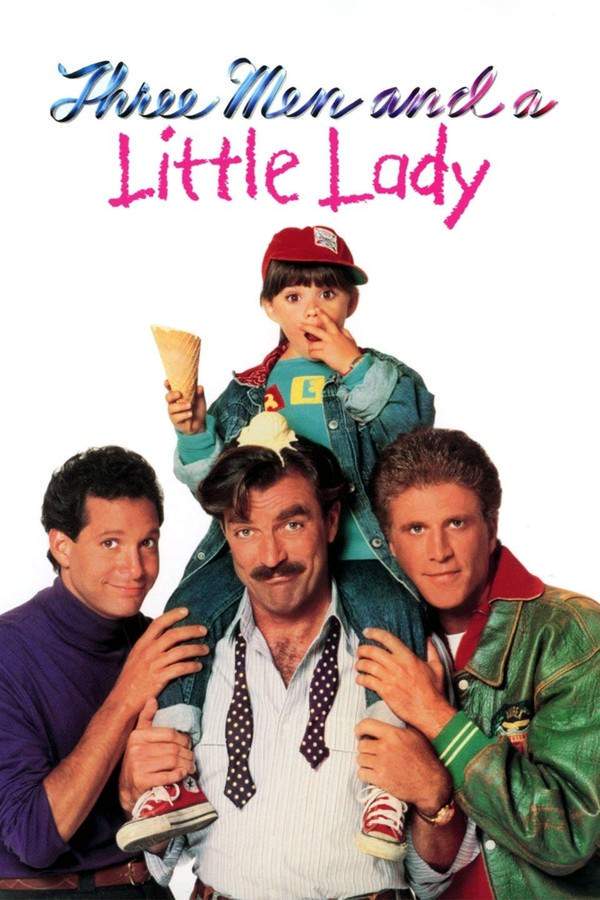
Underdog sports stories like The Great American Pastime

Heartwarming tales of coaching, teamwork, and personal growth through sports. Fans of The Great American Pastime will enjoy these similar movies about coaching and little league teams. Explore heartwarming stories where the game is a backdrop for learning life lessons, building community, and achieving personal growth in a lighthearted setting.

  • inspirational
  • heartwarming
  • underdog
  • teamwork
  • community
  • lighthearted
  • Tone: hopeful, inspirational, light
  • Pacing: steady, seasonal
Why these movies?

The story pattern: The narrative follows a coach, often reluctantly taking the role, guiding a group of underdogs through a season. The focus is less on winning and more on the personal journeys of the characters—learning sportsmanship, overcoming self-doubt, and bringing a community together, culminating in a moral victory more important than the final score.

Why they belong together: This thread groups movies that use sports as a framework for positive character arcs and community spirit. They share a light tone, low-stakes conflict, and an emphasis on personal growth over intense competition, making them appealing for their inspirational and wholesome qualities.

If you liked this

Movies Like The Great American Pastime

Similar movies to The Great American Pastime: the same genre, themes or kind of story. Each one comes with its own plot summary, timeline and ending explained.

Browse all movie summaries

Every angle

The Great American Pastime (1956) Explained: Plot, Timeline & Characters

Everything about The Great American Pastime in one place: what happens in the plot summary, the timeline in chronological order, the characters and meaning and a spoiler-free summary. What's After the Movie adds the cast, box office and post-credit scenes.

Coming soon on iOS and Android

The Plot Explained Movie Summary App

Plot summaries, endings explained and timelines on your phone. Catch up on any movie in minutes, save your favorites and never miss a twist again.

Be the first to know when we launch. Your email stays private, always.

Learn more about the app