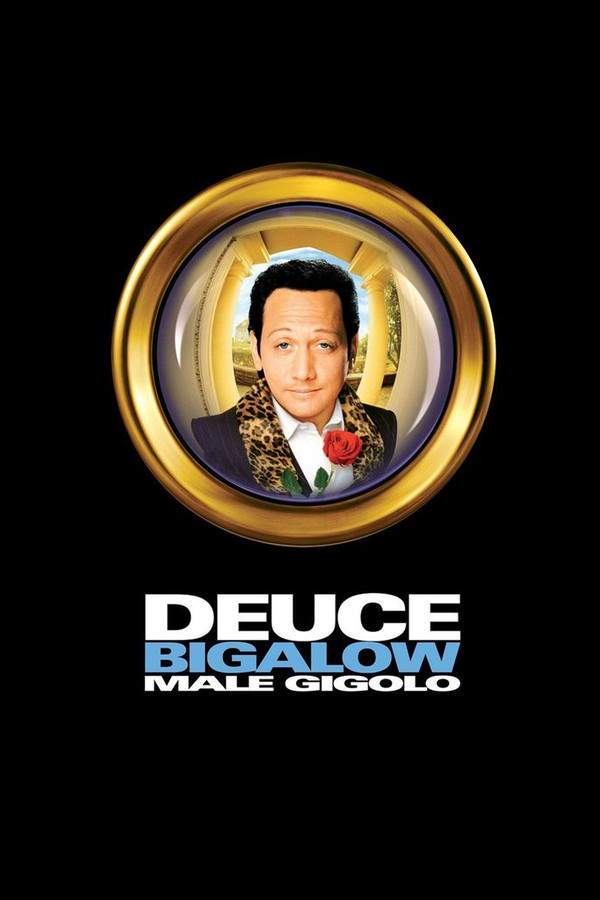
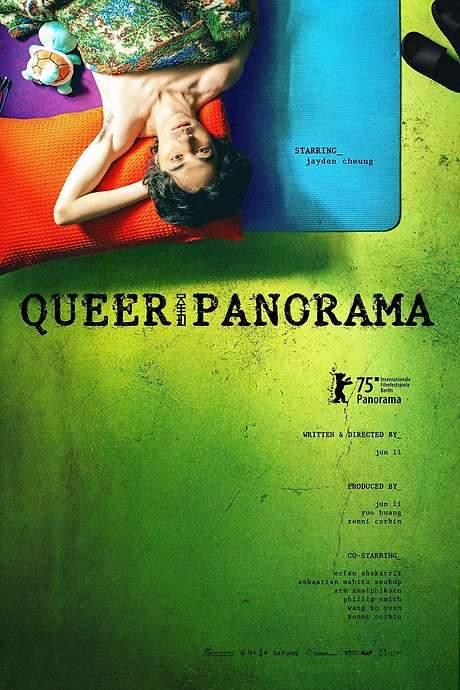
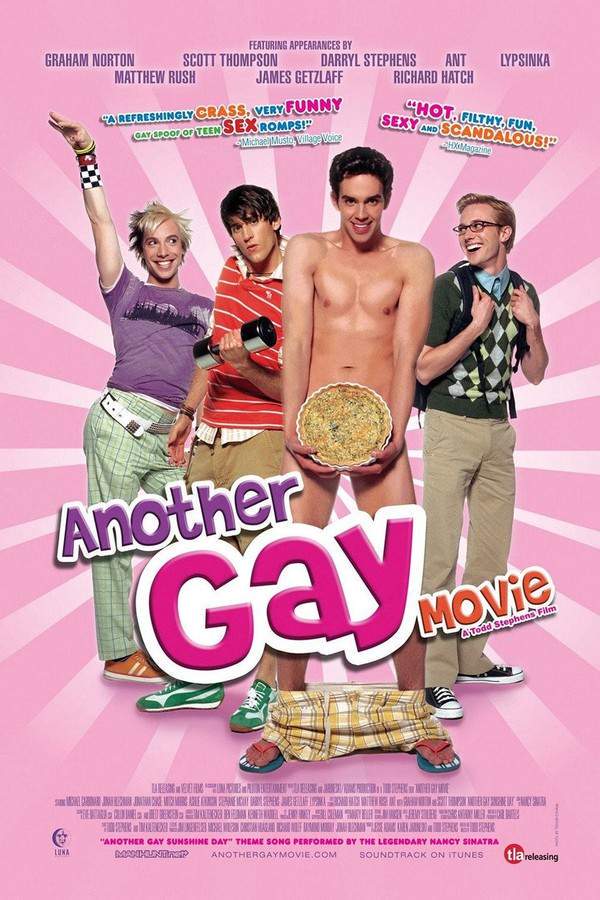
Two friends, Danny and Elliot, hatch a risky plan to dodge the draft by posing as a gay couple. Under tight Army surveillance, they move into a vibrant, openly gay apartment building and try to blend in with the residents while clinging to their relationships with the women in their lives. Danny embeds himself in the social web of the place, while Elliott wrestles with the limits of their ruse. Danny’s girlfriend, Karen, becomes part of the emotional pressure cooker as the two men balance fear of discovery with the lure of genuine connection. The premise is odd, comic, and uneasy in turns, setting up a investigation into masculinity, desire, and the price of pretending to be someone you’re not.
Inside the building, they meet their landlord, a warm and thoughtful man named Malcolm, and his partner, the steadfast Craig. Malcolm and Craig bring a steadiness to the chaos around the two young men, offering stories from their own early days as a couple and reminding Danny and Elliot of possibilities beyond fear and conformity. At first, the pair write off Malcolm and Craig as “two fruits” and try to perform their roles, but the more they observe these men’s tenderness and courage, the more they question the assumptions they’ve been fed about what it means to be gay. The apartment becomes a stage where friendship, empathy, and the stubborn resilience of love begin to bend the rules that kept the two friends in their shells.
Tension mounts as personal boundaries collide with social expectations. Danny insists that Elliot cannot have any romantic or physical relations with women during the ruse, while Danny himself continues to date Karen, hoping the tactic will keep their cover intact. The conflict grows when Elliot, feeling cornered by the pressure to perform, takes a reckless step: he visits a gay bar, allowing a man to buy him drinks and flirt, only to be overwhelmed by the moment and then punch the advances away in a confused, angry daze. The incident fractures trust between the friends and rattles everyone around them, including Karen, who begins to doubt what she knows about Danny and Elliot—and what they’re capable of feeling.
The emotional earthquake widens when Karen breaks up with Danny, suspecting that the two men are more than friends. In a bid to prove his own heterosexual fidelity and to defend his brother’s reputation, Danny’s sister, Leslie Devlin, enters the tangled dynamics and makes a provocative move of her own by seducing Elliot. The encounter forces Elliot to face deeper questions about desire, identity, and his own emotional wiring, including a painful moment of erectile dysfunction that seems to confirm the suspicions of those around him. The plot uses these intimate tensions not just for drama, but to probe the idea of authenticity under pressure and the ways fear can distort attraction and loyalty.
The social circle expands into a large gay party hosted by Malcolm and Craig, a gathering that becomes a crucible for everyone involved. Elliot attends, and in a moment of vulnerability he sneaks toward intimacy with a drag performer, only to be interrupted by the creeping presence of the Army investigators who have been tailing him. The event highlights how the line between safety and exposure can blur in a world where surveillance and stigma are constant companions. As the night unfolds, the pair’s ruse teeters on collapse, yet something unexpected happens: the people tasked with policing them are also navigating their own truths and attractions, complicating the already fragile game they’re playing.
In the end, Danny and Elliot are not inducted into the Army, but not through a victory of clarity or confession. Instead, a surprising reversal reveals that the Army investigators assigned to monitor them are themselves navigating same-sex attractions and the complexities of staying true to who they are in a system designed to police who people should be. The film closes on a sobering, thought-provoking note: the moral landscape is messier and more nuanced than a simple moral judgment, and sometimes the most meaningful resistance comes from choosing honesty and empathy over maintaining a perfect cover. What begins as a farcical attempt to dodge conscription evolves into a meditation on identity, love, and the quiet courage it takes to live without pretending.