





Plot Explained Spoilers guaranteed!
Plot Explained

Browse by genre

The Chamber (1996) movie poster

Timeline

The Chamber (1996) Timeline Explained – Every Event in Order

Release, runtime and language
1996 · 113 min · English
Directed by
James Foley
Starring
Chris O'Donnell, Gene Hackman

Idealistic lawyer Adam Hall takes on the death row case of his grandfather, a man he barely knew. As he investigates, he uncovers a complex web of family secrets and long-buried lies. With only 28 days until the scheduled execution, Adam races against time to uncover the truth and confront a dangerous past, ultimately seeking a path toward justice and his own redemption.

On this page (7)
  1. 1 Where to watch
  2. 2 Events in order (13)
  3. 3 Timeline questions answered
  4. 4 The book behind the movie
  5. 5 Movie threads
  6. 6 Movies like The Chamber
  7. 7 Every angle

Where to watch

Where to Watch The Chamber (1996)

Where can you watch The Chamber? Stream, rent or buy it in the US, including on Amazon Video, Apple TV Store and Fandango At Home: current JustWatch availability with up-to-date prices.

Streaming availability powered by JustWatch

13 events in order · contains spoilers

The Chamber Timeline: Events in Chronological Order

Every key event of The Chamber (1996) in order, scene by scene, with when and where it takes place. Use it to untangle flashbacks, time jumps and parallel storylines, to refresh your memory before the sequel or to find the exact scene you are thinking of.

  1. Kramer bombing and its aftermath

    In April 1967, the Ku Klux Klan bombs Marvin Kramer’s office in Indianola, Mississippi. Kramer’s five-year-old twin sons are killed and he loses his legs to the blast, a trauma that weighs on him for years and contributes to his eventual suicide. The bombing sets in motion a legal and family history that will haunt Cayhall’s life and the ensuing courtroom battles.

    When
    April 1967
    Where
    Indianola, Mississippi
  2. Sam Cayhall's murder trial and sentence

    Sam Cayhall, a Klansman, is tried for murder in connection with the Kramer bombing. He is convicted and sentenced to die in the gas chamber at the Mississippi State Penitentiary. The case cements his notoriety as a symbol of the old guard in a changing South.

    When
    late 1960s
    Where
    Mississippi State Penitentiary
  3. Adam Hall accepts pro bono assignment

    Twenty-nine years later, Adam Hall, a young attorney at Kravitz and Bane in Chicago, volunteers for Cayhall's last weeks before execution. He travels to Jackson, Mississippi to take over the case and confront generations of secrecy surrounding his family. He seeks to understand the dark past that contributed to his father’s suicide.

    When
    1996
    Where
    Jackson, Mississippi
  4. Aunt Lee Bowen's warning and family history

    Aunt Lee Bowen warns Adam about dredging up the past and the danger it poses. She recounts the family’s shame and the toll of addiction, revealing how their father’s suicide was tied to a history of Klan indoctrination. The revelation makes Adam realize the personal stakes behind the legal fight.

    When
    1996
    Where
    Jackson, Mississippi
  5. Sam on death row taunts Adam

    On death row, Sam remains brusque and unrepentant, bragging about his role in the bombing while denying that any killings were intended. He taunts Adam for his youth and inexperience, and for his father’s suicide, yet he begins to show subtle signs of doubt as the case unfolds. His demeanor hints at deeper inner conflict.

    When
    1996-1997
    Where
    Mississippi State Penitentiary
  6. Governor hints at clemency in exchange for information

    Governor McAllister, through an aide Nora Stark, proposes clemency in exchange for information about unidentified co-conspirators. Sam refuses to authorize access to Sovereignty Commission files, fearing exposure of former allies and political enemies. The offer turns the case into a political chess game.

    When
    1996-1997
    Where
    Governor's Office, Mississippi
  7. Inconsistencies emerge and potential conspiracy is uncovered

    Adam notices inconsistencies in the original investigation, suggesting Sam may not have acted alone. FBI and later counsel hint at a broader conspiracy involving the Sovereignty Commission and White Citizens' Councils. The case expands beyond a single murderer to a web of political machination.

    When
    1996-1997
    Where
    Jackson, Mississippi
  8. Access to the Sovereignty Commission files

    Adam and Nora secretly access the sealed Sovereignty Commission files, uncovering evidence of the conspiracy and identifying an accomplice. The new information challenges the prosecution's narrative and changes Adam’s approach to the case. The search for truth becomes a fight against institutional secrecy.

    When
    1996-1997
    Where
    Jackson, Mississippi
  9. Rollie Wedge and the revived FBI connection

    An older FBI agent resurfaces and confirms that the FBI had identified Rollie Wedge as the accomplice. Wedge has reconnected with other Klansmen to commemorate the bombing on the eve of Cayhall’s execution. The discovery links the crime to a wider network of racism.

    When
    1996-1997
    Where
    Jackson, Mississippi
  10. Adam confronts danger at a Klan reunion

    Adam attends a Klan reunion to press for answers and is beaten and threatened at gunpoint by Wedge. The confrontation demonstrates the real risk of pursuing the truth against entrenched hate. The incident intensifies Adam’s resolve to challenge the case’s official story.

    When
    1996-1997
    Where
    Mississippi
  11. Sam softens and seeks reform, but Wedge resists

    The exposure of the past begins to soften Sam; he reconciles with Lee and expresses remorse for his actions and their family. However, Wedge visits Sam in prison and urges him to stay silent, a demand Sam rejects. The tension highlights the conflict between personal responsibility and inherited hatred.

    When
    1996-1997
    Where
    Mississippi State Penitentiary
  12. Legal appeals and denial of clemency

    Adam’s motions for stays are denied by the courts, including the US Supreme Court. The Governor refuses clemency, despite having access to the Sovereignty Commission files. The legal process collapses as the execution date approaches.

    When
    1996-1997
    Where
    U.S. Supreme Court and Governor's Office, Mississippi
  13. Execution and family reconciliation

    Sam Cayhall is executed in the gas chamber, ending the immediate struggle. Adam remains supportive of his grandfather until the end, and he and Lee share a hopeful embrace as the ghosts of the past begin to fade. The film closes with a fragile sense of closure and a reflection on the cost of hate.

    When
    execution day, mid- to late-1990s
    Where
    Mississippi State Penitentiary

Last updated: October 09, 2025 at 15:44

Was this helpful?

Timeline questions answered

The Chamber Timeline Explained: Your Questions Answered

When does it happen, and why in that order? The questions people ask about the chronology of The Chamber (1996): time jumps, flashbacks, cause and effect between scenes and the correct order of events, each answered with spoilers.

Q1

Why does Adam Hall agree to defend his grandfather Sam Cayhall on death row?

Adam takes the case to understand the dark family legacy that shaped his father’s life and led to his suicide, which Adam witnessed as a child. Though Sam is a racist Klansman responsible for a bombing that killed two children, Adam sees the case as a way to confront the family’s buried secrets and achieve some form of redemption for all involved.

  • adam hall
  • sam cayhall
  • death row
  • family legacy
  • redemption
Q2

Why does Sam Cayhall refuse to release the Sovereignty Commission files in exchange for clemency?

Sam fears exposing former allies still living in Mississippi and suspects Governor McAllister’s true motive is political leverage rather than justice. He knows the governor built his career prosecuting the original case and believes releasing the files would only benefit McAllister’s political ambitions, not lead to genuine reconciliation.

  • sovereignty commission
  • clemency
  • governor mcallister
  • files
  • political motive
Q3

Who is Rollie Wedge and what was his role in the Kramer bombing?

Rollie Wedge was the unidentified accomplice who helped build and plant the bomb at Marvin Kramer’s office. The FBI had identified him years earlier but could not convict him. Wedge reconnected with other Klansmen to commemorate the bombing on the eve of Cayhall’s execution and was ultimately arrested as a result of the newly uncovered evidence from the Sovereignty Commission files.

  • rollie wedge
  • accomplice
  • fbi
  • bombing
  • klan
Q4

Why does Governor McAllister refuse clemency even after receiving the Sovereignty Commission files?

Despite gaining access to the files that revealed the broader conspiracy and identified Rollie Wedge as the accomplice, McAllister uses them as political leverage rather than granting mercy. The governor’s career was built on prosecuting Cayhall, and granting clemency would have undermined the tough-on-crime image that powered his political rise.

  • governor mcallister
  • clemency
  • execution
  • political career
  • files
Q5

What dark secret does Lee reveal about Adam’s father and the family history?

Lee tells Adam that in the early 1950s, as children, she and Adam’s father witnessed their brother Eddie murder their Black neighbor Joe Lincoln after a dispute over a toy soldier. Lee failed to intervene, and Eddie’s guilt contributed to his later suicide, which also drove their father to take his own life.

  • lee bowen
  • eddie
  • joe lincoln
  • murder
  • childhood
  • suicide
Q6

What inconsistencies does Adam uncover about the original Kramer bombing investigation?

Adam discovers that the original case was muddier than Sam admitted, suggesting Sam may not have acted alone or borne sole responsibility for the bomb. The investigation had overlooked evidence of a wider conspiracy involving the Mississippi State Sovereignty Commission and White Citizens’ Councils, which the files eventually revealed.

  • investigation
  • inconsistencies
  • conspiracy
  • evidence
  • sovereignty commission
Q7

How does Sam Cayhall’s attitude evolve during Adam’s investigation?

Initially blunt, bitter, and unapologetic, Sam gradually softens as the truth emerges. He reconciles with Lee, expresses remorse for the damage his actions caused his family, and rejects Wedge’s demand that he stay silent. Though he remains unwilling to fully cooperate with authorities, he authorizes the release of the Sovereignty Commission files before his execution.

  • sam cayhall
  • remorse
  • reconciliation
  • lee
  • attitude change
Q8

Why does Adam risk attending a Klan reunion to confront the defendants?

Adam attends the Klan reunion to press for answers about the bombing and uncover the truth about co-conspirators. During the event, he is assaulted and threatened at gunpoint by Rollie Wedge, demonstrating the real danger of pursuing justice against entrenched hate networks.

  • klan reunion
  • confrontation
  • rollie wedge
  • danger
  • assault
Q9

What legal strategy does Adam use to try to save Sam from execution?

Adam files motions for stays of execution and argues that Sam may be legally insane due to indoctrination into the Ku Klux Klan, claiming his ability to distinguish right from wrong could be compromised by years of racist ideology. This approach attempts to frame the killing as a product of systemic brainwashing rather than individual moral choice.

  • legal strategy
  • insanity defense
  • indoctrination
  • klan
  • stay of execution
Q10

Why does Sam Cayhall claim he never intended to kill anyone in the bombing?

On death row, Sam repeatedly boasts about his role in the Klan bombing campaign but denies the incidents were meant to kill. This distinction allows him to maintain a sense of moral distance from the deaths of Kramer’s twin sons while still taking pride in his racist violence, reflecting his twisted rationale that property destruction was the goal, not murder.

  • intent
  • killing
  • bombing
  • denial
  • sam cayhall
  • klan
Q11

Why did Adam’s family change their name and move away from the South?

After Sam’s conviction, the family changed their name from Cayhall to Hall and relocated to Chicago to escape the stigma and burden of their connection to the Klan. This distance allowed them to build new lives, but the unresolved trauma and secrets continued to shape subsequent generations, ultimately pulling Adam back to Mississippi to face the past.

  • family name
  • chicago
  • escape
  • stigma
  • cayhall
  • hall
Q12

What happens in the final moments of the film after Sam Cayhall’s execution?

Sam Cayhall is executed in the gas chamber. Adam remains a steadfast advocate for his grandfather until the end, and he and Lee share a quiet embrace. The film closes with a somber reminder of the lasting costs of bigotry, as the family holds onto hope that the ghosts of their painful past might gradually fade, despite the system’s final rejection of mercy.

  • execution
  • gas chamber
  • adam
  • lee
  • closure
  • final scene

Movie threads

More Movies Like The Chamber, by Mood & Story

Curated lists built around what makes The Chamber tick: the same mood, the same kind of story or the same emotional payoff. Each list explains why these movies belong together.

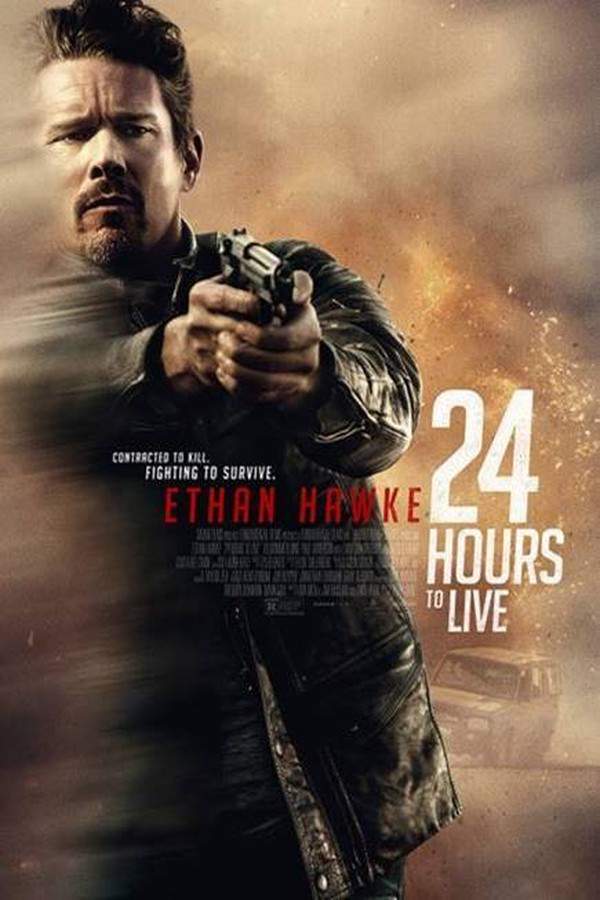
Legal Thrillers with a Ticking Clock like The Chamber

High-stakes legal battles with a relentless clock ticking down to a tragic end. Explore movies like The Chamber, featuring tense legal battles against a tight deadline. These similar dramas focus on high-stakes investigations, moral urgency, and the heavy emotional toll of fighting for justice within a rigid system, often culminating in a poignant or tragic ending.

  • urgent
  • tense
  • gripping
  • somber
  • high-stakes
  • procedural
  • Tone: dark, tense, urgent
  • Pacing: steady, driving forward
Why these movies?

The story pattern: Stories in this thread follow a linear, procedural narrative centered on a legal professional or investigator working against a fixed deadline. The plot unfolds through the gradual discovery of evidence and hidden truths, building tension and emotional investment as the inescapable date approaches, leading to an outcome that is often morally complex and emotionally heavy.

Why they belong together: Movies are grouped here based on their shared high-intensity, deadline-driven structure, dark tone rooted in serious themes like capital punishment, and the emotionally heavy journey of a protagonist seeking truth and redemption against overwhelming systemic odds.

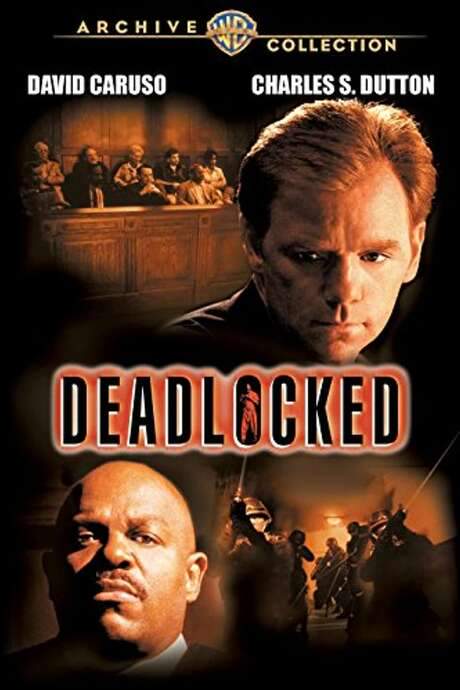
Movies About Uncovering Dark Family Secrets like The Chamber

Confronting a painful past and disturbing truths buried within a family's history. If you liked The Chamber's exploration of a family's hidden past, these similar movies delve into intergenerational trauma and shocking secrets. They share a dark, reflective tone, heavy emotional weight, and a steady pace as protagonists confront painful truths about their lineage.

  • somber
  • reflective
  • oppressive
  • gripping
  • unsettling
  • historical injustice
  • Tone: dark, grim, reflective
  • Pacing: steady, investigative
Why these movies?

The story pattern: The narrative pattern involves a protagonist, often a younger family member, being drawn into an investigation of a past event that implicates their relatives. The story is a linear unraveling of clues that exposes a complex web of lies, moral failings, and historical injustices, forcing a confrontation that is more about gaining painful understanding than achieving a happy resolution.

Why they belong together: These films are connected by their central theme of excavating a toxic family history, their consistently dark and somber mood, the heavy emotional weight of the revelations, and the steady, reflective pacing that allows the gravity of the uncovered truths to fully resonate.

If you liked this

Movies Like The Chamber

Similar movies to The Chamber: the same genre, themes or kind of story. Each one comes with its own plot summary, timeline and ending explained.

Browse all movie summaries

Every angle

The Chamber (1996) Explained: Plot, Timeline & Characters

Everything about The Chamber in one place: what happens in the plot summary, the timeline in chronological order, the characters and meaning and a spoiler-free summary. What's After the Movie adds the cast, box office and post-credit scenes.

Coming soon on iOS and Android

The Plot Explained Movie Summary App

Plot summaries, endings explained and timelines on your phone. Catch up on any movie in minutes, save your favorites and never miss a twist again.

Be the first to know when we launch. Your email stays private, always.

Learn more about the app