
The Battle of the Sexes
Year: 1960
Runtime: 84 mins
Language: English
Director: Charles Crichton
James Thurber‑style satire of a sex‑war in business. American exec Angela Barrows, a man‑eating businesswoman, is sent to Edinburgh to scout export opportunities. En route she meets businessman Robert MacPherson, who asks her to help modernise his firm for the 20th century. The staff, led by traditionalist Mr Martin, resist, sparking a clash between old‑school and progressive methods.
Warning: spoilers below!
Haven’t seen The Battle of the Sexes yet? This summary contains major spoilers. Bookmark the page, watch the movie, and come back for the full breakdown. If you're ready, scroll on and relive the story!
Timeline – The Battle of the Sexes (1960)
Trace every key event in The Battle of the Sexes (1960) with our detailed, chronological timeline. Perfect for unpacking nonlinear stories, spotting hidden connections, and understanding how each scene builds toward the film’s climax. Whether you're revisiting or decoding for the first time, this timeline gives you the full picture.
Last updated: October 09, 2025 at 12:31
The Battle of the Sexes (1960) Timeline Questions Answered – Chronology FAQ
Find frequently asked questions about the The Battle of the Sexes (1960) timeline, including chronological order, nonlinear jumps, cause-and-effect links, and scene sequence clarifications. This timeline FAQ helps explain when key events happen, how moments connect, and why the story unfolds in that specific order.
Why does Mr Martin decide to kill Angela Barrows?
Mr Martin plans to kill Angela Barrows because her modernization proposals threaten the traditional tweed company he has worked for his entire life. She intends to replace the 700 crofter-weavers with a single factory and switch to synthetic fibres, which would destroy the centuries-old craft. Inspired by a Sherlock Holmes film he watches at the cinema, Martin believes a dramatic act could restore balance and protect the traditional way of life.
Earlier, the chauffeur crash into the brewer's dray symbolizes the collision between old and new worlds, foreshadowing Martin's extreme response.
How does Martin plan to stage his crime?
Martin plans to stage the murder as a random killing by a drinking, smoking attacker. Since he is actually a non-smoker and non-drinker, he buys whisky and cigarettes to leave at the crime scene, creating a false impression that a stranger committed the crime. This approach is directly inspired by the Sherlock Holmes film he watches, where a similar staging misleads investigators.
Why does Martin fail in his murder attempts?
Martin fails because his conscience prevents him from actually killing Angela Barrows. In her flat, he makes a first attempt but his conscience intervene and he stops before harming her. He then makes several more botched attempts, each time unable to go through with the violent act. The moral crisis proves stronger than his determination to protect the traditional business.
Why does young MacPherson believe Martin's denial over Angela's accusations?
Young MacPherson finds Martin's denial more plausible than Angela's claims because Martin has been a loyal, long-standing employee of the company, while Angela is an outsider pushing disruptive changes. Additionally, the situation has become increasingly chaotic, and Martin's calm denial fits more comfortably with the business interests at stake. MacPherson's questioning reveals his preference for maintaining stability over accepting the shocking truth.
Why does Angela Barrows leave Edinburgh?
Angela Barrows leaves because she cannot withstand the pressure and hostility any longer. After the confrontation in the office where Martin is interrogated and young MacPherson seems to believe his denial, Angela realizes she has lost the battle for the company's future. Frustrated and feeling that everyone around her is mad, she departs, abandoning her modernization plans for the Scottish tweed company.
Why does Martin buy Angela a flower at the station?
Martin buys Angela a flower at the railway station because he is moved by a fleeting sense of compassion when he sees her crying. This final gesture represents a recognition of their shared humanity despite their opposing views on the company's future. It softens the conflict and provides a bittersweet, humane conclusion to their confrontation.
The moment echoes Martin's earlier refusal of whisky at old MacPherson's deathbed, another instance where he chooses restraint over indulgence.
What happens to the company's modernization plans after Angela leaves?
After Angela Barrows leaves, her modernization proposals die with her. The company continues operating under the traditional methods, with the 700 crofter-weavers remaining in their homes across the Hebrides. Martin's seemingly successful resistance preserves the old way of life, though the victory is described as peculiar, he chose not to commit murder but still won the conflict through Angela's departure.
Why does Martin refuse the whisky at old MacPherson's deathbed?
Martin refuses the whisky out of principle and restraint, establishing his character as a non-drinker. Old MacPherson then drinks for both of them before dying, a moment that sets the film's strange tone. This early scene establishes Martin's moral rigidity and his relationship with tradition, qualities that will later drive his extreme reaction to modernization.
This moment foreshadows Martin's later purchase of whisky he doesn't intend to drink, using it as a prop for his murder staging.
Why does the chauffeur crash into the brewer's dray?
The chauffeur crashes into the brewer's dray while driving Angela Barrows through Edinburgh during her push for rapid modernization. The crash is a symbolic moment representing the collision between the new world Angela represents and the old world of traditional Scottish business. It underscores the disruptive atmosphere her reforms create and serves as foreshadowing of the larger conflicts to come.
Why does Angela want to switch to synthetic fibres?
Angela Barrows wants to switch to synthetic fibres as part of her broader modernization strategy for the tweed company. She believes synthetic materials represent the future of the textile industry and would make the company more competitive in the 20th century. This proposal, combined with her plan to centralize weavers into a single factory, represents a complete transformation of the traditional craft-based business.
What does the 'battle of the sexes' refer to in this film?
The 'battle of the sexes' refers to the conflict between Angela Barrows' progressive, American business methods and the traditional, male-dominated Scottish business world she enters. It is a satirical take on gender dynamics in business, where a confident woman comes to overhaul a company run by traditional men. However, the title is somewhat ironic, as the real battle is between old and new business philosophies rather than purely gender-based conflict.

Explore Movie Threads
Discover curated groups of movies connected by mood, themes, and story style. Browse collections built around emotion, atmosphere, and narrative focus to easily find films that match what you feel like watching right now.
Gentle workplace satires like The Battle of the Sexes
Satirical business comedies where workplace conflict reveals shared humanity.If you enjoyed the clash of old-school tradition and modern progress in The Battle of the Sexes, explore more movies like it. This thread features comedies and dramas where business conflicts are handled with wit, satire, and a surprisingly compassionate outlook.
The Battle of the Sexes
1960

Office Romance. Our time
2011
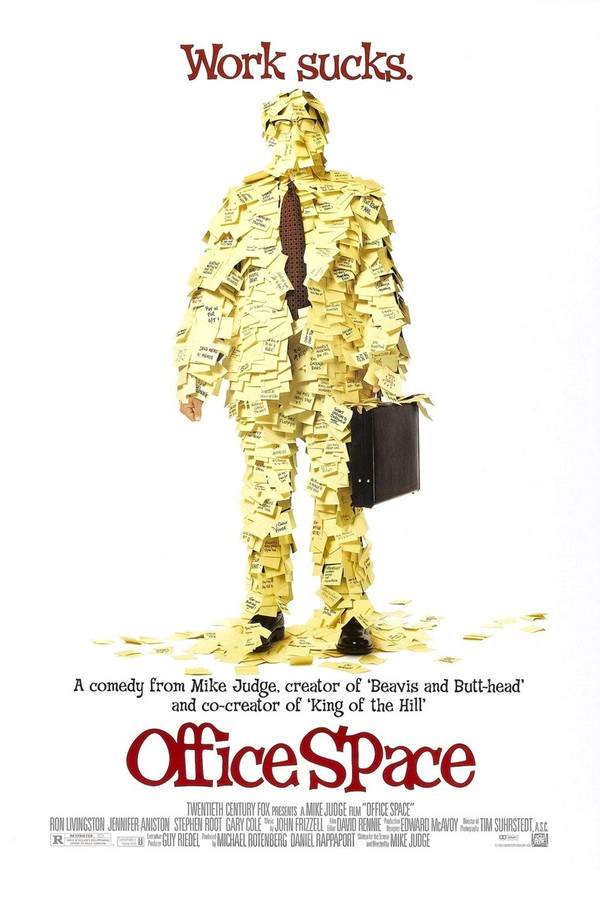
Office Space
1999
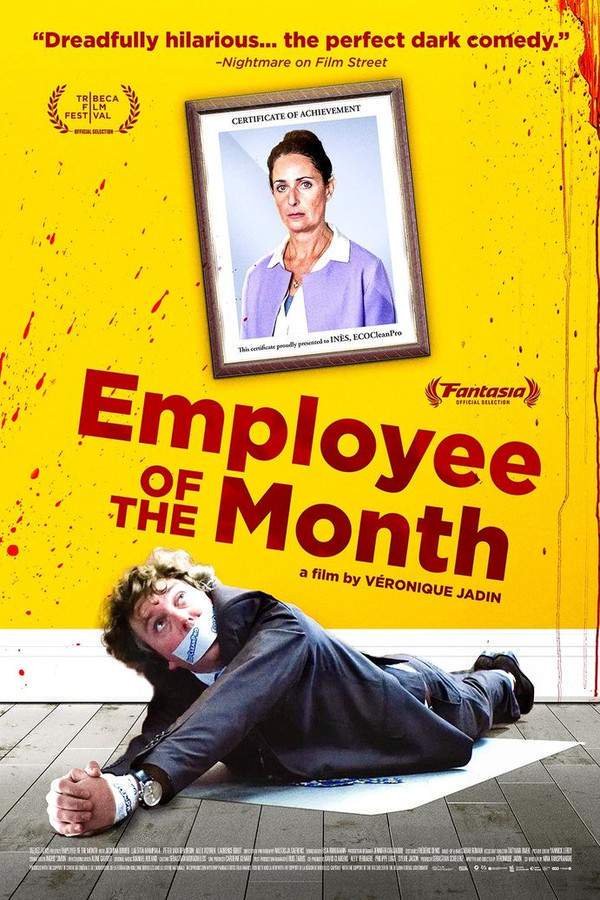
Employee of the Month
2006
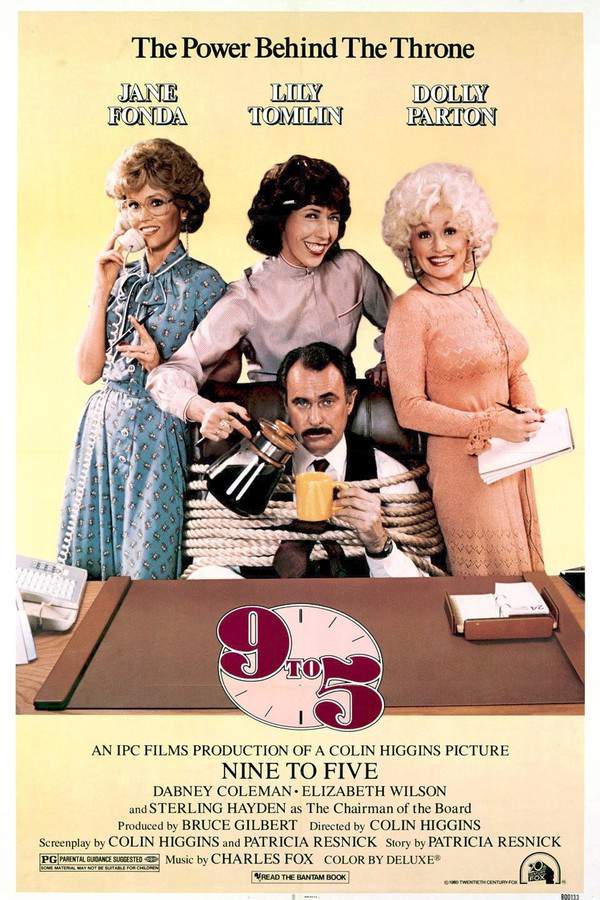
9 to 5
1980

The Promotion
2023

Tenure
2009

You’re My Boss
2015

Desk Set
1957
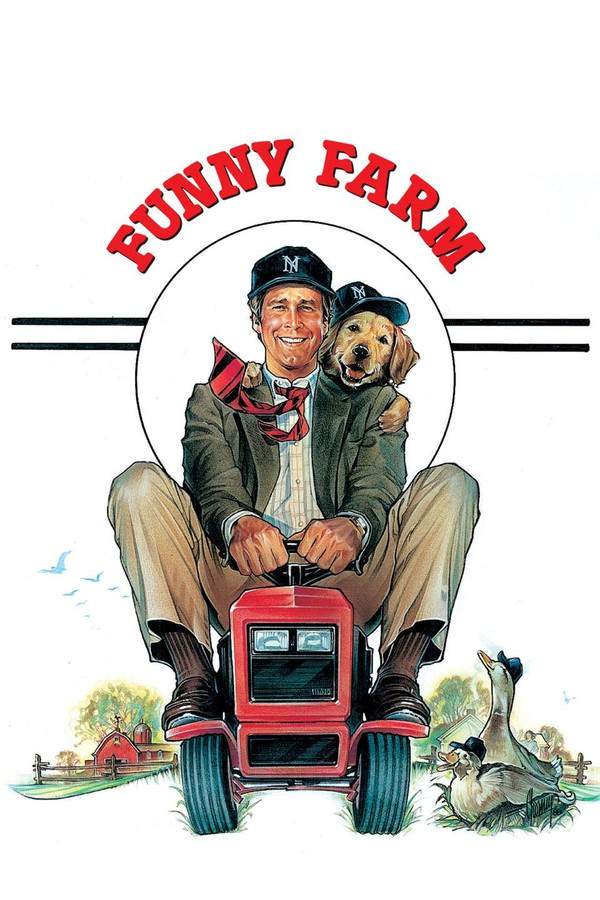
Funny Farm
1988

Carry On at Your Convenience
1971
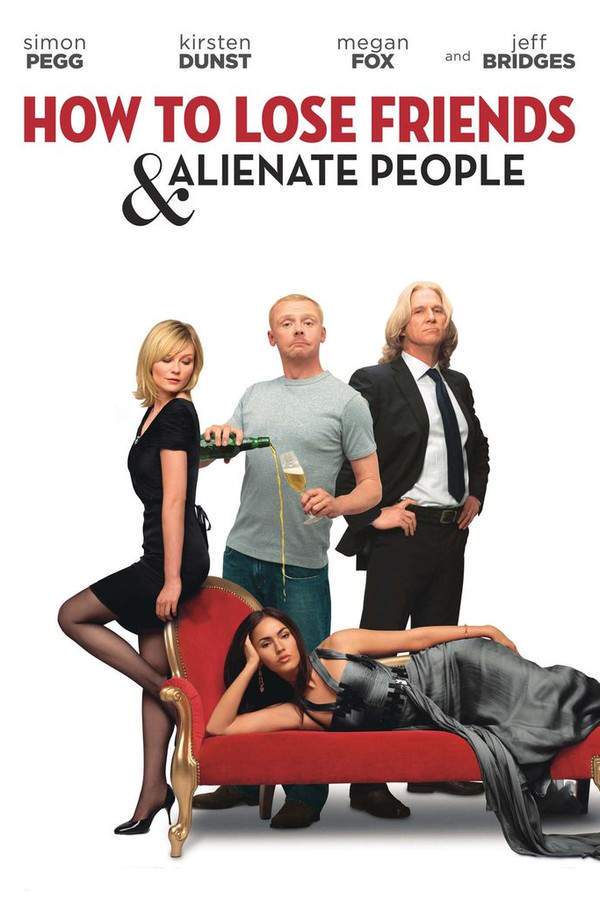
How to Lose Friends & Alienate People
2008

Office Romance
1977
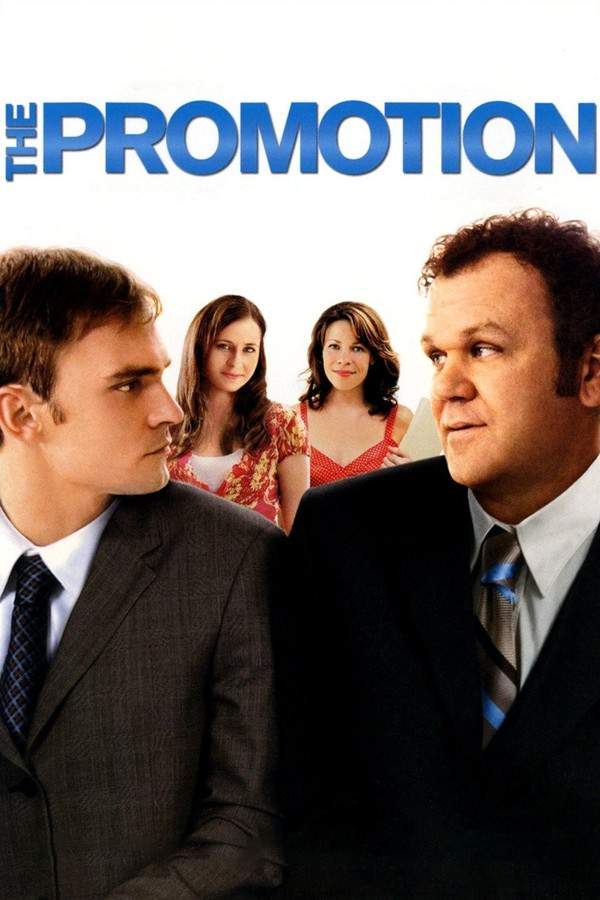
The Promotion
2008
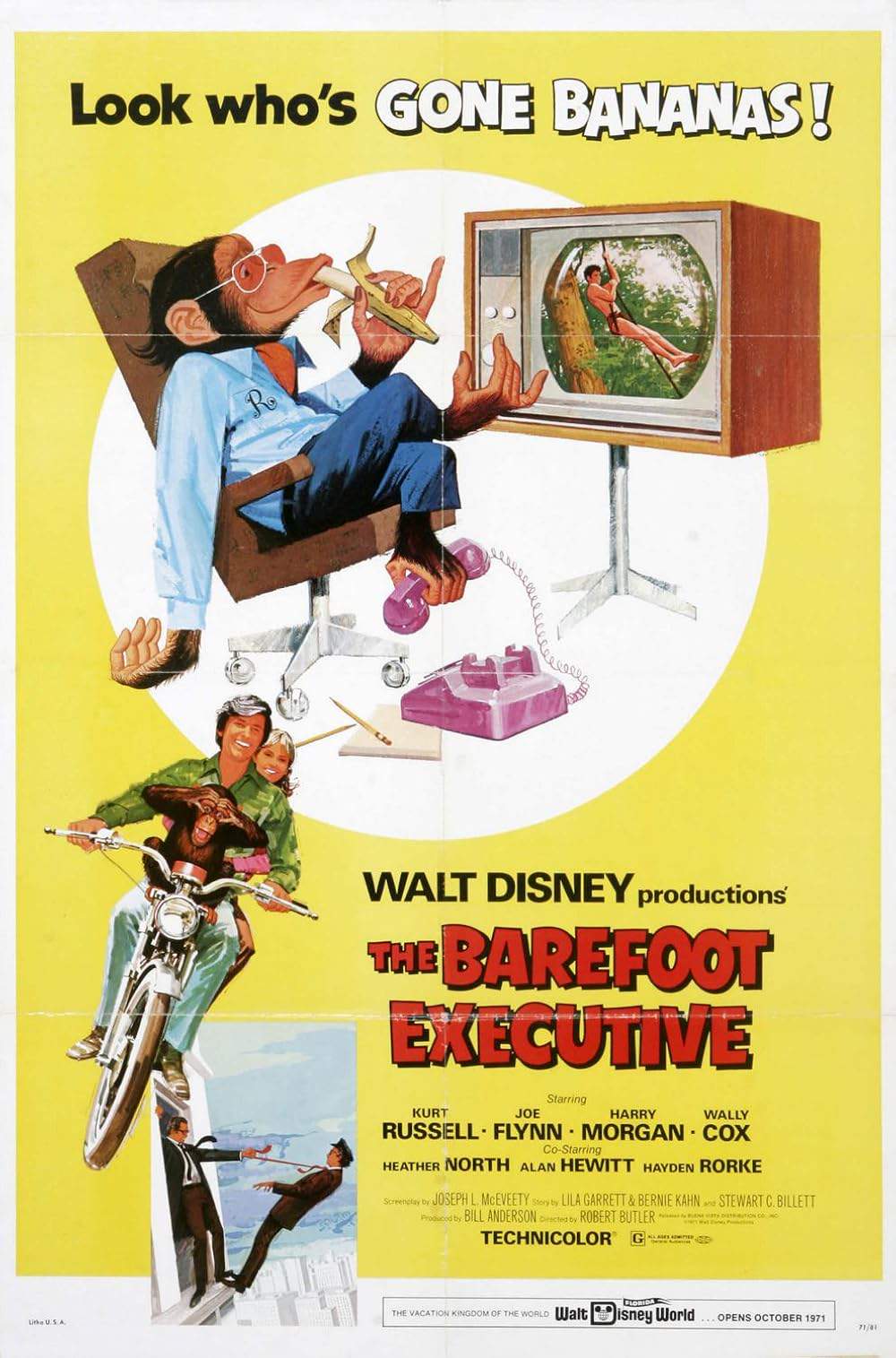
The Barefoot Executive
1971
Narrative Summary
Stories in this thread typically center on a disruptive force entering a stagnant environment, sparking ideological conflict. The narrative follows the escalating tension, but instead of culminating in pure victory or defeat, it often leads to a moment of mutual understanding or a bittersweet resolution that acknowledges the value in both sides.
Why These Movies?
These films are grouped together because they share a specific tonal balance: they are satirical and often humorous about workplace dynamics, but they maintain a fundamentally humane and gentle perspective on their characters, avoiding cynicism in favor of thoughtful character exploration.
Light moral dilemma stories like The Battle of the Sexes
Stories where characters face ethical tests, treated with whimsy rather than weight.Fans of The Battle of the Sexes will appreciate this collection of movies like it that feature characters grappling with conscience. These films explore themes of attempted crime and moral testing, but do so with a light, comedic touch that makes the journey thoughtful rather than distressing.

The Talk of the Town
1942

Tender Scoundrel
1966

French Dressing
1964

Good on Paper
2021
The Battle of the Sexes
1960

The Strange Case of the End of Civilization as We Know It
1977

Mister 880
1950
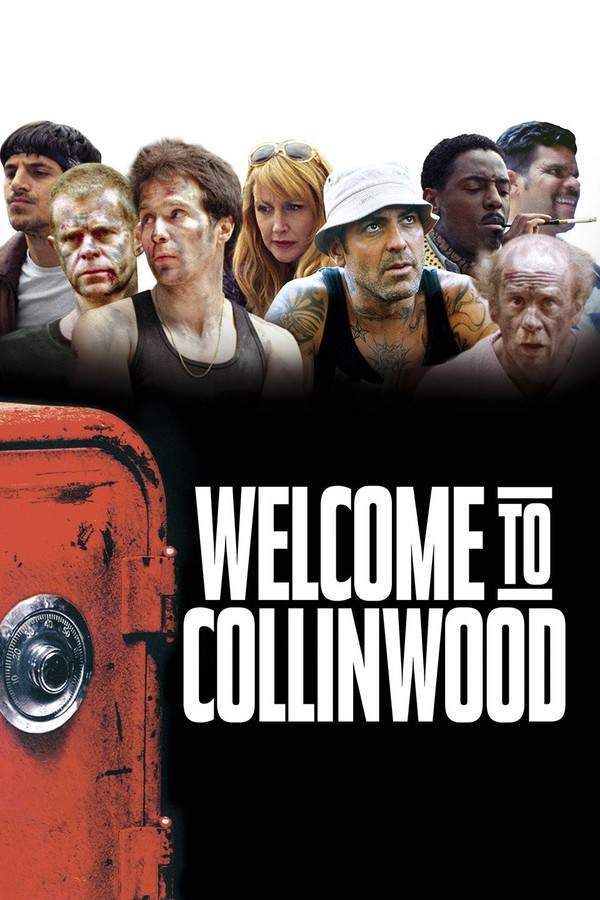
Welcome to Collinwood
2002

French Film
2008

Cops and Robbers
1951

See This Movie
2004

The Likely Lads
1976

Splitting Heirs
1993

A Day to Remember
1953

Good Mourning
2022
Narrative Summary
The narrative pattern involves a character, often driven to extremes by frustration or principle, who contemplates or attempts a morally dubious act. The plot revolves around the build-up and consequences of this decision, which are ultimately revealed to be more farcical than tragic, leading to a resolution that emphasizes personal growth over punishment.
Why These Movies?
These movies are united by their unique treatment of serious themes. They present moral crises and even dark premises like attempted crime, but filter them through a lens of comedy and satire, resulting in an experience that is contemplative and character-driven without being emotionally heavy.
Unlock the Full Story of The Battle of the Sexes
Don't stop at just watching - explore The Battle of the Sexes in full detail. From the complete plot summary and scene-by-scene timeline to character breakdowns, thematic analysis, and a deep dive into the ending - every page helps you truly understand what The Battle of the Sexes is all about. Plus, discover what's next after the movie.
The Battle of the Sexes Summary
Read a complete plot summary of The Battle of the Sexes, including all key story points, character arcs, and turning points. This in-depth recap is ideal for understanding the narrative structure or reviewing what happened in the movie.

Characters, Settings & Themes in The Battle of the Sexes
Discover the characters, locations, and core themes that shape The Battle of the Sexes. Get insights into symbolic elements, setting significance, and deeper narrative meaning - ideal for thematic analysis and movie breakdowns.


Similar Movies to The Battle of the Sexes
Discover movies like The Battle of the Sexes that share similar genres, themes, and storytelling elements. Whether you’re drawn to the atmosphere, character arcs, or plot structure, these curated recommendations will help you explore more films you’ll love.
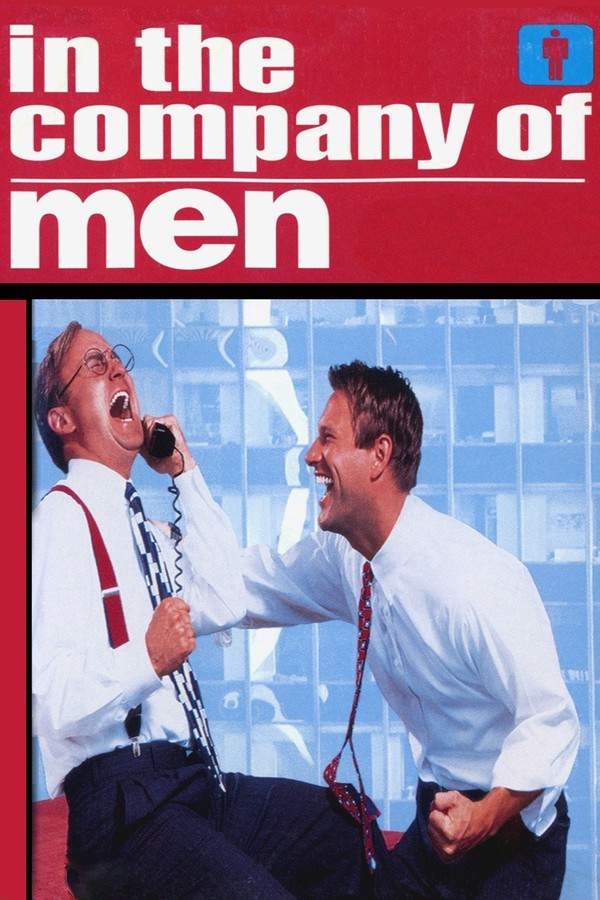
In the Company of Men
1997

The Boss’ Wife
1986

The Peacock
2023

The Battle of the Sexes
1928

Sex in the Office
1971

Thunder in the City
1937

Big Business Girl
1931

Sex and the Single Girl
1964

Beauty and the Boss
1932

What’s the World Coming To?
1926

Traveling Saleslady
1935

The Battle of the Century
1927

Business and Pleasure
1932

The War Between Men and Women
1972
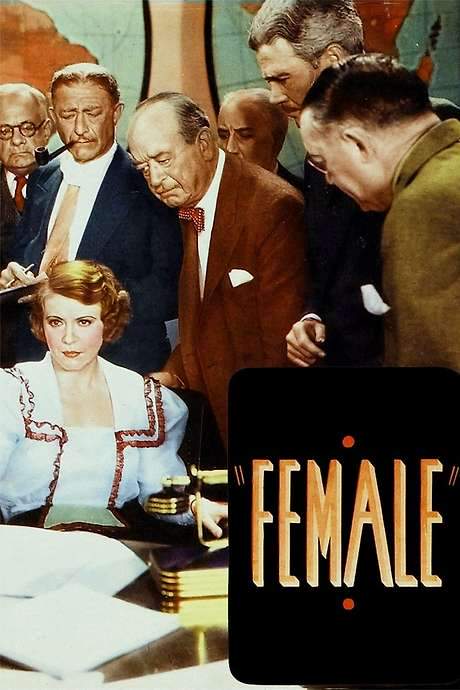
Female
1933
Explore More About Movie The Battle of the Sexes
The Battle of the Sexes (1960) Plot Summary & Movie Recap
The Battle of the Sexes (1960) Scene-by-Scene Movie Timeline
The Battle of the Sexes (1960) Spoiler-Free Summary & Key Flow
Movies Like The Battle of the Sexes – Similar Titles You’ll Enjoy
In the Company of Men (1997) Plot Summary & Ending Explained
The Boss’ Wife (1986) Full Summary & Key Details
The Peacock (2023) Detailed Story Recap
The Battle of the Sexes (1928) Plot Summary & Ending Explained
Sex in the Office (1971) Plot Summary & Ending Explained
Thunder in the City (1937) Complete Plot Breakdown
Big Business Girl (1931) Story Summary & Characters
Sex and the Single Girl (1964) Full Summary & Key Details
Beauty and the Boss (1932) Movie Recap & Themes
What’s the World Coming To? (1926) Movie Recap & Themes
Traveling Saleslady (1935) Film Overview & Timeline
The Battle of the Century (1927) Movie Recap & Themes
Business and Pleasure (1932) Ending Explained & Film Insights
The War Between Men and Women (1972) Spoiler-Packed Plot Recap
Female (1933) Detailed Story Recap