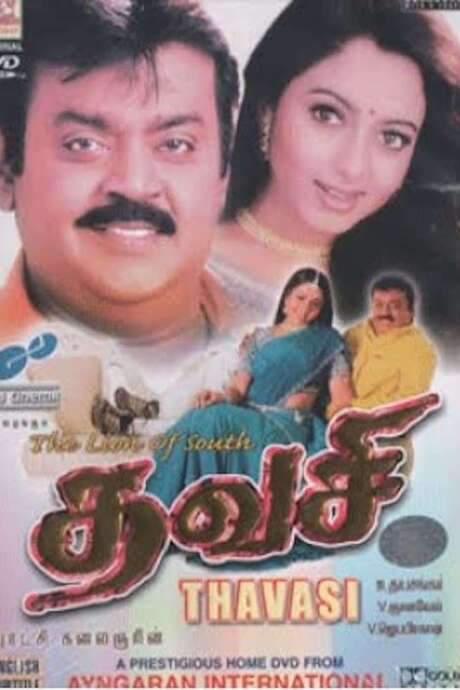
Thavasi
Year: 2001
Runtime: 165 mins
Language: Tamil
Director: Udayasankar
A noble and just man makes the ultimate sacrifice after he imposes an unjust sentence on a male from a poor family.
Warning: spoilers below!
Haven’t seen Thavasi yet? This summary contains major spoilers. Bookmark the page, watch the movie, and come back for the full breakdown. If you're ready, scroll on and relive the story!
Thavasi (2001) – Full Plot Summary & Ending Explained
Read the complete plot breakdown of Thavasi (2001), including all key story events, major twists, and the ending explained in detail. Discover what really happened—and what it all means.
Thavasi is an influential do-gooder landlord in a small village who commands broad respect from those around him. He and his wife arrange for their son Boopathi’s marriage to Priyadarshini, hoping the union will bind two respectable families together. But the village’s tense history still colors every decision. Sankarapandi, a man who once raped and killed Thavasi’s sister after marrying her, harbors a grim pride and tries to push his own daughter (by a second wife) toward Boopathi. To protect his family’s honor, Thavasi openly insults Sankarapandi, a move that backfires on him rather than restoring prestige. In response, Sankarapandi shifts his strategy: rather than defending his daughter’s future, he arranges for her with Thangarasu, a man who happens to be present when the confrontation unfolds.
As Boopathi and Priyadarshini begin to realize their feelings through a series of chance meetings, their engagement becomes a quiet beacon of genuine affection amid village intrigue. Meanwhile, Thangarasu is accused of stealing temple-owned jewels, and Thavasi, confident in his own judicial sense, swiftly convicts him of guilt. The next day, Thangarasu takes his own life, a tragedy that hints at a harsher truth—he may have been innocent but felt crushed by the weight of the accusation. Then a mute person is arrested as the thief, a development that unsettles the town and gnaws at Thavasi’s hard-won authority.
Hearing that the case has shaken the village’s faith in his judgments, Maragathammal—Thangarasu’s mother—begins to question Thavasi’s infallible reputation. In response to what she sees as a grave injustice, Thavasi makes a controversial choice: he offers up his own son Boopathi to Maragathammal as a form of redress for her son’s suffering. Maragathammal receives Boopathi with cold disdain, treating him badly, though he endures the mistreatment with quiet patience. Across the family feuds and engagements, Sankarapandi continues to push for his daughter’s marriage to Boopathi, who is now viewed as the son of Maragathammal, keeping the arrangement alive in name if not in spirit.
Boopathi’s conscience moves him in other directions as well. He quietly helps those around him, rescuing Thangarasu’s sister from sexual assault by Kottai Perumal and working to reform Karmegam, the brother-in-law of Thangarasu who tortures his wife over dowry. These acts shine a different light on Boopathi, showing a man capable of courage and compassion even as he navigates the tangled loyalties of kin and marriage.
In a pivotal turn, before his own wedding to Sankarapandi’s daughter, Boopathi encounters the mute thief once more. He uncovers the truth: the mute thief did act under pressure, but he can finally be convinced to reveal a more complex plot. The thief confesses that Sankarapandi was responsible for the temple jewel theft and for Thangarasu’s murder, crafting the entire scene to look like a suicide. This revelation forces the village to confront the possibility that Thavasi’s earlier judgments were not the final word after all.
With truth finally edging out pride, Boopathi’s life takes a new shape. He marries Priya and begins a family, as Priya is soon pregnant with twins, signaling a hopeful close to a saga of accusation, reform, and the painful costs of misjudgment. The film closes on the note that redemption and duty can coexist in a village where tradition, honor, and personal transformation collide, leaving a legacy that those who remain must carry with them into the future.
Last Updated: October 09, 2025 at 16:38

Explore Movie Threads
Discover curated groups of movies connected by mood, themes, and story style. Browse collections built around emotion, atmosphere, and narrative focus to easily find films that match what you feel like watching right now.
Village dramas with heavy moral reckonings like Thavasi
Stories where rigid codes of honor unravel lives in close-knit communities.If you liked the intense village politics and heavy moral dilemmas in Thavasi, explore more movies like it. These films often feature tense family feuds, questions of honor, and the grim consequences of judgment within a close-knit rural community, leading to bittersweet or tragic conclusions.

God's Creatures
2022

In the Valley of Elah
2007

In the Name of My Daughter
2015

The Reckoning
2004

Echo Valley
2025

Truth About Kerry
2010

Bunohan: Return to Murder
2011

White Deer Plain
2012

The Heavy Hand of the Law
2017
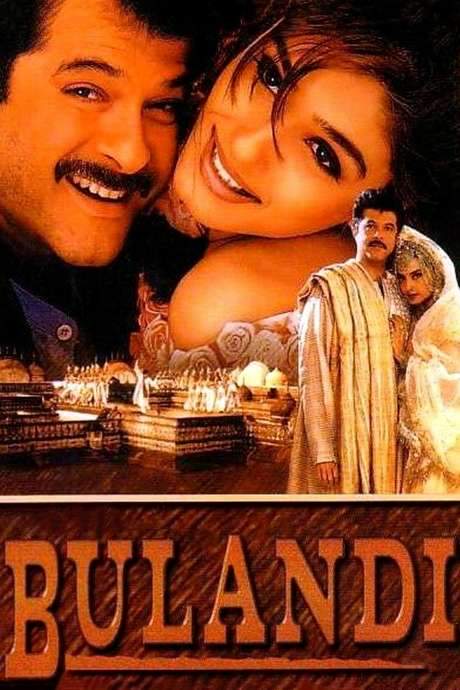
Bulandi
2000
Thavasi
2001
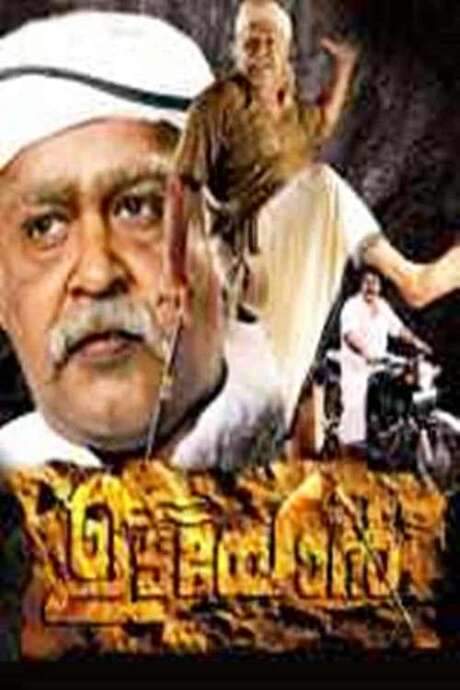
Udayon
2005

Koodal Nagar
2007

Vassa
1983

Troubled Water
2021
Narrative Summary
These stories typically begin with a transgression against a social code, leading to a chain reaction of accusations, feuds, and revenge. The protagonist, often a figure of authority or principle, is caught in the middle, forced to make a choice that will either uphold or shatter the community's fragile sense of order, usually at great personal cost.
Why These Movies?
Movies are grouped here for their shared focus on the intersection of personal morality and community pressure in a rural world. They share a dark, solemn tone, a steady pacing that builds tension methodically, and a heavy emotional weight stemming from themes like false accusations, family honor, and the pursuit of a painful redemption.
Movies about bittersweet sacrifice like Thavasi
Journeys where characters atone for past wrongs through profound personal loss.For viewers who appreciated the theme of painful redemption in Thavasi, this list highlights similar films. These stories follow characters who make ultimate sacrifices to correct an injustice, leading to endings that are emotionally heavy and bittersweet, blending grief with a sense of hard-earned moral resolution.












Narrative Summary
The narrative pattern involves a protagonist burdened by guilt or a past error in judgment. The plot builds towards a climax where they are presented with an opportunity for redemption, but it requires them to surrender their happiness, status, or even life. The conclusion is rarely purely happy; instead, it offers a somber validation that their sacrifice had meaning.
Why These Movies?
These films are united by their exploration of redemption through sacrifice. They share a heavy emotional weight, a dark or bittersweet tone, and a focus on the psychological cost of doing the 'right' thing. The pacing is often steady, allowing the moral dilemma and its consequences to resonate fully with the viewer.
Unlock the Full Story of Thavasi
Don't stop at just watching — explore Thavasi in full detail. From the complete plot summary and scene-by-scene timeline to character breakdowns, thematic analysis, and a deep dive into the ending — every page helps you truly understand what Thavasi is all about. Plus, discover what's next after the movie.
Thavasi Timeline
Track the full timeline of Thavasi with every major event arranged chronologically. Perfect for decoding non-linear storytelling, flashbacks, or parallel narratives with a clear scene-by-scene breakdown.

Characters, Settings & Themes in Thavasi
Discover the characters, locations, and core themes that shape Thavasi. Get insights into symbolic elements, setting significance, and deeper narrative meaning — ideal for thematic analysis and movie breakdowns.