





Plot Explained Spoilers guaranteed!
Plot Explained

Browse by genre

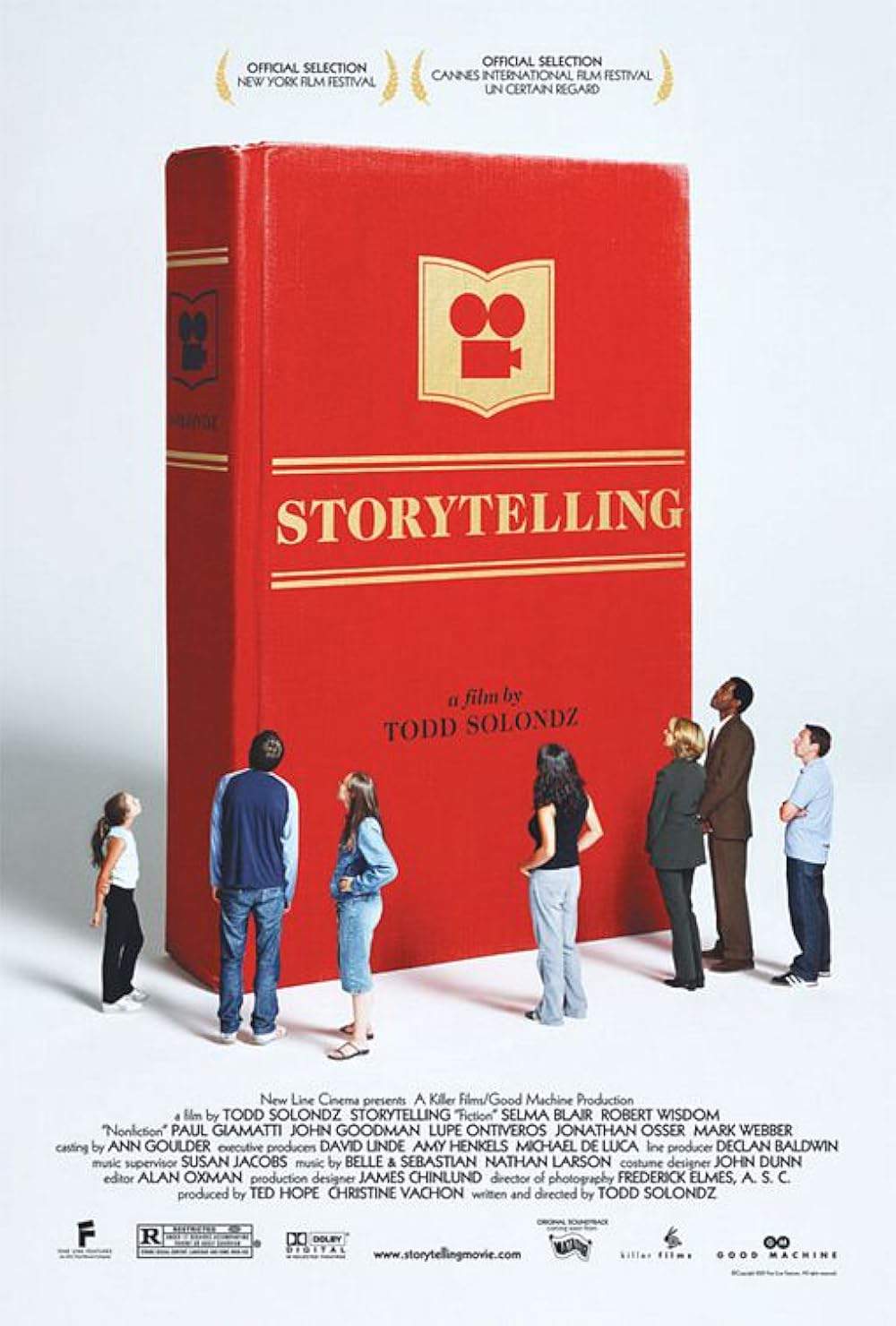
Storytelling (2002) movie poster

Timeline

Storytelling (2002) Timeline Explained – Every Event in Order

Release, runtime and language
2002 · 87 min · English
Directed by
Todd Solondz
Starring
Selma Blair

A teenage girl's unusual ability to seemingly appear wherever she's needed intrigues a persistent detective. He embarks on a charming and feel-good journey to discover the secret behind her remarkable knack for being in the right place at the right time, uncovering unexpected connections and heartwarming moments along the way.

On this page (6)
  1. 1 Where to watch
  2. 2 Events in order (14)
  3. 3 Timeline questions answered
  4. 4 Movie threads
  5. 5 Movies like Storytelling
  6. 6 Every angle

Where to watch

Where to Watch Storytelling (2002)

Where can you watch Storytelling? Stream, rent or buy it in the US, including on Amazon Video, Apple TV Store and Fandango At Home: current JustWatch availability with up-to-date prices.

Streaming availability powered by JustWatch

14 events in order · contains spoilers

Storytelling Timeline: Events in Chronological Order

Every key event of Storytelling (2002) in order, scene by scene, with when and where it takes place. Use it to untangle flashbacks, time jumps and parallel storylines, to refresh your memory before the sequel or to find the exact scene you are thinking of.

  1. Vi and Marcus's Intimacy

    The film begins with Vi engaged in a sexual encounter with her boyfriend, Marcus, who lives with cerebral palsy. This moment highlights the complexity of their relationship, revealing underlying tensions regarding Marcus's disability.

  2. Marcus's Insecurity

    After their intimate moment, Marcus senses Vi's anxiousness to leave, suspecting that her feelings towards his disability may have changed. This marks the beginning of their emotional strain as he questions her support and affection.

  3. Creative Writing Class

    In a creative writing class, Marcus presents his short stories, which everyone privately considers poorly written. The classmates' fear of offending him due to his handicap leads to insincere praise, which ultimately stifles genuine feedback.

    Where
    Creative Writing Class
  4. Harsh Criticism from Mr. Scott

    Katherine, a classmate, finally voices her honest critique of Marcus's work during a session. This prompts Mr. Scott, the class's black professor, to launch into a scathing attack on Marcus's writing, leaving him devastated and vulnerable.

    Where
    Creative Writing Class
  5. Breakup with Vi

    Feeling hurt and unsupported, Marcus decides to end his relationship with Vi. This pivotal moment in the story underscores the emotional fatigue stemming from his battles with self-worth and societal perception.

  6. Vi's Encounter with Mr. Scott

    After the breakup, Vi meets Mr. Scott at a bar, leading to an unexpected and disturbing turn in her narrative. Their encounter escalates as Mr. Scott's demands turn increasingly violent and exploitative.

    Where
    Bar
  7. Discovery of Photos

    While preparing for intimate moments in Mr. Scott's apartment, Vi stumbles upon naked photographs of her classmates. This shocking discovery forces her to confront issues of race and exploitation, lingering in her mind as she whispers to herself.

    Where
    Mr. Scott's Apartment
  8. Vi's Short Story

    Vi channels her traumatic experience into a thinly-veiled fictional short story for her class. However, upon presenting it, she faces harsh criticism from her classmates, who label it as racist and exploitative, leaving her feeling isolated.

    Where
    Creative Writing Class
  9. Introduction of Toby and Scooby

    The second half of the film shifts focus to Toby, an unsuccessful documentary filmmaker, and his subject, Scooby. This introduces a contrasting narrative with themes of directionlessness and familial conflict surrounding Scooby's life.

  10. Scooby's Family Dynamics

    The audience witnesses the escalating tensions at the dinner table as Scooby frequently clashes with his parents. This dynamic illustrates the challenges he faces in finding his own identity amid familial strife.

    Where
    Scooby's Home
  11. Toby's Documentary Shift

    As Toby continues filming, the tone of his documentary changes, evolving from an educational study into a mockery of Scooby and his family. This transformation raises questions about exploitation in storytelling.

  12. Scooby's Discovery

    Scooby sneaks into an early screening of Toby's documentary, only to be met with laughter and ridicule at his family's expense. This painful moment reflects his deepening sense of alienation and betrayal by Toby.

    Where
    Screening Room
  13. Tragedy Strikes

    While Scooby is out, his family's ex-housekeeper, resentful after being fired, poisons them using gas. This sudden and tragic turn disrupts any semblance of family stability that Scooby once had.

    Where
    Scooby's Home
  14. Scooby's Cold Reality

    Upon returning home, Scooby discovers the horrific aftermath of the poisoning, finding his entire family dead. His chilling remark to Toby about not feeling sorry for him highlights his emotional detachment and reflects on the movie's success.

    Where
    Scooby's Home

Last updated: May 21, 2025 at 07:31

Was this helpful?

Timeline questions answered

Storytelling Timeline Explained: Your Questions Answered

When does it happen, and why in that order? The questions people ask about the chronology of Storytelling (2002): time jumps, flashbacks, cause and effect between scenes and the correct order of events, each answered with spoilers.

Q1

Why does Marcus break up with Vi?

Marcus ends his relationship with Vi after she fails to give him honest feedback about his writing in class. While everyone knows his short stories are subpar, the classmates tiptoe around him due to his cerebral palsy. When Katherine finally offers a genuine critique, Mr. Scott launches into a scathing attack on Marcus's work. Marcus interprets Vi's silence as betrayal, feeling she abandoned him when he needed support most.

Foreshadowing: The tension was planted early when Vi rushes to leave after their intimacy, making Marcus question her true feelings about his disability.

  • marcus
  • vi
  • breakup
  • creative writing
  • disability
  • cerebral palsy
Q2

What happens between Vi and Mr. Scott at his apartment?

After meeting at a bar, Vi goes to Mr. Scott's apartment where the encounter turns violent and exploitative. While preparing in his bathroom, she discovers naked photographs of her white female classmates on his wall. When she emerges, Mr. Scott demands she perform degrading sexual acts. The experience is traumatic and exploitative, forcing her to confront issues of race and power dynamics.

  • vi
  • mr scott
  • exploitation
  • photographs
  • assault
Q3

Why does Vi's short story cause backlash?

Vi writes a provocative fictional story based on her traumatic encounter with Mr. Scott, incorporating racial elements and degradation she experienced. When she presents it to her creative writing class, classmates react with fury, labeling it racist and misogynistic. They dismiss it as the shallow ventriloquism of a privileged white girl who appropriated Black trauma without genuine understanding.

  • vi
  • short story
  • racism
  • backlash
  • creative writing class
Q4

Why does Toby's documentary shift from serious to mocking?

Toby's documentary begins as an exploration of Scooby's troubled family life but gradually transforms into a mocking portrayal. He recognizes the project's aimlessness and seems to abandon journalistic integrity. The shift reflects Toby's own directionlessness as a filmmaker and his exploitation of Scooby's misery for entertainment value, ultimately prioritizing a "hit" over ethical storytelling.

  • toby
  • documentary
  • scooby
  • exploitation
  • film making
Q5

Why does the ex-housekeeper poison Scooby's family?

Scooby's family is poisoned by their former housekeeper who was fired and harbored resentment toward them. While Scooby is away, she gains access to the home and kills his parents and sister using gas. The poisoning represents a brutal consequence of how the family treated their household help, linking back to themes of exploitation and power dynamics.

  • scooby
  • family
  • poisoning
  • housekeeper
  • death
Q6

What does Scooby mean when he says "the movie is a hit"?

When Scooby discovers his family's bodies, he tells Toby not to feel sorry for him and coldly states "the movie is a hit." This chilling remark suggests Scooby has become emotionally detached from his own tragedy. He seems to value the documentary's success over his personal loss, or perhaps views his family's death as finally giving Toby the dramatic ending his project needed.

Foreshadowing: The audience's laughter at the earlier screening foreshadows how Scooby has learned to view his own suffering as performance.

  • scooby
  • movie is a hit
  • detachment
  • tragedy
Q7

Why does Mr. Scott harshly criticize Marcus's writing?

Mr. Scott launches into a scathing attack on Marcus's writing after classmate Katherine offers honest feedback. The professor's reaction seems disproportionate, though it may stem from his own frustrations with Marcus's mediocrity being rewarded by everyone else's patronizing praise. The scene highlights how the dynamics of disability and political correctness create uncomfortable tensions in creative spaces.

  • mr scott
  • marcus
  • writing criticism
  • creative writing class
Q8

How is Scooby's bisexuality revealed in the film?

Scooby's bisexuality emerges when he indifferently allows a male classmate to perform sexual acts on him while he fantasizes about drastic changes to his miserable home life. His casual attitude toward both the sexual encounter and his troubled family situation underscores his emotional disconnection and search for escape.

  • scooby
  • bisexuality
  • sexuality
  • revelation
Q9

What do the photographs Vi discovers represent?

The photographs Vi finds in Mr. Scott's bathroom show naked white female students from his class, suggesting a pattern of exploitation and racial power dynamics. Vi's whispered reminder to herself "Don't be racist" indicates she's uncertain whether exposing this makes her complicit in racism or if her involvement perpetuates harm, a tension that fuels her controversial short story.

  • photographs
  • exploitation
  • race
  • mr scott
  • vi
Q10

How do the Fiction and Nonfiction segments connect thematically?

Both segments explore themes of exploitation in storytelling. In Fiction, Vi's trauma becomes content for her class's judgment. In Nonfiction, Toby's documentary exploits Scooby's misery for entertainment. Both stories ask whether truth or fiction matters more when the act of telling causes harm. The bleak outcomes, Vi's public shaming and Scooby's family annihilation, suggest storytelling itself can be a predatory act.

  • fiction
  • nonfiction
  • exploitation
  • storytelling
  • theme
Q11

Why does Vi rush to leave after sex with Marcus?

Vi displays urgency to leave immediately after her intimate encounter with Marcus, which triggers his insecurity about whether his cerebral palsy has made her lose interest. While the film doesn't fully explain her motives, this behavior contributes to Marcus's eventual belief that she doesn't truly support him, a key factor in their breakup.

  • vi
  • marcus
  • intimacy
  • leaving
  • relationship

Movie threads

More Movies Like Storytelling, by Mood & Story

Curated lists built around what makes Storytelling tick: the same mood, the same kind of story or the same emotional payoff. Each list explains why these movies belong together.

Movies about artistic ethics and dark satire like Storytelling

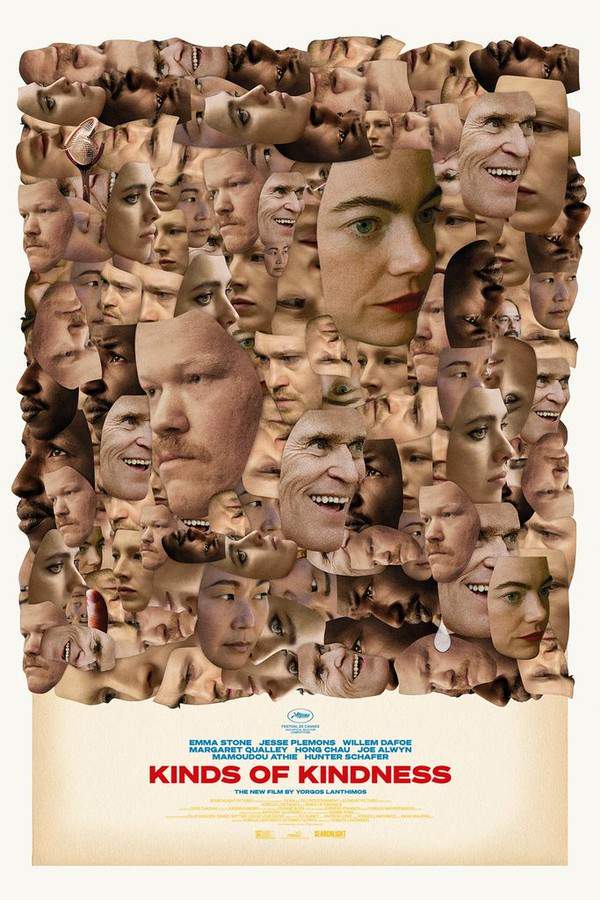
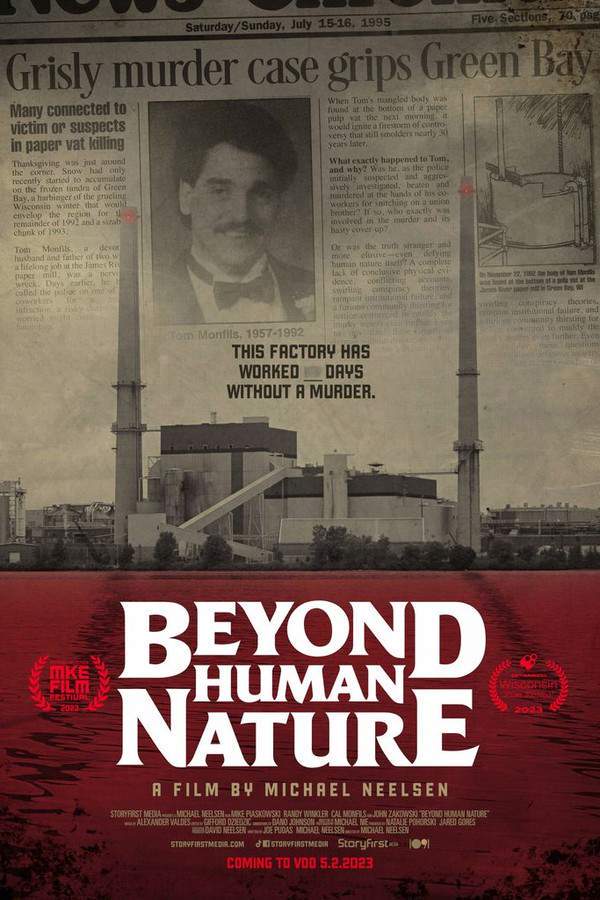
Films that critically examine the dark side of storytelling and creation. If you were intrigued by Storytelling's cynical look at storytelling, explore these films that also scrutinize the ethics of art. This collection features movies about creative dishonesty, exploitation, and the uncomfortable power dynamics between artists and their subjects, all with a similarly dark and provocative tone.

  • unsettling
  • cynical
  • critical
  • provocative
  • meta
  • intellectual
  • Tone: dark, cynical, provocative
  • Pacing: steady, methodical
Why these movies?

The story pattern: Narratives in this thread often involve an artist or documentarian whose quest for a compelling story leads them to cross ethical boundaries. The plot structure may be self-referential, questioning its own truthfulness, and the climax typically involves a moment of profound moral collapse or exposure, leaving the audience to grapple with their own complicity.

Why they belong together: Movies are grouped here based on their shared thematic focus on the dark side of creativity. They possess a critical, detached tone, a steady pacing that builds towards intellectual and emotional reckoning, and a complex structure that often mirrors the messy process of creation they are critiquing.
Bleak social satire and realist dramas like Storytelling

Stories that dissect societal flaws with a harsh, unforgiving light. For fans of Storytelling's harsh examination of social dynamics, this list features similar movies with a bleak realist tone. Discover films that explore themes of racial tension, power imbalance, and trauma, all presented with a steady pace, high emotional weight, and an ending that offers little comfort.

  • anxious
  • detached
  • unsettling
  • critical
  • social commentary
  • realist
  • Tone: dark, bleak, critical
  • Pacing: steady, deliberate
Why these movies?

The story pattern: These stories typically follow characters navigating flawed or exploitative social systems. The narrative arc is less about personal triumph and more about exposure and disillusionment. Plots build steadily towards a bleak conclusion that underscores the intractability of the social problems being examined, leaving a lasting sense of unease.

Why they belong together: These films are united by their commitment to a dark, realist tone and a heavy emotional weight derived from confronting difficult themes. They share a steady, deliberate pacing that allows societal critique to simmer and a narrative complexity that avoids simplistic answers, culminating in a bleak or ambiguous ending feel.

If you liked this

Movies Like Storytelling

Similar movies to Storytelling: the same genre, themes or kind of story. Each one comes with its own plot summary, timeline and ending explained.

Browse all movie summaries

Every angle

Storytelling (2002) Explained: Plot, Timeline & Characters

Everything about Storytelling in one place: what happens in the plot summary, the timeline in chronological order, the characters and meaning and a spoiler-free summary. What's After the Movie adds the cast, box office and post-credit scenes.

Coming soon on iOS and Android

The Plot Explained Movie Summary App

Plot summaries, endings explained and timelines on your phone. Catch up on any movie in minutes, save your favorites and never miss a twist again.

Be the first to know when we launch. Your email stays private, always.

Learn more about the app