Plot Explained Spoilers guaranteed!
Plot Explained

Browse by genre

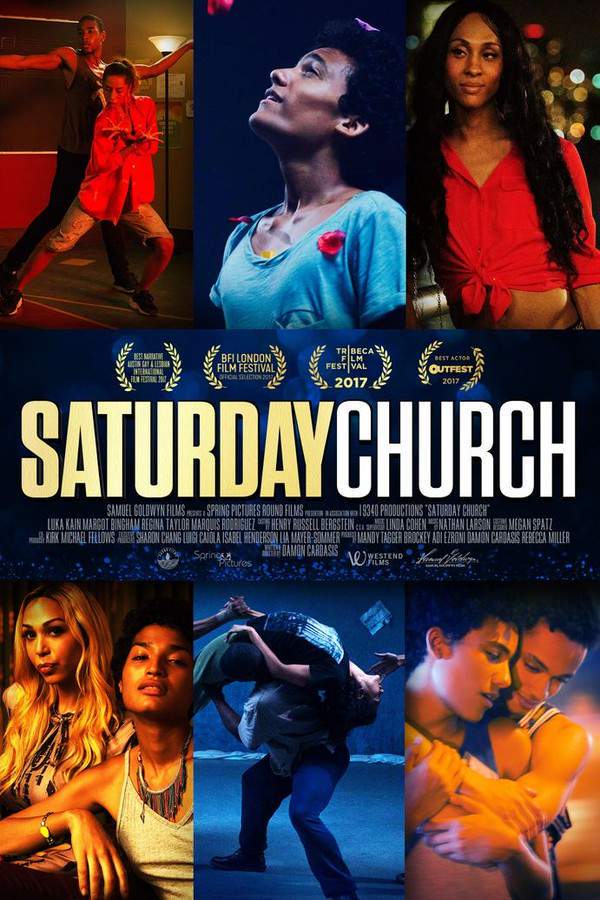
Saturday Church (2018) movie poster

Characters & Themes

Saturday Church (2018) Characters, Setting & Themes Explained

Release, runtime and language
2018 · 82 min · English
Echo score 75
Loading streaming availability…
Directed by
Damon Cardasis
Starring
Mj Rodriguez, Indya Moore, Peter Y. Kim, Margot Bingham, Regina Taylor, Evander Duck Jr.

A shy, grieving teenager named Ulysses struggles with adolescence and loss following his father's death. Seeking comfort, he immerses himself in dance and music, and unexpectedly discovers a supportive transgender community. This experience forces Ulysses to examine his own identity and face difficult decisions about self-acceptance and belonging, ultimately leading him on a journey of self-discovery.

On this page (9)
  1. 1 Where to watch
  2. 2 Characters explained (6)
  3. 3 Character relationship map
  4. 4 Where & when it takes place
  5. 5 Themes & meaning (3)
  6. 6 Character & meaning questions
  7. 7 Movie threads
  8. 8 Movies like Saturday Church
  9. 9 Every angle
Loading streaming availability…

6 main characters · contains spoilers

Saturday Church Characters Explained: Who Is Who

The main characters of Saturday Church (2018), heroes and villains: what drives them, how they change over the course of the story and what each of them reveals about the film's bigger ideas.

  • Ulysses

    played by Luka Kain

    Ulysses is a fourteen-year-old navigating the complexities of adolescence and identity after the death of his father. He grapples with bullying at school and the oppressive expectations of his Aunt Rose. As he discovers the vibrant world of voguing and finds support at Saturday Church, Ulysses grows into his authentic self, embodying courage and resilience.

    • 🌟 Protagonist
    • 🏳️‍🌈 LGBTQ
    • 💪 Resilient
  • Amara

    played by Margot Bingham

    Amara is Ulysses's mother, who deeply cares for her son despite the challenges of her own. She represents unconditional love and support, standing up to her sister-in-law Rose to protect Ulysses. Amara's journey reflects the struggles of a parent trying to accept and understand their child's identity.

    • ❤️ Mother
    • 🌈 Supportive
    • 😌 Understanding
  • Aunt Rose

    played by Regina Taylor

    Aunt Rose is a strict and traditional figure in Ulysses's life, often expressing disapproval of his identity. Her harshness reflects the societal pressures to conform and the internal conflicts within families regarding LGBTQ acceptance. Although her intentions may stem from concern, she represents the challenges Ulysses faces at home.

    • 🚫 Traditional
    • ⚖️ Conflict
    • 🏠 Guardian
  • Ebony

    played by Indya Moore

    Ebony is a vital figure in Ulysses's journey, embodying strength and community. As part of the welcoming group at Saturday Church, she plays a key role in helping Ulysses explore his identity. Her character represents acceptance and the power of friendships in discovering one's true self.

    • 👭 Friend
    • 🌈 LGBTQ
    • 💪 Empowering
  • Dijon

    played by Indya Moore

    Dijon is a character who contributes to the vibrant atmosphere of Saturday Church. He serves as a mentor and friend to Ulysses, helping him navigate his journey of self-exploration. Through his interactions, he encourages acceptance and confidence in one's identity.

    • 🤗 Mentor
    • 🌈 Supportive
    • 🏳️‍🌈 Inclusive
  • Raymond

    played by Marquis Rodriguez

    Raymond is a friend who develops feelings for Ulysses, complicating their relationship as they both explore their identities. His character illustrates the delicate nature of budding relationships among youth in the LGBTQ community, emphasizing themes of love and vulnerability.

    • ❤️ Love Interest
    • 🌈 Friend
    • 🤝 Supportive

Last updated: October 27, 2026 at 12:25

Was this helpful?

4 characters · 4 connections · contains spoilers

Saturday Church Character Relationship Map

Who is connected to whom in Saturday Church: family, love, friendships, rivalries and hidden ties, colour-coded. Pick a character to see their side of the story, or a connection to see what brings two characters together.

How much of the story to show
UUlyssesLuka KainAAmaraMargot BinghamARAunt RoseRegina TaylorRRaymondMarquis Rodriguez

Last updated: October 27, 2026 at 12:25

Was this helpful?

Setting

Where and When Does Saturday Church Take Place?

The setting of Saturday Church (2018): the year and time period, the places and locations, and how they shape the characters, the mood and the tension of the story.

Time period

The film captures a contemporary era where social issues related to identity and acceptance are at the forefront. Ulysses's journey is reflective of the ongoing struggles faced by many adolescents today, particularly within the LGBTQ community. The narrative highlights themes of resilience and self-acceptance amid societal pressures.

Location

City, Saturday Church, Homeless Shelter

The movie unfolds in a bustling urban environment, depicting the everyday struggles and joys of city life. Saturday Church serves as a sanctuary for LGBTQ youth, providing them with food, shelter, and a sense of belonging. The homeless shelter represents the harsh realities faced by many, yet it also becomes a place of self-discovery and support.

  • 🏙️ Urban
  • 🍽️ Community
  • 🏠 Shelter

Last updated: October 27, 2026 at 12:25

Was this helpful?

3 major themes

Saturday Church Meaning: Themes & Message Explained

What is Saturday Church (2018) really about? The emotional, social and philosophical themes the film keeps returning to, its symbolism and the message beneath the surface.

  • Identity

    The film explores the theme of identity, particularly within the LGBTQ context. Ulysses's journey of self-discovery leads him to embrace his true self despite external pressures. It illustrates the importance of finding community and self-acceptance in a world that often marginalizes individuality.

  • Community

    Community plays a crucial role in Ulysses's journey, particularly through the safe space of Saturday Church. The connections he forms with others like Ebony, Dijon, and Raymond provide him with support and encouragement. This highlights the significance of solidarity and acceptance among marginalized groups.

  • Struggle

    Ulysses’s story is one of struggle against bullying and familial rejection due to his identity. The film poignantly depicts the emotional turmoil that accompanies adolescence, particularly for LGBTQ youth facing societal and familial pressures. Yet, through these challenges, Ulysses learns to embrace his true self.

Last updated: October 27, 2026 at 12:25

Was this helpful?

Character & theme questions

Saturday Church Characters & Meaning: Your Questions Answered

The questions people ask about Saturday Church (2018): who the characters really are, their relationships, what the symbols mean, where it takes place and what the movie is really about. Each answer contains spoilers.

Q1

Where is the movie set?

Saturday Church takes place in a bustling urban city environment. The story centers around two key locations: the homeless shelter where Ulysses lives with his aunt, and Saturday Church itself, which serves as a sanctuary for LGBTQ youth, providing them with food, shelter, and a sense of community.

  • setting
  • location
  • urban
  • city
  • saturday church
  • homeless shelter
Q2

What does Saturday Church represent in the story?

Saturday Church represents a vital safe space for LGBTQ youth facing homelessness and rejection. It serves as both a physical shelter and a metaphorical sanctuary where young people can express their true selves through dance, music, and mutual support, free from judgment.

  • saturday church
  • safe space
  • lgbtq community
  • sanctuary
  • support
Q3

What are the main themes of the movie?

The film explores three interconnected themes: Identity, as Ulysses discovers and embraces his authentic self; Community, highlighting the support found at Saturday Church through friendships with Ebony, Dijon, and Raymond; and Struggle, depicting the emotional challenges of bullying, familial rejection, and societal pressures faced by LGBTQ youth.

  • themes
  • identity
  • community
  • struggle
  • lgbtq
  • self-acceptance
Q4

Who is Aunt Rose and what role does she play?

Aunt Rose is Ulysses's strict and traditional aunt who cares for him after his father's death. She represents the societal pressure to conform and the difficult reality that many LGBTQ youth face within their own families. Her disapproval of Ulysses's identity creates central tension in the film, though her character highlights the complex nature of familial rejection.

  • aunt rose
  • family
  • rejection
  • tradition
  • conflict
Q5

Who is Ebony and what is her significance?

Ebony is a key figure at Saturday Church who plays a vital role in Ulysses's journey of self-discovery. She embodies strength and community, helping Ulysses explore his identity through the vibrant world of voguing. Her character represents the power of acceptance and friendship in helping marginalized youth find their true selves.

  • ebony
  • mentor
  • voguing
  • saturday church
  • acceptance
Q6

How does the movie address identity?

The film centers on identity exploration through Ulysses's journey of self-discovery after his father's death. As he navigates adolescence, bullying, and familial pressure, he finds solace in the LGBTQ community at Saturday Church. The movie illustrates how finding community and self-acceptance empowers him to embrace his true self despite external marginalization.

  • identity
  • self-discovery
  • lgbtq
  • self-acceptance
  • adolescence
Q7

Who is Raymond and what is his relationship with Ulysses?

Raymond is a friend of Ulysses at Saturday Church who develops romantic feelings for him. Their relationship illustrates the delicate nature of budding relationships among LGBTQ youth, adding themes of love and vulnerability to the narrative while showing how peers can support each other through shared experiences.

  • raymond
  • relationship
  • romance
  • friendship
  • lgbtq youth
Q8

What time period does the film take place in?

Saturday Church is set in a contemporary era, reflecting the ongoing social issues surrounding identity and acceptance that many adolescents face today, particularly within the LGBTQ community. The film does not specify an exact year, focusing instead on modern-day struggles and resilience.

  • time period
  • contemporary
  • modern
  • era
  • present day
Q9

What role does community play in Ulysses's journey?

Community is central to Ulysses's transformation. At Saturday Church, he forms supportive connections with Ebony, Dijon, and Raymond, who help him navigate his identity. These relationships provide emotional support, mentorship, and encouragement, demonstrating how solidarity among marginalized groups can foster self-acceptance and belonging.

  • community
  • support
  • friendship
  • solidarity
  • belonging
  • saturday church
Q10

Who is Ulysses and what is his story about?

Ulysses is a fourteen-year-old boy grieving his father's death who struggles with adolescence, bullying, and pressure from his Aunt Rose. Through discovering voguing and finding a supportive community at Saturday Church, he embarks on a journey of self-discovery, ultimately learning to embrace his true identity amid challenges of rejection and homelessness.

  • ulysses
  • protagonist
  • grief
  • identity
  • self-discovery
  • voguing
Q11

What is the emotional tone of the film?

The film balances heavy themes like grief, bullying, and homelessness with hopeful and uplifting moments of community and self-expression. While it deals with emotional weight through parental death and homophobic bullying, the narrative arc moves toward self-acceptance and reconciliation, culminating in a positive, hopeful ending.

  • tone
  • emotional
  • hopeful
  • grief
  • bullying
  • ending
  • mood

Movie threads

More Movies Like Saturday Church, by Mood & Story

Curated lists built around what makes Saturday Church tick: the same mood, the same kind of story or the same emotional payoff. Each list explains why these movies belong together.

Movies about artistic self-discovery like Saturday Church

Stories where artistic expression helps marginalized characters find their voice and a place to belong. If you liked the journey of self-acceptance in Saturday Church, this thread features similar movies where characters use art and performance to overcome adversity. Discover other hopeful dramas and musicals about finding your voice and a found family.

  • cathartic
  • hopeful
  • introspective
  • uplifting
  • dreamlike
  • tense
  • Tone: hopeful, cathartic
  • Pacing: steady, character-driven
Why these movies?

The story pattern: The narrative typically centers on a protagonist grappling with grief, societal rejection, or internal conflict. Their entry into an artistic world offers an escape and a new language for self-expression. The journey involves navigating tense conflicts with their old life while finding strength and belonging in a new community, culminating in a moment of triumphant self-realization.

Why they belong together: These movies are grouped by their shared focus on the transformative power of art, the emotional arc from isolation to community, and a tone that balances heavy themes with a fundamentally hopeful and uplifting spirit. They resonate with viewers seeking stories of personal liberation.


Hopeful LGBTQ+ coming-of-age stories like Saturday Church

Emotional stories of young LGBTQ+ individuals finding courage and community against the odds. Fans of Saturday Church's portrayal of a teenager's gender identity journey will find similar films here. Explore movies like Saturday Church that blend emotional weight with a hopeful tone, focusing on LGBTQ+ self-discovery, found family, and the struggle for acceptance.

  • hopeful
  • introspective
  • tense
  • cathartic
  • emotional
  • isolated
  • Tone: hopeful, tense, introspective
  • Pacing: steady, linear
Why these movies?

The story pattern: The plot follows a protagonist questioning their identity while facing external pressures like homophobia or transphobia. A pivotal discovery of a supportive community—a 'found family'—provides a safe space for exploration. The central conflict involves choosing between conformity and authenticity, with the narrative arc consistently moving toward a positive resolution of self-acceptance.

Why they belong together: These films share a specific thematic core—LGBTQ+ identity formation—and a distinct emotional blend: they tackle heavy, real-world struggles but are ultimately guided by a hopeful, life-affirming tone. The pacing is often steady, focusing on internal growth and emotional milestones rather than frantic plot twists.

If you liked this

Movies Like Saturday Church

Similar movies to Saturday Church: the same genre, themes or kind of story. Each one comes with its own plot summary, timeline and ending explained.

Browse all movie summaries

Every angle

Saturday Church (2018) Explained: Plot, Timeline & Characters

Everything about Saturday Church in one place: what happens in the plot summary, the timeline in chronological order, the characters and meaning and a spoiler-free summary. What's After the Movie adds the cast, box office and post-credit scenes.

Coming soon on iOS and Android

The Plot Explained Movie Summary App

Plot summaries, endings explained and timelines on your phone. Catch up on any movie in minutes, save your favorites and never miss a twist again.

Be the first to know when we launch. Your email stays private, always.

Learn more about the app