














Plot Explained Spoilers guaranteed!
Plot Explained

Browse by genre

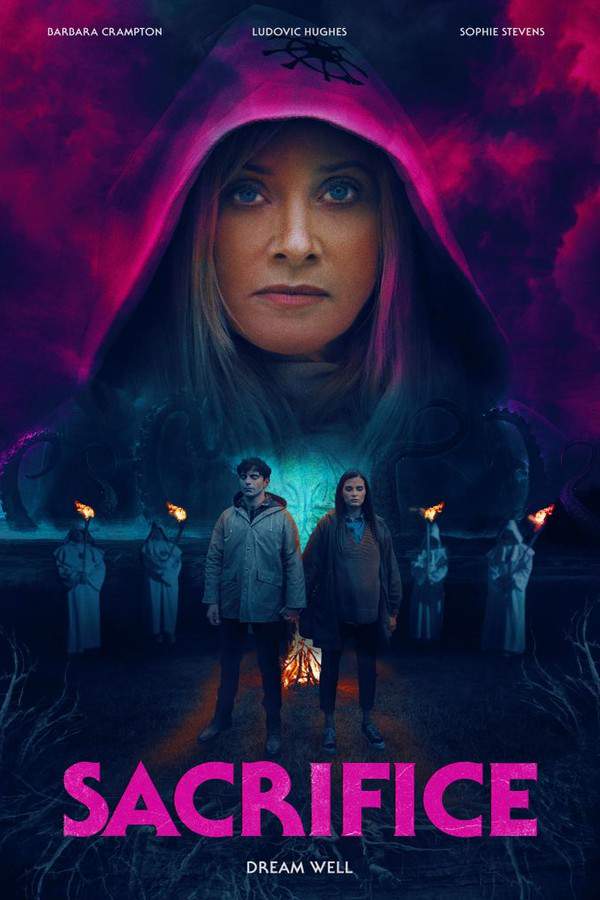
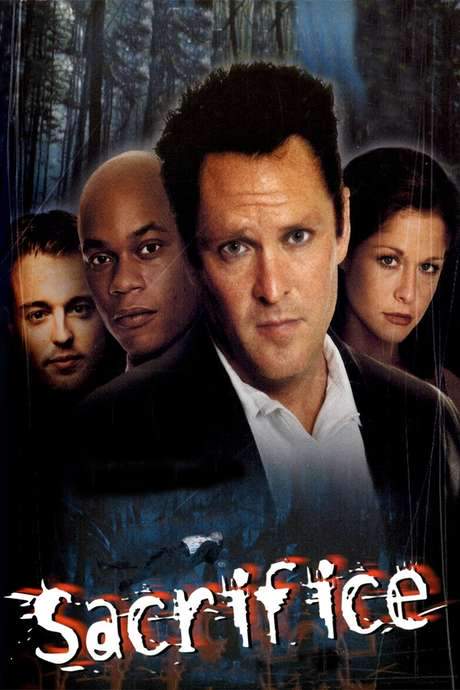
Sacrifice (2012) movie poster

Timeline

Sacrifice (2012) Timeline Explained – Every Event in Order

Release, runtime and language
2012 · 122 min · English
JustWatch #18,836 8
Directed by
Kaige Chen
Starring
You Ge, Bingbing Fan, Xiaoming Huang, Xueqi Wang

An undercover agent's life takes a dramatic turn when he's tasked with protecting a young girl whose brother is on the run from a dangerous heroin ring. He finds himself balancing his perilous mission with the unexpected responsibility of caring for her, all while facing escalating threats from those who will do anything to protect their operation. He must confront a web of deceit and violence to ensure her safety and deliver justice.

On this page (6)
  1. 1 Where to watch
  2. 2 Events in order (14)
  3. 3 Timeline questions answered
  4. 4 Movie threads
  5. 5 Movies like Sacrifice
  6. 6 Every angle

Where to watch

Where to Watch Sacrifice (2012)

Where can you watch Sacrifice? Stream, rent or buy it in the US, including on Amazon Prime Video, fuboTV and Fawesome: current JustWatch availability with up-to-date prices.

Streaming availability powered by JustWatch

14 events in order · contains spoilers

Sacrifice Timeline: Events in Chronological Order

Every key event of Sacrifice (2012) in order, scene by scene, with when and where it takes place. Use it to untangle flashbacks, time jumps and parallel storylines, to refresh your memory before the sequel or to find the exact scene you are thinking of.

  1. Introduction to Bobby Fischer

    The film begins by setting a tense atmosphere during the World Chess Championship match in Reykjavík, Iceland. It showcases Bobby Fischer's intense struggles and mental challenges as he prepares to face off against Boris Spassky.

    Where
    Reykjavík, Iceland
  2. Bobby's Early Years

    After the initial glimpse into the championship, the narrative shifts to Bobby Fischer's childhood in Brooklyn. It illustrates the environment that shaped his character, including his struggles and early introduction to chess.

    Where
    Brooklyn, New York
  3. Rise to Prominence

    As Fischer's talent begins to flourish, the film chronicles his ascent in the chess world. His victories in various national and international tournaments start to capture the attention of the chess community and beyond.

  4. The Cold War Context

    The film emphasizes the tense backdrop of the Cold War during Fischer's journey. This historic rivalry becomes a crucial factor in the pressure he faces as an American player pitted against the Soviet champion Spassky.

  5. First Contact with Spassky

    Bobby Fischer's first encounter with Boris Spassky is depicted, highlighting the stark contrast between the two players. This meeting sets the stage for the fierce competition that is to come, as the psychological battle begins to brew.

  6. Support from Father Bill Lombardy

    Father Bill Lombardy, portrayed by Peter Sarsgaard, enters Fischer's life as a critical support figure. His mentorship and guidance become instrumental as Fischer navigates the tumultuous waters of competition and mental strain.

  7. Preparing for the Championship

    Bobby Fischer undergoes rigorous preparation for his championship match against Spassky. The psychological pressure mounts, showcasing his obsessive nature and the impact of his mental state on his gameplay.

  8. The Championship Begins

    The World Chess Championship officially begins, filled with high drama and intense competition. The cameras roll, capturing the world's attention as Fischer and Spassky engage in a battle of wits on the chessboard.

    Where
    Reykjavík, Iceland
  9. First Games and Tensions Rise

    As the first games unfold, tension rises between the two competitors. Fischer's eccentric behavior and strategic gameplay create both intrigue and anxiety, leading audiences to speculate on the outcome.

  10. Turning Point of the Match

    A pivotal moment occurs in the match as Fischer experiences a breakthrough. His unique strategies and relentless determination begin to turn the tides in his favor against the seemingly invincible Spassky.

  11. Culmination of Tension

    As Fischer's confidence grows, the culmination of psychological warfare intensifies. Spassky feels the pressure mounting, leading to increased stakes and a critical examination of both players' resolve.

  12. Victory and Recognition

    Bobby Fischer ultimately claims victory in the championship, making history as the first American to win the World Chess Championship title. This monumental accomplishment solidifies his status as a chess prodigy internationally.

    Where
    Reykjavík, Iceland
  13. Aftermath of the Championship

    Following his victory, Fischer's mental health begins to decline, reflecting the pressures of fame and expectations. The film juxtaposes his incredible achievement with the beginnings of his personal struggles.

  14. Legacy of a Chess Genius

    The film concludes by reflecting on Bobby Fischer's lasting impact on the world of chess. His genius and the narrative of his life serve as both an inspiration and a cautionary tale about the complexities of fame.

Last updated: October 25, 2024 at 11:39

Was this helpful?

Timeline questions answered

Sacrifice Timeline Explained: Your Questions Answered

When does it happen, and why in that order? The questions people ask about the chronology of Sacrifice (2012): time jumps, flashbacks, cause and effect between scenes and the correct order of events, each answered with spoilers.

Q1

Why was beating Boris Spassky so important to Bobby Fischer?

Beating Spassky represented far more than a personal victory for Fischer. As the Soviet champion and current world title holder, Spassky symbolized Soviet dominance in chess, a domain they had controlled for decades. Fischer saw defeating him as proving American superiority in intellectual competition during the Cold War, transforming the chess match into a geopolitical showdown between the United States and the Soviet Union.

Foreshadowing: Fischer's intense nationalism and desire to defeat the Soviet chess machine were established early in his career.

  • boris spassky
  • world chess championship
  • cold war
  • american vs soviet
Q2

What caused Bobby Fischer's mental breakdown?

Fischer's mental deterioration stemmed from a combination of factors that accumulated over years. The immense psychological pressure of representing the United States against the Soviet Union, his obsessive perfectionism, paranoia about Soviet conspiracies, and the toll of constant competition gradually eroded his mental stability. The pressure peaked during the championship match itself, and his mental state continued to decline dramatically after his victory.

Foreshadowing: The film shows Fischer's increasing eccentricities and paranoid behavior escalating as the championship progressed.

  • mental illness
  • paranoia
  • psychological breakdown
  • pressure
Q3

How did the Cold War influence the 1972 World Chess Championship?

The Cold War transformed the Fischer-Spassky match into a proxy battle between superpowers. The U.S. government secretly funded Fischer's travel and training, viewing his potential victory as proof of American intellectual superiority. The Soviet Union applied pressure on Spassky to win, making the championship about national prestige rather than just chess. The intense media coverage reflected this geopolitical tension, with millions watching to see which ideology would prevail.

Foreshadowing: Early scenes establish the political stakes, showing government officials monitoring Fischer's progress.

  • cold war
  • geopolitics
  • soviet union
  • usa
  • world championship
Q4

Why did Bobby Fischer's health decline after winning the championship?

Fischer's decline after winning was not immediate but accumulated over years. His paranoid beliefs intensified, he became increasingly reclusive, and he struggled with the pressures of fame and expectations. Unable to cope with the spotlight and his own perceived threats, he eventually withdrew from public life. The weight of carrying American hopes during the Cold War, combined with his pre-existing psychological vulnerabilities, led to a tragic descent into isolation and mental illness.

Foreshadowing: The film foreshadows this decline by showing Fischer's fragile mental state even during his greatest triumph.

  • fame
  • mental health
  • decline
  • isolation
  • victory
Q5

Who was Father Bill Lombardy and why was he important to Fischer?

Father Bill Lombardy was a Catholic priest and former chess champion who served as Fischer's confidant and support system during the championship. He helped manage Fischer's emotional volatility, mediated between Fischer and tournament organizers, and provided the stability Fischer desperately needed. Lombardy's presence was crucial in helping Fischer navigate the intense pressure of the match when other advisors had failed.

Foreshadowing: Lombardy enters the story as a stabilizing force precisely when Fischer's behavior becomes most unpredictable.

  • bill lombardy
  • support
  • mentor
  • chess champion
Q6

Why was Fischer so demanding about the match conditions in Reykjavik?

Fischer's demands about the match conditions stemmed from his paranoia and his desire to gain any possible advantage. He insisted on specific lighting, camera placement, and scheduling that he believed would disrupt Spassky's routine. Some demands appeared irrational, but they also reflected Fischer's meticulous psychological warfare strategy. His erratic behavior was partly calculated and partly a manifestation of his deteriorating mental state.

Foreshadowing: Fischer's earlier eccentricities and perfectionism set the stage for these increasingly unusual demands.

  • reykjavik
  • match conditions
  • demands
  • eccentricity
Q7

What made Bobby Fischer different from other chess players?

Fischer was renowned for his revolutionary approach to chess. He brought unprecedented creativity and aggression to the game, developing innovative opening variations that challenged established theory. His ability to calculate complex positions rapidly and his photographic memory made him formidable. Unlike the methodical Soviet school of chess, Fischer played with a spontaneity and fighting spirit that captivated audiences and changed how chess was perceived as a competitive sport.

Foreshadowing: His unique style was evident in his early tournament victories, foreshadowing his eventual breakthrough against Soviet dominance.

  • chess style
  • innovation
  • genius
  • strategy
  • opening theory
Q8

Why did Fischer initially refuse to play in the championship?

Fischer nearly withdrew from the championship over disputes about match conditions and prize money. He demanded changes to the venue and schedule that organizers considered unreasonable. His erratic behavior and threats to quit created months of negotiations. This drama heightened the tension leading up to the match, with many believing Fischer might not even show up in Reykjavik.

Foreshadowing: Early tension around Fischer's willingness to compete sets up the suspense of whether he would actually play.

  • refusal
  • negotiations
  • prize money
  • venue
Q9

How did Fischer's childhood in Brooklyn shape his chess career?

Fischer grew up in a difficult environment in Brooklyn, raised by his mother Regina after his father left the family. His early isolation and lack of social connections led him to chess as a refuge where he could control the outcome. His mother recognized his talent and nurtured it, while his competitive nature developed from always needing to prove himself. This background created both his fierce independence and his inability to cope with perceived betrayals.

Foreshadowing: The film establishes his difficult upbringing as the foundation for his later psychological struggles.

  • brooklyn
  • childhood
  • mother
  • upbringing
  • isolation
Q10

What was the significance of Fischer being the first American to win the World Chess Championship?

Fischer's victory broke a 24-year Soviet stranglehold on the world chess title, which had been held by Russians since 1948. It was the first time an American had ever won the championship, making Fischer a national hero overnight. The win was portrayed as an American triumph over Soviet dominance during the Cold War, elevating chess popularity in the United States and proving that an individual could defeat the entire Soviet chess machine.

Foreshadowing: The film establishes Soviet chess dominance early, emphasizing how unprecedented Fischer's achievement would be.

  • first american
  • world champion
  • soviet dominance
  • historic victory

Movie threads

More Movies Like Sacrifice, by Mood & Story

Curated lists built around what makes Sacrifice tick: the same mood, the same kind of story or the same emotional payoff. Each list explains why these movies belong together.

Guardian Under Fire stories like in Sacrifice

A lone protector's dangerous mission becomes a deeply personal crusade. If you enjoyed the high-stakes protection dynamic in Sacrifice, this thread features movies where a guarded individual's mission becomes a personal fight for survival. Discover similar tense dramas about undercover agents and reluctant guardians forming unexpected bonds while facing extreme danger.

  • tense
  • anxious
  • high-stakes
  • focused
  • protective
  • moral dilemma
  • Tone: tense, morally complex
  • Pacing: steady, escalating
Why these movies?

The story pattern: The narrative typically starts with a professional obligation that introduces a vulnerable ward. As threats escalate, the protector's emotional investment deepens, transforming the mission from a job into a profound personal struggle against a powerful, often shadowy, antagonist.

Why they belong together: Movies in this thread share a core dynamic of a protector-ward relationship forged in fire. They blend high external tension with a heavy emotional weight, focusing on sacrifice, moral courage, and the unexpected bonds that form under extreme pressure.

Bittersweet victory movies with heavy costs like Sacrifice

Stories where a hard-won victory is shadowed by profound personal loss. For viewers who appreciated the complex, bittersweet ending of Sacrifice, this collection features films where success comes with a deep personal price. Explore similar dramatic stories of missions accomplished but souls scarred, blending triumph with tragedy.

  • bittersweet
  • tragic
  • melancholic
  • weighty
  • thought-provoking
  • sacrifice
  • Tone: bittersweet, tragic, melancholic
  • Pacing: steady, character-driven
Why these movies?

The story pattern: The narrative builds towards a climactic victory—completing a mission, winning a competition, or achieving a goal. However, the journey to that success exacts a heavy toll, often involving personal loss, moral compromise, or psychological damage, resulting in an ending that is simultaneously victorious and hollow.

Why they belong together: These films are united by their emotionally complex conclusions. They deliver on the central narrative promise but subvert a purely happy ending by exploring the collateral damage of the struggle, creating a powerful and resonant bittersweet feeling.

If you liked this

Movies Like Sacrifice

Similar movies to Sacrifice: the same genre, themes or kind of story. Each one comes with its own plot summary, timeline and ending explained.

Browse all movie summaries

Every angle

Sacrifice (2012) Explained: Plot, Timeline & Characters

Everything about Sacrifice in one place: what happens in the plot summary, the timeline in chronological order, the characters and meaning and a spoiler-free summary. What's After the Movie adds the cast, box office and post-credit scenes.

Coming soon on iOS and Android

The Plot Explained Movie Summary App

Plot summaries, endings explained and timelines on your phone. Catch up on any movie in minutes, save your favorites and never miss a twist again.

Be the first to know when we launch. Your email stays private, always.

Learn more about the app