

Plot Explained Spoilers guaranteed!
Plot Explained

Browse by genre

Ruler (2019) movie poster

Characters & Themes

Ruler (2019) Characters, Setting & Themes Explained

Release, runtime and language
2019 · 150 mins · Telugu
Directed by
K. S. Ravikumar
Starring
Prakash Raj, Sonal Chauhan, Bhumika Chawla, Raghu Babu, Sayaji Shinde, Raghu Karumanchi

After saving a stranger's life, a wealthy businessman impulsively decides to adopt her. However, she carries a mysterious past that threatens to ensnare him. As she strives to protect him from the dangers lurking in her past, he finds himself facing difficult choices and confronting events from his own life.

On this page (7)
  1. 1 Where to watch
  2. 2 Characters explained (8)
  3. 3 Where & when it takes place
  4. 4 Themes & meaning (4)
  5. 5 Character & meaning questions
  6. 6 Movie threads
  7. 7 Every angle

Where to watch

Where to Watch Ruler (2019)

Where can you watch Ruler? Stream, rent or buy it in the US, including on Sun Nxt: current JustWatch availability with up-to-date prices.

Streaming availability powered by JustWatch

8 main characters · contains spoilers

Ruler Characters Explained: Who Is Who

The main characters of Ruler (2019), heroes and villains: what drives them, how they change over the course of the story and what each of them reveals about the film's bigger ideas.

  • Dharma / Arjun Prasad (Nandamuri Balakrishna)

    A formidable police officer who embodies justice and protects the village from corruption. He is the son of Seetaramaiah, whose legacy guides his sense of duty toward farmers' rights. After a memory loss, he returns as Arjun Prasad, an IT magnate, and gradually fights to reclaim his identity and defend Niranjana Prasad. His arc fuses personal memory with public leadership, showing how strong will can unite a divided community.

    • 💪 Heroic
    • 🛡️ Protector
    • 🎯 Determined
  • Niranjana Prasad (Bhumika Chawla)

    Daughter of Veerandranath Tagore who defies caste norms by marrying a lower-caste man. She endures threats and violence while becoming a central figure in guarding the land and her family. Her resilience sustains the community’s trust in Dharma, and she bears the child who carries Dharma’s legacy. Her choices anchor the emotional core of the story.

    • 🤝 Equality
    • 💔 Resilient
    • 🧭 Determined
  • Sarojini Naidu (Jayasudha)

    A business tycoon who adopts the amnesiac stranger and grants him a new identity as Arjun Prasad. She navigates threats from Durga Prasad’s circle and witnesses Dharma’s emergence as a shield for the vulnerable. Ultimately she moves on with Harika, recognizing Dharma’s public duty supersedes personal empire-building.

    • 💼 Power
    • 🧭 Mentor
    • 🤝 Patronage
  • Veerandranath Tagore (Prakash Raj)

    Agricultural Minister who seeks to eradicate hunger by leasing land to farmers, yet is entangled in family politics with Bhavaninath Tagore. He represents well-meaning policy overshadowed by rivalries and manipulation. His death at the hands of Bhavaninath marks a turning point in the farmers’ struggle and the policy’s fate.

    • 🏛️ Politics
    • 💔 Tragic
    • 💡 Reform
  • Bhavaninath Tagore (Parag Tyagi)

    Younger brother of Veerandranath Tagore and the principal antagonist. He uses racism and political maneuvering to undermine the land lease and retaliate against Niranjana. His violence against the wedding party and his attempts to kill Niranjana drive the central conflict toward a climactic confrontation with Dharma.

    • ⚡ Villain
    • 🗳️ Politics
    • 💢 Racism
  • Seetaramaiah (Nagineedu Vellanki)

    The wise leader of 500 farmers who orchestrates the community’s response to land policy. His guidance inspires collective action and frames the farmers’ struggle as a fight for dignity and sustenance. He is the moral compass behind the leasing plan that anchors the plot’s social fabric.

    • 🧭 Leader
    • 🌾 Wisdom
    • 🤝 Unity
  • Sandhya (Vedhika)

    The former love interest of Arjun who later files a complaint when a judiciary committee is appointed, only to be silenced by Bhavaninath Tagore’s intimidation. Her arc highlights the vulnerability of those who challenge power and the courage required to speak truth. She remains a symbol of resistance against oppressive authority.

    • 💔 Romance
    • ⚖️ Justice
    • 🧪 Revelation
  • Arnold (Raghu Karumanchi)

    A henchman for Bhavaninath Tagore who enforces the antagonist’s will through intimidation and violence. He represents the brute force that the protagonists must confront to secure land and justice for the villagers. His presence escalates the stakes and reinforces the tyranny of corrupted political power.

    • 🗡️ Enforcer
    • 💣 Threat
    • 🧨 Opposition

Last updated: February 17, 2026 at 16:49

Was this helpful?

Setting

Where and When Does Ruler Take Place?

The setting of Ruler (2019): the year and time period, the places and locations, and how they shape the characters, the mood and the tension of the story.

Time period

1987–early 1990s

Set in 1987, the film traces the late 1980s into the early 1990s, a period of political churn and social change in northern India. The era features aggressive land policies, hunger alleviation efforts, and rising private enterprise. These dynamics frame the clash between traditional village authority and new economic forces.

Location

Uttar Pradesh, Combined Andhra Pradesh

The story unfolds mainly in the rural heartland of Uttar Pradesh, where agrarian life meets political maneuvering. It also follows farmers from Combined Andhra Pradesh who are drawn into a state-sponsored land lease program. The setting contrasts village life with ambitions of industrial peoples, highlighting social tensions and reforms.

  • ❄️ Rural
  • 🎭 Drama
  • 🏛️ Politics

Last updated: February 17, 2026 at 16:49

Was this helpful?

4 major themes

Ruler Meaning: Themes & Message Explained

What is Ruler (2019) really about? The emotional, social and philosophical themes the film keeps returning to, its symbolism and the message beneath the surface.

  • Justice

    Dharma emerges as a force for justice, protecting villagers from exploitation by corrupt politicians. The narrative ties personal courage to collective rights, showing how law and community action interlock. Justice in the film is both a private duty and a public beacon that inspires villagers to claim their rights. The arc demonstrates how rightful leadership can unite a fractured community.

  • Agrarian Reform

    The plot centers on a government land lease intended to empower farmers, which is corrupted by powerful interests led by Bhavaninath Tagore. Farmers rally around their leaders and demand fair enforcement of policy and land rights. The policy becomes a litmus test for integrity in governance and for the villagers’ ability to reclaim their livelihoods. Reform is portrayed as a collective struggle rather than a single victory.

  • Memory & Identity

    The amnesia arc drives the narrative, as Dharma loses his memory and re-emerges as Arjun Prasad with a new identity. The mystery of who he is becomes central to his sense of duty and to the villagers’ fate. Recollection unlocks a moral compass that guides him back to his past and to the people who depend on him. Memory thus becomes the bridge between personal redemption and social responsibility.

  • Caste & Equality

    Niranjana Prasad’s marriage to a lower-caste man challenges entrenched social norms and political calculations. The story uses this relationship to critique caste-driven politics and highlight humanism over prejudice. The narrative shows communities choosing solidarity over segregation when faced with hunger and injustice. Equality emerges as a practical necessity for social cohesion and progress.

Last updated: February 17, 2026 at 16:49

Was this helpful?

Character & theme questions

Ruler Characters & Meaning: Your Questions Answered

The questions people ask about Ruler (2019): who the characters really are, their relationships, what the symbols mean, where it takes place and what the movie is really about. Each answer contains spoilers.

Q1

Where does the story take place?

The film is set primarily in the rural heartland of Uttar Pradesh, where agrarian life intersects with political maneuvering. It also follows farmers from Combined Andhra Pradesh who participate in a government land lease program. The setting contrasts traditional village life with industrial ambitions, highlighting social tensions and reforms.

  • Uttar Pradesh
  • Andhra Pradesh
  • rural setting
  • village
  • politics
Q2

What time period does the movie cover?

Set in 1987, the film spans into the early 1990s, depicting a period of political churn and social change in northern India. The era features aggressive land policies, hunger alleviation efforts, and rising private enterprise, framing the clash between traditional village authority and new economic forces.

  • 1987
  • 1990s
  • time period
  • India
  • political era
Q3

What are the main themes explored in the movie?

The film explores several interconnected themes: Justice, where law and community action protect villagers from exploitation; Agrarian Reform, centering on a government land lease program corrupted by powerful interests; Memory and Identity, as the protagonist loses his memory and must reclaim his sense of duty; and Caste and Equality, shown through a relationship that defies caste norms to challenge entrenched prejudice.

  • justice
  • agrarian reform
  • memory
  • identity
  • caste
  • equality
  • themes
Q4

Who is Dharma and what is his role?

Dharma is a formidable police officer who embodies justice and protects the village from corruption. He is the son of Seetaramaiah and serves as a leader defending farmers' rights. After suffering memory loss, he returns as Arjun Prasad, an IT magnate, and must reclaim his identity to fight for the community. His arc fuses personal memory with public leadership, showing how strong will can unite a divided community.

  • Dharma
  • Arjun Prasad
  • police officer
  • protagonist
  • memory loss
Q5

Who is Bhavaninath Tagore and what role does he play?

Bhavaninath Tagore is the film's principal antagonist and the younger brother of Agricultural Minister Veerandranath Tagore. He uses racism and political maneuvering to undermine the land lease program and retaliate against Niranjana, who married a lower-caste man. His violence against the wedding party and attempts to kill Niranjana drive the central conflict, representing the corruption of power that the protagonist must confront.

  • Bhavaninath Tagore
  • antagonist
  • villain
  • corruption
  • political power
Q6

What is the land lease program about in the story?

The government land lease program is intended to empower farmers by providing them land to cultivate. However, powerful interests led by Bhavaninath Tagore corrupt the policy for personal gain. Farmers rally around their leaders to demand fair enforcement of the policy and reclaim their livelihoods. The program becomes a litmus test for integrity in governance and for the villagers' ability to secure their rights.

  • land lease
  • farmers
  • agrarian policy
  • corruption
  • land rights
Q7

Who is Niranjana Prasad and why is she important?

Niranjana Prasad is the daughter of Veerandranath Tagore who defies caste norms by marrying a lower-caste man. She endures threats and violence while becoming a central figure in guarding the land and her family. Her resilience sustains the community's trust in Dharma, and she bears the child who carries his legacy. Her choices anchor the emotional core of the story and represent resistance against social prejudice.

  • Niranjana Prasad
  • caste
  • equality
  • marriage
  • resistance
Q8

How does memory loss factor into the story?

The amnesia arc is central to the narrative. Dharma loses his memory and re-emerges as Arjun Prasad with a new identity as an IT magnate. The mystery of who he truly is becomes central to his sense of duty and to the villagers' fate. As his memory returns, it unlocks his moral compass and guides him back to his past and the people who depend on him, bridging personal redemption with social responsibility.

  • amnesia
  • memory loss
  • Arjun Prasad
  • identity
  • redemption
Q9

What is Sarojini Naidu's role in the story?

Sarojini Naidu is a business tycoon who adopts the amnesiac stranger and grants him a new identity as Arjun Prasad. She navigates threats from Durga Prasad's circle and witnesses Dharma's emergence as a protector for the vulnerable. Ultimately she moves on with Harika, recognizing that Dharma's public duty supersedes personal empire-building. She represents the world of corporate power that intersects with the village struggle.

  • Sarojini Naidu
  • business tycoon
  • adoption
  • corporate
  • Arjun Prasad
Q10

Who is Seetaramaiah and what is his significance?

Seetaramaiah is the wise leader of 500 farmers who orchestrates the community's response to the land policy. He is the father of Dharma and his legacy guides the protagonist's sense of duty toward farmers' rights. His guidance inspires collective action and frames the farmers' struggle as a fight for dignity and sustenance. He serves as the moral compass behind the leasing plan that anchors the plot's social fabric.

  • Seetaramaiah
  • farmer leader
  • wisdom
  • community
  • moral compass
Q11

How does the film address caste and equality?

Niranjana Prasad's marriage to a lower-caste man challenges entrenched social norms and political calculations. The story uses this relationship to critique caste-driven politics and highlight humanism over prejudice. The narrative shows communities choosing solidarity over segregation when faced with hunger and injustice. Equality emerges as a practical necessity for social cohesion and progress, making caste discrimination a key thematic element.

  • caste
  • equality
  • discrimination
  • marriage
  • social norms
Q12

What political climate does the film depict?

The film depicts the late 1980s in northern India, a time of significant political churn and social change. It features aggressive land policies aimed at alleviating hunger and empowering farmers, alongside rising private enterprise. The era represents a transition period where traditional village authority clashes with new economic forces, setting the stage for the conflict between corrupt politicians and the farming community.

  • politics
  • policy
  • government
  • corruption
  • 1980s India

Movie threads

More Movies Like Ruler, by Mood & Story

Curated lists built around what makes Ruler tick: the same mood, the same kind of story or the same emotional payoff. Each list explains why these movies belong together.

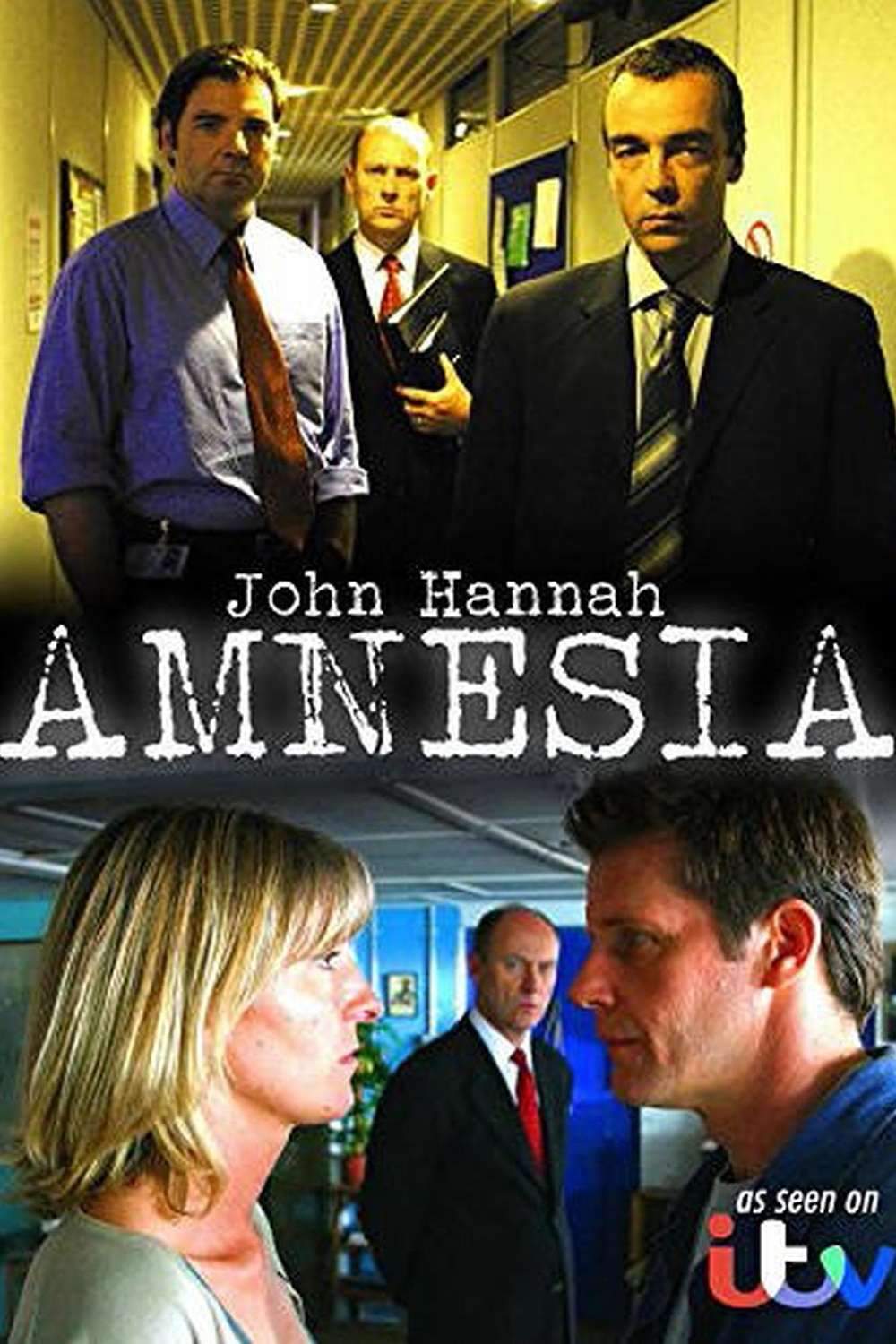
Amnesiac identity crisis thrillers like Ruler

Thrillers where forgotten identities unlock dangerous truths. Explore movies like Ruler that delve into the mystery and danger of a forgotten past. These suspenseful stories feature protagonists grappling with amnesia while uncovering political conspiracies or criminal secrets.

  • suspenseful
  • mysterious
  • tense
  • unsettling
  • investigative
  • amnesia
  • Tone: tense, mysterious, unsettling
  • Pacing: fast, investigative
Why these movies?

The story pattern: A protagonist, often a victim of trauma or crime, awakens with amnesia and must navigate a world full of unknown threats. Their quest to recover their identity reveals a complex web of past events, political corruption, or personal betrayal, building tension as the truth emerges.

Why they belong together: These movies share a core narrative of identity rediscovery amidst danger, blending psychological tension with investigative thriller elements. They explore themes of trust, hidden pasts, and the fight for justice.
Cathartic justice against corruption like Ruler

Intense dramas where characters fight for vindication. Find powerful movies similar to Ruler, where protagonists battle political corruption and powerful adversaries. These tense dramas culminate in a hopeful and cathartic victory for justice.

  • tense
  • tragic
  • hopeful
  • cathartic
  • vengeful
  • melodramatic
  • Tone: tense, tragic, hopeful, cathartic
  • Pacing: fast, event-driven
Why these movies?

The story pattern: The story follows a protagonist facing overwhelming opposition from corrupt political or criminal forces. Through a series of escalating conflicts and personal revelations, they persevere, culminating in a hard-won, emotionally resonant triumph where justice is ultimately served.

Why they belong together: They share a powerful emotional arc of struggle and ultimate vindication against systemic evil. The focus is on the emotional toll of the fight and the satisfaction of a just conclusion.

Every angle

Ruler (2019) Explained: Plot, Timeline & Characters

Everything about Ruler in one place: what happens in the plot summary, the timeline in chronological order, the characters and meaning and a spoiler-free summary. What's After the Movie adds the cast, box office and post-credit scenes.

Coming soon on iOS and Android

The Plot Explained Movie Summary App

Plot summaries, endings explained and timelines on your phone. Catch up on any movie in minutes, save your favorites and never miss a twist again.

Be the first to know when we launch. Your email stays private, always.

Learn more about the app