

Plot Explained Spoilers guaranteed!
Plot Explained

Browse by genre

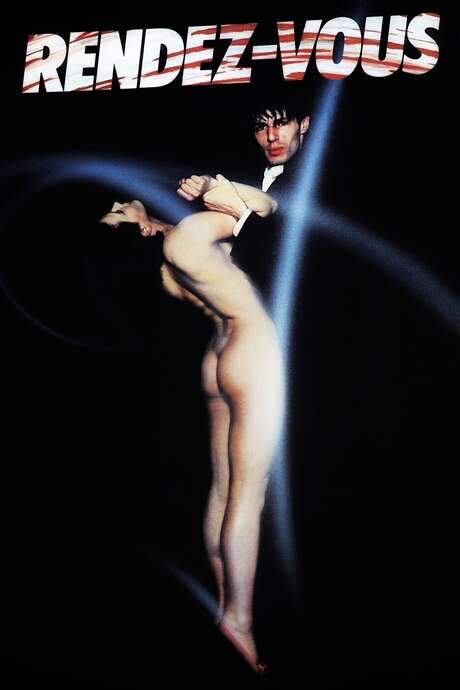
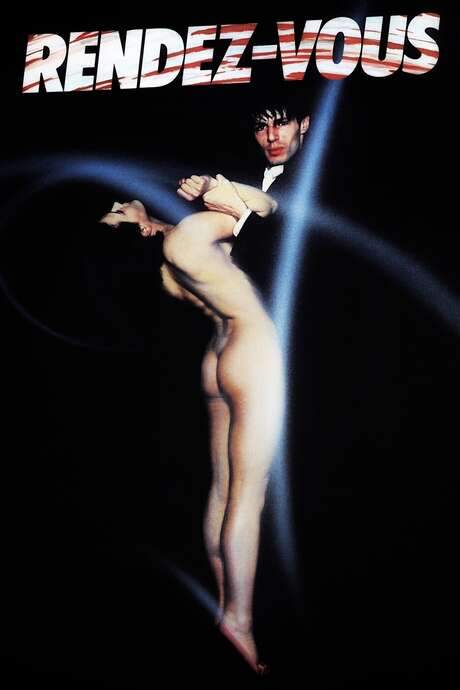
Rendez-vous (1985) movie poster

Characters & Themes

Rendez-vous (1985) Characters, Setting & Themes Explained

Release, runtime and language
1985 · 82 mins · French
JustWatch #32,546
Directed by
André Téchiné
Starring
Lambert Wilson, Juliette Binoche, Anne Wiazemsky, Jacques Nolot, Dominique Lavanant, Michèle Moretti

Nina, a carefree young actress, arrives in Paris hoping for a breakthrough. She becomes entangled with three very different men—a steady real‑estate agent, a reckless actor who lives on the edge, and an intense theatre director who casts her as Juliet in a production of “Romeo and Juliet.” As opening night nears, the highs and lows of her love life feed her performance.

On this page (8)
  1. 1 Where to watch
  2. 2 Characters explained (4)
  3. 3 Where & when it takes place
  4. 4 Themes & meaning (3)
  5. 5 Character & meaning questions
  6. 6 Movie threads
  7. 7 Movies like Rendez-vous
  8. 8 Every angle

Where to watch

Where to Watch Rendez-vous (1985)

Where can you watch Rendez-vous? Stream, rent or buy it in the US: current JustWatch availability with up-to-date prices.

Streaming availability powered by JustWatch

4 main characters · contains spoilers

Rendez-vous Characters Explained: Who Is Who

The main characters of Rendez-vous (1985), heroes and villains: what drives them, how they change over the course of the story and what each of them reveals about the film's bigger ideas.

  • Nina - Juliette Binoche

    A headstrong young actress who arrives in Paris chasing immediate success. She alternates between charm and vulnerability, using relationships to test her independence. Her interactions with Paulot and Quentin reveal a desire for meaningful affection amid the pressures of performance and a longing for a stable connection.

    • 🎭 Actress
    • 💘 Desire
    • 🏙️ Ambition
  • Quentin - Lambert Wilson

    An intense, unpredictable actor whose charm masks volatility and a hunger for control. He disrupts Nina's life with a violent, possessive passion that blurs consent and danger. His presence haunts both Nina and the stage world, until his death removes a destabilizing force yet leaves emotional scars.

    • 🎭 Actor
    • 💘 Obsession
    • 🗝️ Control
  • Paulot - Wadeck Stanczak

    A timid real estate clerk who falls for Nina and tries to protect her, offering calm, patient affection. His kindness contrasts with Quentin's aggression, yet his own pride and jealousy complicate his ability to sustain a care-filled relationship. His evolving attitude toward Nina reflects the tensions between desire, loyalty, and personal boundaries.

    • 💼 Realist
    • 🧭 Loyalty
    • ❤️ Affection
  • Scrutzler - Jean-Louis Trintignant

    An elderly theatre director whose presence frames Nina's career as a public stage. He casts Nina in Juliet, maintaining a paternal, protective but complicated interest that edges toward manipulation. His later revelation about casting Quentin in London adds a tragic backstory that casts a shadow over Nina's choices.

    • 🎭 Director
    • 🧭 Mentorship
    • 🗝️ Power

Last updated: October 04, 2025 at 13:44

Was this helpful?

Setting

Where and When Does Rendez-vous Take Place?

The setting of Rendez-vous (1985): the year and time period, the places and locations, and how they shape the characters, the mood and the tension of the story.

Time period

Contemporary

The film unfolds in a contemporary urban setting, where theatre life and dating rituals collide in a fast-paced city. The atmosphere blends nightlife with rehearsals, reflecting Nina's inner conflict between desire and vocation. The story's tempo mirrors Parisian modern life, where personal choices ripple through professional ambitions.

Location

Paris, Toulouse

The action centers on Paris, with Nina pursuing auditions, apartments, and a break into the theatre. The city’s boulevards, cafés, and stages form a living backdrop for her turbulent relationships. Paris becomes a proving ground where ambition, sex, and art collide.

  • 🗼 Paris
  • 🏙️ Toulouse

Last updated: October 04, 2025 at 13:44

Was this helpful?

3 major themes

Rendez-vous Meaning: Themes & Message Explained

What is Rendez-vous (1985) really about? The emotional, social and philosophical themes the film keeps returning to, its symbolism and the message beneath the surface.

  • Love & Desire

    Nina navigates a web of intense attractions—between the gentle Paulot and the dangerous Quentin—exploring how desire can be both addictive and destructive. The film examines how lust, longing, and emotional need drive decisions, often at the expense of trust and security. Nina’s relationships reveal her hunger for validation and the complex push-pull of affection.

  • Power & Control

    Quentin’s unpredictable, coercive behavior creates a tense power dynamic that alternates between attraction and fear. Paulot’s cautious devotion contrasts with Quentin’s dominance, highlighting how control can masquerade as passion. The theater world, represented by Scrutzler and the casting process, adds another layer of control over Nina’s body and choices.

  • Art & Identity

    The narrative centers on Nina’s transformation from aspiring actress to Juliet, balancing self-doubt with performance pressure. The ghostly influence of Quentin haunts rehearsal and stage direction, blurring lines between reality and role. Nina must harness fear and vulnerability to embody a famed literary heroine, illustrating art’s power to shape identity.

Last updated: October 04, 2025 at 13:44

Was this helpful?

Character & theme questions

Rendez-vous Characters & Meaning: Your Questions Answered

The questions people ask about Rendez-vous (1985): who the characters really are, their relationships, what the symbols mean, where it takes place and what the movie is really about. Each answer contains spoilers.

Q1

Where is Rendez-vous set?

The film takes place primarily in Paris, with some scenes in Toulouse. Paris serves as more than just a backdrop, it becomes a character itself, representing the city as a proving ground where ambition, sex, and art collide. The boulevards, cafés, and theatre stages form the living environment for Nina's turbulent relationships and career pursuits.

  • paris
  • toulouse
  • setting
  • locations
  • france
Q2

When does the story take place?

Rendez-vous is set in contemporary 1980s Paris. The era is characterized by a fast-paced urban atmosphere where theatre life and modern dating rituals intersect. The story's tempo mirrors Parisian modern life, where personal choices ripple through professional ambitions.

  • 1980s
  • contemporary
  • time period
  • era
  • paris
Q3

Who is Nina in the film?

Nina is a headstrong young actress who arrives in Paris chasing immediate success. Portrayed by Juliette Binoche, she alternates between charm and vulnerability, using relationships to test her independence. She represents the struggles of an aspiring performer navigating the pressures of the theatre world while seeking meaningful affection and a stable connection.

  • nina
  • juliette binoche
  • actress
  • protagonist
Q4

What kind of person is Quentin?

Quentin is an intense and unpredictable actor portrayed by Lambert Wilson. His charm masks volatility and a hunger for control. He brings a violent, possessive passion into Nina's life that blurs the lines between consent and danger. His presence haunts both Nina and the stage world until his death removes a destabilizing force while leaving emotional scars.

  • quentin
  • lambert wilson
  • actor
  • volatile
  • dangerous
Q5

Who is Paulot in Rendez-vous?

Paulot is a timid real estate clerk portrayed by Wadeck Stanczak who falls for Nina and tries to protect her, offering calm and patient affection. His kindness provides a stark contrast to Quentin's aggression, though his own pride and jealousy complicate his ability to sustain a care-filled relationship. He represents the tension between desire, loyalty, and personal boundaries.

  • paulot
  • wadeck stanczak
  • real estate
  • gentle
  • supportive
Q6

Who is Scrutzler in the story?

Scrutzler is an elderly theatre director played by Jean-Louis Trintignant who casts Nina in the role of Juliet. He maintains a paternal yet complicated interest in her career that edges toward manipulation. His later revelation about casting Quentin in London adds a tragic backstory that casts a shadow over Nina's choices and represents the control the theatre world exerts over her body and career.

  • scrutzler
  • jean-louis trintignant
  • director
  • theatre
  • mentor
Q7

What is the Love & Desire theme about?

The Love & Desire theme explores how Nina navigates intense attractions between the gentle Paulot and the dangerous Quentin. The film examines how lust, longing, and emotional need drive decisions, often at the expense of trust and security. Nina's relationships reveal her hunger for validation and the complex push-pull of affection that characterizes her journey.

  • love
  • desire
  • relationships
  • passion
  • lust
Q8

What does the Power & Control theme explore?

The Power & Control theme examines Quentin's unpredictable and coercive behavior, which creates a tense dynamic alternating between attraction and fear. Paulot's cautious devotion contrasts with Quentin's dominance, highlighting how control can masquerade as passion. The theatre world, represented by Scrutzler and the casting process, adds another layer of control over Nina's body and artistic choices.

  • power
  • control
  • manipulation
  • dominance
  • theatre
Q9

What is the Art & Identity theme about?

The Art & Identity theme centers on Nina's transformation from aspiring actress to Juliet, balancing self-doubt with performance pressure. The ghostly influence of Quentin haunts rehearsal and stage direction, blurring lines between reality and role. Nina must harness fear and vulnerability to embody a famed literary heroine, illustrating art's power to shape identity.

  • art
  • identity
  • juliet
  • romeo and juliet
  • theatre
  • performance
Q10

How does the theatre world feature in the film?

The theatre world serves as both a professional setting and a metaphorical space in Rendez-vous. Scrutzler's production of Romeo and Juliet becomes the central artistic endeavor around which Nina's personal conflicts unfold. The casting process and rehearsals create a pressure cooker environment where her emotional turmoil directly feeds into her performance as Juliet.

  • theatre
  • romeo and juliet
  • scrutzler
  • juliet
  • stage
  • audition
Q11

Why is Paris important to the story?

Paris functions as an essential element of the narrative rather than mere setting. The city embodies the intersection of ambition, sexuality, and artistic pursuit that defines Nina's experience. Its boulevards, cafés, and stages create a living backdrop where her turbulent relationships unfold, making the city a proving ground that shapes her journey toward self-discovery.

  • paris
  • city
  • french cinema
  • urban
  • backdrop
Q12

What is the overall tone of the film?

Rendez-vous carries a dominantly melancholic tone stemming from Nina's loneliness, the tragedy surrounding Quentin, and the bittersweet resolution of her relationships. The intensity is rated high due to raw exploration of sexuality, the volatile relationship with Quentin, his tragic death, and the high-stakes pressure of the theatre production. The emotional weight deals with themes of obsession, tragedy, and sacrifices required for artistic fulfillment.

  • melancholy
  • tone
  • intensity
  • emotional
  • tragedy

Movie threads

More Movies Like Rendez-vous, by Mood & Story

Curated lists built around what makes Rendez-vous tick: the same mood, the same kind of story or the same emotional payoff. Each list explains why these movies belong together.

Movies about artistic obsession and volatile love like Rendez-vous

Stories where creative ambition is fueled by intense, destructive relationships. Explore movies like Rendez-vous where intense romantic entanglements fuel and complicate artistic ambition. These films often feature volatile relationships, characters on the edge, and a melancholic tone, capturing the high-stakes drama of creation intertwined with destructive passion.

  • intense
  • melancholic
  • volatile
  • yearning
  • obsessive
  • anxious
  • Tone: melancholic, intense
  • Pacing: steady, character-driven
Why these movies?

The story pattern: The narrative typically follows a central artist figure whose pursuit of their craft is intensified by a turbulent relationship. The highs and lows of this personal connection directly influence their creative output, leading to a climax where the performance or artwork becomes a direct reflection of their lived emotional turmoil, often culminating in a moment of ambiguous reckoning.

Why they belong together: Movies are grouped here for their shared focus on the symbiotic, and often dangerous, relationship between artistic creation and personal obsession. They share a high emotional intensity, melancholic tone, and a steady pacing that allows for deep character exploration, resulting in a heavy, resonant viewing experience.

Movies with ambiguous endings after emotional turmoil like Rendez-vous

Character-driven dramas that conclude with unresolved, introspective moments. Find movies similar to Rendez-vous that feature heavy emotional journeys culminating in ambiguous endings. If you liked the unresolved, introspective finale of Rendez-vous, these dramas offer similarly powerful and thought-provoking conclusions after stories of love, loss, and self-discovery.

  • introspective
  • melancholic
  • yearning
  • anxious
  • unresolved
  • contemplative
  • Tone: melancholic, introspective
  • Pacing: steady, deliberate
Why these movies?

The story pattern: These stories often follow a linear progression where a character navigates a series of emotionally heavy events—such as a love triangle, a personal tragedy, or a professional crucible. The narrative builds significant weight, but instead of providing catharsis or a clear resolution, it leaves the character (and the viewer) in a moment of suspended reflection, contemplating the path taken and the uncertain road ahead.

Why they belong together: These films are grouped by their shared narrative structure and emotional impact. They prioritize character psychology over plot resolution, featuring heavy emotional weight, a steady or slow pace, and endings that are ambiguous or bittersweet, leaving a lasting, contemplative impression on the viewer.

If you liked this

Movies Like Rendez-vous

Similar movies to Rendez-vous: the same genre, themes or kind of story. Each one comes with its own plot summary, timeline and ending explained.

Browse all movie summaries

Every angle

Rendez-vous (1985) Explained: Plot, Timeline & Characters

Everything about Rendez-vous in one place: what happens in the plot summary, the timeline in chronological order, the characters and meaning and a spoiler-free summary. What's After the Movie adds the cast, box office and post-credit scenes.

Coming soon on iOS and Android

The Plot Explained Movie Summary App

Plot summaries, endings explained and timelines on your phone. Catch up on any movie in minutes, save your favorites and never miss a twist again.

Be the first to know when we launch. Your email stays private, always.

Learn more about the app