Plot Explained Spoilers guaranteed!
Plot Explained

Browse by genre

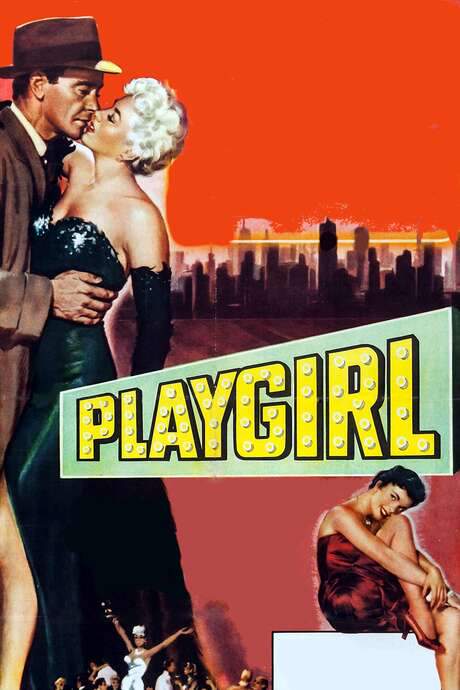
Play Girl (1932) movie poster

Plot Summary

Play Girl (1932) Plot Summary Explained

Release, runtime and language
1932 · 60 mins · English
Directed by
Ray Enright
Starring
Norman Foster, Guy Kibbee, Loretta Young, Roscoe Karns, Robert Emmett O'Connor, Edward Van Sloan

SHE WANTED LOVE THE WORST WAY, and she got it! A young innocent falls for a compulsive gambler.

On this page (5)
  1. 1 What happens: full plot
  2. 2 Plot questions answered
  3. 3 Movie threads
  4. 4 Movies like Play Girl
  5. 5 Every angle

Full plot summary · contains spoilers

What Happens in Play Girl: Full Plot Summary

The whole story of Play Girl (1932) explained, from the opening scene to the final frame: every key event, every twist and what it all adds up to. Read it as a quick recap before the sequel, to check a scene you missed, or to finally understand what really happened.

Buster 'Bus' Green Loretta Young is a shopgirl who grew up under the shadow of loss—her mother died giving birth to her and her father abandoned them both—leaving her world to be built around work, responsibility, and reserve. At the department store where she pours herself into her duties, she catches the eye of Wallace 'Wally' Dennis [Norman Foster] whose charm and confidence quickly turn into a devoted courtship. Their whirlwind romance leads to marriage after a summer camp excursion that brings Bus together with her friend Georgine Hicks [Winnie Lightner] and Georgine’s husband, the bold and boisterous Finky 'Finkelwald' [Guy Kibbee]. The union is fueled by hope, but behind the glossy surface lies a harsher truth: Wally is a gambler, someone who can swing from flush to broke with alarming speed, and Bus learns this truth about him sooner than she would like.

As their life unfolds, Bus discovers that the dream of stability might be out of reach. Wally’s reckless pattern clashes with Bus’s practical spirit, and the shock of his deception hits hardest when he vows to reform only after Bus reveals she’s pregnant. He secures a job as a mechanic, a sign of effort, but trust remains fragile. The crisis erupts when Bus finds that he took $90 from their joint account, and she assumes he has bet it all on a horse. She tells him to leave, packing his bags herself, only to learn later that the money was spent on a lavish baby carriage meant as a surprise. He vanishes into the mingled anonymity of New Orleans with no forwarding address, while Bus, left to weather the storm, returns to her old life at the department store and tries to keep the growing storm hidden from coworkers and friends.

Back at home, Bus moves to a cheaper apartment and, driven by necessity, turns to gambling herself to keep a roof over her head. She bets on horses, particularly a longshot named Baby Mine, in a desperate bid to cover rent and rising medical costs as her due date approaches. The job she once held slips away as she takes long lunch breaks to chase winnings, and she is eventually fired. Georgine—now married to Finky—offers what help she can, but the couple cannot shoulder the burden of Bus’s looming hospital bills, especially when they face the grim prospect of paying around 500 dollars for a proper delivery. In a bid to catch up, Bus bets again on Baby Mine; the horse wins, but the victory comes with a sting: a former racetrack tout, Martie Happ [Noel Madison], pockets her winnings and confesses that he had placed his own bet on a different horse, siphoning off the reward she earned through risk and faith.

The drama escalates when Wally returns to the scene and a confrontation with Martie erupts into a full-blown brawl in the betting parlor. The tension crescendos as the police break up the fight and, hearing that Bus is about to give birth, arrange a path to a hospital where the officer’s own wife is delivering twins. In the quiet, hard-fought moment that follows, Bus brings a healthy daughter into the world, a beacon of fragile hope amid the turmoil. As Wally dares to crack a lighthearted joke about their next child, promising that it will be a boy, Bus fixes him with a wary, knowing look. He apologizes, trying to soften the moment with a casual claim that it was “just an expression,” a line that lingers as the couple stands at a crossroads between risk and renewal.

Last updated: October 09, 2025 at 11:23

Was this helpful?

Plot questions answered

Play Girl Plot Explained: Your Questions Answered

The questions people ask most about Play Girl (1932): what happens in the confusing scenes, why the characters do what they do, the twists, hidden details and what the ending means. Each answer contains spoilers.

Q1

Why did Bus kick Wally out of their home?

Bus kicked Wally out after discovering $90 missing from their joint account. She assumed he had gambled the money on horses, which triggered her worst fears about his inability to provide stability for their growing family. This came after months of tension over his reckless spending habits and broken promises to reform.

Foreshadowing: Earlier in the film, Bus learns that Wally is a gambler who can go from flush to broke in moments, creating ongoing financial anxiety.

  • wally
  • bus
  • $90
  • kicked out
  • gambling
  • money
Q2

What did Wally actually spend the $90 on?

Wally did not gamble the $90 as Bus suspected. He spent it on an expensive baby carriage as a surprise gift for the upcoming birth. However, he failed to explain this before Bus discovered the missing money and threw him out, creating a tragic misunderstanding that drove him to leave.

Foreshadowing: Wally had promised to reform after learning Bus was pregnant, and the carriage represents his attempt at providing for his family.

  • wally
  • $90
  • baby carriage
  • surprise
  • pregnancy
Q3

Why did Bus start gambling on horses?

After Wally left and her savings dwindled, Bus was forced to move to a cheaper apartment and needed money to pay rent and cover rising medical bills as her due date approached. Desperate and with limited options, she turned to gambling on horses as a way to quickly earn money, specifically betting on longshot horses like Baby Mine.

Foreshadowing: The $90 incident left Bus financially vulnerable and without Wally's income, setting up her desperation.

  • bus
  • gambling
  • horses
  • rent
  • medical bills
  • desperation
Q4

Who is Martie Happ and what did he do to Bus?

Martie Happ is a former racetrack tout who befriended Bus at the betting parlor. When Bus's horse Baby Mine won, Martie pocketed her winnings and revealed he had actually placed his own bet on a different horse, essentially stealing the reward she earned through her risk. This betrayal left Bus without the money she desperately needed.

Foreshadowing: Martie appeared friendly toward Bus earlier, gaining her trust before exploiting her.

  • martie happ
  • tout
  • baby mine
  • winnings
  • betrayal
Q5

Why did Wally leave for New Orleans?

After Bus threw him out following the $90 misunderstanding, Wally left New York and headed to New Orleans. His gambling friends later revealed he was there with no forwarding address, meaning he had vanished into anonymity rather than trying to contact Bus or work through their problems.

Foreshadowing: Wally's pattern of going from flush to broke made it easy for him to disappear when things fell apart.

  • wally
  • new orleans
  • disappeared
  • gambling friends
Q6

How did the police end up involved in the story?

When Wally returned from New Orleans, he confronted Martie at the betting parlor and they got into a physical fight. Police broke up the brawl and, learning that Bus was about to give birth, arranged for both her and Wally to be taken to the hospital immediately.

Foreshadowing: Wally's return was prompted by learning Bus was near her due date.

  • police
  • fighting
  • martie
  • hospital
  • birth
Q7

Why did Wally fight Martie at the betting parlor?

Wally fought Martie because Martie had stolen Bus's winnings from the Baby Mine win. Wally's return to the betting parlor was motivated by wanting to confront Martie about this betrayal, leading to the brawl that brought in the police.

Foreshadowing: Bus had told Wally about Martie stealing her money during his absence.

  • wally
  • martie
  • fight
  • baby mine
  • winnings
Q8

What happened when Bus bet on Baby Mine?

Bus's horse Baby Mine actually won the race, which should have provided her with enough money to cover her rent and hospital bills. However, Martie, who had placed the bet for her, kept the winnings and admitted he had bet on a different horse instead. The victory was hollow as Bus received none of the payoff.

Foreshadowing: Bus chose Baby Mine as a hopeful longshot name, associating it with her unborn child.

  • baby mine
  • horse race
  • won
  • martie
  • winnings
Q9

Why does Bus give Wally a wary look at the end of the movie?

After Bus gives birth to their daughter, Wally jokes about their next child being a boy. Bus gives him a sharp, wary look and corrects him, showing that she remains skeptical of his promises and unsure about their future together. The look signals that while they have a new baby, the fundamental issues in their marriage, his recklessness and her distrust, remain unresolved.

Foreshadowing: The entire film has shown Wally making promises he cannot keep, leaving Bus repeatedly disappointed.

  • bus
  • wally
  • look
  • daughter
  • promise
  • skeptical
Q10

Why did Bus specifically choose Baby Mine as her horse bet?

Bus named her horse bet Baby Mine as a hopeful reference to her unborn child, choosing a longshot horse in hopes that a win would provide money for the baby's arrival and hospital costs. The name reflected her desperate attempt to bet on something meaningful to her while risking what little money she had left.

Foreshadowing: Bus's pregnancy is the central motivation driving her increasingly desperate financial decisions.

  • baby mine
  • horse
  • bet
  • pregnancy
  • longshot

Movie threads

More Movies Like Play Girl, by Mood & Story

Curated lists built around what makes Play Girl tick: the same mood, the same kind of story or the same emotional payoff. Each list explains why these movies belong together.

Dramas of strained marriages like Play Girl

Stories of love tested by personal flaws, leaving hope and heartache intertwined. If you liked the marital strife in Play Girl, explore more movies like it. These films focus on relationships tested by addiction, financial hardship, and betrayal, delivering emotionally resonant stories with a bittersweet, realistic feel.

  • melancholic
  • desperate
  • anxious
  • hopeful
  • gritty
  • emotional
  • Tone: melancholic, bittersweet
  • Pacing: steady, character driven
Why these movies?

The story pattern: These narratives typically follow a couple whose initial romance is overshadowed by a destructive pattern, such as addiction or financial recklessness. The plot charts their downward spiral, punctuated by moments of fragile hope, ultimately arriving at an ending that acknowledges the love that remains while conceding that some problems may be insurmountable.

Why they belong together: Movies in this thread are grouped by their shared focus on the intimate drama of a failing relationship. They balance melancholy with fleeting hope, create a steady, character-driven pace, and deliver a medium emotional weight centered on the disillusionment of love.

Movies about doomed love affairs like Play Girl

Passionate relationships built on a foundation of self-destruction and desperate hope. Find more movies like Play Girl that explore reckless, anxious love stories. These films feature characters who fall for someone with a destructive vice, leading to a desperate, gritty, and emotionally charged narrative journey.

  • desperate
  • anxious
  • reckless
  • gritty
  • hopeful
  • melancholic
  • Tone: anxious, desperate, melancholic
  • Pacing: steady descent
Why these movies?

The story pattern: The pattern follows an initially hopeful character who falls for a charismatic but flawed individual. The romance quickly becomes entangled with the partner's vice (gambling, addiction, etc.), creating a cycle of crisis and temporary reconciliation. The emotional journey is one of growing desperation and the painful realization that love may not be enough to save someone from themselves.

Why they belong together: These films are connected by their specific blend of high romance and high anxiety. They share a melancholic, gritty tone, a steady pacing that methodically builds dread, and a core theme of love as both a salvation and a trap.

If you liked this

Movies Like Play Girl

Similar movies to Play Girl: the same genre, themes or kind of story. Each one comes with its own plot summary, timeline and ending explained.

Browse all movie summaries

Every angle

Play Girl (1932) Explained: Plot, Timeline & Characters

Everything about Play Girl in one place: what happens in the plot summary, the timeline in chronological order, the characters and meaning and a spoiler-free summary. What's After the Movie adds the cast, box office and post-credit scenes.

Coming soon on iOS and Android

The Plot Explained Movie Summary App

Plot summaries, endings explained and timelines on your phone. Catch up on any movie in minutes, save your favorites and never miss a twist again.

Be the first to know when we launch. Your email stays private, always.

Learn more about the app