






Plot Explained Spoilers guaranteed!
Plot Explained

Browse by genre

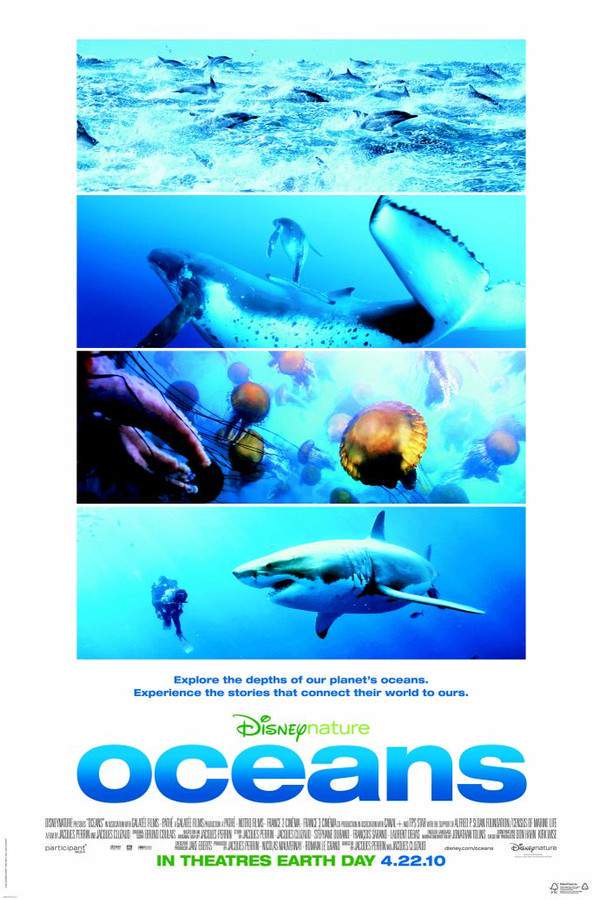
Oceans (2010) movie poster

Timeline

Oceans (2010) Timeline Explained – Every Event in Order

Release, runtime and language
2010 · 84 min · French
JustWatch #24,184 2
Directed by
Jacques Cluzaud
Starring
Pierce Brosnan
Budget
$80M

Disneynature’s Oceans offers a breathtaking look at the underwater world, showcasing stunning footage of marine life and the delicate balance of ocean ecosystems. The film explores the complex connections between humans and creatures living beneath the surface, highlighting both the beauty and the vulnerability of these environments. It’s a cinematic journey revealing the resilience of ocean life and the importance of protecting our planet’s vast oceans.

On this page (6)
  1. 1 Where to watch
  2. 2 Events in order (15)
  3. 3 Timeline questions answered
  4. 4 Movie threads
  5. 5 Movies like Oceans
  6. 6 Every angle

Where to watch

Where to Watch Oceans (2010)

Where can you watch Oceans? Stream, rent or buy it in the US, including on Disney Plus, Amazon Video and Apple TV Store: current JustWatch availability with up-to-date prices.

Streaming availability powered by JustWatch

15 events in order · contains spoilers

Oceans Timeline: Events in Chronological Order

Every key event of Oceans (2010) in order, scene by scene, with when and where it takes place. Use it to untangle flashbacks, time jumps and parallel storylines, to refresh your memory before the sequel or to find the exact scene you are thinking of.

  1. Children on the Beach

    The film opens with children joyfully running towards the ocean, indicating the wonder and curiosity that the sea inspires in young minds. One boy stops to ponder what the ocean truly is, symbolizing a moment of reflection on nature's vastness.

    Where
    Beach
  2. Marine Life in the Galápagos

    The scene shifts to the Galápagos Islands, where a clan of marine iguanas and horseshoe crabs meander through their natural habitat. This moment captures the unique biodiversity of the area, emphasizing the importance of oceanic ecosystems.

    Where
    Galápagos
  3. Ariane Rocket Launch

    In a surprising turn of events, an Ariane rocket launches into the night sky, startling the iguanas and horseshoe crabs. This launch symbolizes humanity’s exploration and curiosity about outer space, providing a stark contrast to the tranquil ocean life below.

    When
    Night
  4. Life in the Trench

    The film dives deep into the ocean trench, revealing the often unseen life of sea urchin larvae and crustacean eggs. This segment highlights the diversity of life that exists in the depths of the ocean, often hidden from view.

  5. Jellyfish Swarm

    A surge of moon jellyfish moves gracefully through the water, showcasing the beauty and delicacy of ocean life. Their synchronized movement emphasizes the interconnectedness of the ocean's ecosystem.

  6. The Sardine Run

    At the coast of South Africa, a spectacular scene unfolds as dolphins, gannets, sharks, and whales collaborate to hunt sardines during a feeding frenzy. This breathtaking display depicts the impressive tactics and cooperation found in marine hunting.

    Where
    South Africa
  7. Manta Ray Feast

    Following the chaos of the sardine hunt, manta rays glide through the water, gobbling up any remaining sardines. This moment highlights the opportunistic nature of marine predators and the perpetual cycle of life and death in the ocean.

  8. Humpback Whale and Calf

    In deeper waters, a humpback whale and her calf engage in playful behaviors like spyhopping and breaching. This endearing interaction showcases the nurturing relationships within marine life.

  9. Great White Shark Encounter

    As sea lions hunt along the beach, some become prey for a lurking great white shark and a killer whale. This moment draws attention to the harsh realities of survival in the ocean, where the balance of predator and prey is ever-present.

    Where
    Beach
  10. Dusk and Nighttime Hunting

    At twilight, birds return to their nests while nocturnal carnivores, including mantis shrimp, venture out to hunt on the reef. This transition to night reveals a different dynamic in ocean life, where the darkness brings out new challenges.

    When
    Twilight
  11. Baby Sea Turtles' Journey

    On the beach, a dramatic scene unfolds as baby sea turtles scramble towards the ocean, trying to evade the hungry frigatebirds above. Out of many, only one baby turtle survives, emphasizing the harsh realities of nature.

    Where
    Beach
  12. Coral Reef Life

    The film presents the rich biodiversity of a coral reef, where various creatures like cuttlefish and garden eels busy themselves in their tranquil environment. This segment highlights the importance of coral reefs as vital habitats in the ocean.

    Where
    Coral Reef
  13. Migration of Giant Whales

    A majestic migration occurs as humpback whales, blue whales, and other ocean giants venture through the seas. This migration reflects the seasonal patterns of marine life and the vast journeys they undertake for survival.

  14. Human Impact on the Ocean

    Shifting perspectives, the film reveals the impact of human activity as a fishing boat struggles against formidable waves. The subsequent scene of netted sea animals brings attention to the pressing issue of overfishing and pollution.

  15. Exploring the Ocean's Depths

    The final scenes show divers exploring the ocean, including an exhilarating encounter with a great white shark. The narrator's poignant conclusion emphasizes the importance of understanding our role in preserving the ocean's mysteries.

Last updated: September 28, 2026 at 10:55

Was this helpful?

Timeline questions answered

Oceans Timeline Explained: Your Questions Answered

When does it happen, and why in that order? The questions people ask about the chronology of Oceans (2010): time jumps, flashbacks, cause and effect between scenes and the correct order of events, each answered with spoilers.

Q1

Why does Oceans include a rocket launch scene?

The Ariane rocket launch in Oceans serves as a deliberate contrast between humanity's drive to explore outer space and the largely unexplored depths of our own planet's oceans. The film uses this juxtaposition to suggest that while humans look skyward for discovery, an equally vast and mysterious frontier exists beneath the waves. The startled iguanas and crabs emphasize how detached human ambition can seem from the natural world.

  • ariane rocket
  • galapagos
  • space exploration
  • contrast
  • iguanas
Q2

What is the sardine run shown in Oceans?

The sardine run along South Africa's coast is a massive seasonal event where billions of sardines migrate, attracting a diverse group of predators. In Oceans, common dolphins, Cape gannets, bronze whaler sharks, and Bryde's whales are shown working together to corral and feast on the sardines. The spectacle demonstrates how different species can cooperate when pursuing a shared food source, highlighting the ocean's complex food webs.

  • sardine run
  • south africa
  • dolphins
  • gannets
  • bait ball
Q3

Why do only one baby sea turtle survive in Oceans?

Oceans depicts baby sea turtles scrambling toward the ocean while frigatebirds swoop down to snatch them from the sand. This brutal predation is a natural part of sea turtle reproduction, where only a tiny fraction of hatchlings typically survive to adulthood. The film includes this scene to honestly portray the harsh odds baby turtles face rather than romanticizing marine life.

  • sea turtles
  • hatchlings
  • frigatebirds
  • predation
  • survival
Q4

What does the narrator's final quote in Oceans mean?

The closing narration in Oceans asks 'We shouldn't ask what exactly is the ocean, we should ask what exactly are we,' shifting the focus from the ocean itself to humanity's identity and role within it. This question reframes the entire documentary as a mirror rather than a tour, arguing that humans are not separate from nature but rather a part of the same interconnected system. The quote caps off the film's environmental advocacy with a philosophical challenge to viewers.

  • narrator quote
  • philosophy
  • identity
  • humanity
  • reflection
Q5

Why does Oceans show fishing nets and ocean pollution?

Oceans dedicates a significant portion of its final act to images of netted tuna, whale sharks, sailfish, sea turtles, and sunfish, along with floating trash threatening fur seals. This stark shift from beauty to devastation is intentional, confronting viewers with the consequences of overfishing, bycatch, and pollution. The film uses these images to argue that human activity directly endangers the ecosystems it has been celebrating throughout.

Foreshadowing: The earlier scenes of pristine marine beauty serve as a contrast that makes the later pollution imagery more emotionally impactful.

  • fishing nets
  • bycatch
  • pollution
  • overfishing
  • trash
  • ocean trash
Q6

Why does Oceans show sea lions being hunted by great white sharks?

The hunting sequences featuring great white sharks and killer whales preying on sea lions illustrate the natural predator-prey dynamics that sustain ocean ecosystems. Oceans does not shy away from this violence because depicting these encounters honestly is essential to understanding the ocean's food chain. The scene also reinforces that beauty and brutality coexist in marine environments, rather than presenting nature as a gentle paradise.

  • sea lions
  • great white shark
  • killer whale
  • predation
  • predator
Q7

How do dolphins and birds cooperate to hunt sardines in Oceans?

In the sardine run sequence in Oceans, common dolphins herd sardines into tight bait balls from below while Cape gannets plunge from above to snatch them. The film shows this coordination not as deliberate planning but as instinctive cooperation between species exploiting the same opportunity. This scene highlights how marine ecosystems thrive on these natural alliances rather than on individual effort alone.

  • cooperation
  • dolphins
  • gannets
  • hunting
  • marine alliance
Q8

Why does Oceans visit so many different ocean regions?

The Disneynature documentary Oceans moves between the Galápagos, South Africa, Australia, Alaska, the Arctic, and Antarctica to demonstrate that ocean ecosystems are globally interconnected. By showing humpback whale migrations, coral reefs, polar waters, and tropical habitats, the film argues that no single region tells the full story of the ocean. The geographic range also reinforces the urgency of conservation, since threats in one area ripple across all of them.

  • galapagos
  • antarctica
  • arctic
  • migration
  • ecosystems
  • global
Q9

Why does Oceans open with children running toward the ocean?

The opening beach scene in Oceans establishes the wonder and curiosity the ocean inspires in young minds, with one boy pausing to reflect on the water's vastness. This moment of human awe frames the documentary's entire approach, treating the audience as explorers rather than passive observers. The beach setting also creates a symbolic entry point from land into the underwater world the film will explore.

  • beach
  • children
  • wonder
  • opening scene
  • curiosity
Q10

What message does Oceans ultimately convey about humanity?

Oceans uses its breathtaking footage alongside sobering scenes of pollution and bycatch to argue that humans are not observers of nature but participants in it. The documentary suggests that protecting the ocean requires rethinking humanity's identity and responsibilities rather than treating environmentalism as a separate concern. The unresolved ending asks viewers to carry this question into their own lives rather than offering tidy solutions.

  • humanity
  • conservation
  • environment
  • advocacy
  • identity
  • message

Movie threads

More Movies Like Oceans, by Mood & Story

Curated lists built around what makes Oceans tick: the same mood, the same kind of story or the same emotional payoff. Each list explains why these movies belong together.

Bittersweet nature documentaries like Oceans

Stunning natural wonders shadowed by the cost of human impact and ecological decline. Looking for movies like Oceans? This thread features nature documentaries and eco-focused films that balance stunning wildlife cinematography with sobering messages about environmental destruction, climate change, and human impact on fragile ecosystems. Perfect for viewers who want eye-opening, contemplative experiences that inspire both wonder and action.

  • bittersweet
  • wondrous
  • eye-opening
  • contemplative
  • sobering
  • majestic
  • Tone: bittersweet, contemplative
  • Pacing: steady, meditative
Why these movies?

The story pattern: Stories in this thread typically unfold as guided explorations through specific ecosystems, moving between species, habitats, and locations to build a panoramic portrait of natural life. The narrative arc often moves from wonder to concern, with moments of predation, mortality, or destruction woven among scenes of beauty. The ending tends to be reflective rather than resolved, leaving viewers with a question about their own relationship to the natural world. These films rarely feature human protagonists, instead using imagery and narration to make a philosophical case for conservation.

Why they belong together: These films share a steady, unhurried pace that lets natural behavior breathe on screen, paired with cinematography that emphasizes both scale and intimacy. The shared tone sits firmly in bittersweet territory: awe is never allowed to fully overpower concern. They tend to favor straightforward structures and educational framing, with medium emotional weight that comes from juxtaposing splendor with sobering realities. Disturbing themes like animal death, bycatch, or pollution are present but balanced against moments of resilience and beauty.
Immersive nature documentaries like Oceans

Cinematic voyages that drop you inside ecosystems and let the natural world speak. If you loved Oceans, explore more visually stunning, immersive documentaries and nature films that place you inside ecosystems around the world. These movies like Oceans rely on patient observation, gorgeous cinematography, and steady pacing to create contemplative experiences, prioritizing presence over plot. Ideal for fans of meditative, eye-opening nature cinema.

  • serene
  • majestic
  • immersive
  • contemplative
  • peaceful
  • eye-opening
  • Tone: serene, wondrous
  • Pacing: steady, observational
Why these movies?

The story pattern: Rather than following traditional character arcs, these films are structured as journeys through space and time. They often move across geographies (continents, oceans, biomes) or focus deeply on a single ecosystem across seasons. The narrative pattern is rhythmic and observational, with sequences built around animal behavior, weather, tides, or migration. Tension rises naturally through predator-prey dynamics or environmental shifts, while emotional resolution comes from the viewer feeling they have witnessed something complete and meaningful rather than from any stated conclusion.

Why they belong together: These films share an emphasis on visual storytelling and atmosphere over dialogue or character conflict. They tend to have straightforward structures designed to be educational and visually captivating, with steady pacing that lets behavior and landscape unfold without rush. The shared mood is serene and wondrous, with intensity remaining moderate because the experience is immersive rather than suspenseful. Films in this thread often use natural sound design, minimal narration, and cinematic framing to create a sense of being present inside the natural world.

If you liked this

Movies Like Oceans

Similar movies to Oceans: the same genre, themes or kind of story. Each one comes with its own plot summary, timeline and ending explained.

Browse all movie summaries

Every angle

Oceans (2010) Explained: Plot, Timeline & Characters

Everything about Oceans in one place: what happens in the plot summary, the timeline in chronological order, the characters and meaning and a spoiler-free summary. What's After the Movie adds the cast, box office and post-credit scenes.

Coming soon on iOS and Android

The Plot Explained Movie Summary App

Plot summaries, endings explained and timelines on your phone. Catch up on any movie in minutes, save your favorites and never miss a twist again.

Be the first to know when we launch. Your email stays private, always.

Learn more about the app