Plot Explained Spoilers guaranteed!
Plot Explained

Browse by genre

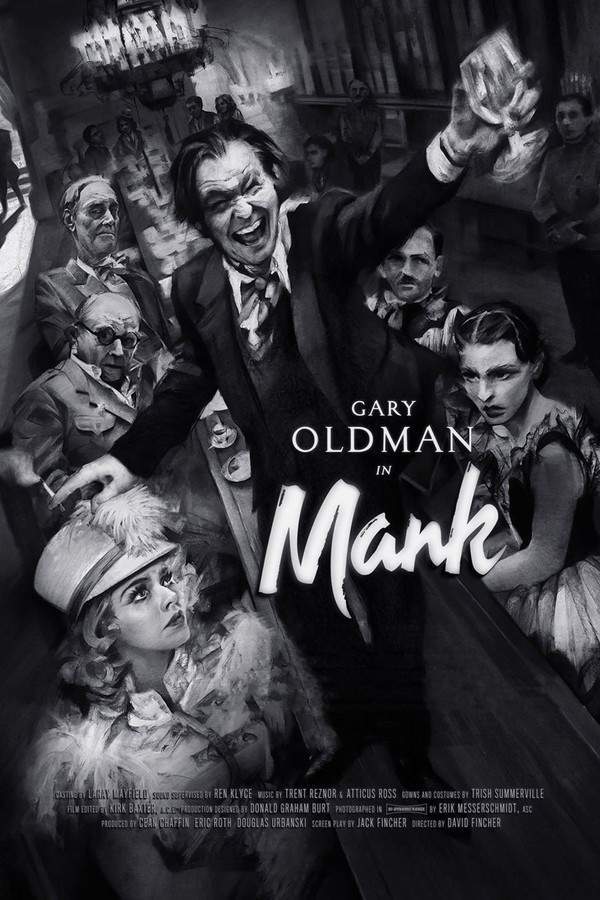
Mank (2020) movie poster

Timeline

Mank (2020) Timeline Explained – Every Event in Order

Release, runtime and language
2020 · English
Echo score 74
Loading streaming availability…
Directed by
David Fincher
Starring
Gary Oldman, Charles Dance, Tom Burke, Amanda Seyfried, Lily Collins, Arliss Howard
Budget
$25M

During the 1930s in Hollywood, the gifted but struggling screenwriter Herman J. Mankiewicz grapples with personal struggles as he contributes to the creation of "Citizen Kane." The film explores his experiences and the complex relationship with director Orson Welles, set against the backdrop of the vibrant and sometimes turbulent Golden Age of Hollywood. He finds himself caught up in the intoxicating allure and harsh realities of Tinseltown.

On this page (6)
  1. 1 Where to watch
  2. 2 Events in order (13)
  3. 3 Timeline questions answered
  4. 4 Movie threads
  5. 5 Movies like Mank
  6. 6 Every angle
Loading streaming availability…

13 events in order · contains spoilers

Mank Timeline: Events in Chronological Order

Every key event of Mank (2020) in order, scene by scene, with when and where it takes place. Use it to untangle flashbacks, time jumps and parallel storylines, to refresh your memory before the sequel or to find the exact scene you are thinking of.

  1. The Beginning of Mank's Journey

    The narrative begins in 1933, during the height of the Great Depression in America. Herman Mankiewicz is introduced as a figure navigating the challenges posed by an economically strained society.

    When
    1933
  2. Upton Sinclair's Campaign

    The timeline progresses to Upton Sinclair's left-leaning campaign for the governorship of California. His candidacy not only invigorates political discourse but also ignites fear among Hollywood elites, who begin to organize against him.

    Where
    California
  3. Hollywood's Response to Sinclair

    Sinclair's campaign is met with fierce opposition from major studios like MGM, which launch disinformation campaigns to discredit him. The political climate influences Hollywood’s creativity and highlights the industry's inclination to protect the status quo.

    Where
    Hollywood
  4. Mank's Moral Dilemmas

    Amidst political upheaval, Mank confronts his own ethical compromises and the small lies he has told. His reflections serve as a microcosm of the broader moral questions faced by individuals in a corrupt system.

  5. William Randolph Hearst's Influence

    William Randolph Hearst is introduced, portrayed by Charles Dance, who interacts with Mank in a pivotal scene. He shares the 'parable of the organ grinder's monkey,' revealing the intricacies of power and control within the Hollywood elite.

    Where
    Hearst's estate
  6. Mank's Spiraling Defiance

    Mank starts to push back against Hearst's influence, buoyed by support from Orson Welles. This act of defiance sets off a chain reaction that has dire consequences for Mank's career and personal life.

  7. Job Loss After Defiance

    As a result of his confrontation with Hearst, Mank finds himself jobless. This loss is compounded by the struggles he faces with his alcohol addiction, leading to further isolation from the Hollywood community.

  8. Creating Citizen Kane

    While dealing with a broken leg and confined to his bed, Mank channels his frustrations into writing *Citizen Kane*. This iconic film becomes a crucial outlet for his creativity during a difficult time.

  9. The Oscar Win

    Despite his struggles and isolation, Mank wins the Oscar for *Citizen Kane*. This accolade represents not only a personal victory but also the culmination of his complex legacy in Hollywood.

  10. Reflection on Responsibility

    In a moment of introspection, Mank articulates the importance of storytelling, saying, 'We have got a huge responsibility, to people in the dark willingly checking their disbelief at the door.' This highlights his awareness of the power of film.

  11. Mank's Isolation

    As the film progresses, Mank's isolation from friends and family becomes more apparent. His battle against alcohol dependency intensifies, showing the personal toll of his choices amidst the chaos of his surroundings.

  12. Cumulative Impact of Choices

    In the end, Mank's journey illustrates the deep influence of personal choices against the backdrop of tumultuous political and social change. His legacy serves as a reminder of the intersection between individual actions and historical events.

    When
    1940
  13. The Lasting Legacy

    The impact of Mank's work continues to resonate beyond his lifetime. The film concludes by hinting at how the stories told in Hollywood influence society's understanding of itself, highlighting the power of cinema.

Last updated: November 15, 2024 at 17:26

Was this helpful?

Timeline questions answered

Mank Timeline Explained: Your Questions Answered

When does it happen, and why in that order? The questions people ask about the chronology of Mank (2020): time jumps, flashbacks, cause and effect between scenes and the correct order of events, each answered with spoilers.

Q1

Why did Mank defy William Randolph Hearst?

Mank defied Hearst after experiencing firsthand the manipulative power dynamics Hearst embodied. During a dinner at Hearst's estate, after Mank delivered a drunken tirade, Hearst told him the "parable of the organ grinder's monkey", essentially warning Mank that he must "dance" whenever Hearst commands. This confrontation, combined with Mank's growing guilt over his moral compromises during the Sinclair campaign, led him to align with Orson Welles in creating Citizen Kane, a film that would thinly veil criticism of Hearst himself.

Foreshadowing: Earlier scenes show Mank participating in MGM's disinformation campaigns against Sinclair, planting the seeds of his eventual guilt and defiance.

  • hearst
  • defiance
  • mankiewicz
  • citizen kane
  • welles
  • power
Q2

What is the parable of the organ grinder's monkey in Mank?

The parable Hearst tells Mank describes a monkey who believes he is free because he is given a coin for his performances, but in reality, he is still chained to the organ grinder. Hearst uses this story to illustrate that Mank, like everyone in his circle, must perform and obey to receive rewards. The parable reveals Hearst's cynical view of loyalty and power, and foreshadows Mank's eventual break from this system.

Foreshadowing: This scene occurs after Mank's drunken tirade, where his underlying discontent with Hollywood's elite becomes visible.

  • parable
  • hearst
  • monkey
  • mank
  • metaphor
  • control
Q3

How did Mank write Citizen Kane while bedridden?

After breaking his leg in a car accident and becoming confined to his bed, Mank used his isolation to channel his frustrations into writing. Bedridden and cut off from friends and family, he struggled desperately with alcohol dependency while working on the screenplay. This period of confinement became the creative crucible for what would become Citizen Kane, allowing him to draw on his deep knowledge of Hollywood and his personal experiences with figures like Hearst.

Foreshadowing: Earlier scenes establish Mank's wit, screenwriting skills, and his complex relationship with the Hollywood elite he would later critique.

  • citizen kane
  • writing
  • bedridden
  • screenplay
  • alcoholism
  • isolation
Q4

Why did Hollywood oppose Upton Sinclair's campaign for California governor?

Hollywood studios, particularly MGM, opposed Sinclair's left-leaning gubernatorial campaign because his progressive platform was viewed as "anti-American" by the entertainment industry establishment. Studios launched aggressive disinformation campaigns to discredit Sinclair, fearing his election would threaten their business interests and influence. Mank became entangled in this political battle, contributing to the propaganda effort against Sinclair, which later contributed to his moral crisis.

Foreshadowing: The film opens with the Great Depression's economic hardships, setting the stage for Sinclair's populist appeal.

  • upton sinclair
  • campaign
  • california
  • mgm
  • disinformation
  • politics
Q5

What caused Mank to lose his job in Hollywood?

Mank lost his job as a screenwriter after openly defying William Randolph Hearst, backed by his support from Orson Welles. This act of defiance against one of Hollywood's most powerful figures had immediate consequences: studios blacklisted him, and he found himself unable to find work in the industry. His alcohol addiction compounded his problems, further isolating him from the Hollywood community that had once embraced him.

Foreshadowing: The parable scene earlier establishes Hearst's retaliatory nature and the consequences of crossing him.

  • job loss
  • hearst
  • welles
  • blacklisted
  • career
  • hollywood
Q6

How did Mank's relationship with Orson Welles develop?

Mank's relationship with Welles evolved from professional collaboration to a partnership driven by shared ambition and artistic vision. Welles, a young and ambitious director, sought Mank's screenwriting expertise for his debut film. Mank, emboldened by his break with Hearst, saw in Welles a vehicle to create something meaningful. Together, they worked on Citizen Kane, with Welles providing the platform and Mank providing the substance, though their collaboration was complicated by Mank's alcoholism and isolation.

Foreshadowing: Mank's early scenes show his reputation as a talented but struggling screenwriter, making him an attractive prospect for Welles.

  • orson welles
  • citizen kane
  • collaboration
  • partnership
  • screenwriter
Q7

What moral compromises did Mank make in the film?

Mank's primary moral compromise involved participating in MGM's disinformation campaign against Upton Sinclair, spreading lies about Sinclair's supposed communist ties to protect Hollywood's interests. He also repeatedly told small lies throughout his career to maintain his position among Hollywood's elite. These compromises weighed heavily on him, contributing to his eventual break with Hearst and his desire to create something genuinely meaningful with Citizen Kane.

Foreshadowing: The Sinclair campaign scenes directly show Mank actively engaging in the propaganda effort.

  • moral compromise
  • sinclair
  • lies
  • ethics
  • guilt
  • hollywood
Q8

Why did Mank win the Oscar for Citizen Kane despite his struggles?

Mank won the Academy Award for Best Original Screenplay for Citizen Kane because the screenplay represented a revolutionary approach to storytelling, non-linear narrative, complex character studies, and veiled criticism of real-life figures. Despite his personal struggles with alcohol, isolation, and professional backlash from Hearst, Mank delivered a script that transformed cinema. The Oscar represented both artistic recognition and redemption for his complicated legacy.

Foreshadowing: Earlier scenes establish Mank's exceptional screenwriting abilities and his deep understanding of Hollywood's power structures.

  • oscar
  • academy award
  • citizen kane
  • screenplay
  • recognition
  • redemption
Q9

What was the political context of Mank's story?

Mank is set against the backdrop of 1930s America during the Great Depression, with the looming threat of World War II. The political climate is dominated by Upton Sinclair's populist campaign for California governor, which terrified Hollywood's establishment. This era defined Mank's personal and professional struggles, as he navigated economic hardship, political manipulation, and his own ethical failures within a system controlled by powerful media moguls like Hearst.

Foreshadowing: The film opens in 1933, establishing the Depression-era setting immediately.

  • 1930s
  • great depression
  • politics
  • hollywood
  • upton sinclair
  • world war
Q10

How did Mank's alcohol addiction affect his career and life?

Mank's alcoholism intensified throughout the film, isolating him from friends, family, and the Hollywood community. His dependency worsened during his bedridden period while writing Citizen Kane, where he desperately battled cravings while trying to work. His drinking contributed to his job loss, damaged relationships, and created a cycle of guilt and self-destruction. Yet his creative output during this troubled period produced his most significant work.

Foreshadowing: Mank's drinking is established early in the film as a coping mechanism for his professional and personal frustrations.

  • alcoholism
  • addiction
  • isolation
  • career
  • citizen kane
  • struggle

Movie threads

More Movies Like Mank, by Mood & Story

Curated lists built around what makes Mank tick: the same mood, the same kind of story or the same emotional payoff. Each list explains why these movies belong together.

Movies about the Creative Struggle like Mank

Brilliant creators battling their demons and compromising their ideals. Explore movies like Mank that delve into the lives of gifted but troubled artists. These films share a melancholic tone and focus on the personal cost of genius, perfect for viewers interested in stories about writing, filmmaking, and the dark side of creative genius.

  • disillusioned
  • reflective
  • witty
  • critical
  • nostalgic
  • claustrophobic
  • Tone: melancholic, reflective, critical
  • Pacing: steady, character-driven
Why these movies?

The story pattern: These stories often follow a non-linear or reflective structure, juxtaposing moments of creative triumph with personal downfall. The central conflict is usually internal, pitting the protagonist's talent against their self-destructive tendencies or the corrupting influence of power and success.

Why they belong together: Movies are grouped here for their shared focus on the psychological portrait of the artist. They possess a similar bittersweet or melancholic tone, a steady pacing that allows for character study, and a theme of artistic legacy being forged through personal sacrifice.

Movies with a Nostalgic Yet Critical View like Mank

A bittersweet love letter to a romanticized yet corrupt period. Discover films similar to Mank that offer a complex look at a golden age. If you liked the blend of old Hollywood glamour with sharp political and social criticism in Mank, you'll find more thoughtful period dramas here that don't shy away from the darker truths.

  • nostalgic
  • critical
  • disillusioned
  • reflective
  • political
  • witty
  • Tone: nostalgic, critical, bittersweet
  • Pacing: steady, methodical
Why these movies?

The story pattern: Narratives in this thread use a specific historical setting not just as backdrop, but as a character itself. They often employ flashbacks or a reflective point of view to contrast the era's romantic facade with the grim realities of power, corruption, and moral compromise experienced by the characters.

Why they belong together: These films are united by their dual nature: they are aesthetically immersed in their time period but intellectually critical of it. They share a similar complexity in storytelling, a bittersweet ending feel, and a mood that balances nostalgia with sharp disillusionment.

If you liked this

Movies Like Mank

Similar movies to Mank: the same genre, themes or kind of story. Each one comes with its own plot summary, timeline and ending explained.

Browse all movie summaries

Every angle

Mank (2020) Explained: Plot, Ending, Timeline & Characters

Everything about Mank in one place: what happens in the plot summary, the timeline in chronological order, the characters and meaning, the ending explained and a spoiler-free summary. What's After the Movie adds the cast, box office and post-credit scenes.

Coming soon on iOS and Android

The Plot Explained Movie Summary App

Plot summaries, endings explained and timelines on your phone. Catch up on any movie in minutes, save your favorites and never miss a twist again.

Be the first to know when we launch. Your email stays private, always.

Learn more about the app