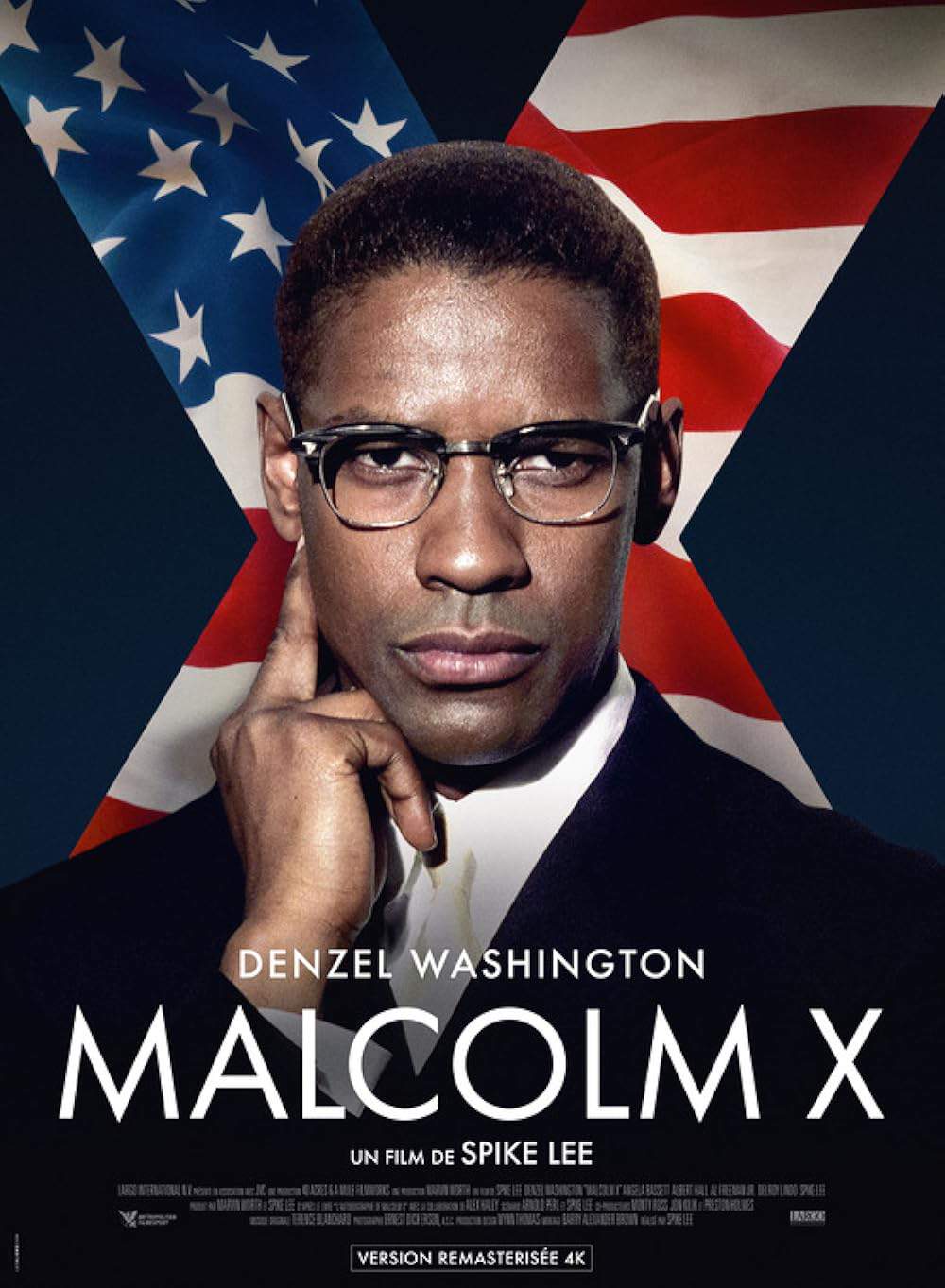
This powerful biography explores the life of Malcolm X, a pivotal figure in the Civil Rights Movement. Directed by Spike Lee and featuring a commanding performance by Denzel Washington, the film examines his controversial journey from a young hustler to a passionate advocate for Black empowerment. It delves into his evolving beliefs, his impact on a nation grappling with racial inequality, and the complexities of his legacy.
Find where to stream, rent, or buy Malcolm X (1992) in the US with current JustWatch availability, up-to-date pricing, and platform listings for subscription, rental, and digital purchase options.
Warning: spoilers below!
Haven’t seen Malcolm X yet? This summary contains major spoilers. Bookmark the page, watch the movie, and come back for the full breakdown. If you're ready, scroll on and relive the story!
Read the complete plot breakdown of Malcolm X (1992), including all key story events, major twists, and the ending explained in detail. Discover what really happened, and what it all means.
As the opening credits commence, the powerful voice of Malcolm X resonates, delivering a compelling speech that boldly addresses the oppression faced by the Black community as a result of white supremacy, directly accusing whites of acts ranging from murder to slavery. This stark narrative is interwoven with gritty footage from 1991, showcasing the brutal beating of Rodney King by police officers, while an American flag burns into an “X”.
We are transported to the Roxbury neighborhood of Boston in the early 1940s, a time when World War II is on the horizon. Here, a young Malcolm Little meets his friend Shorty at a local barber shop, seeking to straighten his hair in hopes of appearing more acceptable to whites. This painful and demeaning process uses a harsh mixture of eggs and lye, leading Malcolm to admire his reflection as he and Shorty step onto the streets clad in vivid “zoot” suits.
In a revealing flashback, Malcolm reflects on his impoverished upbringing in rural Nebraska. He recounts the harrowing moment his family’s home was attacked by the Ku Klux Klan—seeking his father’s life, who was a devoted minister and activist. Tragically, Malcolm’s father was murdered, an act the authorities deemed a mere suicide. His mother, Louise, of mixed Caribbean and European heritage, later faced her own struggles, ending up institutionalized, leaving Malcolm and his siblings to fend for themselves.
Young Malcolm, brimming with potential, aspired to be a lawyer, yet was met with the disheartening reality of racism when a teacher deemed such ambitions “impractical.” Fast forward to 1944, where Malcolm and Shorty, alongside their girlfriends, visit a lively jitterbug club. There, Malcolm encounters Sophia, a white woman enthralled by him. Despite having a devoted girlfriend in Laura, Malcolm’s attention shifts toward Sophia, marked by a troubling interaction that reveals his implicit racial prejudices.
As Malcolm secures employment with a local railroad, he finds himself in Harlem, New York. Here, he meets West Indian Archie, a notorious figure involved in illegal activities, who traps Malcolm in a perilous bet. This chance encounter marks Malcolm’s dive into the world of organized crime, leading to his eventual fallout with Archie after a pivotal betrayal.
Exploring a new path of crime, Malcolm and Shorty embark on a sequence of thefts, driven by desperation and survival. However, their fateful decision ultimately lands them in court, facing a drastically unequal sentencing that sees them imprisoned for several years. In prison, Malcolm’s tough exterior is challenged by Baines, a member of the Nation of Islam, who ignites his journey toward self-discovery.
At first resistant, Malcolm gradually warms to Baines’ teachings about the dynamics of race, language, and the oppressive structures of society. His reluctant acceptance culminates in a profound epiphany, prompting him to embrace Islam and redefine his identity by discarding the surname ‘Little’ and adopting ‘X,’ signifying his lost ancestral roots.
By 1952, now a free man, Malcolm immerses himself in the Nation of Islam’s activities, where he quickly rises to prominence. As he shares his vision with an expanding congregation, he reconnects with Shorty, reaffirming ties to his past while navigating the complexities of his evolving identity. His marriage to Betty Sanders brings new joy, further solidifying his role within the organization. However, Malcolm’s rising influence fosters resentment among others, leading to unforeseen challenges and betrayals, especially after he publicly questions the integrity of Elijah Muhammad and the Nation itself in the wake of personal and political turmoil.
The tragic assassination of President John F. Kennedy sparks further controversy for Malcolm, as he acknowledges its implications within the larger context of systemic violence stemming from a history of racial oppression. Faced with public backlash and intensified scrutiny from within the Nation of Islam, he contemplates his future, culminating in the formation of the Organization for African-American Unity (OAAU) and a transformative trip to Mecca. There, he discovers a universal Islam that transcends racial divides, profoundly changing his perspective on race relations.
Upon returning to America, Malcolm declares an end to advocating for racial separation. This shift, however, places him squarely in the crosshairs of the Nation of Islam, leading to ominous death threats. As tensions heighten, Malcolm prepares for a speaking engagement at the Audubon Ballroom on February 21, 1965, despite foreboding warnings from his allies. Tragically, his commitment to connecting with the community leads to his brutal assassination during his speech, leaving behind a legacy fraught with both hope and tragedy.
The film concludes with poignant reflections on his life, showing how his powerful voice still resonates in the fight for equality, reinforcing his immutable motto: “By any means necessary!”
Last updated: November 03, 2024 at 22:36
Explore frequently asked questions about Malcolm X (1992) with spoiler-rich answers covering the full plot summary, major story beats, character motivations, hidden details, and ending meaning. This movie summary FAQ helps explain confusing scenes, plot twists, and narrative decisions in clear, searchable detail.
Malcolm discarded his surname 'Little' and adopted 'X' while in prison, symbolizing his rejection of the slave name imposed on his ancestors. The 'X' represented his lost ancestral African name, which he could never know due to the historical erasure of enslaved people's identities. This change marked his formal embrace of the Nation of Islam and his commitment to racial empowerment.
Earlier in the film, Malcolm reflects on his family's traumatic history, including the KKK attack that killed his father and the systemic oppression that stripped Black families of their heritage.
During his imprisonment, Malcolm met Baines, a member of the Nation of Islam, who challenged his perceptions about race, language, and systemic oppression. Initially resistant, Malcolm gradually embraced Baines' teachings about the history of Black Americans and the structures of white supremacy. This intellectual transformation provided Malcolm with a framework for understanding his own identity and purpose, leading him to convert to Islam.
The flashback to Malcolm's childhood shows the KKK murdering his father and the authorities covering it up as suicide, planting the seeds of his later radicalization.
Malcolm's pilgrimage to Mecca in 1964 exposed him to a universal form of Islam that transcended racial divisions. He witnessed Muslims of all colors worshipping together as equals, which profoundly challenged the Nation of Islam's beliefs about white people being inherently evil. This experience led Malcolm to conclude that racial separation was not the only path to Black empowerment, and he began advocating for unity across racial lines.
Earlier scenes show Malcolm's rigid beliefs within the Nation of Islam, making his later transformation more significant.
Malcolm was assassinated on February 21, 1965, at the Audubon Ballroom because his changing views on race and his public criticism of the Nation of Islam made him a target. After his trip to Mecca, Malcolm declared he no longer believed in racial separation, which directly contradicted Elijah Muhammad's teachings. This betrayal, combined with his growing influence and public speaking against both white racism and the Nation of Islam's leadership, placed him in mortal danger from multiple factions, including Nation of Islam members.
The film shows Malcolm receiving death threats and warnings from allies not to attend the Audubon Ballroom event, building toward the tragic outcome.
Malcolm's relationship with the Nation of Islam deteriorated after he publicly questioned Elijah Muhammad's moral authority following revelations about Muhammad's extramarital affairs. Additionally, Malcolm's growing prominence and independent views on race relations created jealousy and conflict within the organization. When Malcolm suggested that President Kennedy's assassination was a consequence of America's history of racial violence, the Nation silenced him, leading to his eventual departure and the formation of his own organization.
The film shows Malcolm's rising influence within the Nation and his increasing discomfort with its teachings, particularly regarding his trip to Mecca.
After moving to Harlem to work for the railroad, Malcolm met West Indian Archie, a dangerous figure involved in illegal activities. Archie trapped Malcolm in a perilous bet, marking his introduction to organized crime. Faced with limited economic opportunities due to racism and needing to support himself, Malcolm graduallyembarked on a path of theft and gambling with Shorty. This descent into crime ultimately led to his arrest and imprisonment, setting the stage for his spiritual transformation.
Earlier scenes show Malcolm's aspirations to become a lawyer being crushed by a teacher's racist dismissal, establishing the limited options he perceived available.
When President Kennedy was assassinated in 1963, Malcolm X famously stated that it was a case of 'chickens coming home to roost,' implying that America's history of violence against Black people had finally struck at the highest level of government. This comment, made at a time of national mourning, drew intense backlash from both white America and the Nation of Islam, who believed he was celebrating the president's death. The incident intensified the scrutiny and opposition Malcolm faced from multiple directions.
Earlier scenes establish Malcolm's consistent criticism of systemic racial violence and his willingness to speak uncomfortable truths.
The film opens with Malcolm X delivering a powerful speech about white supremacy while footage of the 1991 Rodney King beating plays and an American flag burns into an X. This stylistic choice by Spike Lee deliberately connects the historical Malcolm X to contemporary racial violence, suggesting that the systemic issues Malcolm fought against persisted decades after his death. It frames the film as not just historical biography but a commentary on ongoing racial injustice.
The opening establishes the film's theme that racial oppression continues through generations, making Malcolm's story eternally relevant.
After leaving the Nation of Islam, Malcolm formed the Organization for African-American Unity (OAAU) in 1964 as a new vehicle for his evolving message. The OAAU represented Malcolm's shift away from racial separation toward broader concepts of unity and human rights. This organization was designed to advocate for Black Americans using whatever means necessary while seeking alliances across racial lines, reflecting his transformative experiences in Mecca.
The formation follows directly from his Mecca pilgrimage and his declaration that he no longer advocated for racial separation.
At the jitterbug club in 1944, Malcolm encounters Sophia, a white woman, and is drawn to her despite having a Black girlfriend named Laura. This encounter reveals Malcolm's internal conflict regarding race and attraction. Though he would later become a fierce advocate for Black empowerment, his interest in Sophia reflects the internalized racial prejudices of the era, where proximity to whiteness was sometimes seen as desirable. This moment humanizes Malcolm by showing his own complicated relationship with racial identity before his transformation.
This scene occurs before Malcolm's ideological awakening, showing the evolution of his beliefs over time.
Malcolm's father, Earl Little, was a devoted minister and activist who was targeted by the Ku Klux Klan in Nebraska. The KKK attacked the family's home seeking Earl's life because of his activism and outspokenness. Earl was murdered, but authorities ruled it a suicide, a common tactic to cover up racially motivated violence against Black families. This traumatic event profoundly shaped Malcolm's childhood and planted the seeds of his later radical activism against white supremacy.
The opening scene's powerful speech about white oppression directly connects to this childhood trauma.
As a bright young student, Malcolm aspired to become a lawyer. However, when he shared this ambition with a teacher, the teacher dismissed it as impractical, a direct result of the systemic racism that limited what society considered achievable for Black students. This crushing realization of how racism could shut doors despite one's talent and ambition stayed with Malcolm and contributed to his later rejection of mainstream American values.
This early disappointment illustrates the limited opportunities available to Black youth, setting the stage for his later embrace of more radical paths.
Discover curated groups of movies connected by mood, themes, and story style. Browse collections built around emotion, atmosphere, and narrative focus to easily find films that match what you feel like watching right now.
Intense films about controversial figures who undergo profound personal and political change.If you were moved by the powerful historical drama of Malcolm X, explore other movies like it. This section features similar true stories of controversial figures grappling with systemic injustice, undergoing radical transformations, and leaving a complex legacy.
The narrative follows a chronological arc, tracing a figure's journey from a formative past through a period of intense ideological awakening and activism, culminating in a legacy shaped by both their impact and the tragedy they often face. The focus is on the personal evolution within a high-stakes political context.
Movies in this thread share a high-intensity, emotionally heavy tone, a steady pacing that builds toward an inevitable climax, and a deep focus on the intersection of personal identity and transformative political action. They are united by their serious approach to complex historical figures.
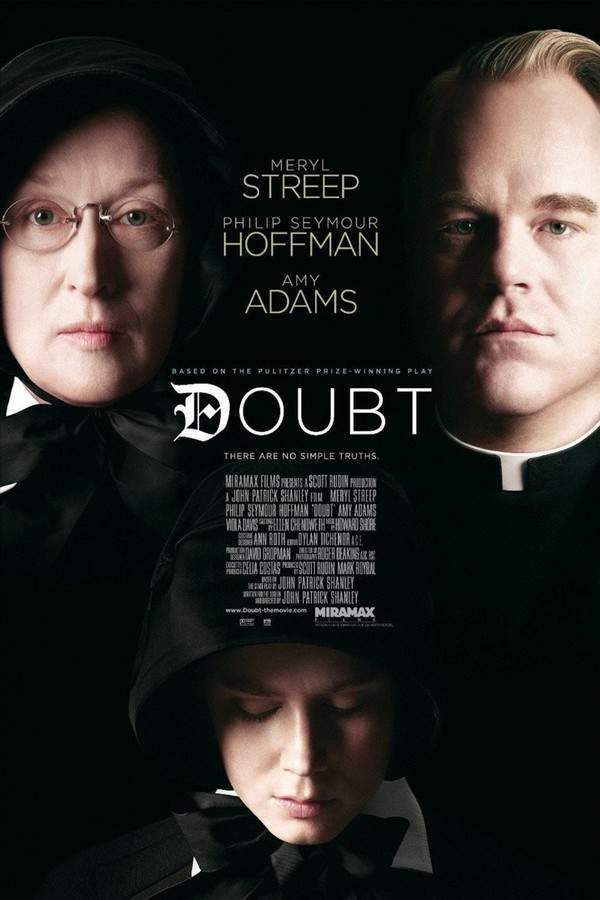
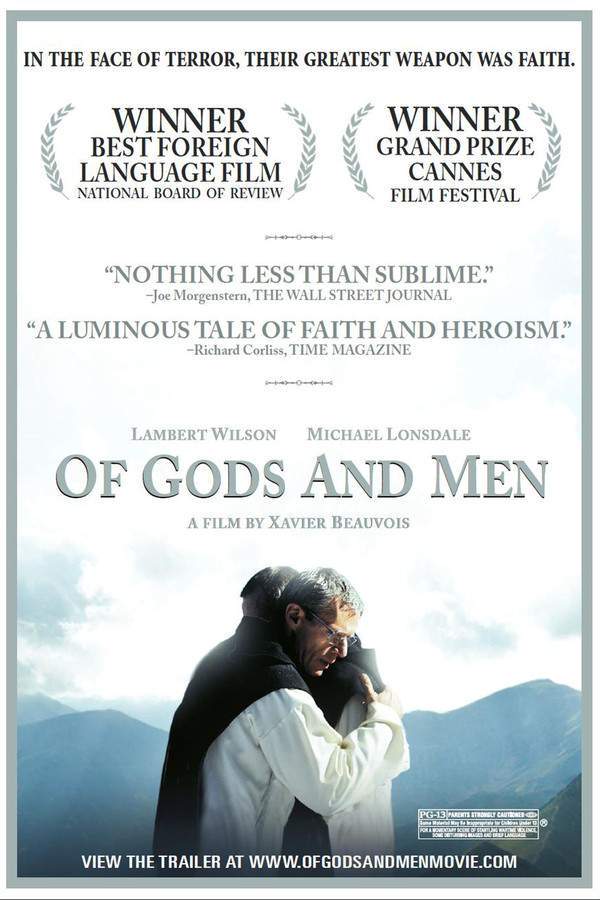
Character-driven dramas about profound faith, disillusionment, and the search for truth.For viewers who appreciated the deep exploration of belief and identity in Malcolm X, this list gathers similar movies about ideological crisis. Discover other powerful stories of characters grappling with faith, dogma, and profound personal transformation.
The central narrative pattern is an internal struggle made external. A character finds structure and purpose in a powerful ideology or institution, only to discover its flaws or contradictions. This leads to a tense period of questioning, conflict with former allies, and a risky journey toward a new, often more nuanced, understanding.
These movies are grouped by their intense focus on a character's internal ideological battle and its external consequences. They share a contemplative yet tense mood, a steady pacing that allows for deep character study, and a theme of searching for truth beyond dogma.
Don't stop at just watching - explore Malcolm X in full detail. From the complete plot summary and scene-by-scene timeline to character breakdowns, thematic analysis, and a deep dive into the ending - every page helps you truly understand what Malcolm X is all about. Plus, discover what's next after the movie.
Track the full timeline of Malcolm X with every major event arranged chronologically. Perfect for decoding non-linear storytelling, flashbacks, or parallel narratives with a clear scene-by-scene breakdown.
Discover the characters, locations, and core themes that shape Malcolm X. Get insights into symbolic elements, setting significance, and deeper narrative meaning - ideal for thematic analysis and movie breakdowns.
Discover movies like Malcolm X that share similar genres, themes, and storytelling elements. Whether you’re drawn to the atmosphere, character arcs, or plot structure, these curated recommendations will help you explore more films you’ll love.
Malcolm X (1992) Scene-by-Scene Movie Timeline
Malcolm X (1992) Movie Characters, Themes & Settings
Malcolm X (1992) Spoiler-Free Summary & Key Flow
Movies Like Malcolm X – Similar Titles You’ll Enjoy
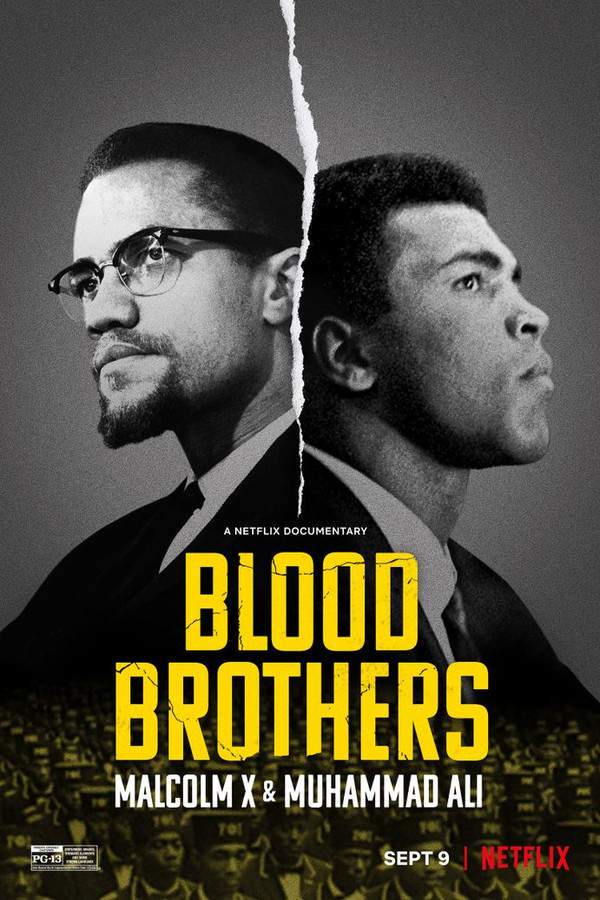
Blood Brothers: Malcolm X & Muhammad Ali (2021) Full Summary & Key Details
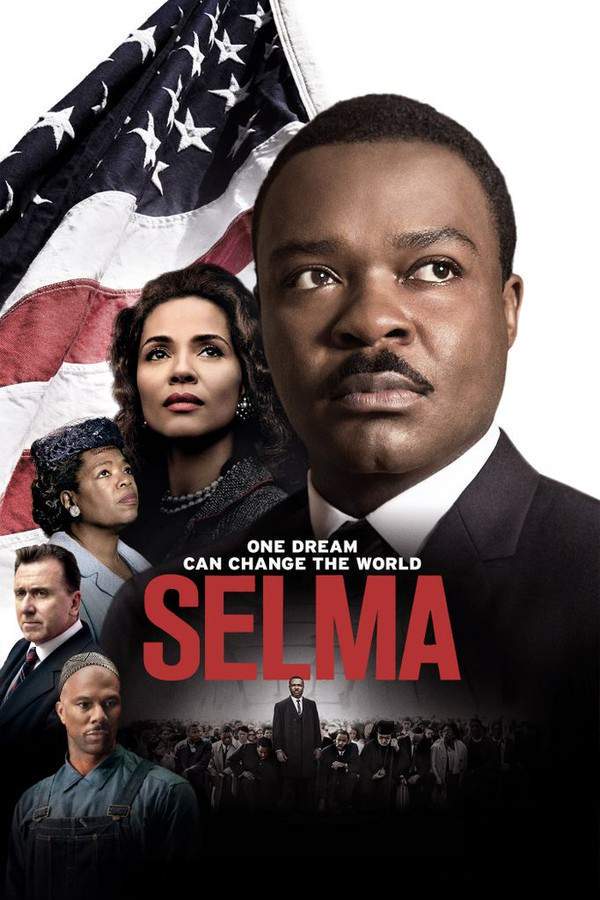
Selma (2014) Full Summary & Key Details
Judas and the Black Messiah (2021) Movie Recap & Themes
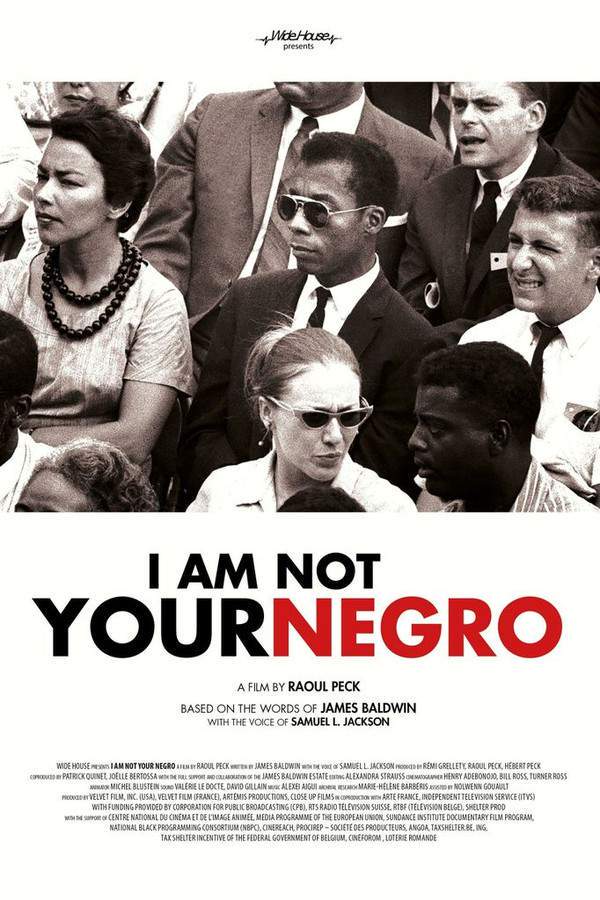
I Am Not Your Negro (2016) Plot Summary & Ending Explained
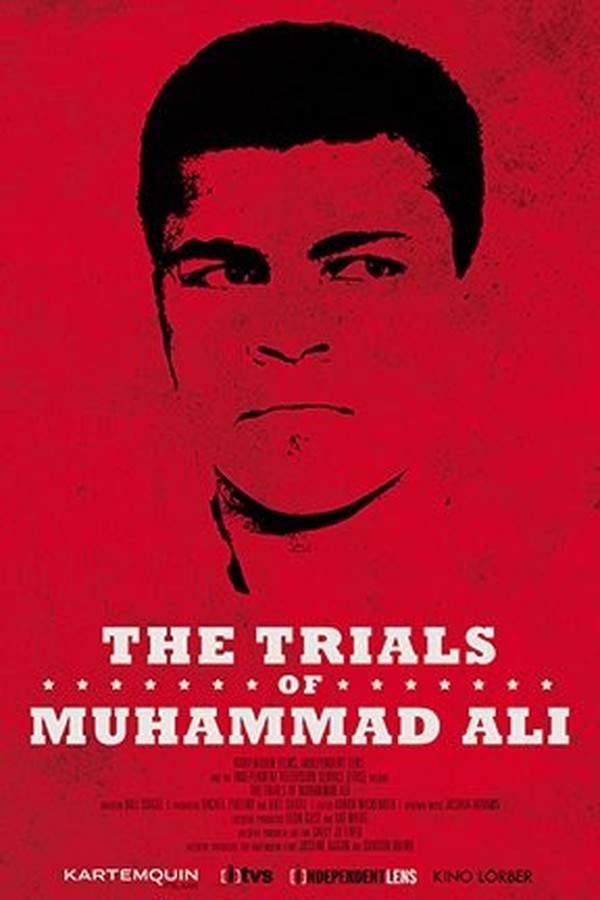
The Trials of Muhammad Ali (2013) Spoiler-Packed Plot Recap
One Night in Miami (2020) Story Summary & Characters
Ali (2001) Spoiler-Packed Plot Recap
Mandela: Long Walk to Freedom (2013) Plot Summary & Ending Explained
Who Killed Malcolm X? (1000) Story Summary & Characters
Death of a Prophet (1981) Complete Plot Breakdown
Malik (2021) Ending Explained & Film Insights
Malcolm X (1972) Movie Recap & Themes
Malcolm X: Make It Plain (1994) Ending Explained & Film Insights
a.k.a. Cassius Clay (1970) Film Overview & Timeline
Seven Songs for Malcolm X (1993) Detailed Story Recap