Plot Explained Spoilers guaranteed!
Plot Explained

Browse by genre

Love Field (1992) movie poster

Characters & Themes

Love Field (1992) Characters, Setting & Themes Explained

Release, runtime and language
1992 · 102 mins · English
Loading streaming availability…
Directed by
Jonathan Kaplan
Starring
Louise Latham, Michelle Pfeiffer, Nick Searcy, Beth Grant, Dennis Haysbert, Troy Evans

Dallas housewife Lurene Hallett lives vicariously through Jacqueline Kennedy, but her world shatters when President Kennedy is assassinated just hours after she watches his arrival in Dallas. Defying her husband Ray’s orders, Lurene travels to Washington, D.C., on a bus, where she befriends Jonell, the young Black daughter of Paul Couter. Her well‑meaning meddling draws the trio into a tense, cross‑racial odyssey, pursued by police and Ray as they journey toward the funeral.

On this page (8)
  1. 1 Where to watch
  2. 2 Characters explained (7)
  3. 3 Where & when it takes place
  4. 4 Themes & meaning (3)
  5. 5 Character & meaning questions
  6. 6 Movie threads
  7. 7 Movies like Love Field
  8. 8 Every angle
Loading streaming availability…

7 main characters · contains spoilers

Love Field Characters Explained: Who Is Who

The main characters of Love Field (1992), heroes and villains: what drives them, how they change over the course of the story and what each of them reveals about the film's bigger ideas.

  • Lurene Hallett (Michelle Pfeiffer)

    Dallas housewife, grieving the loss of her own child while also bearing witness to national mourning after JFK's assassination. She travels to Dallas Love Field to catch a glimpse of Jacqueline Kennedy and ends up embarking on a perilous cross-country journey with Paul and Jonell. Her determination drives the plot as she seeks connection and meaning beyond her stalled marriage.

    • ❄️ Grief-driven
    • 🏃‍♀️ Determined
    • 🧭 Cross-country journey
  • Paul Cater (Dennis Haysbert)

    A protective father figure who rescued Jonell from an abusive orphanage and fights to secure custody across state lines. He travels with Lurene, evading authorities and improvising to keep Jonell safe. His resourcefulness and steadfastness provide a counterpoint to Lurene's impulsive search for connection.

    • 🛡️ Protective
    • 🧭 Resourceful
    • 🧷 Fatherhood
  • Jonell (Stephanie McFadden)

    A young Black girl who bears the marks of an orphanage's abuse and whose father is Paul. Jonell's quiet resilience reveals vulnerability and complexity, and her bond with Lurene shapes the trip's emotional center. Her story highlights vulnerability and the need for trusted guardians.

    • 🧒 Child
    • 🧩 Trust and belonging
  • Mrs. Enright (Louise Latham)

    The mother figure who embodies social judgment and propriety. Her disapproval of interracial companionship surfaces during the journey, but she also embodies the local hospitality that helps the travelers, including lending their car in a pinch.

    • ⚖️ Social norms
    • 👵 Community aid
  • Hazel Enright (Beth Grant)

    Lurene's work associate whose family ties in Tazewell anchor part of the road trip. Hazel's family context grounds the story in small-town life and provides a concrete setting for the journey's encounters.

    • 🏡 Small-town America
    • 🧭 Local ties
  • Ray Hallett (Brian Kerwin)

    Lurene's husband who vetoes her plan to attend the funeral and later clashes with Paul. His presence intensifies the film's tension and dramatizes the strain of a marriage under public grief and private desire.

    • 💢 Domestic conflict
    • 🔒 Authority
  • Jacqueline Kennedy (Rhoda Griffis)

    A symbolic figure of national grief whom Lurene fixates on; the presence underscores the private tether to public mourning and memory during Kennedy's era.

    • 👑 Public memory
    • 🕊️ Iconic figure

Last updated: October 04, 2025 at 14:35

Was this helpful?

Setting

Where and When Does Love Field Take Place?

The setting of Love Field (1992): the year and time period, the places and locations, and how they shape the characters, the mood and the tension of the story.

Time period

1963–1964

The narrative centers on November 22, 1963, the day of Kennedy's assassination, and follows the ensuing grief and public memory. It then extends into 1964, tracking Lurene and Paul as they navigate a national moment of change, travel across America, and confront custody and foster-care realities.

Location

Dallas Love Field, Dallas, Texas, Washington, D.C., Tazewell, Virginia, Foster care group home (Virginia)

The film unfolds across key sites tied to national mourning and personal pursuit. It opens at Dallas Love Field during JFK's visit and assassination, then shifts to Washington, D.C. for the funeral, before moving through rural Virginia to a foster-care setting as Lurene and Paul contend with family and custody.

  • ❄️ Kennedy era
  • 🛣️ Road trip
  • 🏛️ 1960s America
  • 💔 Grief and healing

Last updated: October 04, 2025 at 14:35

Was this helpful?

3 major themes

Love Field Meaning: Themes & Message Explained

What is Love Field (1992) really about? The emotional, social and philosophical themes the film keeps returning to, its symbolism and the message beneath the surface.

  • Grief

    The assassination of Kennedy frames personal sorrow in Love Field, turning private heartbreak into a reflection of a nation in mourning. Lurene's grief guides her choices and fosters a longing for connection. The film treats grief as a catalyst for human bonds rather than solitary sorrow.

  • Interracial Relationship

    A white housewife and a Black father form an unlikely alliance during a cross-country journey, challenging social norms of the era. They face external judgments while choosing trust and care for a vulnerable child. The story uses their bond to explore prejudice, resilience, and the cost of choosing love.

  • Family & Custody

    Jonell's custody dispute highlights what constitutes family beyond bloodlines, and the lengths parents will go to protect a child. Lurene and Paul navigate legal and moral obstacles to keep Jonell safe. The narrative frames family as a chosen, protective bond in the face of societal constraints.

Last updated: October 04, 2025 at 14:35

Was this helpful?

Character & theme questions

Love Field Characters & Meaning: Your Questions Answered

The questions people ask about Love Field (1992): who the characters really are, their relationships, what the symbols mean, where it takes place and what the movie is really about. Each answer contains spoilers.

Q1

What is the significance of Dallas Love Field in the film?

Dallas Love Field serves as the opening setting where Lurene witnesses President Kennedy's arrival and assassination. This location anchors the film's central trauma and sets Lurene on her transformative journey. The airport represents both a personal dream (seeing Jacqueline Kennedy) and a national tragedy that propels the story forward.

  • dallas love field
  • jfk assassination
  • president kennedy
  • dallas
Q2

Why does the story shift to Washington, D.C.?

The story moves to Washington, D.C. because Lurene defies her husband and travels there to attend Kennedy's funeral. This journey transforms from a pilgrimage of national mourning into a cross-racial odyssey as she befriends Paul and Jonell. The capital becomes the starting point for their road trip toward healing and family.

  • washington dc
  • funeral
  • kennedy funeral
  • national mourning
Q3

What role does Virginia play in the story?

Virginia serves as the destination and final challenge in the characters' journey. The story moves through Tazewell, Virginia, where Hazel's family provides support, and ultimately to a foster care group home. These settings represent both the obstacles (custody battle) and potential refuge (chosen family) for Jonell.

  • tazewell virginia
  • foster care
  • road trip
  • family custody
Q4

When does Love Field take place?

The film is set during November 22-24, 1963, the days of Kennedy's assassination and funeral, then extends into early 1964. This time period frames the characters' journey against a nation processing collective grief while also confronting issues of race and family. The historical moment amplifies the personal stakes of each character.

  • 1963
  • 1964
  • november 1963
  • jfk assassination era
  • 1960s america
Q5

How does the film explore grief as a theme?

The film uses Kennedy's assassination as a mirror for Lurene's personal grief over her lost child, turning private sorrow into a shared national experience. Grief becomes a catalyst that drives Lurene toward connection rather than isolation. The story treats mourning as a universal force that can forge unexpected human bonds across racial lines.

  • grief
  • mourning
  • loss
  • national grief
  • personal sorrow
  • healing
Q6

What does the film say about interracial relationships?

Love Field follows a white housewife and a Black father forming an unlikely alliance while traveling across America. Their bond challenges the social norms of 1960s America and faces external judgment throughout the journey. The film explores prejudice, resilience, and the cost of choosing love and trust over societal expectations.

  • interracial relationship
  • racial prejudice
  • cross-racial bond
  • 1960s racism
  • social norms
Q7

How does the film approach family and custody?

Jonell's custody dispute becomes a central conflict that questions what truly constitutes family beyond bloodlines. Lurene and Paul navigate legal and moral obstacles to protect Jonell from an abusive orphanage and an uncertain foster system. The narrative frames family as a chosen, protective bond that people create despite societal constraints and legal barriers.

  • family
  • custody
  • foster care
  • chosen family
  • parental rights
  • child protection
Q8

Who is Lurene Hallett and what drives her?

Lurene Hallett is a Dallas housewife grieving her own lost child who becomes obsessed with Jacqueline Kennedy as a symbol of grace and purpose. After witnessing JFK's assassination, she defies her husband Ray and travels to Washington, seeking meaning beyond her stalled marriage. Her determination and longing for connection drive the entire narrative.

  • lurene hallett
  • housewife
  • grief
  • jacqueline kennedy obsession
  • personal loss
Q9

What is Paul's role in the story?

Paul Cater is a protective Black father who rescued his daughter Jonell from an abusive orphanage and fights to secure custody across state lines. He travels with Lurene, evading authorities while improvising solutions to keep Jonell safe. His resourcefulness and steadfastness provide emotional grounding and counter Lurene's impulsive search for connection.

  • paul cater
  • father
  • protective parent
  • custody fight
  • jonell father
Q10

Why is Jonell important to the story?

Jonell is a young Black girl who has suffered abuse at an orphanage and depends on her father Paul for safety and protection. Her quiet resilience and vulnerability become the emotional center of the story, shaping the bond between all three travelers. Her need for a stable, loving family drives the custody conflict and ultimately unites Lurene and Paul.

  • jonell
  • orphaned child
  • vulnerable child
  • orphanage abuse
  • foster care
Q11

What is Jacqueline Kennedy's role in the film?

Jacqueline Kennedy appears as a symbolic figure whom Lurene fixates on as an embodiment of grace and purpose. Her presence in the film connects Lurene's personal grief to the broader national mourning. This symbolic attachment underscores how private heartbreak reflects public sorrow during Kennedy's era.

  • jacqueline kennedy
  • first lady
  • national grief
  • symbolic figure
  • kennedy legacy
Q12

Is the film's ending hopeful or tragic?

The ending is bittersweet: Paul serves jail time for his actions during the journey and Lurene divorces her husband Ray. However, their final reunion and commitment to raising Jonell together provides a hard-won sense of hope. The film suggests that chosen family can triumph over legal and social obstacles, even when costs are high.

  • ending
  • resolution
  • bittersweet ending
  • chosen family
  • hope
  • jail time

Movie threads

More Movies Like Love Field, by Mood & Story

Curated lists built around what makes Love Field tick: the same mood, the same kind of story or the same emotional payoff. Each list explains why these movies belong together.

Movies about personal journeys through historical events like Love Field

Individual lives are upended and reshaped by major historical events. If you liked how Love Field intertwines a woman's personal grief with the national trauma of JFK's assassination, you'll appreciate these other films. This collection features movies where significant historical moments serve as a catalyst for deep, character-driven journeys of transformation and survival.

  • historical
  • somber
  • reflective
  • gripping
  • hopeful
  • melancholic
  • Tone: bittersweet, reflective, somber
  • Pacing: steady, character-driven
Why these movies?

The story pattern: Movies in this thread typically begin with a seismic historical event that shatters a character's mundane world. The protagonist is then propelled on a physical or emotional journey, often a literal or figurative road trip, where they must confront new realities, social injustices, or their own prejudices, culminating in a fundamentally changed perspective.

Why they belong together: We group these films together because they share a core structure: history as a disruptive force on the individual. They blend a heavy emotional weight with a steady, reflective pacing, focusing on character transformation against a well-defined historical backdrop. The tone is often bittersweet, acknowledging loss while finding glimmers of human connection.
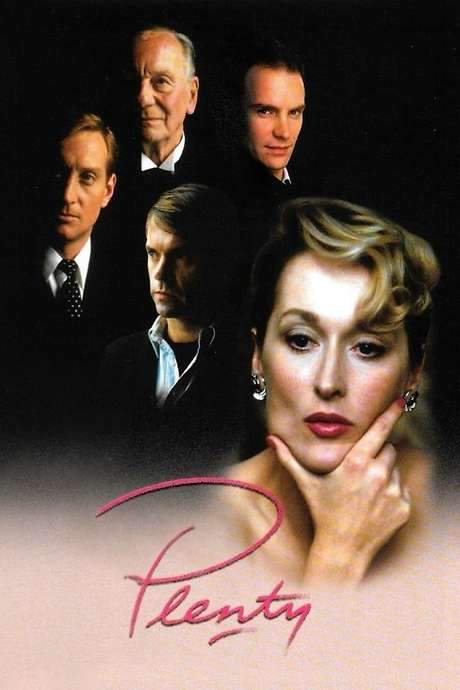
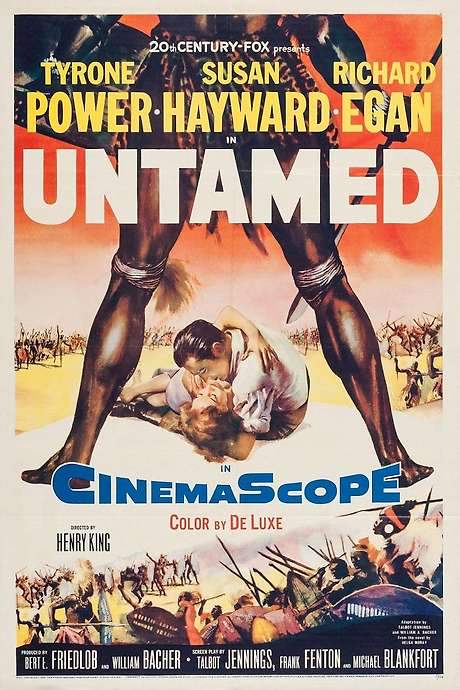
Movies about tense road trips and unlikely bonds like Love Field

Mismatched companions find connection on a fraught journey away from danger. Fans of the cross-racial odyssey and evolving bond between Lurene, Paul, and Jonell in Love Field will find similar tension and connection here. These movies feature mismatched characters on the run or in transit, navigating external dangers while building a complex, found-family dynamic.

  • tense
  • gripping
  • hopeful
  • dramatic
  • road trip
  • found family
  • Tone: tense, bittersweet, hopeful
  • Pacing: steady, suspenseful
Why these movies?

The story pattern: The narrative follows a linear journey—often a road trip or flight from pursuers—that serves as a pressure cooker for character development. Initial distrust and social barriers (like racial tension) gradually break down through shared hardship. The journey is as much about internal growth and overcoming prejudice as it is about reaching a physical destination.

Why they belong together: These films are grouped by their shared structure of a tense journey that catalyzes deep interpersonal connections. They typically feature a steady or variable pace that builds suspense, a medium to high intensity from the pursuit and social conflict, and a bittersweet or hopeful emotional resolution for the newfound alliance.

If you liked this

Movies Like Love Field

Similar movies to Love Field: the same genre, themes or kind of story. Each one comes with its own plot summary, timeline and ending explained.

Browse all movie summaries

Every angle

Love Field (1992) Explained: Plot, Timeline & Characters

Everything about Love Field in one place: what happens in the plot summary, the timeline in chronological order, the characters and meaning and a spoiler-free summary. What's After the Movie adds the cast, box office and post-credit scenes.

Coming soon on iOS and Android

The Plot Explained Movie Summary App

Plot summaries, endings explained and timelines on your phone. Catch up on any movie in minutes, save your favorites and never miss a twist again.

Be the first to know when we launch. Your email stays private, always.

Learn more about the app