Recently orphaned teen Troy Leigh-Anne Johnson plays Emma, a wary and resourceful girl who is trying to steady life for her and her younger sister Lilly in a house full of relatives she’s only just getting to know. Lilly is a bright, curious seven-year-old who clings to Emma as they navigate a big, unfamiliar world after their loss. The sisters’ new routine is upended one night when Emma finds herself the target of a wake-up prank that involves her cousin Taylor, Isabel May, and Taylor’s trio of friends: Madison, Odessa A’zion; Jess, Brooke Sorenson; and Paige, Jessica Sarah Flaum. The four teens slip into the house through a window or door unknown to the adults, sparking a tense, mischievous energy that quickly shifts the mood from playful to unsettling.
The night is charged with a sense of danger even before the prank fully unfolds. Their paranoid Uncle Vince, a man who has spent years patrolling the hallways of this house, becomes a looming, watchful presence in the background of every exchange. He is a figure who seems to know more than he says, and his muffled warnings echo through the rooms as the prank veers toward something more ominous than a simple joke. Across the street sits a house with a whispered history: years ago, a stray bullet killed a boy, and the boy’s mother, Ms. Dürer, associated with occult rumors, died alone shortly afterward. The house has stood empty for years, until a single father and his unseen teenage daughter Julie move in, an arrangement that the girls interpret as ripe for mischief. The sense that something older and darker lingers in the neighborhood begins to creep into their conversation and their plans.
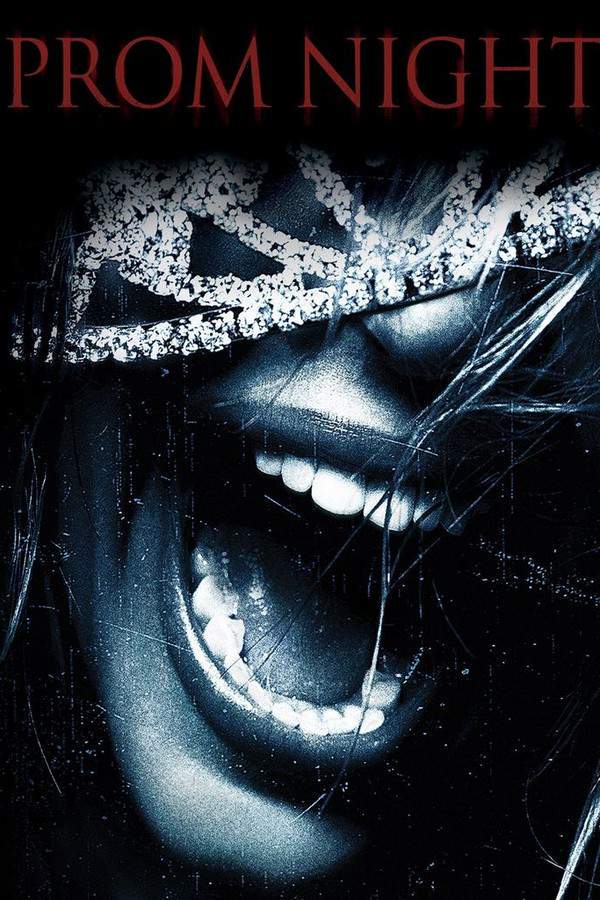
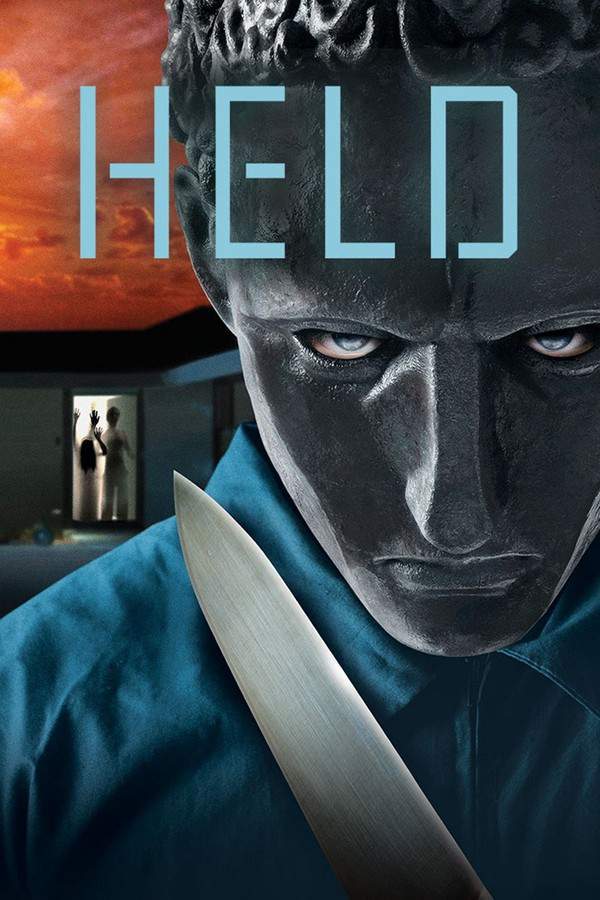
The girls’ plan is simple on the surface: rattle Julie’s sleep and see how she responds, to prove themselves as part of a group and to belong in a world that often feels unsafe and uncertain. Emma volunteers to retrieve a key to Julie’s house, hoping to keep up with the others and maybe earn a sense of belonging she’s been craving. The plan unfolds with creepy, playful energy as the group dons light-up masks and crosses the street, while Lilly, left behind in the care of Emma, is later found to be missing from her room. The tension ratchets up as Paige returns from Julie’s house, frightened, and the others realize that something more serious has occurred than a simple prank. The group’s dynamic—bright, impulsive, and hungry for acceptance—begins to unravel under the weight of the fear their actions have stirred.
What follows is a chilling chain of discoveries and near misses. Lilly’s disappearance raises the stakes dramatically, and a series of eerie events—the call to Jess that ends in screams, the unanswered questions, and the unsettling tale shared by Uncle Vince about a gun accident across the street—push Emma to confront the possibility that the night has darker consequences than they anticipated. She pleads with Paige, who is behind a locked bathroom door, to tell the truth, hoping for some rational explanation. When Paige goes silent, Emma must read the situation for what it is and press on, driven by worry for Lilly and the nagging fear that their bravado has summoned something real and dangerous.
The search leads Emma across the street to Julie’s house, where she discovers a grim tableau: Julie is dead, and a burn victim is said to be recuperating at home. A sense of dread thickens the air as Julie’s dad returns, forcing Emma to hide and Lilly to be found in the basement, terrified and pleading for safety. The girls’ plan is exposed, and the two sisters race back to their own home, only to be confronted by the stark possibility that the world they believed in is far more perilous than they imagined. Emma’s fear intensifies as she spots Ms. Dürer—no longer a rumor but a lurking, emissarial presence standing in the doorway or at the top of the stairs—before she makes a desperate choice to protect Lilly and confront the shadows that have followed them from across the street.
Back at home, the night’s revelations prompt Emma to reflect on the consequences of cruelty and the ways in which fear can blur the line between prank and peril. She recalls a teen named Shannon, who was bullied and who died by suicide, and she begins to theorize that the house’s spectral figure of Ms. Dürer seeks vengeance on those who harm others. The fear intensifies into a resolve to do right, even as the boundary between protection and danger grows increasingly fragile. The film builds toward a claustrophobic, vertigo-inducing finale in which Emma confronts the possibility that the haunting may be real, and the house itself may be pulling her and Lilly deeper into a darkness with no clear bottom.
Throughout the ordeal, Emma’s internal struggle is rendered in a steady, controlled manner that keeps the suspense grounded in plausible, human reactions rather than sensational shocks. The central trio of ideas—belonging, consequence, and the fear of a haunted past—are threaded through the night’s events in a way that keeps the focus on the sisters’ relationship and the choices they make when faced with fear and the unknown. The story grips with its restrained, almost clinical approach to danger, avoiding over-the-top horror in favor of a more intimate, psychological tension that lingers long after the last scene.
> be good to people no matter what
In the end, the haunting and the night’s revelations leave Emma with a stark moral resolve: to treat others with empathy and kindness, even when the world around her seems to be closing in. The closing images imply that the darkness is not just a place but a state of mind—one that follows a person who has witnessed fear, cruelty, and loss. The film closes on a note of quiet, uneasy possibility, leaving the audience to ponder how a single night of mischief can ripple outward, reshaping lives and revealing the thin line between prank and tragedy.