
Justice League: Crisis on Two Earths
Year: 2010
Runtime: 75 mins
Language: English
Directors: Sam Liu, Lauren Montgomery
When the Justice League faces a parallel universe, a heroic Lex Luthor enlists them to rescue his world from the Crime Syndicate, a dark mirror of the heroes. The clash escalates into a galaxy‑spanning war that endangers both Earths, while Owlman’s cunning scheme threatens the balance of all reality.
Where to Watch Justice League: Crisis on Two Earths?
Find where to stream, rent, or buy Justice League: Crisis on Two Earths (2010) in the US with current JustWatch availability, up-to-date pricing, and platform listings for subscription, rental, and digital purchase options.







Warning: spoilers below!
Haven’t seen Justice League: Crisis on Two Earths yet? This summary contains major spoilers. Bookmark the page, watch the movie, and come back for the full breakdown. If you're ready, scroll on and relive the story!
Justice League: Crisis on Two Earths (2010) – Full Plot Summary & Ending Explained
Read the complete plot breakdown of Justice League: Crisis on Two Earths (2010), including all key story events, major twists, and the ending explained in detail. Discover what really happened, and what it all means.
In an alternate universe, the story begins with a daring heist at the Crime Syndicate’s headquarters, where Lex Luthor and a villainous figure known as the Jester are attempting to steal a powerful device called the Quantum Trigger. After successfully securing the device, they try to escape, but the alarm alerts the Syndicate members, prompting a frantic chase. To ensure Luthor’s survival, the Jester sacrifices himself by detonating a bomb, killing both [J’edd J’arkus] and Angelique, who had just stabbed him with her flaming sword, in a heroic but tragic act of sacrifice.
Luthor is confronted by the remaining Syndicate members but uses his dimensional travel device to escape to the Earth of the Justice League, where he is mistaken for an evil version of himself from that world. He turns himself into the police, knowing they will see him as the villain from the alternate universe. Superman, with his x-ray vision, quickly confirms that Luthor’s organs are reversed—proof of his origin from a parallel Earth—and informs the League that the real Luthor is still imprisoned on their Earth. The Justice League agrees to hear Luthor’s story, as he explains that his world is being held hostage by the Syndicate, which has taken control of the planet and systematically eliminated their Justice League counterparts. The only thing preventing total domination is a looming threat of nuclear retaliation.
While outside the League’s meeting room, Luthor secretly hides the Quantum Trigger. The League agrees to help, except for Batman, who argues that they are already stretched too thin to handle problems in both worlds. Luthor then uses his device to teleport the League to his universe, leaving Batman to stay behind and complete the construction of the Watchtower.
The League’s members arrive on Luthor’s Earth and soon find themselves embroiled in a conflict with the Syndicate. They undertake a daring rescue mission and manage to capture Ultraman, the evil counterpart of Superman. However, US President Slade Wilson orders Ultraman’s quick release, asserting that cooperation with the Syndicate is necessary to save millions of lives, despite Lex Luthor and the League’s objections. Wilson explains that his decision is driven by a desire to protect his people, and his daughter, Rose Wilson, views him as a coward. J’onn J’onzz, the Martian Manhunter, inadvertently reads Rose’s mind and later reassures her, explaining that Wilson’s military background makes him value life deeply. J’onn even saves Rose from an assassination attempt, and from that moment, a romance begins to blossom.
Meanwhile, Owlman, the evil counterpart of Batman, is developing a dangerous weapon called the Quantum Eigenstate Device (Q.E.D.), which can potentially destroy entire worlds. As Wonder Woman, the counterpart of [Superwoman], questions Owlman about its destructive power, he admits that it can obliterate entire universes—an act he believes is necessary to matter in a multiverse where infinite parallel worlds exist. Driven by this nihilistic philosophy, Owlman becomes obsessed with finding and destroying Earth-Prime, the original universe from which all others branched. He hopes that by destroying Earth-Prime, he can erase all alternate realities, believing that this is the only “meaningful” action.
The League confronts the Syndicate on their moonbase in a chaotic battle where heroes face off against their evil counterparts. During this clash, Owlaman activates the Q.E.D. and sets course for Earth-Prime. Batman quickly deduces which universe is Earth-Prime, but with no way to reach it, all hope seems lost. A daring plan emerges—Johnny Quick, the super fast hero, uses his speed to match the vibrations of his molecules with the universe’s temporal vibration, opening a portal to Earth-Prime. Batman prepares to confront Owlman, who is equally matched in intelligence but superior in combat. In a tense showdown, Batman outsmarts Owlman, sending him and the Q.E.D. to an uninhabited Earth just before the device explodes. In a last grim act, Owlman chooses not to disarm the bomb and dies in the blast, claiming, > “It doesn’t matter.”
Back on the Syndicate’s world, Johnny Quick succumbs to the vibrations’ effects and ages rapidly, a result of the vibrational mechanics Batman anticipated. The remaining Syndicate members—Ultraman, Superwoman, and the Green Lantern counterpart, Power Ring—are swiftly arrested by U.S. Marines led by President Wilson himself. He thanks the Justice League for restoring their world and ensures they return to their own universe.
Upon return, Wonder Woman keeps her cloaked plane, a memento from Owlman’s universe. Recognizing the threats posed by an overstretched League, Batman considers expanding their ranks and invites more heroes, including [Aquaman], Red Tornado, Black Lightning, Firestorm, and Black Canary, to join their growing team. As they look to the future, the League begins to solidify, committed to protecting not just their Earth but the multiverse from threats like those they recently faced, ensuring that the sacrifices of heroes like Jester and Owlman are not in vain.
Last updated: August 05, 2025 at 06:58
Justice League: Crisis on Two Earths (2010) Plot Questions Answered – Summary FAQ
Explore frequently asked questions about Justice League: Crisis on Two Earths (2010) with spoiler-rich answers covering the full plot summary, major story beats, character motivations, hidden details, and ending meaning. This movie summary FAQ helps explain confusing scenes, plot twists, and narrative decisions in clear, searchable detail.
Why did the Jester sacrifice himself?
The Jester sacrificed himself to ensure Lex Luthor could escape with the Quantum Trigger. When the alarm was triggered during their heist at the Crime Syndicate headquarters, the Jester detonated a bomb that killed himself, J'edd J'arkus, and Angelique (who had just stabbed him with her flaming sword), creating a distraction that allowed Luthor to activate his dimensional travel device and flee.
Earlier in the heist, the Jester and Luthor had already secured the Quantum Trigger, making their escape the primary objective.
Why did Lex Luthor turn himself in to the police?
Luthor turned himself in because he knew he would be mistaken for the evil version of Lex Luthor from the Justice League's Earth. He deliberately used this misunderstanding to get arrested and gain access to the Justice League, where he could explain the crisis happening on his alternate Earth and request their help against the Crime Syndicate.
Luthor intentionally used his dimensional travel device to arrive on the Justice League's Earth, knowing the inhabitants would view him with suspicion.
Why did President Wilson release Ultraman?
President Wilson released Ultraman because he believed cooperating with the Crime Syndicate was necessary to save millions of lives. His world was under constant threat of nuclear retaliation from the Syndicate, and he made the difficult political decision to appease them rather than risk catastrophic destruction. This decision was driven by his military background and deep value for protecting human life, though it made him appear cowardly to his daughter Rose.
Earlier, Luthor explained that nuclear retaliation was the only thing preventing the Syndicate's total domination.
What is Owlman's motivation for destroying Earth-Prime?
Owlman believes that destroying Earth-Prime, the original universe from which all parallel worlds branched, would erase all alternate realities, including his own. He views this as the only truly meaningful action in a multiverse where infinite versions of everything exist. His nihilistic philosophy holds that nothing matters in an infinite multiverse, so destroying the source of all existence would be the one act with genuine significance.
When questioned by Wonder Woman about the Q.E.D.'s destructive power, Owlman explicitly stated it could obliterate entire universes and that he believed such destruction was necessary.
How did Johnny Quick open the portal to Earth-Prime?
Johnny Quick used his super-speed ability to match the vibrational frequency of his molecules with Earth-Prime's temporal vibration. By synchronizing his molecular vibration with the universe's temporal vibration, he was able to phase through dimensional barriers and open a portal to Earth-Prime. However, this technique caused him to age rapidly due to the strain of the vibrational mechanics involved.
Batman had anticipated the vibrational effects and warned that the plan would have consequences, which proved true as Quick aged dramatically after crossing over.
Why did Owlman choose to die?
Owlman chose not to disarm the bomb and died in the Q.E.D.'s explosion because of his nihilistic philosophy. After Batman outwitted him and sent him to an uninhabited Earth with the weapon, Owlman activated the device anyway, declaring 'It doesn't matter.' He saw death as meaningless in a multiverse where nothing truly matters, and choosing to die rather than disarm the bomb was consistent with his belief that only destruction holds significance.
Owlman's earlier dialogue established his belief that nothing matters in an infinite multiverse, making his choice to die rather than surrender logically consistent with his character.
Why did Batman stay behind instead of going to the alternate Earth?
Batman chose to stay behind because he argued the Justice League was already stretched too thin to handle problems in both worlds. He stayed to complete the construction of the Watchtower, which would serve as a base of operations and help coordinate efforts between dimensions. His decision proved strategic, as it allowed him to deduce which universe was Earth-Prime and formulate the plan to stop Owlman.
Batman's initial reluctance to help Luthor, citing resource constraints, foreshadowed his later pivotal role in solving the Earth-Prime mystery.
Why did J'onn J'onzz read Rose Wilson's mind?
J'onn J'onzz inadvertently read Rose Wilson's mind while she was hiding her fears about her father's decisions during an assassination attempt. As a Martian with telepathic abilities, he picked up on her emotional state and later used this connection to reassure her about her father's motivations. This incident sparked a romance between them, with J'onn explaining that Wilson's military background made him value life deeply, which explained his seemingly cowardly choices.
Rose had publicly viewed her father as a coward for cooperating with the Syndicate, and J'onn's telepathic ability allowed him to understand both her fears and her father's true motivations.
How did the Justice League capture Ultraman?
The Justice League captured Ultraman during a daring rescue mission on Lex's Earth. After arriving in the alternate universe, they undertook a major operation against Syndicate targets, successfully ambushing and overpowering Ultraman, the evil counterpart of Superman. This capture was a significant victory that temporarily weakened the Syndicate's leadership.
The League had regrouped at Jester's base to formulate plans for attacking Syndicate targets after their initial confrontation forced a retreat.
Why did Wonder Woman keep the cloaked plane?
Wonder Woman kept the cloaked plane she took from Owlman's universe as a memento of the battle and the threats they faced. The plane served as a reminder of the sacrifice of heroes like the Jester and the challenges of the multiversal conflict. It also represented her connection to the alternate Earth and the personal stakes involved in saving both worlds.
The plane was part of the equipment from Owlman's base, which the League utilized during their operations in the alternate universe.
How did Superman know Luthor was from a parallel Earth?
Superman used his x-ray vision to examine Lex Luthor and discovered that his organs were reversed, a biological impossibility on their Earth but normal in the alternate universe. This physical proof confirmed Luthor's claim that he came from a parallel Earth and was not the evil Luthor of their world, which was still imprisoned.
Superman's x-ray vision had already been established as a power earlier in the story.
Why didn't the Syndicate already conquer Lex Luthor's Earth?
The Crime Syndicate maintained control of Lex's Earth through the constant threat of nuclear retaliation. While they had eliminated the Justice League counterparts and taken over the planet, the looming possibility of nuclear destruction kept the population in check and prevented full-scale rebellion. This nuclear deterrent was the only thing preventing total domination and resistance movements.
Luthor explained to the Justice League that nuclear retaliation was the only barrier to the Syndicate's complete control.

Explore Movie Threads
Discover curated groups of movies connected by mood, themes, and story style. Browse collections built around emotion, atmosphere, and narrative focus to easily find films that match what you feel like watching right now.
Multiverse War Movies like Justice League: Crisis on Two Earths
Heroes battle dark mirror versions of themselves to save multiple realities from collapse.If you enjoyed Justice League: Crisis on Two Earths, explore more movies featuring heroic battles across parallel universes. These films, often from the sci-fi and superhero genres, pit heroes against dark counterparts in high-stakes conflicts that threaten the balance of all reality.
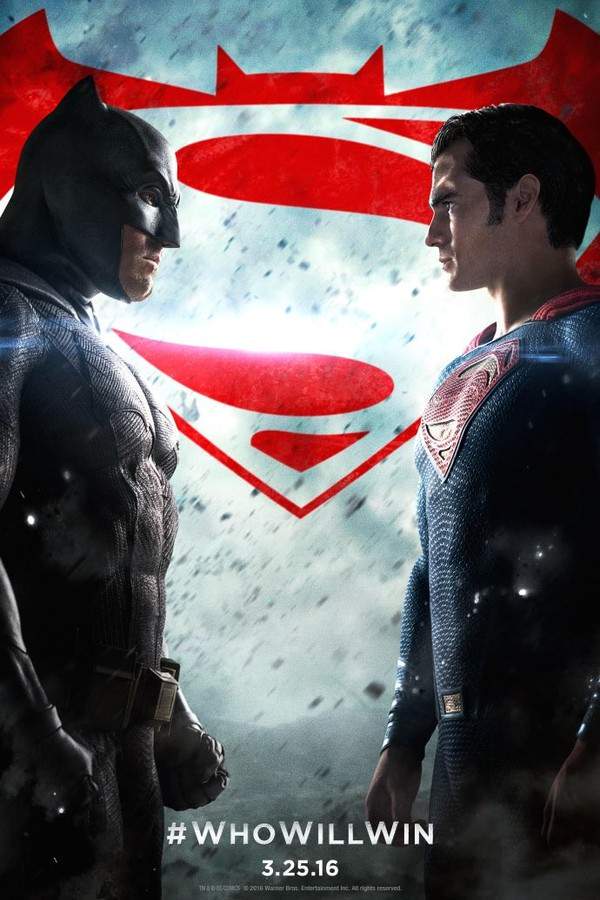
Batman v Superman: Dawn of Justice
2016
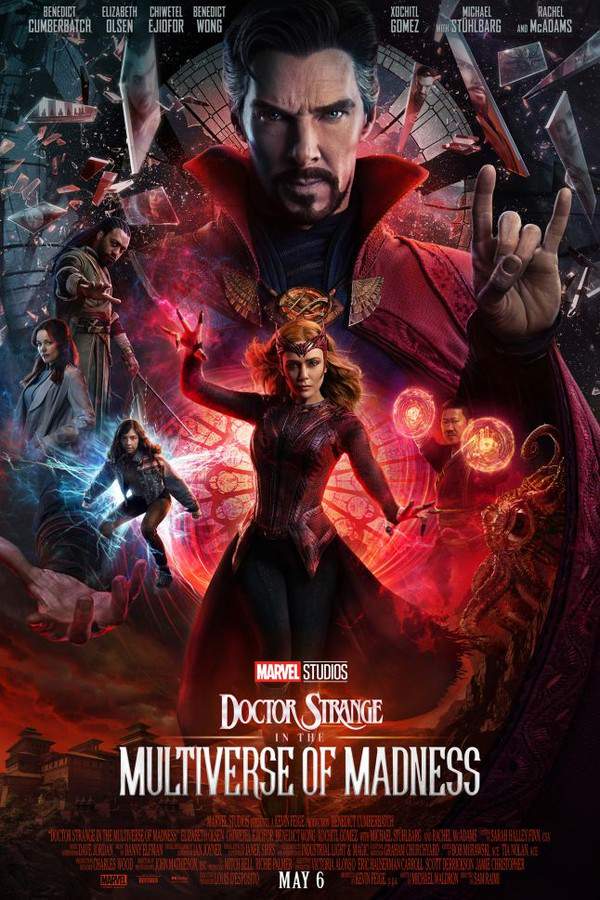
Doctor Strange in the Multiverse of Madness
2022
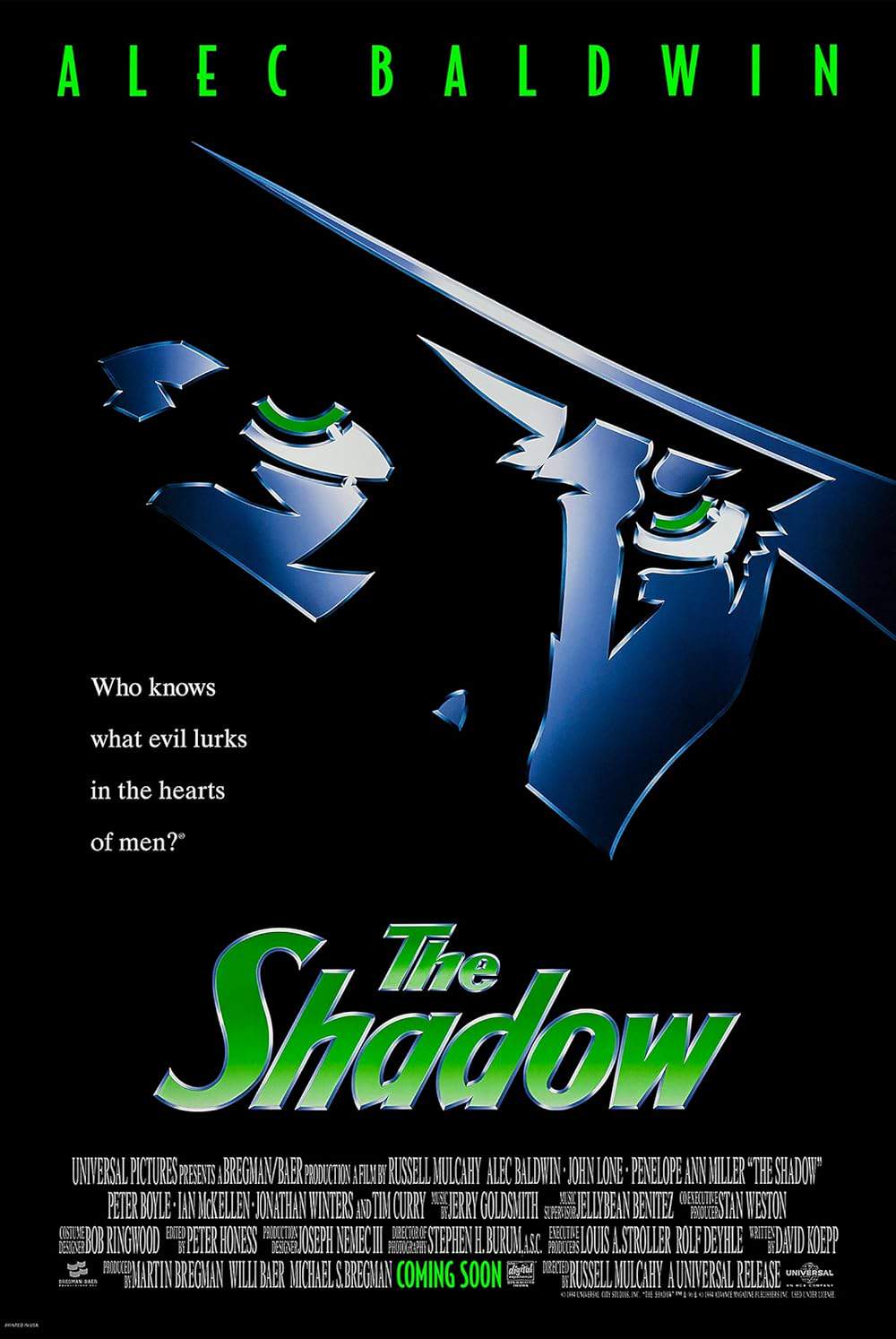
The Shadow
1994
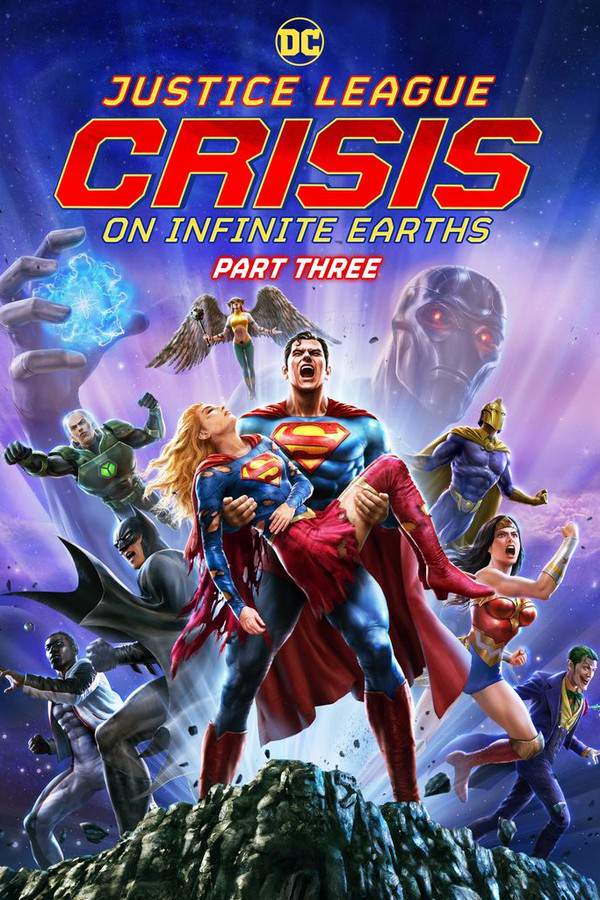
Justice League: Crisis on Infinite Earths - Part Three
2024
Justice League: Crisis on Two Earths
2010

All Superheroes Must Die
2011

Justice League: The Flashpoint Paradox
2013

Marvel Zombies vs. Army of Darkness
2013

Avengers Grimm
2015

Ultramarines: A Warhammer 40,000 Movie
2010

Justice League: Gods and Monsters
2015

Superman: Doomsday
2007

Justice League Dark: Apokolips War
2020

Batman: Soul of the Dragon
2021

Justice League: Warworld
2023
Narrative Summary
The narrative typically begins with the discovery of or intrusion from a parallel universe, introducing a 'evil counterpart' threat. This escalates into a large-scale conflict where the heroes must understand and combat a nihilistic or destructive philosophy, often involving a race against time to prevent universal annihilation, culminating in a final, reality-defining confrontation.
Why These Movies?
Movies are grouped here for their shared core concept of a multiversal conflict, the presence of morally inverted characters, and the high-stakes, cosmic threat to existence. They blend fast-paced superhero action with darker, philosophical themes about good, evil, and the nature of reality.
Dark but Hopeful Superhero Movies like Justice League: Crisis on Two Earths
Gritty, action-packed hero stories that grapple with dark themes but end on a hopeful note.Find movies similar to Justice League: Crisis on Two Earths that deliver a dark, intense superhero experience balanced by a hopeful ending. These animated and live-action stories often involve moral conflicts, high stakes, and heroic sacrifice, but conclude with a positive, forward-looking resolution.
The Shadow
1994
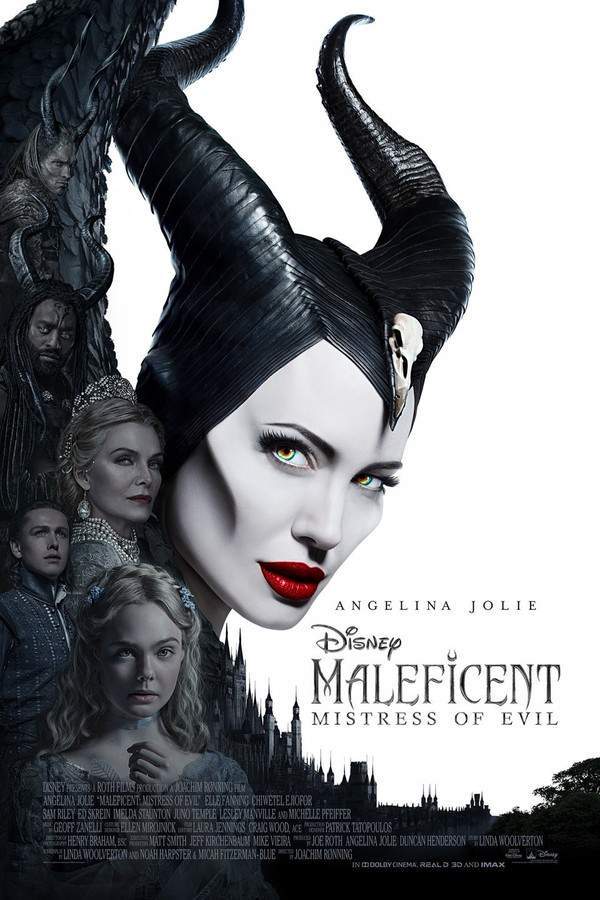
Maleficent: Mistress of Evil
2019
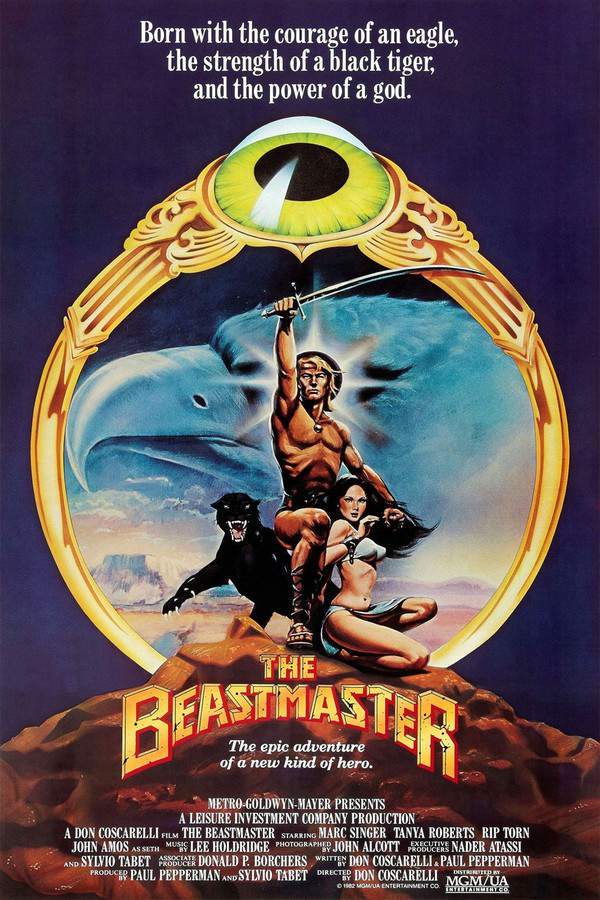
The Beastmaster
1982

Legend of the Guardians: The Owls of Ga'Hoole
2010
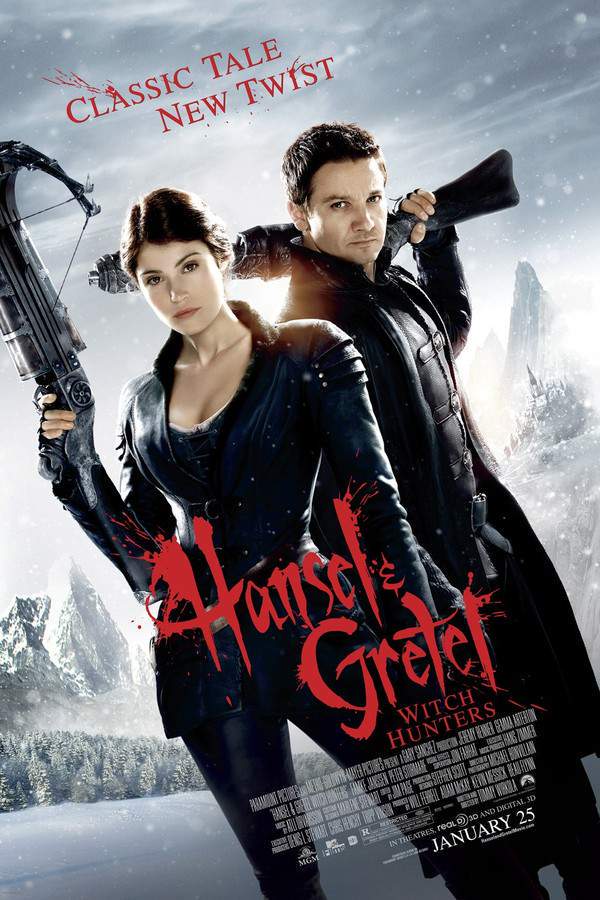
Hansel and Gretel: Witch Hunters
2013
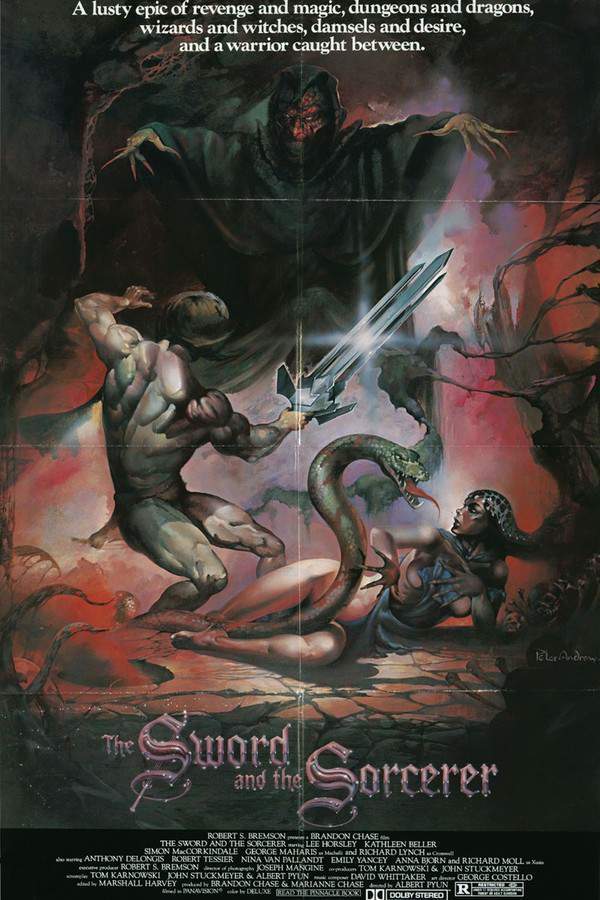
The Sword and the Sorcerer
1982
Highlander II: The Quickening
1991
Justice League: Crisis on Two Earths
2010

Batman Unlimited: Animal Instincts
2015

The Batman vs. Dracula
2005
Sorceress
1982

DC Showcase: The Phantom Stranger
2020

Metalstorm: The Destruction of Jared-Syn
1983

Hellboy II: The Golden Army - Zinco Epilogue
2008

Kull the Conqueror
1997
Narrative Summary
Stories in this thread follow a pattern where heroes face a threat that is not only physically powerful but also ideologically dark or nihilistic. The middle act is often tense and grim, pushing the heroes to their limits. The climax involves overcoming this darkness through unity and sacrifice, leading to an ending that, while acknowledging the cost, is fundamentally hopeful and restorative.
Why These Movies?
These films are united by a specific tonal balance: they maintain a dark, serious tone throughout with high-intensity action and philosophical weight, yet they avoid bleakness by concluding with a happy or hopeful ending. This creates a satisfying, emotionally resonant experience that is intense but not despairing.
Unlock the Full Story of Justice League: Crisis on Two Earths
Don't stop at just watching - explore Justice League: Crisis on Two Earths in full detail. From the complete plot summary and scene-by-scene timeline to character breakdowns, thematic analysis, and a deep dive into the ending - every page helps you truly understand what Justice League: Crisis on Two Earths is all about. Plus, discover what's next after the movie.
Justice League: Crisis on Two Earths Timeline
Track the full timeline of Justice League: Crisis on Two Earths with every major event arranged chronologically. Perfect for decoding non-linear storytelling, flashbacks, or parallel narratives with a clear scene-by-scene breakdown.

Characters, Settings & Themes in Justice League: Crisis on Two Earths
Discover the characters, locations, and core themes that shape Justice League: Crisis on Two Earths. Get insights into symbolic elements, setting significance, and deeper narrative meaning - ideal for thematic analysis and movie breakdowns.


