Plot Explained Spoilers guaranteed!
Plot Explained

Browse by genre

It Happened to Jane (1959) movie poster

Timeline

It Happened to Jane (1959) Timeline Explained – Every Event in Order

Release, runtime and language
1959 · 97 mins · English
Directed by
Richard Quine
Starring
Dick Crockett, Parker Fennelly, Jack Lemmon, Steve Forrest, Doris Day, Russ Brown

Jane Osgood runs a modest lobster business that provides for her two young children. When careless railroad employees damage her shipment, she and her attorney George sue the line’s director, Harry Foster Malone, known as the “meanest man in the world.” Determined and resourceful, Jane confronts the powerful railroad in a spirited battle for justice.

On this page (6)
  1. 1 Where to watch
  2. 2 Events in order (15)
  3. 3 Timeline questions answered
  4. 4 Movie threads
  5. 5 Movies like It Happened to Jane
  6. 6 Every angle

Where to watch

Where to Watch It Happened to Jane (1959)

Where can you watch It Happened to Jane? Stream, rent or buy it in the US, including on fuboTV, Tubi TV and Amazon Video: current JustWatch availability with up-to-date prices.

Streaming availability powered by JustWatch

15 events in order · contains spoilers

It Happened to Jane Timeline: Events in Chronological Order

Every key event of It Happened to Jane (1959) in order, scene by scene, with when and where it takes place. Use it to untangle flashbacks, time jumps and parallel storylines, to refresh your memory before the sequel or to find the exact scene you are thinking of.

  1. Lobster spoilage triggers lawsuit

    In May 1959, an error by the E&P railroad causes 300 lobsters to spoil, threatening Jane Osgood's business. She enlists her lawyer friend George Denham to pursue compensation from the railroad for lost orders and damaged reputation. This set the stage for a tense conflict between a small-town entrepreneur and a distant corporate power.

    When
    May 1959
    Where
    Cape Anne, Maine
  2. Malone learns of the suit and sends agents

    From the E&P offices in New York City, Harry Foster Malone learns about the lawsuit and the potential public relations disaster. He dispatches Crawford Sloan and Selwyn Harris to Cape Anne to blunt the blow and manage the situation. The confrontation shifts from a local dispute to a national affair.

    When
    May 1959
    Where
    New York City
  3. Initial settlement offer rejected

    Sloan and Harris offer Jane $700 in compensation, which she refuses because the amount doesn't cover lost future orders or the damage to her business's reputation. George vows to pursue full restitution through the courts. The bargain sets up an ongoing legal battle.

    When
    May 1959
    Where
    Cape Anne, Maine
  4. Court victory and writ of execution

    Jane wins the lawsuit in court, but the railroad refuses to pay. George files a writ of execution to seize the train Old 97 to satisfy the judgment, escalating the drama. The threat of removing Old 97 makes the case personal for the town and the family.

    When
    Shortly after the court ruling
    Where
    Cape Anne, Maine
  5. Local media hypes the story

    A local reporter interviews Jane, drawing attention that expands into national coverage as the Daily Mirror dispatches Larry Hall. TV crews converge on Cape Anne to broadcast the developing story. The town becomes a focal point in a national narrative about small business versus corporate influence.

    When
    Soon after the court ruling
    Where
    Cape Anne, Maine
  6. Malone retaliates with rent on Old 97

    To pressure Jane financially, Malone orders rent for the siding where Old 97 sits. This move earns public sympathy for Jane and further personalizes the conflict. The rent dispute intertwines with the broader fight over compensation and the train's use.

    When
    1959
    Where
    Cape Anne, Maine
  7. Be Prepared performance at a town picnic

    Jane and George perform 'Be Prepared' for a pack of local Cub Scouts at a town picnic. The moment underscores their community ties and humanizes the couple amid the legal and business battles. It strengthens the town's support for Jane.

    When
    1959
    Where
    Cape Anne, Maine
  8. Jane goes to New York for television appearances

    Jane travels to New York City to appear on network TV, including the game show I've Got a Secret. The national exposure raises the stakes and places pressure on Malone to resolve the dispute. Her appearance ties the outcome to public sentiment.

    When
    1959
    Where
    New York City, New York
  9. Malone relents; train is returned

    Fearing adverse publicity, Malone relents, cancels the rent, and delivers Old 97 to Jane. The immediate crisis appears resolved, but the power dynamic remains uneasy. The train's return marks a pivotal turn in the clash between town and corporation.

    When
    After TV appearance
    Where
    New York City
  10. Romantic tension deepens; Larry's proposal

    George becomes jealous when Larry Hall expresses interest in Jane and proposes to her. The shift adds a personal dimension to the public dispute and complicates the budding relationship between Jane and George. The love triangle mirrors the larger conflict between ambition and community loyalties.

    When
    After Jane's NYC appearance
    Where
    New York City
  11. Town meeting confronts Malone's bypass order

    Back in Cape Anne, a packed town meeting learns that Malone has ordered all trains to bypass the town and gives Jane 48 hours to remove Old 97. Merchants fear interrupted deliveries and the community's patience starts to wear thin. The crisis becomes a test of unity for Cape Anne.

    When
    Following NYC events
    Where
    Cape Anne, Maine
  12. The improvised coal-plan begins

    To keep lobsters moving, Jane and George persuade residents to fill the train's tender with coal from their homes. George recruits his uncle Otis, a retired E&P engineer, to help rig the improvised fuel solution. This marks a radical turn from legal battles to hands-on, community-driven resistance.

    When
    During the 48-hour window
    Where
    Cape Anne, Maine
  13. Old 97 battles on, coal runs out and stalls

    Jane, her children, and George deliver lobsters to distant towns as Old 97 presses on with coal from the town. The improvised plan falters as the coal is exhausted, stopping the train and halting railroad traffic. The town faces fresh frustration as the crisis nears a tipping point.

    When
    Mid- to late-1959
    Where
    Cape Anne, Maine and surrounding towns
  14. Malone arrives by helicopter; conflict reaches resolution

    Malone arrives by helicopter after hearing that the train is stalled. Jane scolds him for his actions, and he finally agrees to the demands. The presence of the executive marks the end of the standoff and signals a shift toward reconciliation.

    When
    End of 1959
    Where
    Cape Anne, Maine
  15. Wedding and final gift to the town

    Larry and a photographer witness the wedding as George and Jane marry, with George inaugurated as selectman. Malone presents a fire engine to the town as a symbol of goodwill and renewed prosperity. The story closes on a note of community resilience.

    When
    After the resolution, 1959
    Where
    Cape Anne, Maine

Last updated: October 09, 2025 at 11:07

Was this helpful?

Timeline questions answered

It Happened to Jane Timeline Explained: Your Questions Answered

When does it happen, and why in that order? The questions people ask about the chronology of It Happened to Jane (1959): time jumps, flashbacks, cause and effect between scenes and the correct order of events, each answered with spoilers.

Q1

Why did Jane reject the $700 settlement offer from the railroad?

Jane rejected the $700 because it only covered the value of the 300 spoiled lobsters but didn't account for lost future business from canceled orders or the damage to her reputation as a reliable supplier. Her lawyer George believed the amount was insufficient and encouraged her to pursue full compensation through the courts.

  • settlement
  • lawsuit
  • compensation
  • railroad
  • lobster business
Q2

Why did the railroad refuse to pay even after losing the lawsuit?

After Jane won her case in court, the railroad company refused to voluntarily pay the judgment. This forced George to file a writ of execution to seize the train Old 97 as a way to satisfy the debt, making the legal battle more personal and public.

  • court ruling
  • judgment
  • writ of execution
  • Old 97
  • railroad
Q3

Why did Harry Malone charge rent for the Old 97 train siding?

Malone ordered rent charged for the siding where Old 97 sat as a retaliatory tactic to pressure Jane financially after she won her lawsuit. The move was meant to escalate the conflict and force her to abandon her claim, but it backfired by generating more public sympathy for Jane's cause.

  • Harry Malone
  • rent
  • siding
  • Old 97
  • railroad retaliation
Q4

How did television coverage help Jane's case against the railroad?

When Jane traveled to New York to appear on network television and the game show I've Got a Secret, the national exposure created pressure on Malone to settle. Fear of adverse publicity prompted him to temporarily relent, cancel the rent charge and return the train.

  • television
  • I've Got a Secret
  • public opinion
  • media
  • Malone
Q5

Why did George become jealous when Larry Hall showed interest in Jane?

George had romantic feelings for Jane but hadn't expressed them directly. When New York reporter Larry Hall arrived to cover the story, became attracted to Jane, and proposed marriage, George felt threatened. His jealousy revealed his true feelings and added tension to their relationship.

  • George Denham
  • Larry Hall
  • jealousy
  • romance
  • proposal
Q6

What happened when Malone ordered all trains to bypass Cape Anne?

Malone retaliated further by ordering all trains to bypass Cape Anne entirely, giving Jane just 48 hours to remove Old 97 from the tracks. This threatened the town's livelihood since merchants couldn't receive or ship goods, forcing Jane and George to improvise an alternative delivery method.

  • bypass
  • 48 hours
  • Cape Anne
  • merchants
  • train blockade
Q7

How did the townspeople power the train with coal from their homes?

With trains boycotting Cape Anne, Jane and George convinced residents to donate coal from their own homes to fill the train's tender. George recruited his retired railroad engineer uncle Otis to help rig the improvised fuel system so Old 97 could deliver lobsters to distant markets.

  • coal
  • Otis
  • Old 97
  • Cape Anne
  • community effort
  • lobsters
Q8

Why did the train stall and run out of coal?

The coal donated by townspeople was insufficient for the long journey to distant markets. As the improvised fuel supply was exhausted, Old 97 ground to a halt, creating a standoff with the railroad and forcing a confrontation with Malone.

  • coal shortage
  • train stalled
  • Old 97
  • delivery failed
Q9

How did Jane get Malone to finally agree to her demands?

When Malone arrived by helicopter to see the stalled train, Jane directly confronted him and held firm on her terms. Her determination, combined with the public attention and the media presence, convinced him to step back and allow the lobster delivery to proceed.

  • Malone
  • helicopter
  • confrontation
  • settlement
  • Cape Anne
Q10

Who did Jane marry at the end of the movie?

Jane married her longtime friend and lawyer George Denham. Reporter Larry Hall and a photographer witnessed the wedding moment when George kissed Jane and she agreed to marry him, choosing him over Larry's earlier proposal.

  • wedding
  • George Denham
  • Jane Osgood
  • marriage
  • Larry Hall
Q11

What was the significance of the fire engine gift from Malone?

After the conflict was resolved, Malone presented a fire engine to Cape Anne as a symbolic gesture of reconciliation. This unexpected gift represented a shift from adversaries to partners, showing that the railroad and the town could have a constructive relationship going forward.

  • fire engine
  • Malone
  • reconciliation
  • gift
  • town
  • railroad

Movie threads

More Movies Like It Happened to Jane, by Mood & Story

Curated lists built around what makes It Happened to Jane tick: the same mood, the same kind of story or the same emotional payoff. Each list explains why these movies belong together.

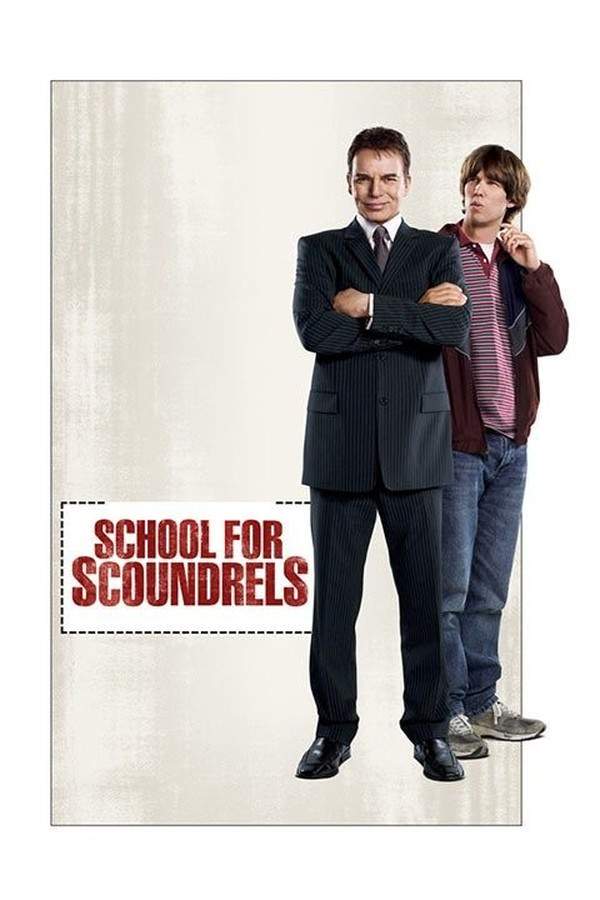
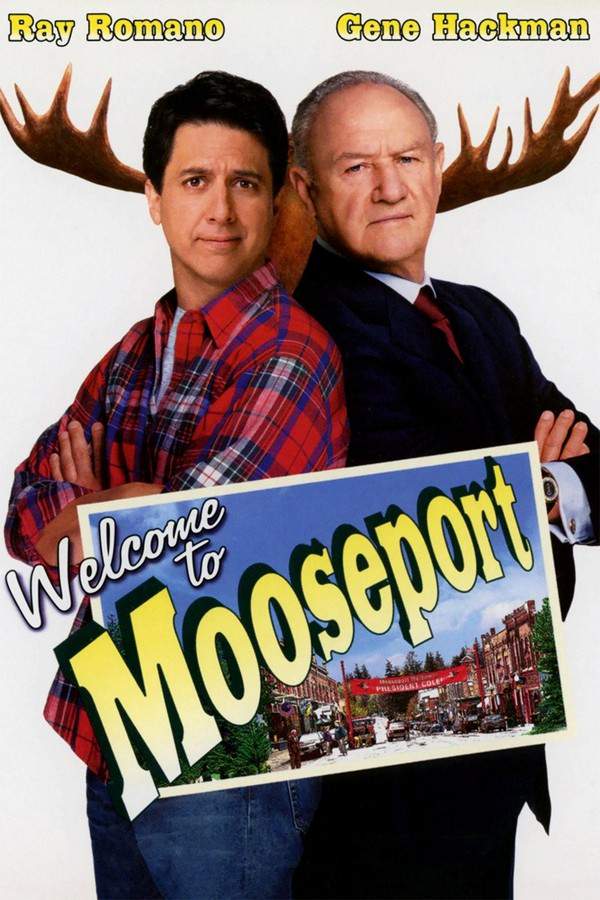
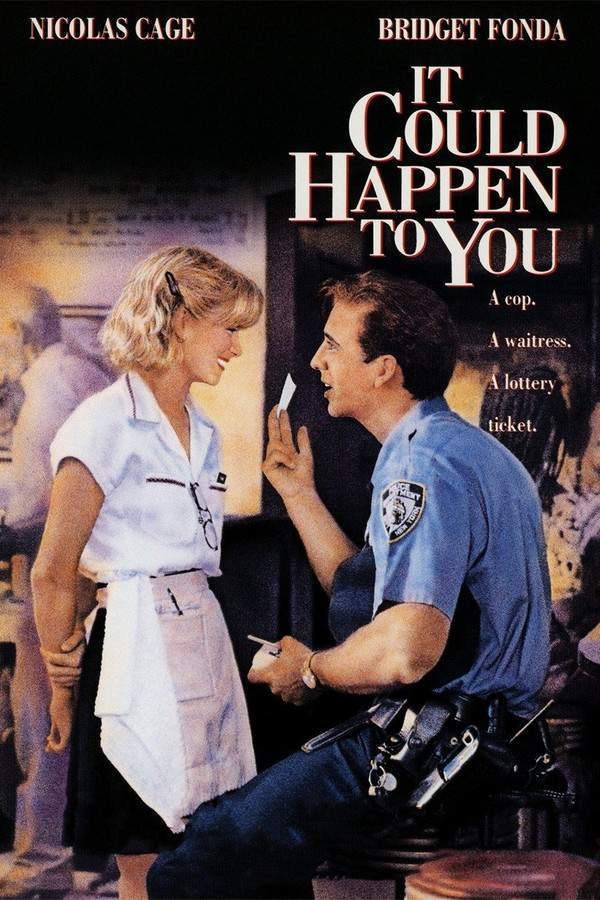
Movies about underdogs vs corporations like It Happened to Jane

Heartwarming stories of small businesses and communities taking on a powerful, heartless corporation. If you enjoyed watching Jane Osgood take on the railroad in It Happened to Jane, you'll love these movies about resilient individuals and communities fighting powerful corporations. These films blend David vs. Goliath narratives with heartfelt comedy and a hopeful spirit.

  • determined
  • spirited
  • uplifting
  • wholesome
  • cozy
  • triumphant
  • Tone: light, hopeful, determined
  • Pacing: steady, clear progression
Why these movies?

The story pattern: These narratives typically follow a clear, linear path: an injustice sparks a conflict, the underdog gathers support (often from their community or a romantic partner), and they use wit and determination to challenge the powerful entity, leading to a satisfying and triumphant conclusion.

Why they belong together: Movies are grouped here for their shared focus on a specific type of conflict—the small versus the large—and their consistent tone of spirited optimism. They deliver a feel-good experience where resilience and community trump corporate power.
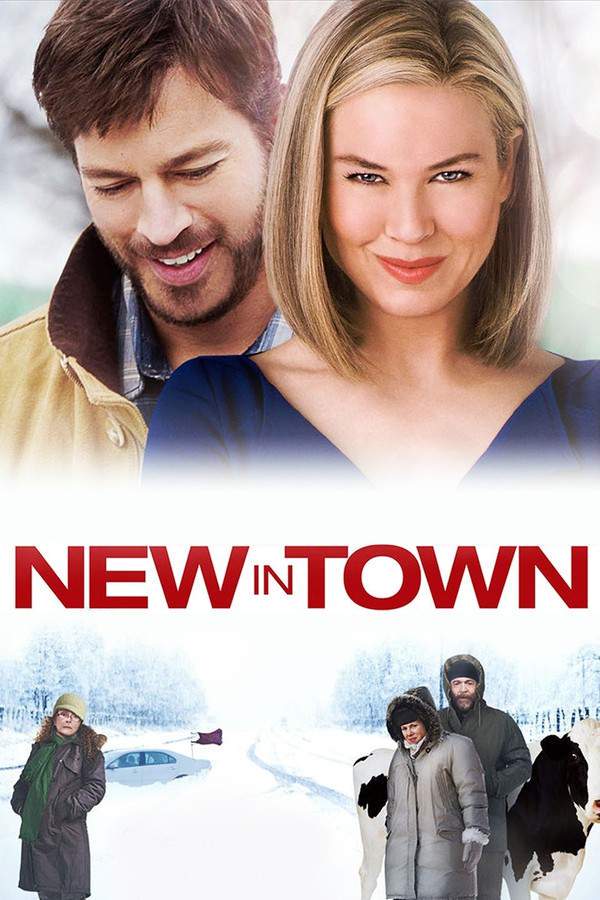

Charming small-town comedies similar to It Happened to Jane

Cozy stories where a close-knit community rallies around a local hero. Fans of the cozy, community-driven vibe of It Happened to Jane will enjoy these other charming small-town comedies. These movies capture the spirit of togetherness, local businesses, and wholesome humor that makes stories like Jane's so delightful.

  • cozy
  • charming
  • wholesome
  • uplifting
  • small town
  • community
  • Tone: light, wholesome, cozy
  • Pacing: steady, character-driven
Why these movies?

The story pattern: The narrative pattern revolves around a local incident or problem that brings the town together. The focus is less on high stakes and more on character interactions, romantic subplots, and the humorous or heartfelt ways the community supports its own, leading to a reaffirmation of communal bonds.

Why they belong together: These films are grouped by their distinctive setting and mood. They share a light tone, a steady, character-driven pace, and a focus on wholesome, community-oriented values that create a specific, comforting vibe distinct from big-city or high-drama comedies.

If you liked this

Movies Like It Happened to Jane

Similar movies to It Happened to Jane: the same genre, themes or kind of story. Each one comes with its own plot summary, timeline and ending explained.

Browse all movie summaries

Every angle

It Happened to Jane (1959) Explained: Plot, Timeline & Characters

Everything about It Happened to Jane in one place: what happens in the plot summary, the timeline in chronological order, the characters and meaning and a spoiler-free summary. What's After the Movie adds the cast, box office and post-credit scenes.

Coming soon on iOS and Android

The Plot Explained Movie Summary App

Plot summaries, endings explained and timelines on your phone. Catch up on any movie in minutes, save your favorites and never miss a twist again.

Be the first to know when we launch. Your email stays private, always.

Learn more about the app